

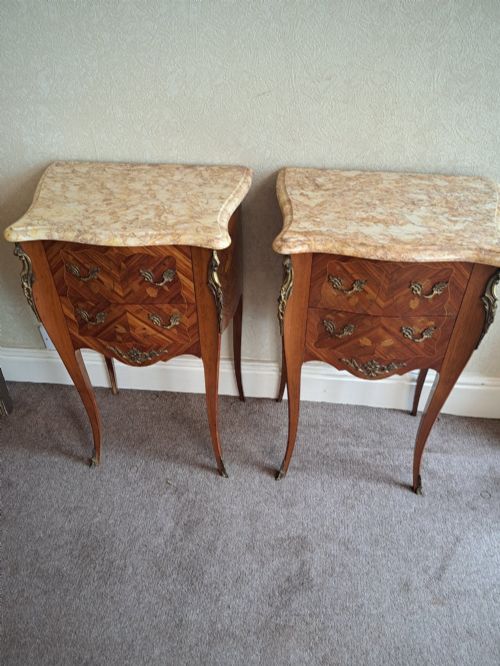
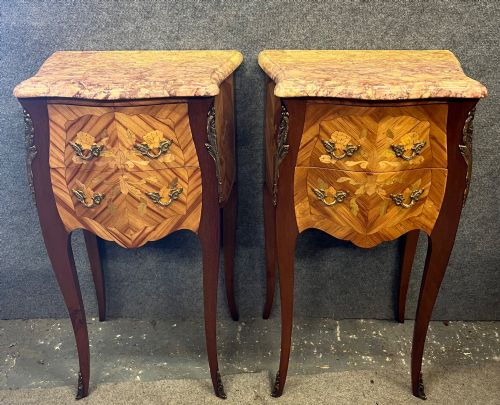

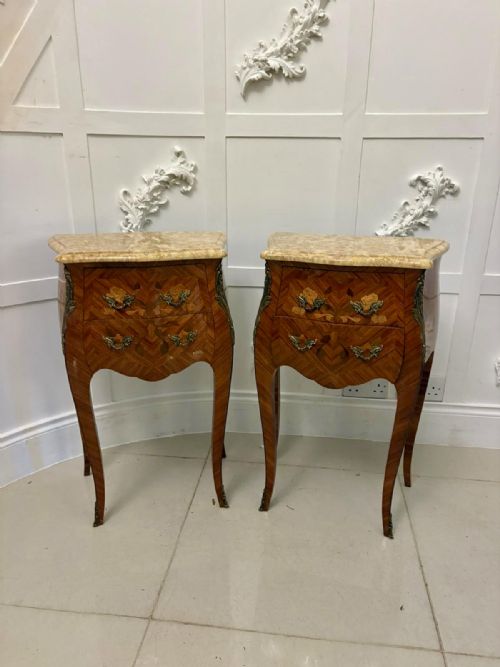


French Walnut Side Cupboard
A French walnut side cupboard brings continental charm to a room, offering practical enclosed storage alongside a decorative surface.
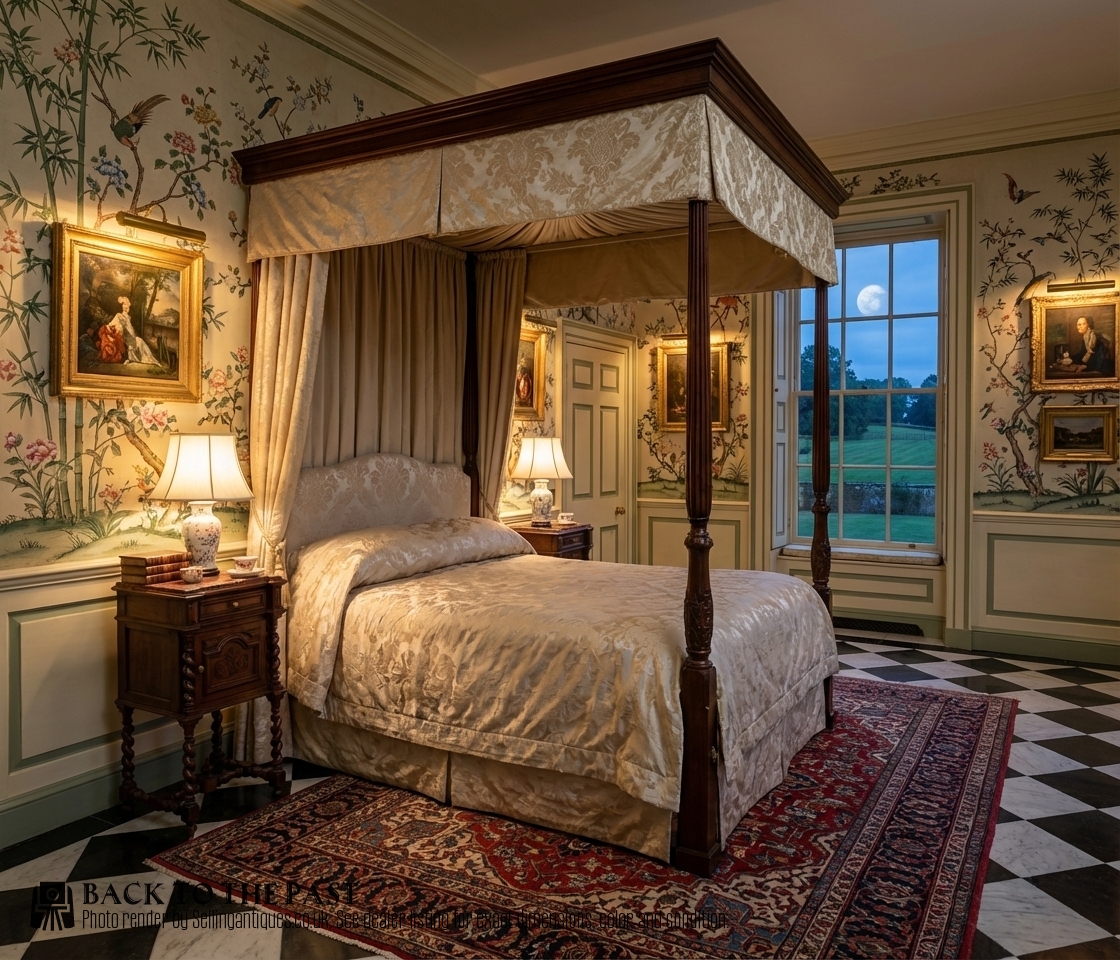
French Walnut Side Cupboard
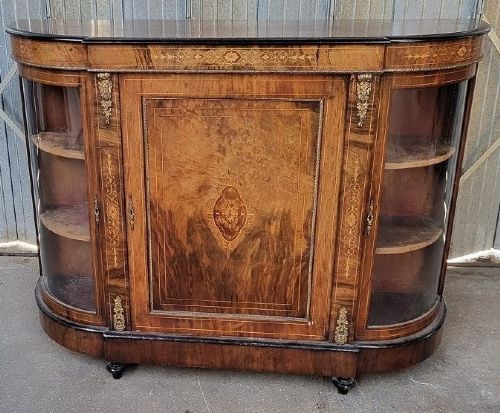
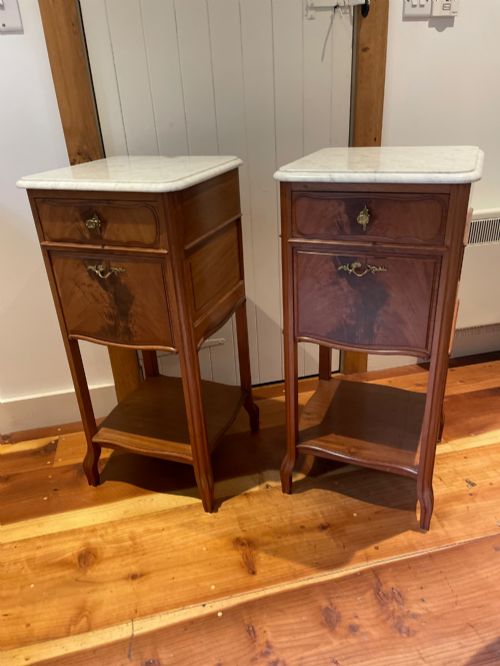
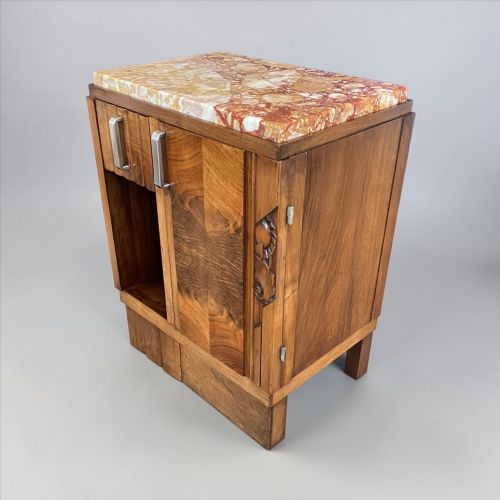
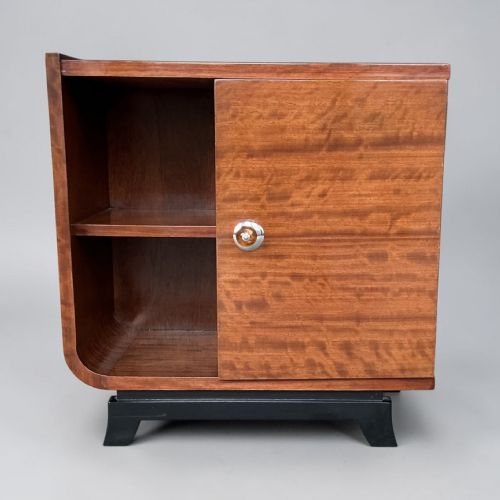
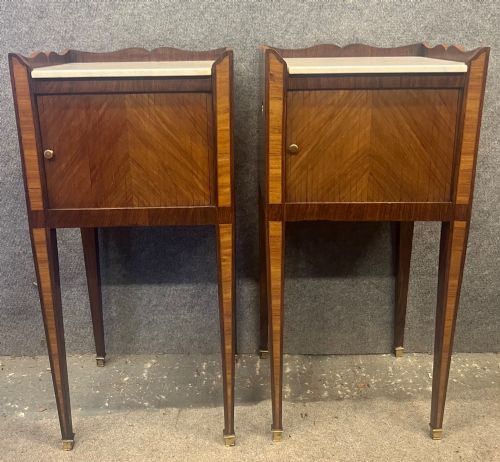
A French walnut side cupboard appears in various compact formats throughout the listings, frequently taking the shape of bedside tables, pot cupboards, and nightstands. These pieces serve primarily to hold small items while adding warmth to a bedroom or living space through figured timber.
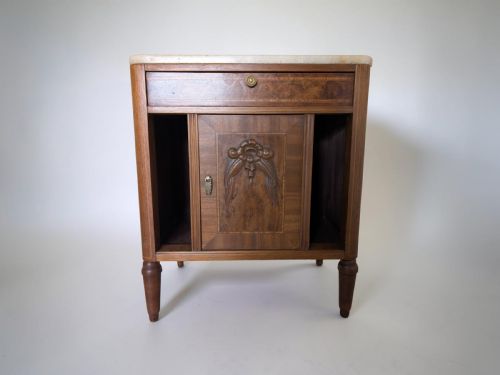
Makers designed these compact side cabinets for utility, incorporating single doors above or below small drawer compartments. Their modest footprints make them adaptable for modern homes requiring functional surface space and internal storage.
Materials and Construction Techniques
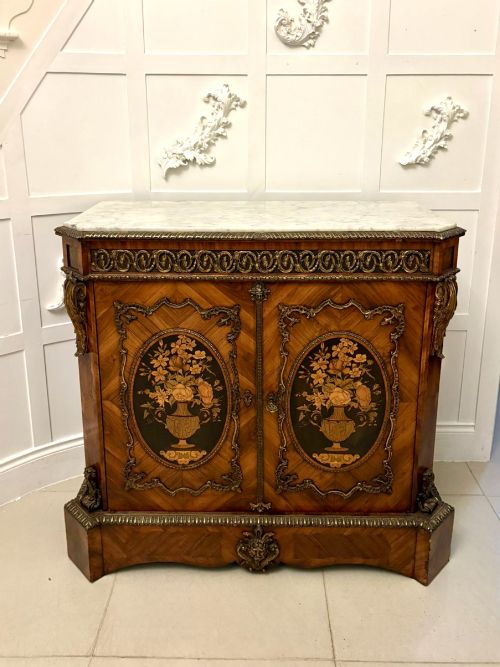
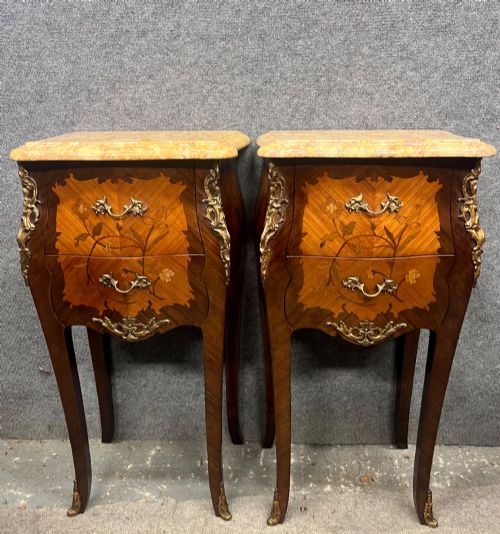
Cabinet makers utilised solid walnut and decorative burr or figured walnut veneers to construct the main bodies of these pieces. Marquetry and parquetry patterns frequently adorn the surfaces, employing contrasting woods to create geometric or floral designs.
Many cabinets incorporate inset marble tops in shades of white or coloured stone, providing a durable and water-resistant working surface. Mounts cast in brass or ormolu occasionally accent the corners, drawer pulls, and lock escutcheons.
Structural elements include hand-cut dovetails within the drawers and turned supports such as barley twist legs on specific nineteenth-century examples. Porcelain plaques and panels are integrated into finer decorative models.
French Walnut Side Cupboard Retail Price Guide 2026
Typical asking prices for french walnut side cupboard among the pieces listed under this phrase on Sellingantiques today, from the lower quarter to the upper quarter. They describe what is for sale here now, not the wider market.
Many nineteenth-century bedside cabinets secretly hid ceramic pots behind locked panel doors before modern plumbing arrived.
Markers of Distinction and Craftsmanship
The sophistication of the marquetry inlay and the choice of highly figured burr walnut veneer distinguish finer examples from plain utility pieces. Grain matching across the drawer fronts and door panels demonstrates deliberate planning by the cabinet maker.
The integration of heavy, well-veined marble slabs and finely chased ormolu mounts elevates the standing of a side cupboard. Robust internal carcase construction, including secondary timbers and clean drawer linings, marks the work of skilled workshops.
The French Walnut Side Cupboard Glossary
- Marquetry
- Decorative veneer work arranged in pictorial or floral patterns using various tinted woods. This technique creates detailed surface ornamentation on cabinet doors and tops.
- Parquetry
- Geometric wood inlay forming repetitive patterns such as cubes or chequers. It provides a structured decorative finish to table tops and drawer fronts.
- Ormolu
- Gilded bronze used for decorative mounts and furniture hardware. It adds metallic contrast to the dark walnut timber.
- Demi-lune
- Half-moon shape characteristic of certain console tables and small cabinets. This curved profile allows the furniture to sit flush against a wall.
- Chevets
- French term for bedside tables or small night cupboards. These compact units typically house a single drawer and enclosed cabinet space.
French Walnut Side Cupboard: Frequently Asked Questions
What were French walnut side cupboards used for?
These cabinets originally functioned as bedside commodes or pot cupboards designed to hold washing basins and chamber pots. Their enclosed spaces also served to store personal items or nighttime necessities within easy reach.
Today, owners utilise them as versatile bedside tables or lamp stands in living rooms. The internal shelving provides discreet storage for books and modern accessories while the top surface holds lighting.
How do I identify a Louis XV style cabinet?
Louis XV style pieces typically display curved serpentine lines, cabriole legs, and delicate floral marquetry. The overall form avoids straight edges in favor of flowing, organic contours derived from eighteenth-century designs.
Revival versions from the nineteenth and early twentieth centuries faithfully copy these sweeping profiles. They often feature subtle ormolu mounts highlighting the corners and feet.
Are marble tops original to these cabinets?
Marble tops frequently accompany French walnut side cupboards dating from the Victorian era and the late nineteenth century. These stone slabs provided a practical, stain-resistant surface for washing equipment and nighttime water jugs.
Replacement marble occasionally occurs due to historical breakages, so buyers often inspect the fit against the wooden rebate. Original stones usually show minor signs of age consistent with the timber carcase.
How should I care for burr walnut veneer?
Burr walnut requires protection from direct sunlight and excessive heat sources to prevent the delicate veneer from drying or cracking. Maintaining stable indoor humidity levels preserves the natural oils within the wood.
Polishing with a traditional beeswax nourishes the grain and enhances the warmth of the finish. Avoid using modern silicone-based sprays which can damage antique French polish.