
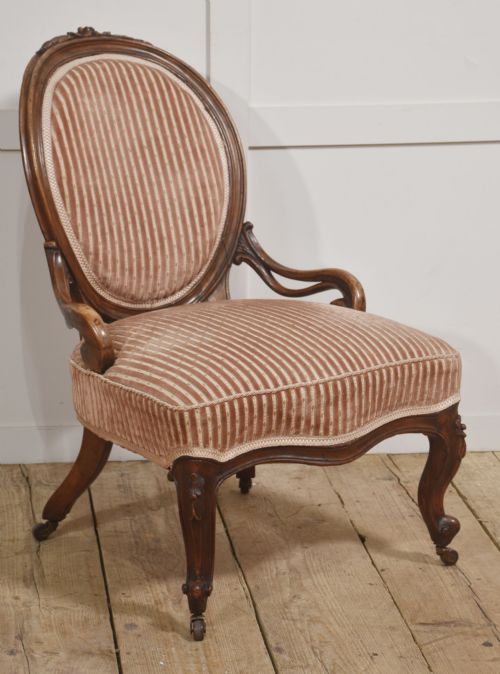


Carved Frame Bedroom Chair
A carved frame bedroom chair brings period seating to a private room, offering low-slung comfort and elaborate woodwork.
Carved Frame Bedroom Chair
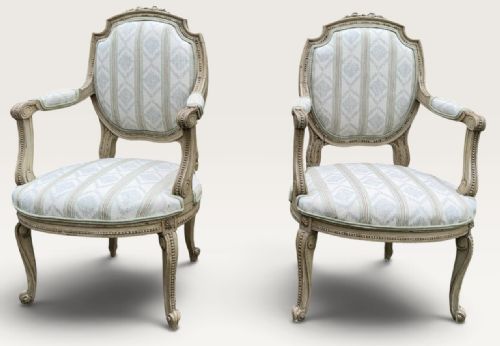
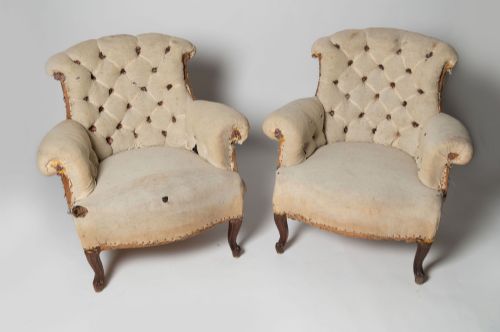
A carved frame bedroom chair encompasses low chairs designed for dressing rooms and private chambers, spanning the Victorian and Edwardian eras. You will frequently encounter nursing chairs and low open armchairs fashioned with exposed wooden frames.
The selection ranges from mid-nineteenth-century walnut nursing seats to French Louis XVI style giltwood armchairs and Edwardian oak slipper chairs. These pieces often feature specific period influences such as Victorian Rococo Revival or French Napoleon III design.
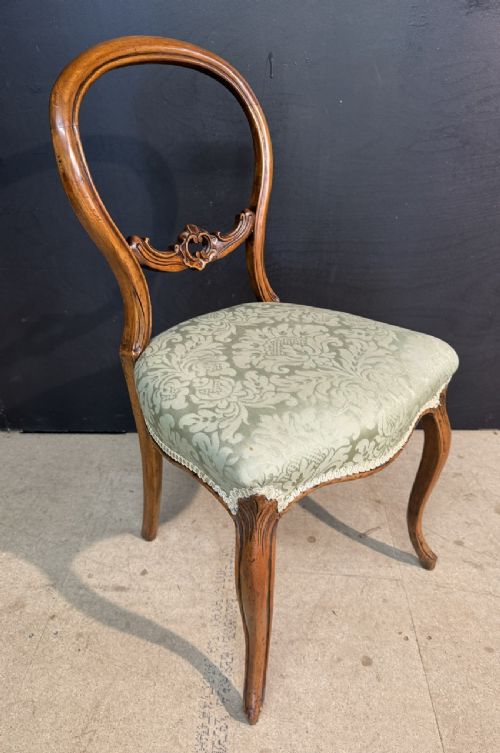
Makers shaped these items for intimate spaces, producing compact armchairs, corner chairs, and vanity seats that fit easily beside a bed or dressing table. Walnut, mahogany, and rosewood serve as the primary timbers supporting the original upholstery.
How they were made
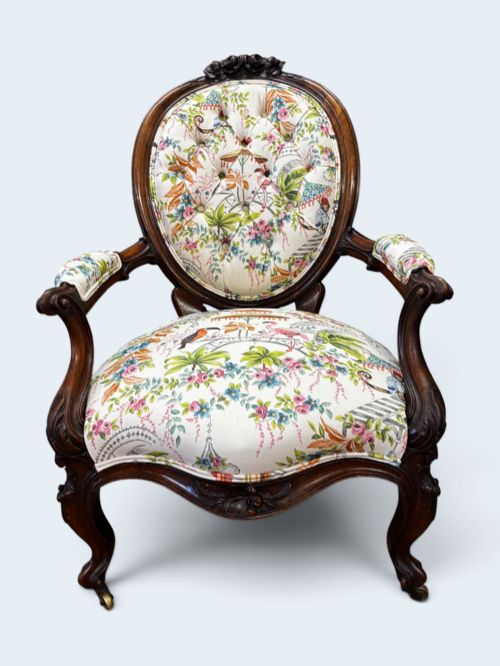
Craftsmen built the structural frames using solid hardwoods like walnut, mahogany, oak, and beech, often carving floral motifs and scrolls directly into the wood. Ebonised finishes and gilt decoration appear alongside natural timber grains.
Upholstery techniques involved stuffing seats with traditional textiles, finished in velvet, damask, fabric, or original paint. Brass elements and caning occasionally completed the decorative scheme on French and English models.
Carved Frame Bedroom Chair Retail Price Guide 2026
Typical asking prices for carved frame bedroom chair among the pieces listed under this phrase on Sellingantiques today, from the lower quarter to the upper quarter. They describe what is for sale here now, not the wider market.
Object types include nursing chairs, slipper chairs, open armchairs, and corner chairs constructed from beech and rosewood.
What varies in quality
The crispness and depth of the hand-carved woodwork distinguish finer frames from simpler production pieces, particularly where cabriole legs and scrollwork meet the seat rail. Superior examples show meticulous joinery in the show frame and choice selections of figured walnut or rosewood.
The integrity of the original frame structure and the retention of period textiles or paint surfaces dictate the standing of an individual chair. Pieces exhibiting harmonious proportions between the low seat and the carved backrest command greater appreciation.
The Carved Frame Bedroom Chair Glossary
- Nursing chair
- A low-seated upholstered chair designed in the Victorian period for feeding infants or general bedroom use. These items typically feature an open frame and no armrests to accommodate voluminous skirts.
- Show frame
- A wooden chair frame where the carved timber remains visible around the upholstered back and seat rather than being entirely covered in fabric. This construction highlights the grain and carving of walnut or mahogany.
- Cabriole leg
- A furniture leg that curves outward in a convex arc and tapers inward in a concave arc, ending in a pad or scroll foot. This form derives from classical furniture and appears frequently on revival pieces.
- Prie Dieu
- A devotional prayer chair featuring a high back often topped with a small ledge for kneeling or resting arms. These Victorian examples combine religious function with domestic bedroom comfort.
- Bergere
- An enclosed upholstered armchair with wooden framing and cane or upholstered sides. French models from the turn of the twentieth century utilise this classic seating form.
Carved Frame Bedroom Chair: Frequently Asked Questions
What is a nursing chair?
A nursing chair is a low-seated Victorian bedroom chair designed without armrests to allow women in period dress to sit comfortably while tending to infants.
These pieces often feature walnut or mahogany frames with elaborate carvings and upholstered backs tailored for dressing rooms.
How do I date a bedroom chair?
Dating relies on examining the timber species, carved stylistic details, and upholstery methods visible in the show frame. Victorian pieces often use walnut and rosewood with revival motifs, while Edwardian examples utilise oak.
Comparing the turned or cabriole leg shapes against documented period styles helps narrow the decade of manufacture.
Where should I place these chairs?
These compact seats suit bedrooms, dressing rooms, and quiet corners where a low profile and decorative carved frame add period character.
Pairing a walnut nursing chair beside a dressing table or placing an open armchair near a fireplace highlights the woodwork.
What woods were used for frames?
Cabinet makers built these frames using dense hardwoods such as walnut, mahogany, rosewood, oak, and beech.
Selected timbers were often carved, ebonised, or gilded to match prevailing tastes during the nineteenth and early twentieth centuries.