
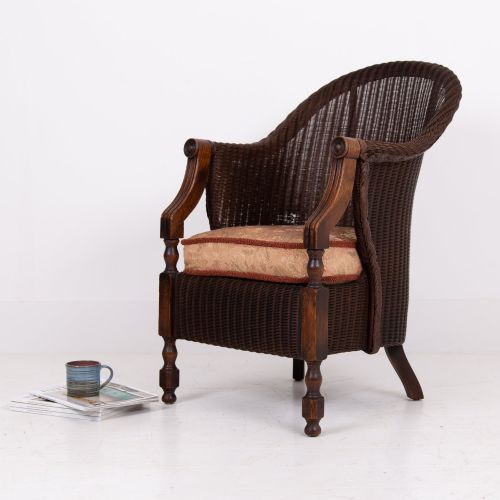
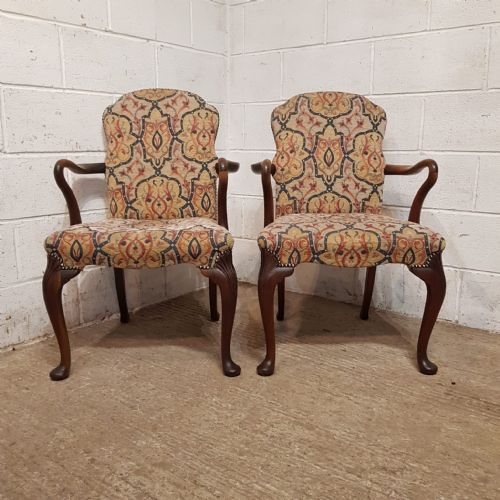
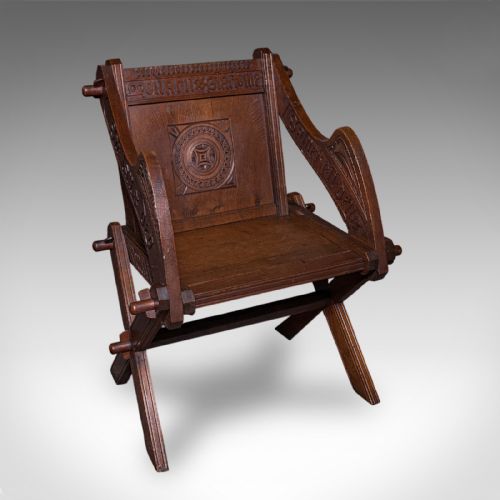
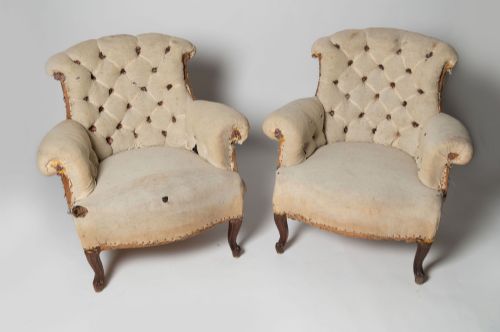
Carved Frame Armchair
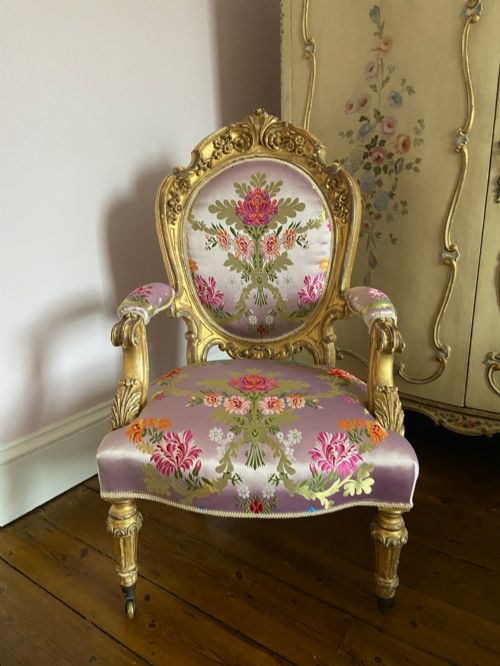
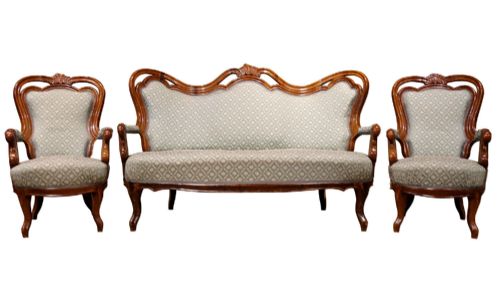
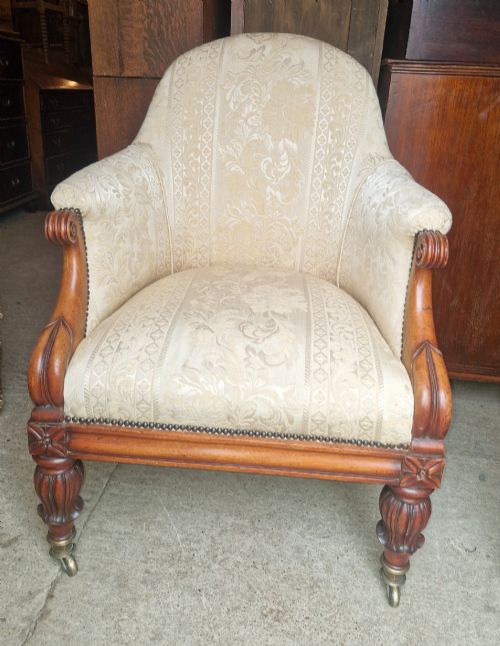
A carved frame armchair brings sculptural woodwork and tailored upholstery together, offering solid architectural presence and historic comfort to a room.
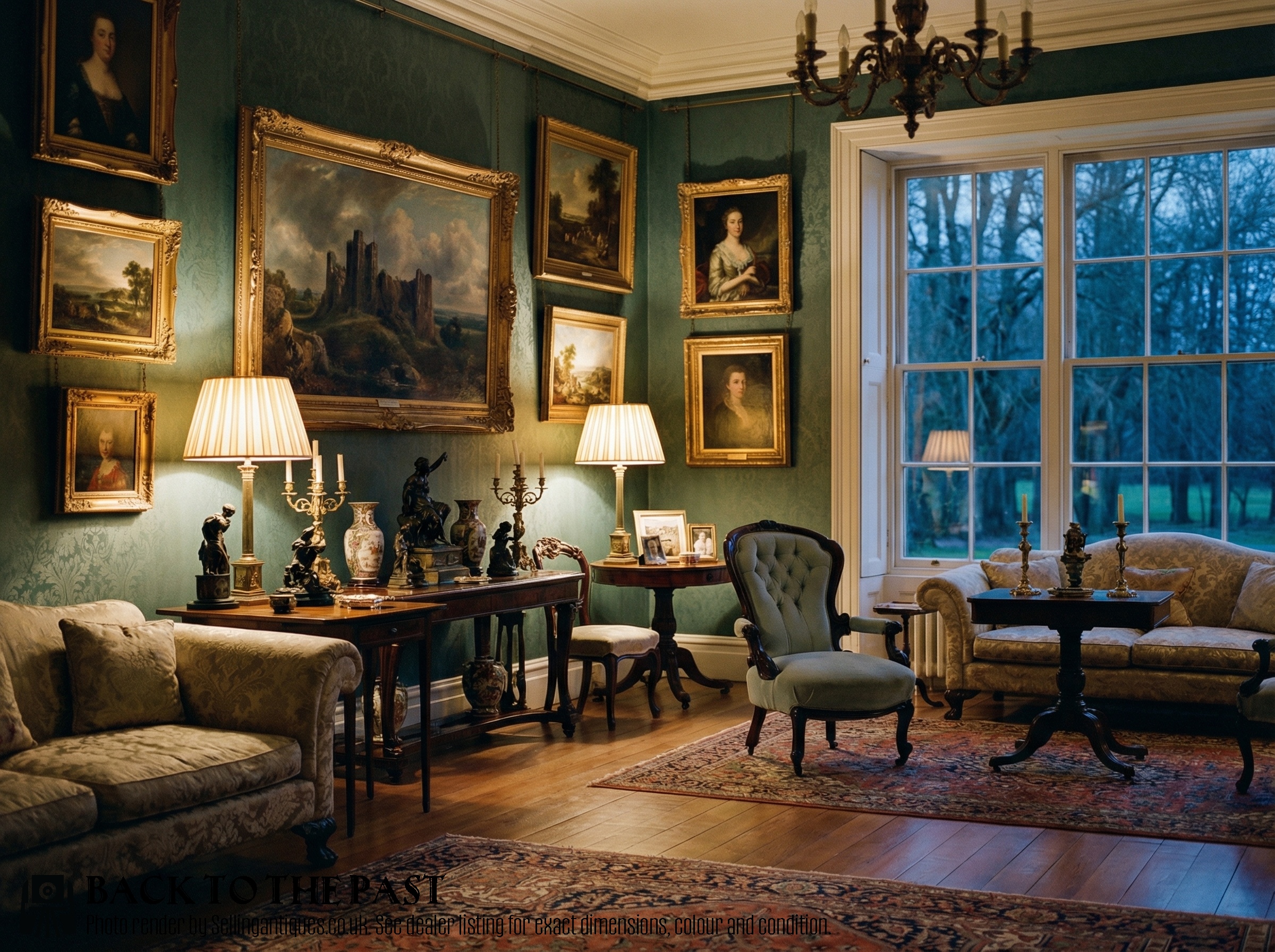
Carved Frame Armchair
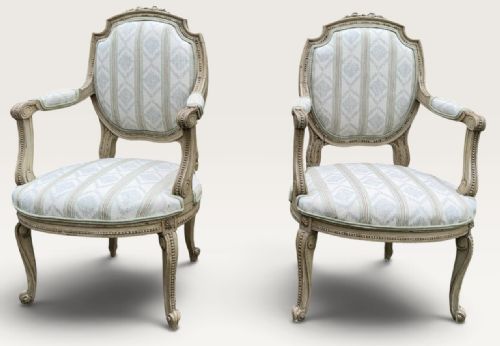
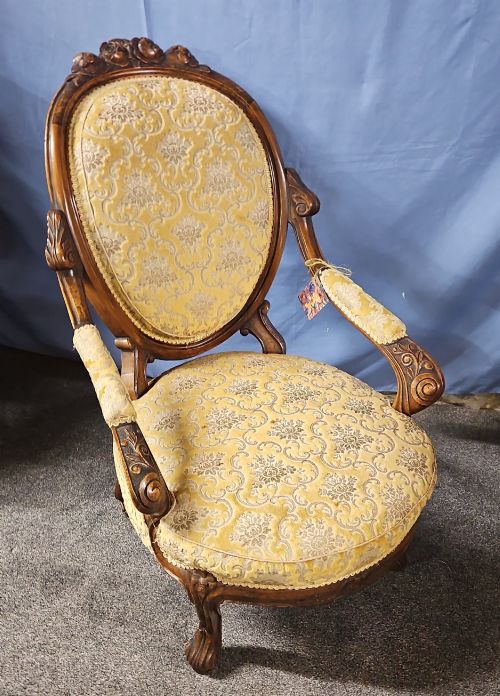
A carved frame armchair unites structural timber with upholstered comfort, appearing across nineteenth-century revival styles and Edwardian domestic interiors. Buyers searching for a carved frame armchair encounter pieces spanning Gothic Revival, Louis XV Revival, and Victorian aesthetic movements.
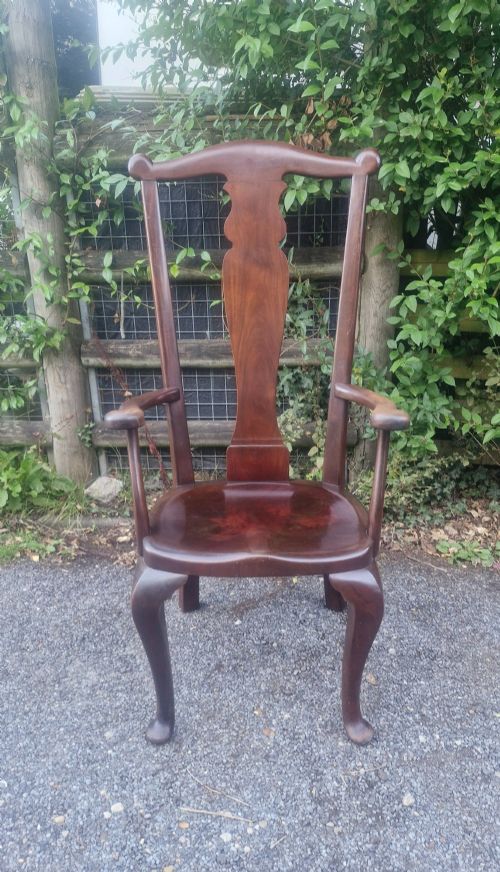
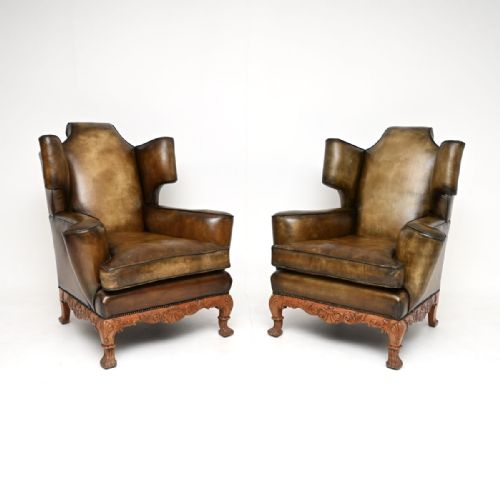
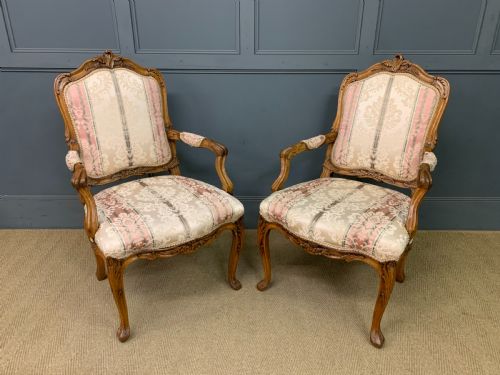
The selections range from library and desk chairs in dense hardwoods to French salon armchairs with exposed show wood. Walnut, mahogany, and oak dominate the visible timber structures supporting these historic seats.
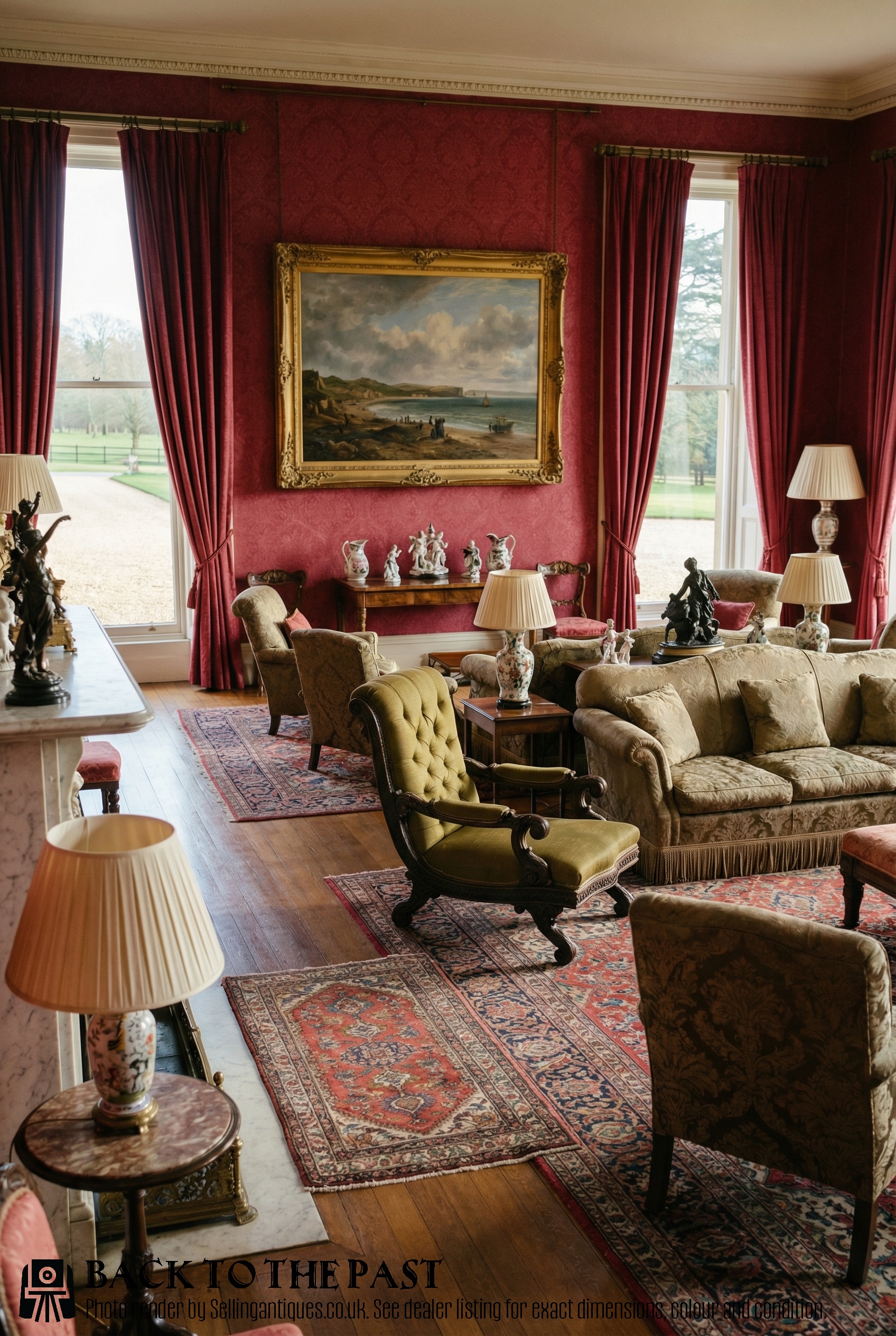
Assessing quality
The distinction between standard seating and superior work lies in the crispness and depth of the timber carving, where hand-tooled details outlast shallow mechanical shaping. Heavier hardwoods like walnut and rosewood offer greater structural integrity than softer secondary timbers.
Proportion and joinery define the better specimens, ensuring the wooden frame remains rigid under daily use while the carved elements maintain balanced symmetry across the arms and legs.
Carved Frame Armchair Retail Price Guide 2026
Typical asking prices for carved frame armchair among the pieces listed under this phrase on Sellingantiques today, from the lower quarter to the upper quarter. They describe what is for sale here now, not the wider market.
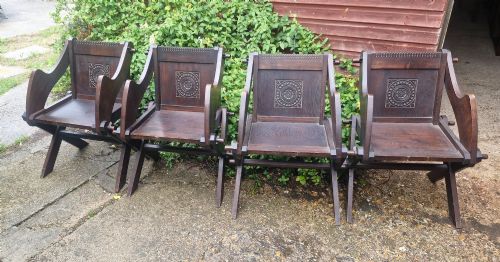
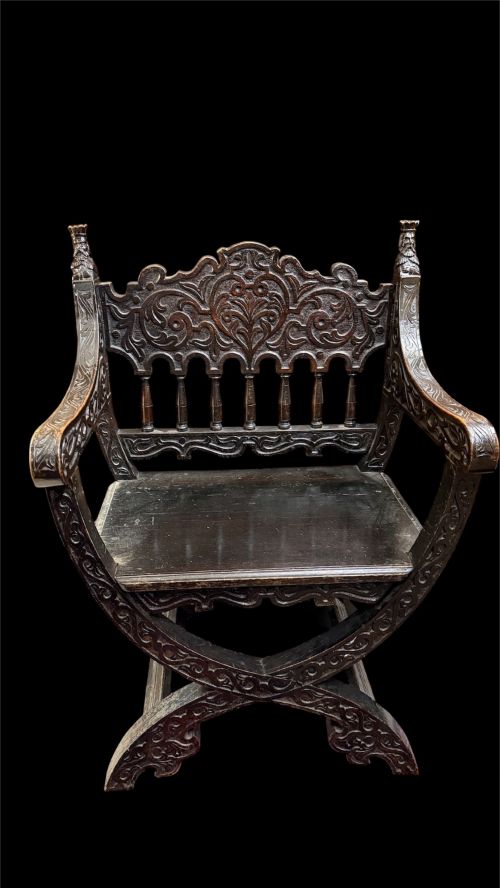
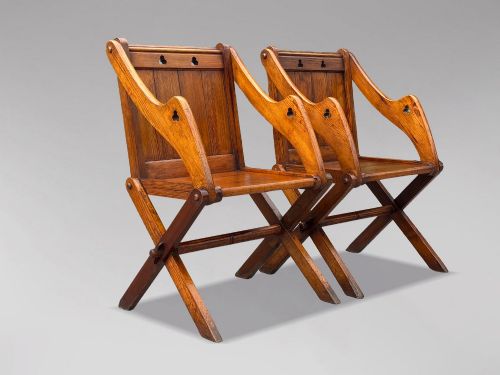
Victorian readers often stretched out in heavy pitch pine Glastonbury chairs while holding embroidered books.
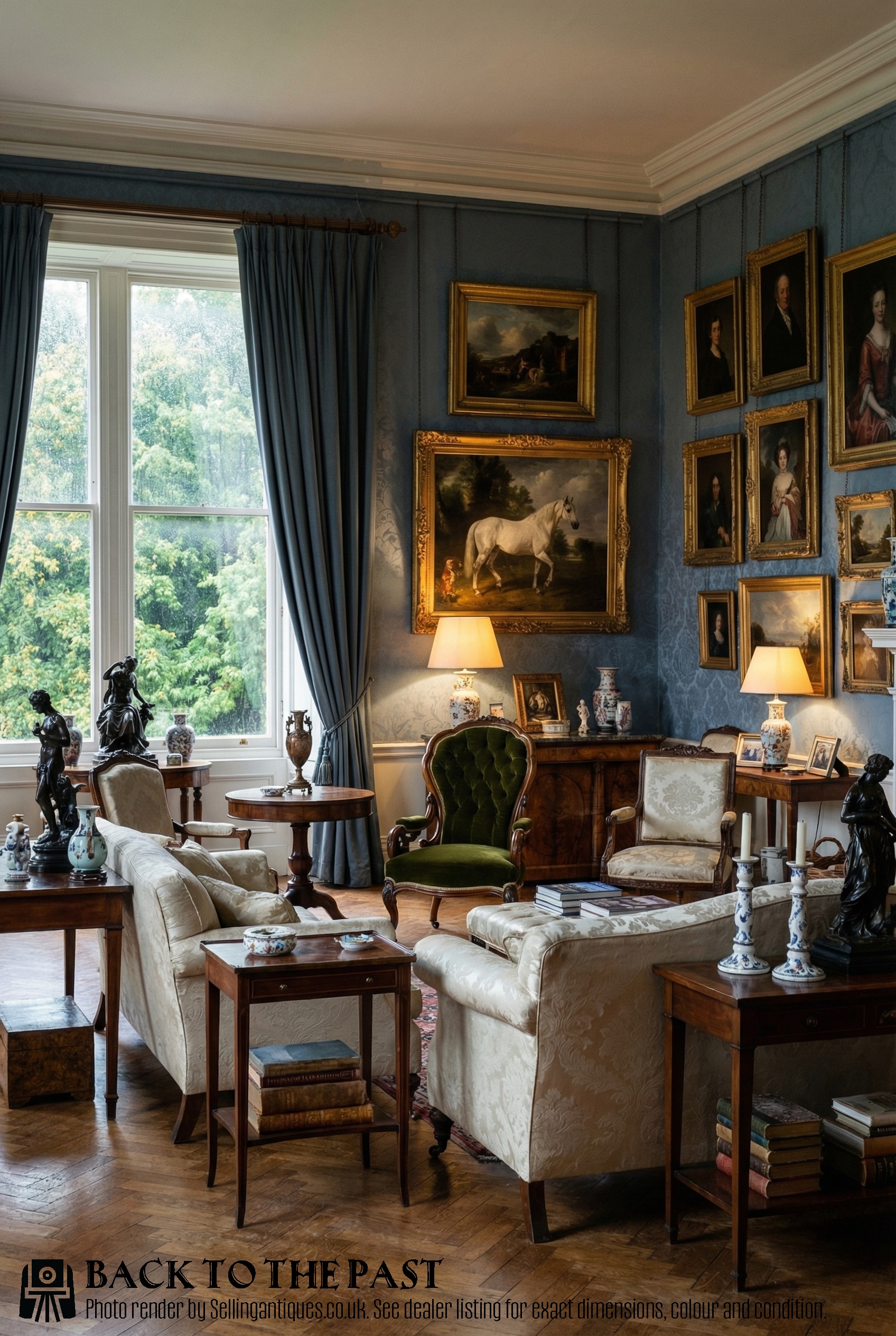
Gillows·Howard And Sons
The Carved Frame Armchair Glossary
- Bergere
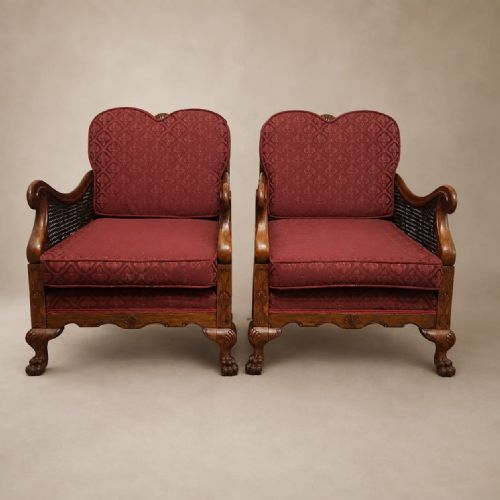
- An enclosed upholstered armchair with wooden framing, often featuring cane panels to the sides and back.
- Fauteuil
- An open-armed French armchair featuring an exposed wooden frame and upholstered seat and back.
- Glastonbury chair
- A distinctive folding wooden armchair with an X-frame design, frequently constructed in oak.
- Show frame
- A decorative wooden structural skeleton left visible around the upholstered portions of an armchair.
Carved Frame Armchair: Frequently Asked Questions
How do I identify a revival style?
Revival pieces copy historical aesthetics from French or English eras, combining eighteenth-century motifs with nineteenth-century manufacturing methods.
Look at the turning, the joinery, and the timber ageing to distinguish genuine historical eras from later interpretations.
Are these chairs suitable for daily use?
Most historic armchairs were built from solid hardwoods like mahogany and oak, making them structurally robust for regular sitting.
Check that the internal webbing and joints remain stable before placing the chair into daily service.
What is cane work on an armchair?
Cane work involves woven rattan strips fitted into channels along the back and arm panels of the wooden frame.
This technique lightened the visual weight of heavy hardwood chairs during the nineteenth and early twentieth centuries.
How should I care for historic wood?
Maintain the timber frame by dusting with a dry cloth and avoiding direct sunlight that can dry out old polish.
Feed dry hardwoods occasionally with appropriate wax to preserve the natural grain and carved details.