





Carved Floral Gold Mirror
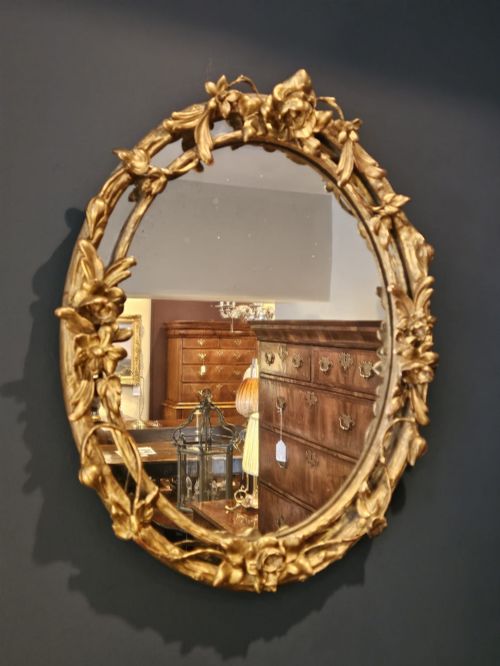
A carved floral gold mirror brings warmth and reflective depth to a room, drawing the eye with botanical detail and rich gilding.
Carved Floral Gold Mirror
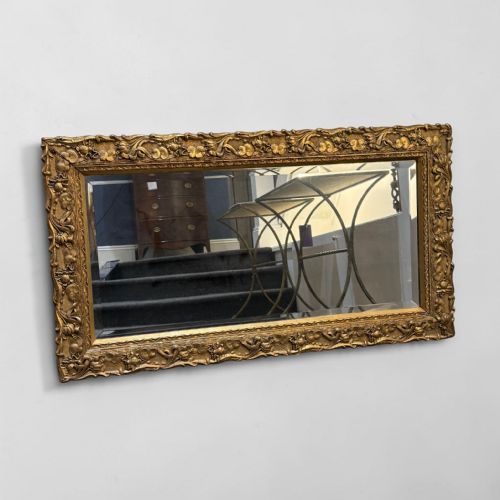
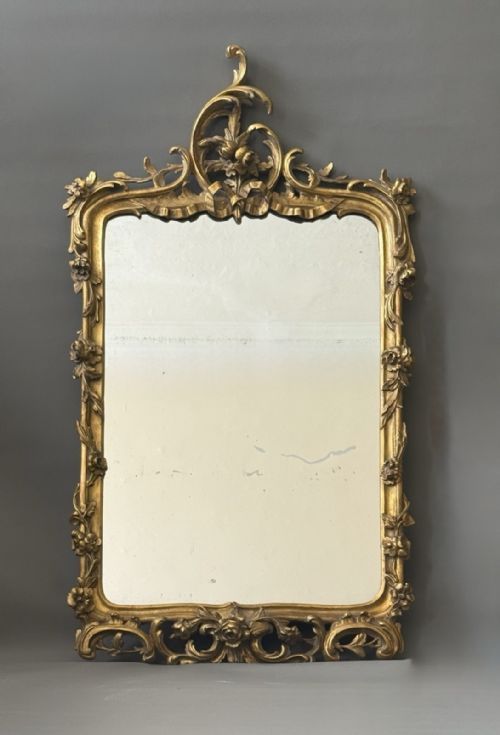
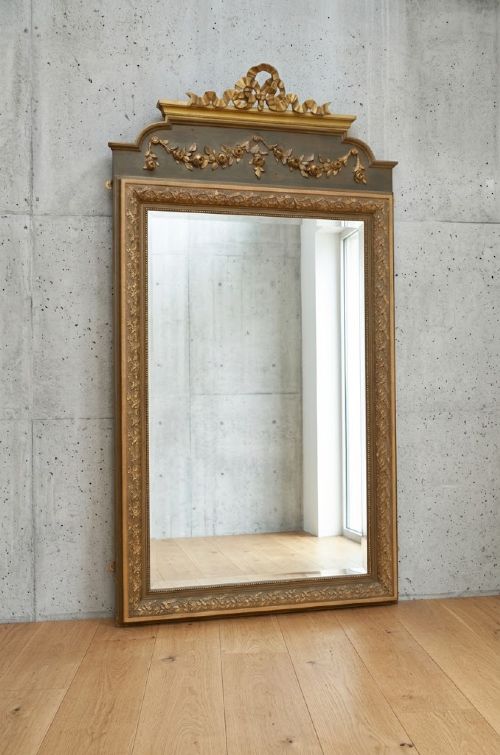
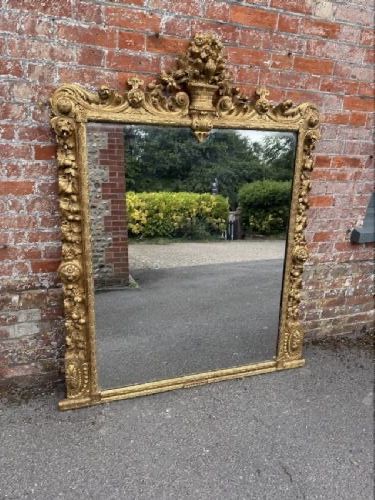
When you search for a carved floral gold mirror, you encounter pieces spanning from the eighteenth century through the Edwardian period, encompassing wall mirrors, overmantels, and pier glasses. The form is defined by wooden frames carved with botanical motifs, from rose vines to lily of the valley, finished in gold leaf or gilt.
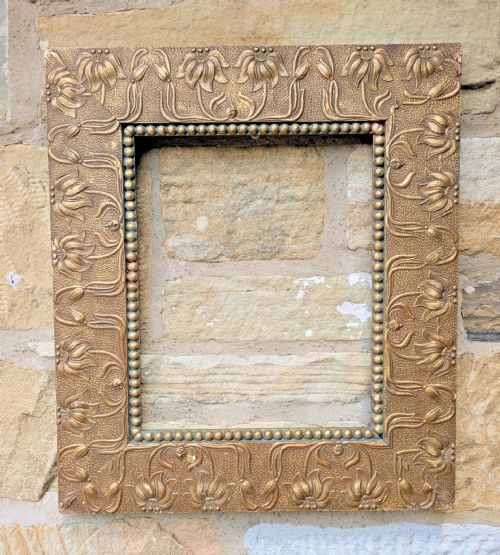
The most common examples on this page hail from the nineteenth century and the Victorian era, alongside French Rococo, Italian, and Art Nouveau interpretations. These objects served traditionally as decorative focal points above mantelpieces or on principal salon walls, combining utility with elaborate craftsmanship.
Materials and Construction
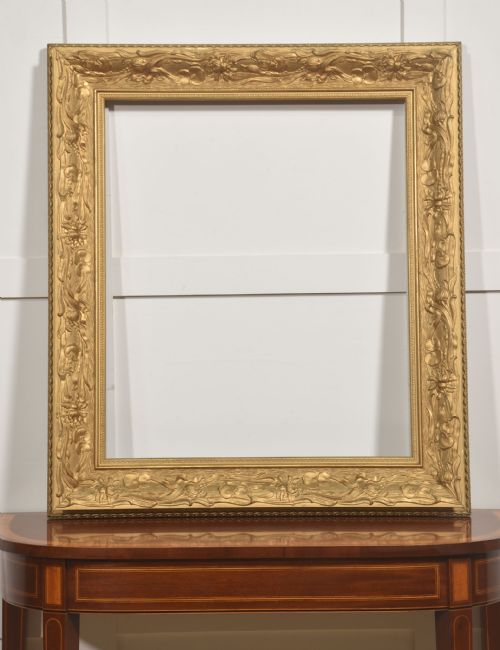
Makers shaped these frames from timber, gesso, and wood, applying gold leaf or paint to achieve a lustrous metallic finish. Carvers worked directly into the wood or built up intricate floral reliefs in gesso before gilding.
Mirrors range from those retaining their antique glass to pieces fitted with replacement plates. Frames frequently incorporate structural elements such as crests, ribbons, or mythological carvings alongside floral elements.
Factors of Quality
The distinction between standard and superior examples lies in the depth and crispness of the carving. Hand-carved botanical elements executed with botanical precision command greater attention than simpler moulded applications.
The quality of the gilding and the preservation of the original surface also dictate the standing of a piece. Finer mirrors retain their original antique glass plates and harmonious proportions between frame and mirror plate.
The Carved Floral Gold Mirror Glossary
- Giltwood
- Wood that has been covered with a thin layer of gold leaf or gold powder. This surface treatment provides the characteristic metallic brilliance seen on period frames.
- Gesso
- A plaster mixture applied to wood frames to create a smooth surface for carving and gilding. It allows for the formation of intricate relief decorations.
- Pier Glass
- A tall mirror designed to be hung on the pier, the wall space between two windows. These often feature decorative painted or carved details.
- Overmantel Mirror
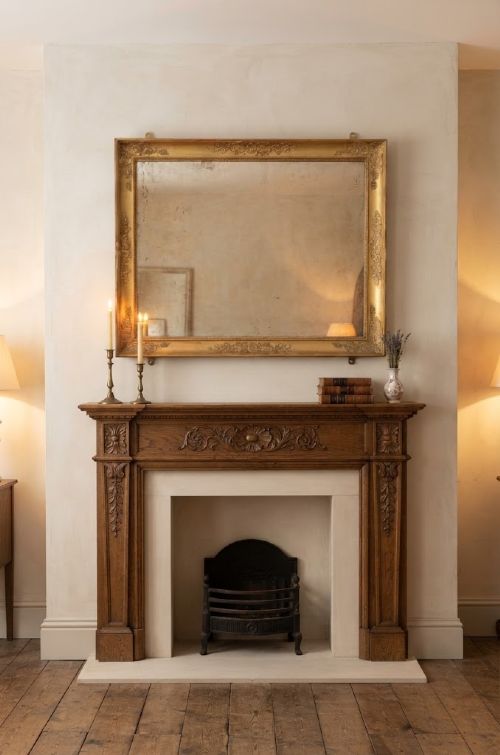
- A large mirror specifically proportioned to hang above a fireplace mantel. They dominate the wall space and reflect light across the room.
- Plate
- The sheet of glass used for the mirror itself. Antique plates often display subtle imperfections and oxidation that indicate age.
Carved Floral Gold Mirror: Frequently Asked Questions
Where should I hang an overmantel mirror?
These large mirrors belong centrally above a fireplace mantel where they anchor the room and reflect light from windows opposite.
Ensure the wall fixings are secure and rated for the substantial weight of a timber and gesso frame.
How do I clean a gilded frame?
Dust the carved floral details gently with a soft, dry brush to prevent damage to the delicate gold leaf surface.
Avoid liquid cleaners and harsh chemicals, which strip the historic gilding and expose the underlying gesso or timber.
Are replacement mirror plates acceptable?
Many period mirrors have received new glass over the centuries due to breakage or silver degradation of the original plate.
While original antique glass adds historical depth, a new plate ensures a clear and bright reflection for daily use.
How do I identify a French Rococo mirror?
French Rococo pieces from the eighteenth century display asymmetrical scrollwork, C-scrolls, and naturalistic floral carvings rendered with high artistic fluidity.
They often feature carved crests and originate from continental workshops influenced by Louis XV designs.