
Carved Elm Armchair
A carved elm armchair offers robust domestic utility and distinctive grain, making it a foundational seating choice for traditional interiors.
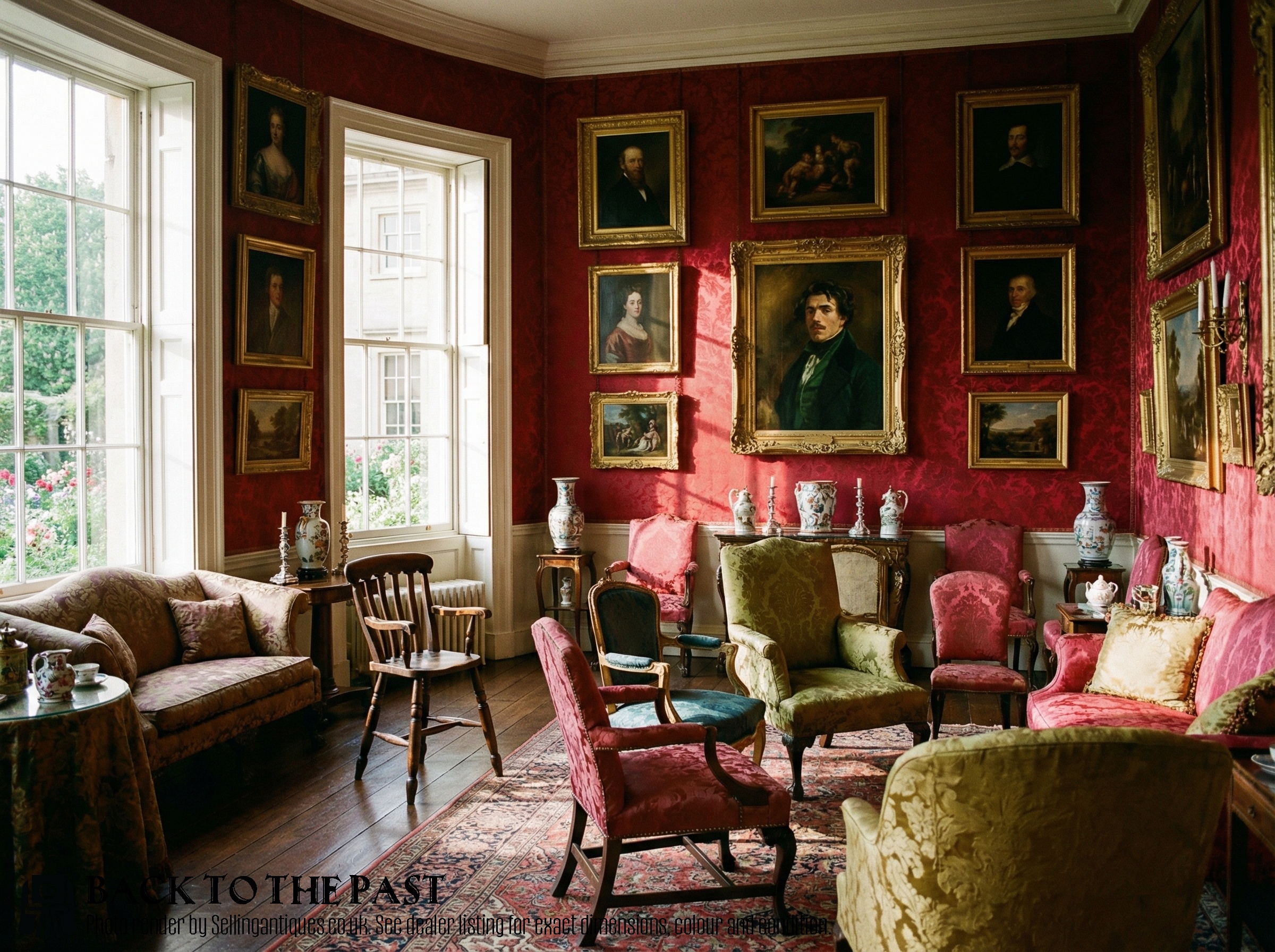
Carved Elm Armchair
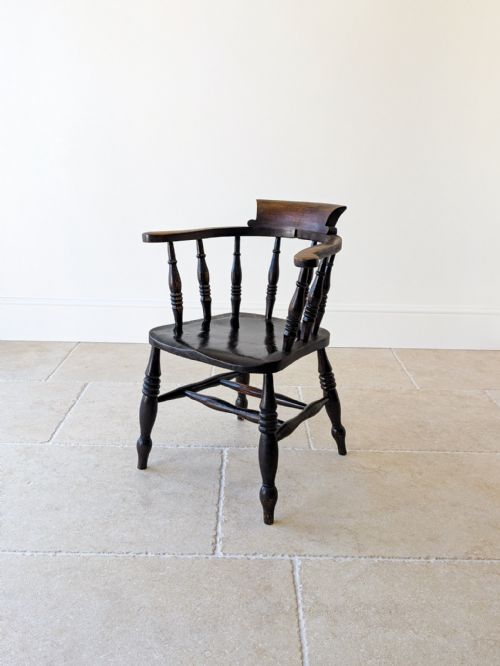
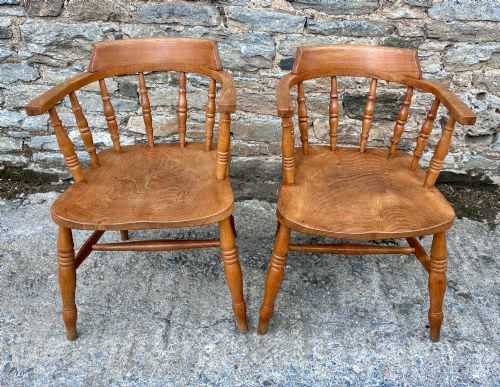
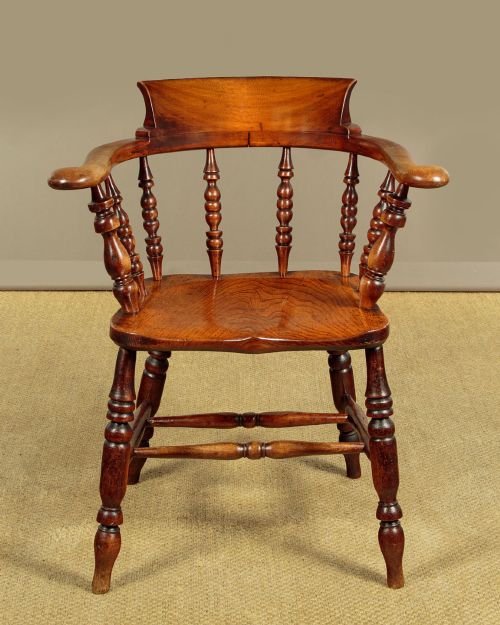
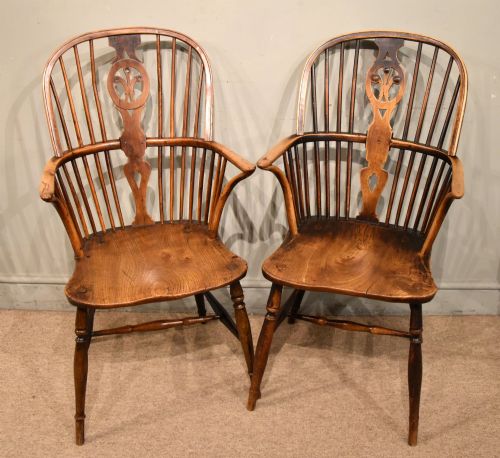
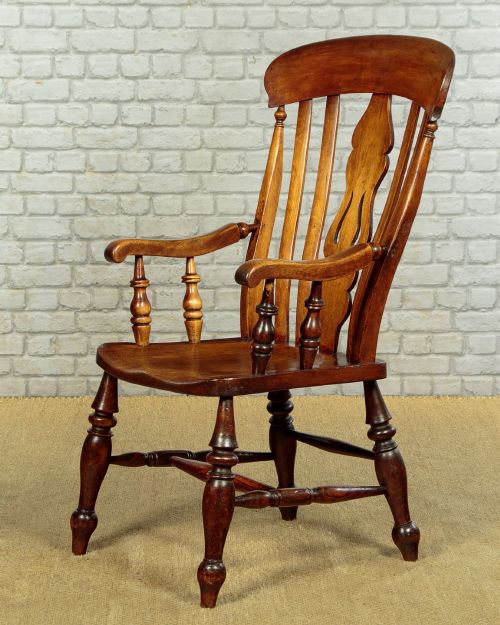
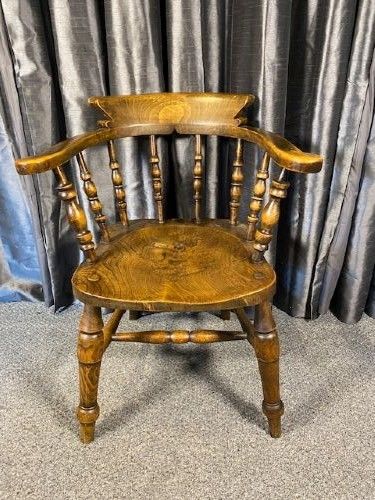
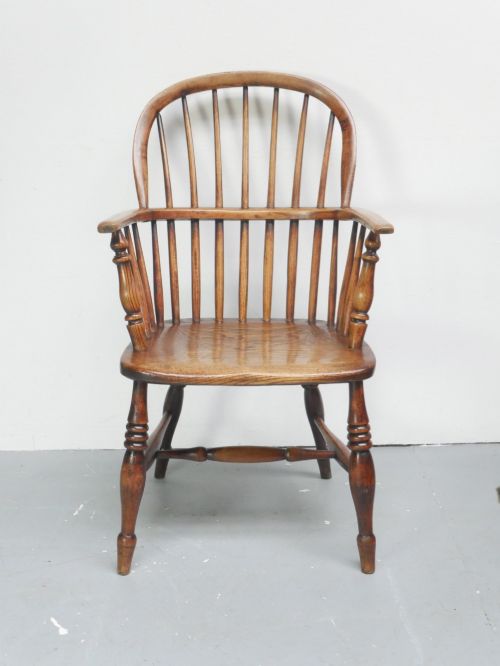
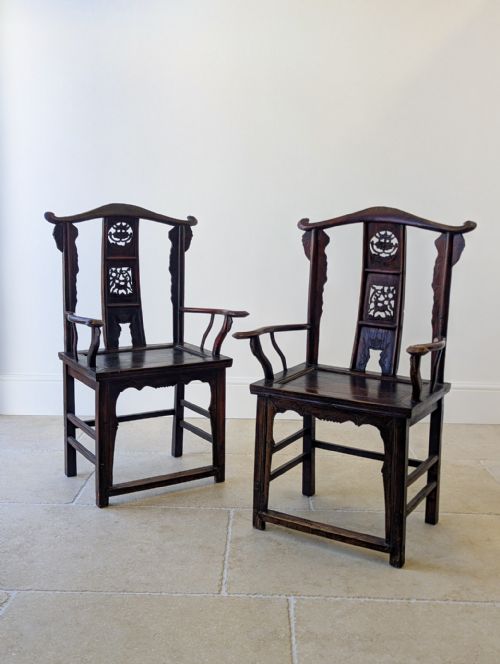
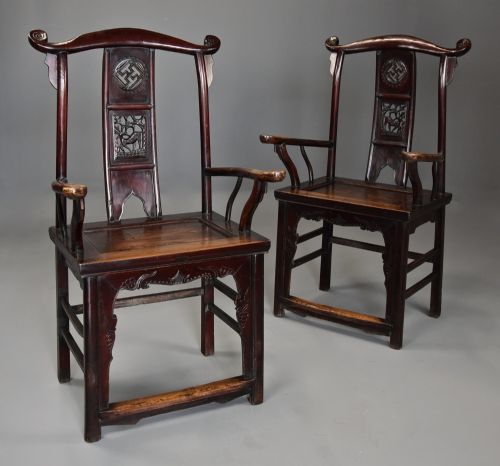
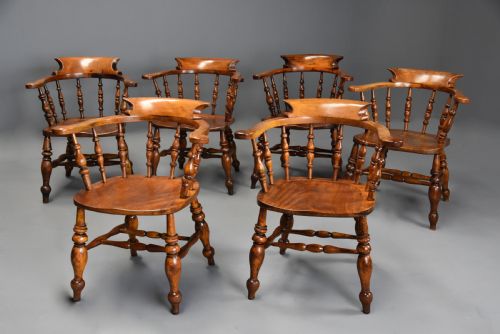
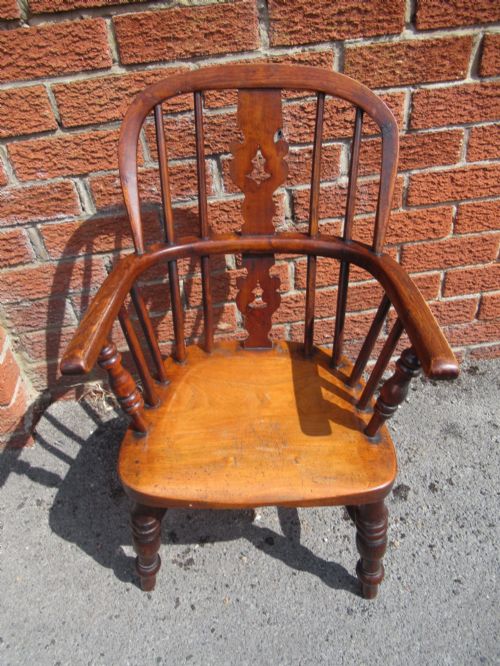
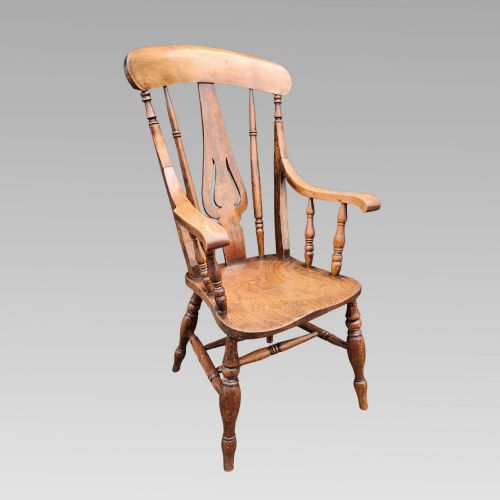
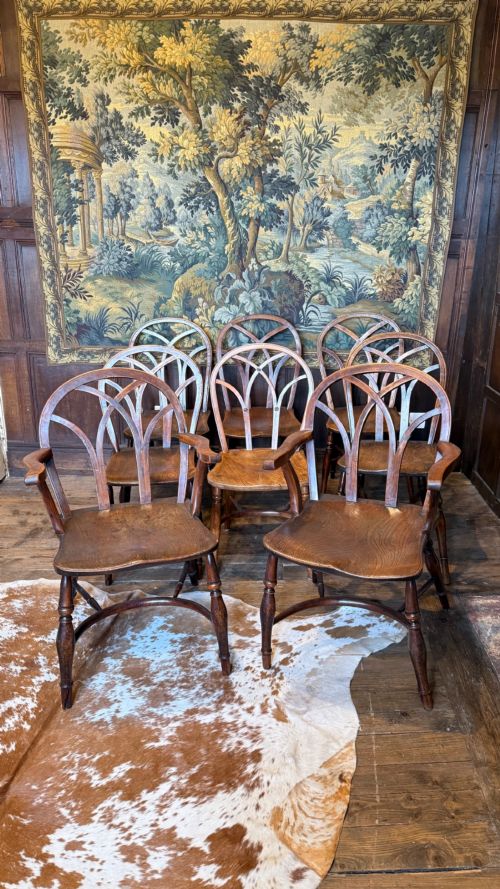
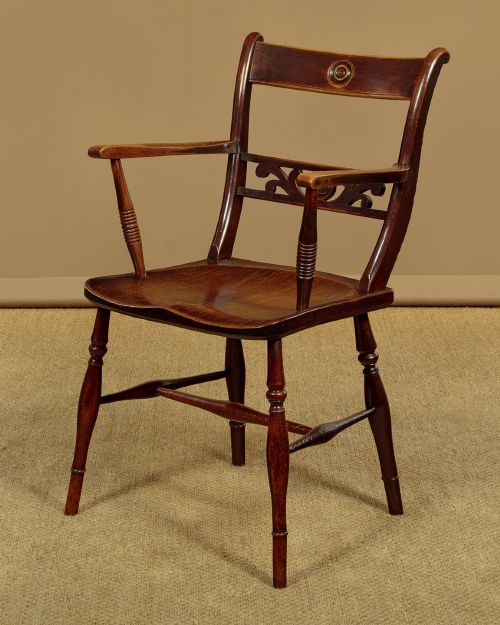
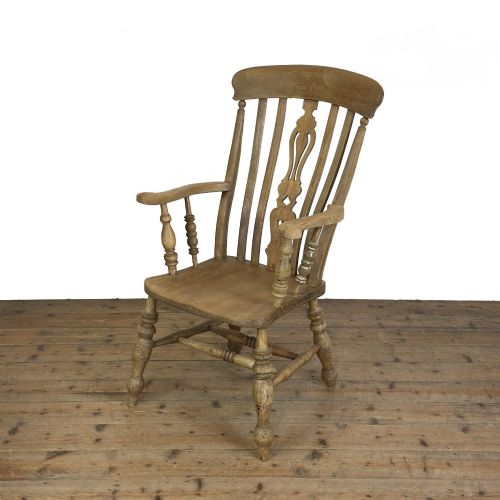
A carved elm armchair is a solid wood seating piece encountered predominantly in 18th century, Georgian and Victorian vernacular styles. These chairs include Windsor forms, Captain's chairs, Smoker's bows, and yoke-back designs originating from English, Welsh, Scottish, and Chinese workshops.
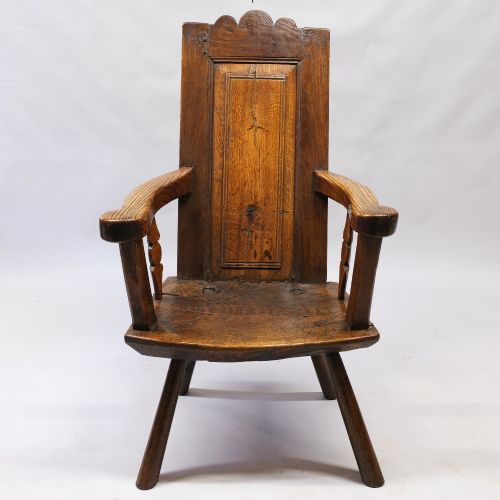
Buyers seeking this phrase frequently encounter wheel-back, comb-back, hoop-back, and spindle-back configurations alongside panel-backed and primitive seating. Forms range from low back farmhouse chairs to high back kitchen and desk chairs.
Examples span domestic kitchen and dining seating through to children's chairs and rocking variants. The overarching category balances sturdy utilitarian construction with regional decorative carving.
Materials and construction methods
Makers utilised elm primarily for seats due to its interlocking grain which resisted splitting under downward pressure. Secondary woods such as ash, beech, oak, yew, fruitwood, and laburnum provided contrasting strength for spindles, arms, and legs.
Construction relied on traditional joinery where turned legs and back spindles locked into solid slab timber seats using wedged tenons. Surface finishes varied from natural waxed timber and patinated grain to applied red lacquer.
Elm timber was chosen for chair seats because its interlocking grain made it virtually impossible to split with an axe.
Distinctions in craftsmanship
Quality rests in the selection of timber, where burr elm or highly figured grain distinguishes superior examples from plain utility pieces. The depth and crispness of carved details, such as crest rails and pierced splats, mark the hand of a skilled regional maker.
Structural integrity depends on the retention of original wedged joints and the balanced proportion of components like turned arm supports and saddle seats. Patina developed through decades of domestic use separates well-preserved surfaces from heavily restored ones.
Fred Walker Rockley
The Carved Elm Armchair Glossary
- Windsor chair
- A chair built with a solid wooden seat into which the legs and back-bow are separately inserted. This structural method defines the core of English vernacular seating.
- Smoker's bow
- A low-backed Windsor variant featuring a continuous curved arm rail supported by turned spindles. It is also frequently designated as a Captain's chair.
- Yoke-back armchair
- A traditional Chinese seating form characterised by a top rail shaped like an ox yoke. These chairs often feature carved panels and original lacquer finishes.
- Saddle seat
- A wooden seat base carved into a concave, contoured shape for comfort. It requires thick elm timber to accommodate the deep adzed depressions.
Carved Elm Armchair: Frequently Asked Questions
What is a smoker's bow armchair?
A smoker's bow is a sturdy low-backed Windsor variant featuring a continuous curved arm rail supported by turned spindles. It emerged in domestic and commercial settings during the nineteenth century.
These chairs provided comfortable seating around tables in kitchens and public houses alike, combining the robust construction of a Captain's chair with a more compact profile.
How do I identify a Windsor chair?
A Windsor chair is distinguished by its construction method, where all legs, back posts and spindles are tenoned directly into a solid wooden seat rather than an independent frame. Elm was the preferred timber for the seat due to its splinter-resistant properties.
Over the centuries, regional makers developed various back designs including wheel-backs, comb-backs, hoop-backs, and stick-backs while retaining this central structural principle.
Where were elm armchairs used?
Elm armchairs served utilitarian roles across domestic farmhouses, country cottages, kitchens, and studies. Their robust construction suited daily service in high-traffic rooms.
Regional variations arose across the British Isles and further afield, encompassing Welsh high backs, Scottish windsors, and Thames Valley workshop productions alongside Chinese yoke-back forms.
How do I care for antique elm furniture?
Care for antique elm involves maintaining stable indoor humidity levels to prevent the solid timber seats from splitting or warping. Dusting with a dry cloth and occasionally applying natural beeswax preserves the aged surface.
Avoid placing these chairs near direct heat sources or strong sunlight, which can dry out the historic wood and degrade the original patina.