
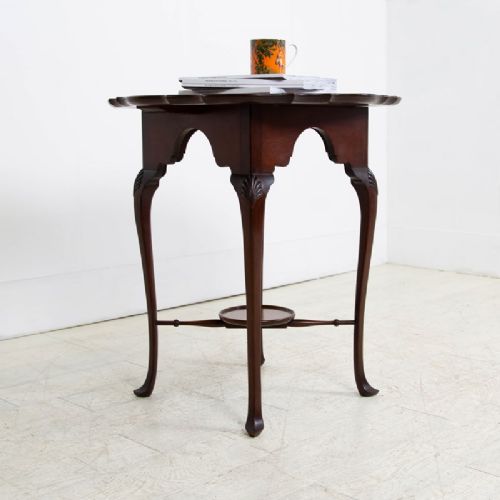
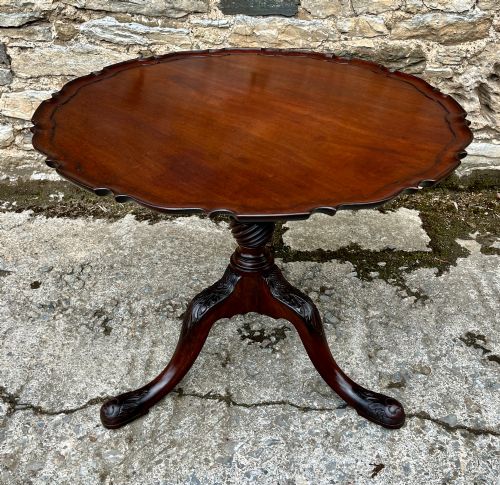
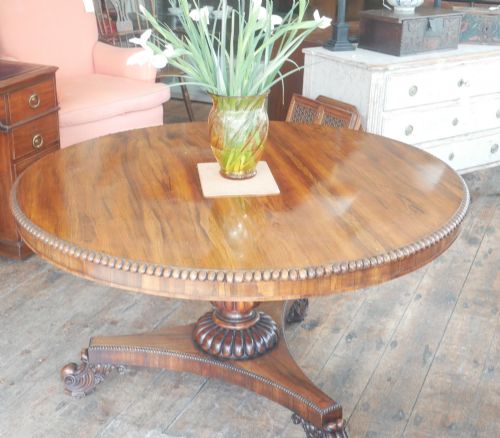
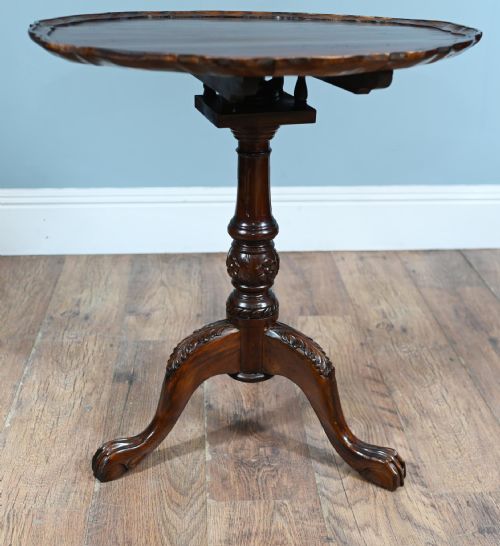



Carved Edge Mahogany Table
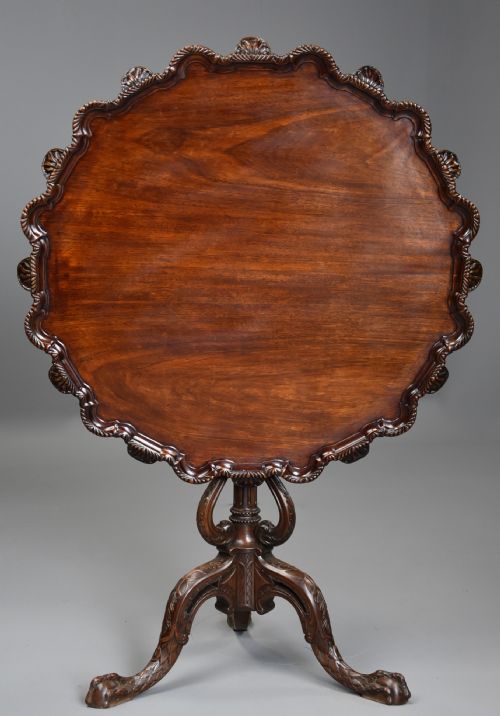
A carved edge mahogany table brings together rich timber and sharp chisel work, making it a focal point for any traditional room.
Carved Edge Mahogany Table
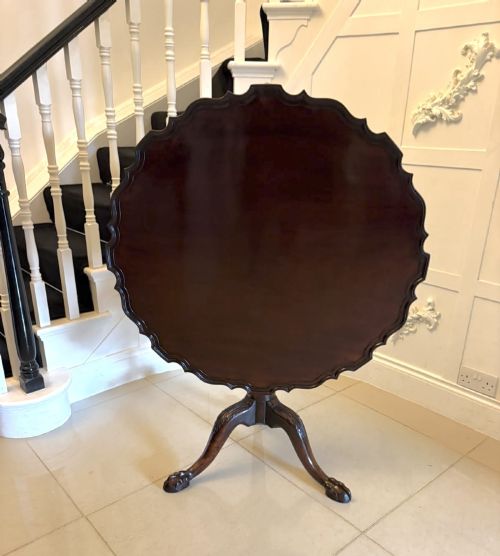
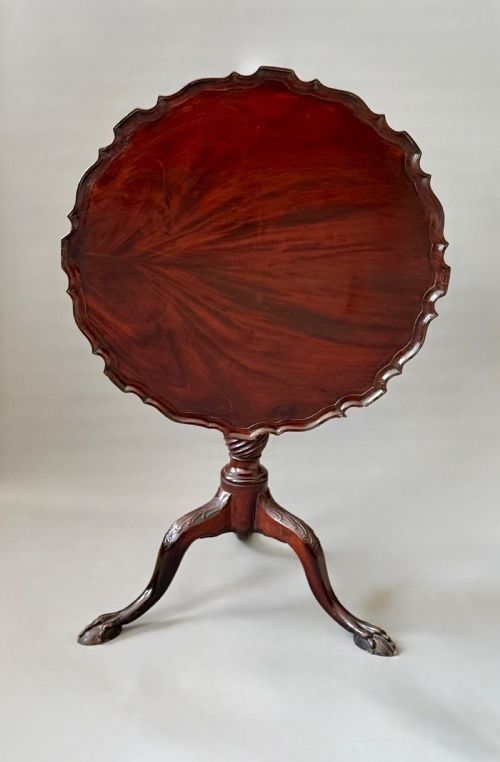
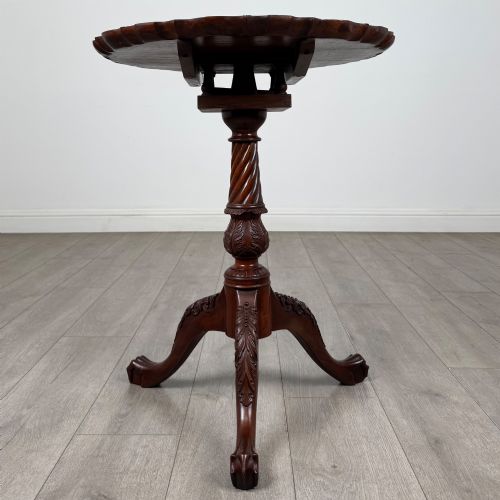
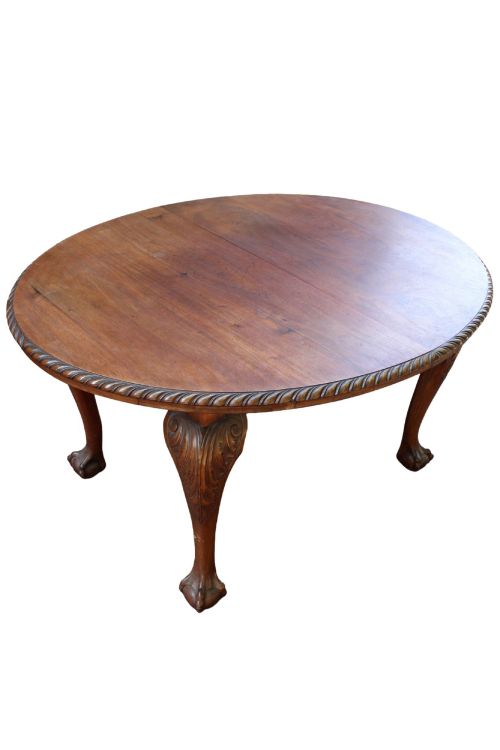
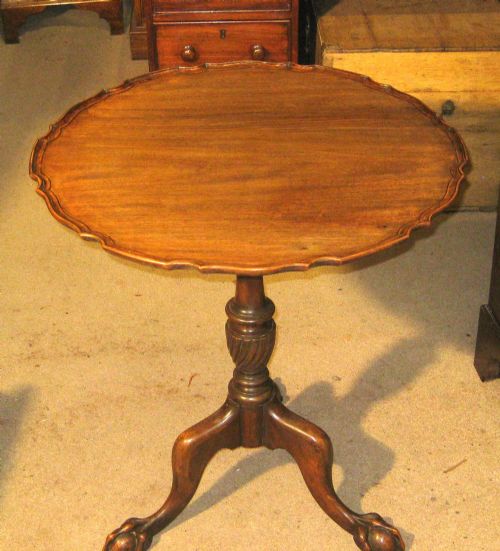
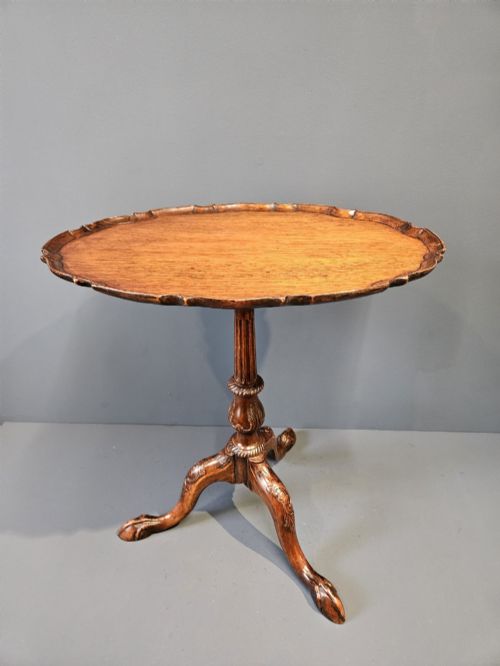
The most common version met on this page is the tilt top table, often featuring a pie crust edge and a tripod base. These pieces originate predominantly from the Georgian, Victorian, and Edwardian periods, alongside later revivals of earlier styles.
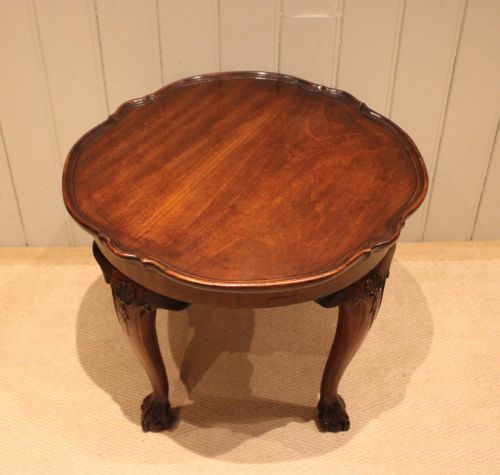
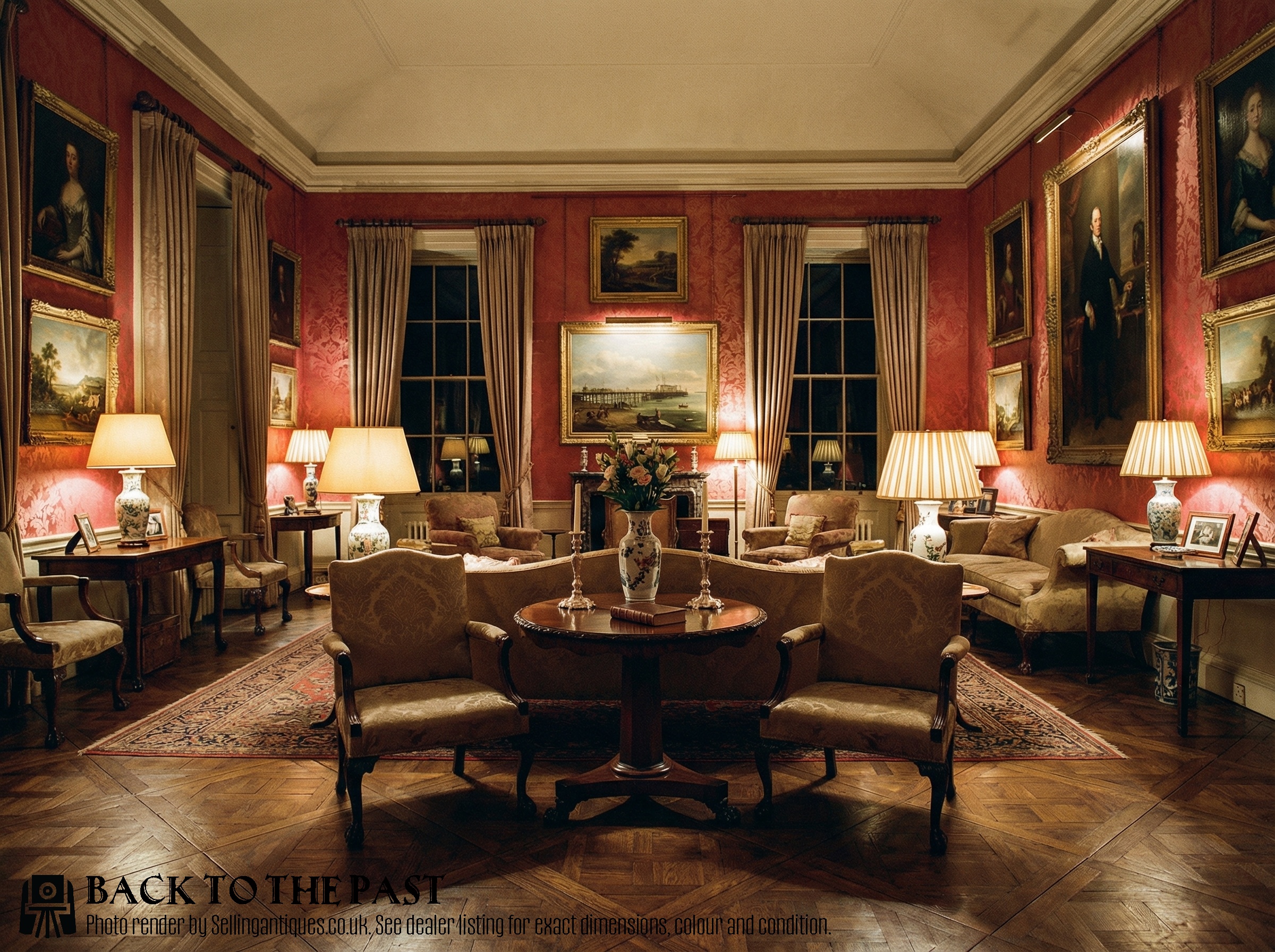
Alongside small occasional tables, the inventory includes coffee tables, sofa tables, and plant stands. Each type utilises the rich reddish-brown tones of timber to anchor a room's interior scheme.
How they were made
Cabinet makers constructed these tables primarily from solid mahogany and timber, frequently incorporating brass fittings and leather inserts on specialised writing or tea surfaces. Wood inlay appears on select examples to add decorative contrast.
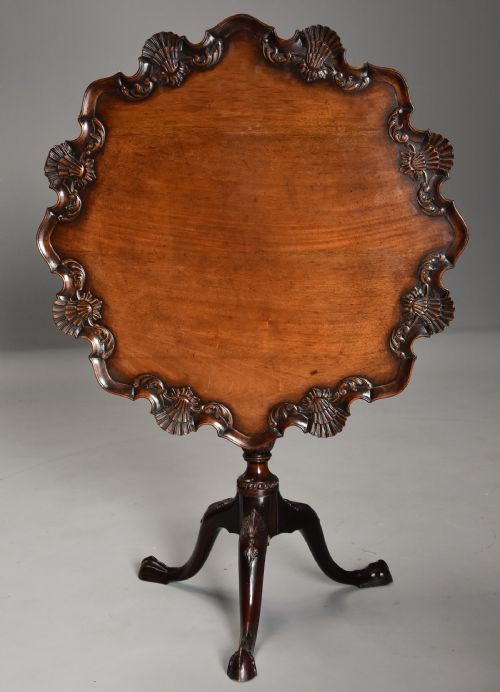
The characteristic carved edge, commonly shaped into a pie crust design, required precise hand chiselling along the perimeter of the timber top. Many tripod variants incorporated a birdcage mechanism, allowing the table top to pivot and tilt when not in use.
Listings span from the 18th century through the Edwardian era, featuring mahogany, brass, leather, and rosewood across multiple table forms.
What varies in quality
Quality in these tables rests on the crispness of the carved edge and the proportion of the tripod base or pedestal. Superior examples display deep, sharp relief work on the pie crust moulding rather than soft or shallow definition.
The choice of timber grain and the integrity of joints, particularly on birdcage mechanisms and tilt actions, distinguish finer workshop production from standard utility items. Maker attribution, such as work attributed to Gillows, further elevates the standing of a piece.
Shapland and Petter·Gillows·S and H Jewell London
The Carved Edge Mahogany Table Glossary
- Pie crust edge
- A raised, decoratively carved rim shaped in undulating curves, typically found on tea and wine tables. This moulding prevented items from sliding off the surface.
- Tilt top table
- A table featuring a hinged top that can be pivoted vertically to save space when not in use. It is frequently mounted on a central pillar with tripod legs.
- Birdcage mechanism
- A box-like wooden assembly beneath the table top that permits both rotation and tilting. This complex joinery denotes higher grade construction.
- Tripod table
- A piece supported by three legs radiating from a central pillar. This configuration ensured stability on uneven floors.
- Chippendale style
- A design idiom characterised by Rococo influences, carved cabriole legs, and claw and ball feet. It draws inspiration from the 18th-century cabinet maker Thomas Chippendale.
Carved Edge Mahogany Table: Frequently Asked Questions
What is a tilt top table used for?
These tables served primarily for tea service or dining, allowing users to clear floor space quickly by tipping the surface upright against a wall.
In modern interiors, they function effectively as accent tables or decorative display surfaces that showcase timber grain.
What is a birdcage mechanism?
The birdcage is a small wooden frame beneath the table top that connects the surface to the central pillar.
It allows the table to both rotate horizontally and tilt vertically, a feature typical of better quality tripod tables.
How do I date an antique mahogany table?
Dating relies on examining the construction methods, timber characteristics, and stylistic traits such as Chippendale carving or Regency pedestals.
Reference to cabinet maker labels or established workshop traits also helps narrow the period of manufacture.