
Carved Cresting Wall Glass
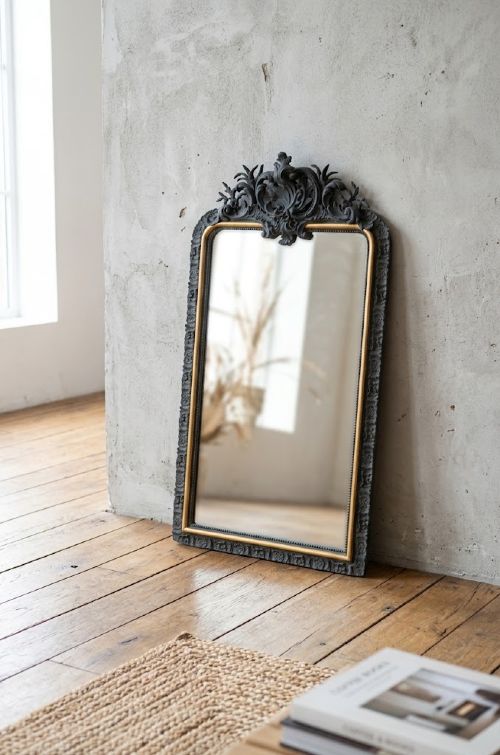
Carved cresting wall glass brings historical grandeur into a room, featuring elaborate wooden frames and reflective plates from past centuries.
Carved Cresting Wall Glass
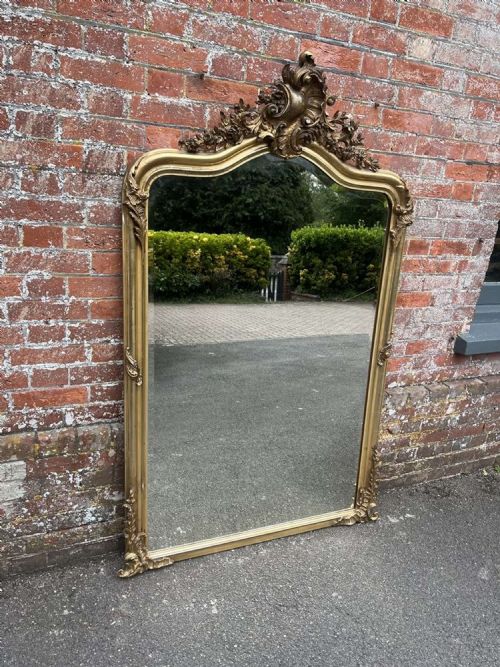
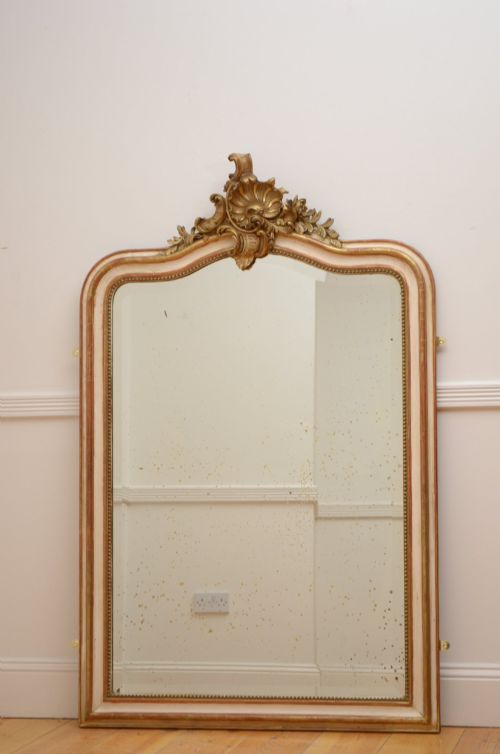
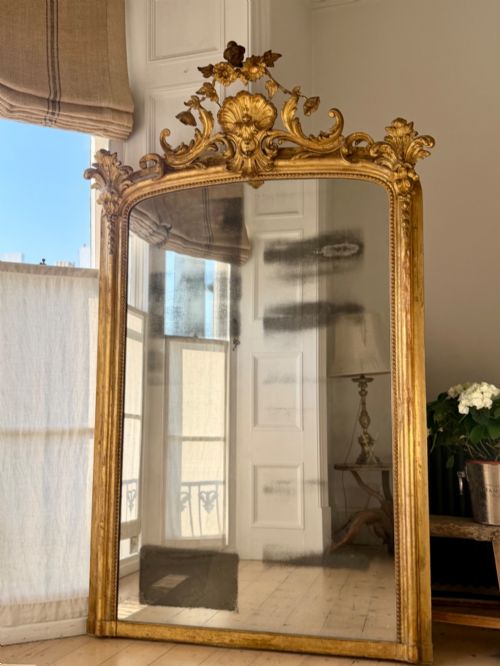
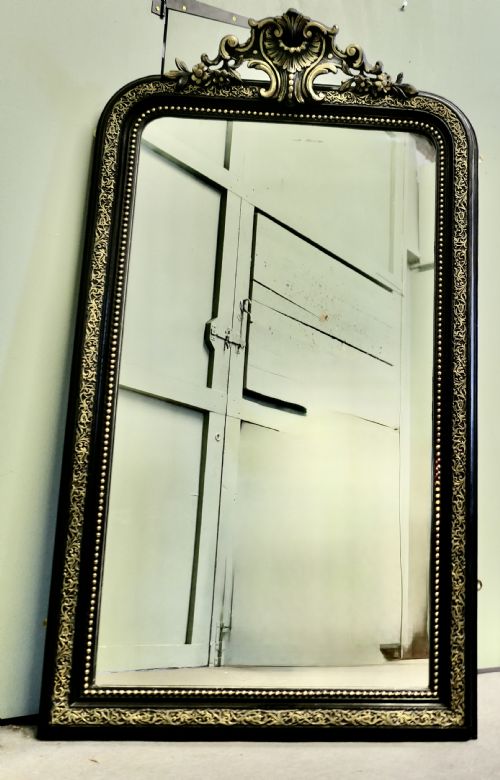
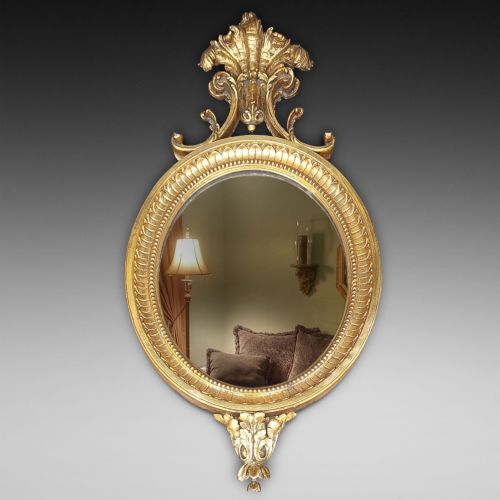
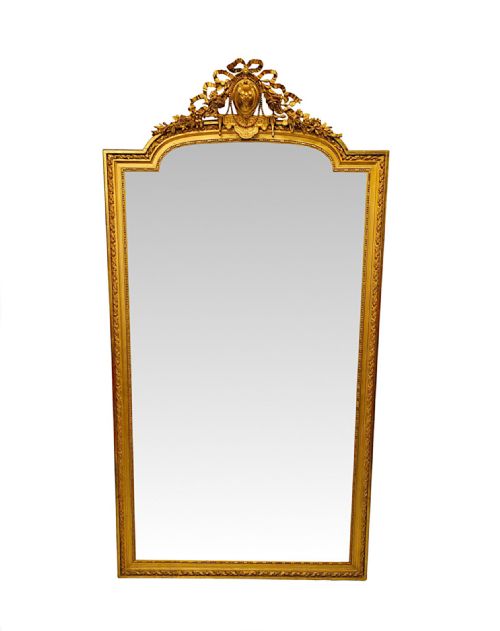
A carved cresting wall glass serves as an architectural focal point in a room, combining decorative woodwork with a reflective plate. These pieces function primarily as wall mirrors, overmantel mirrors, and pier mirrors designed to enhance light and space.
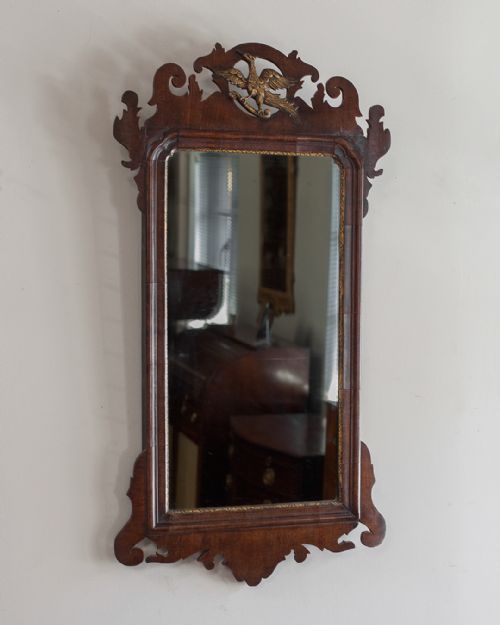
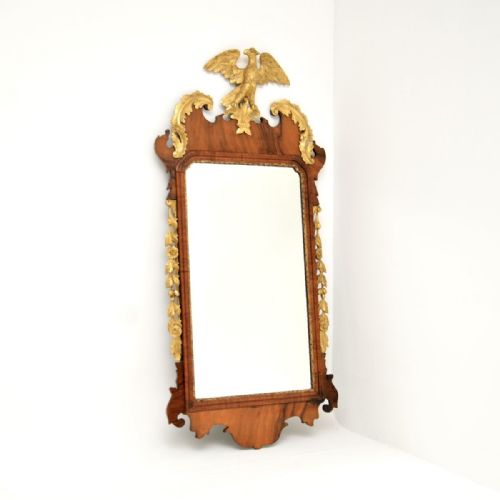
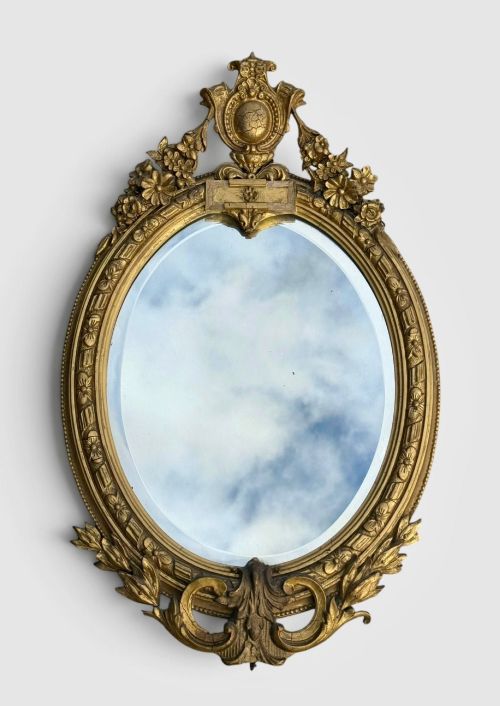
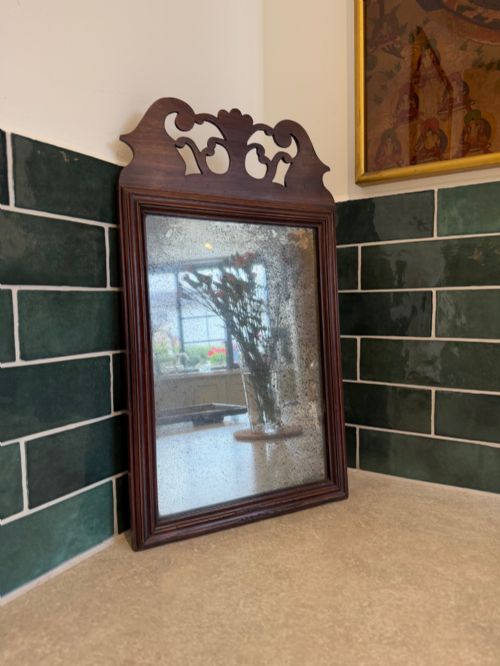
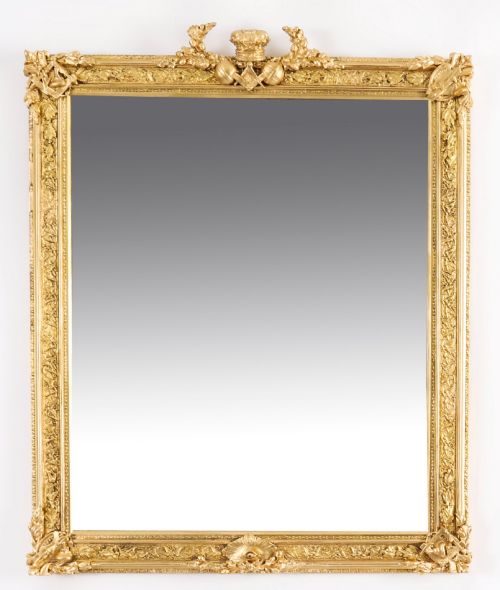
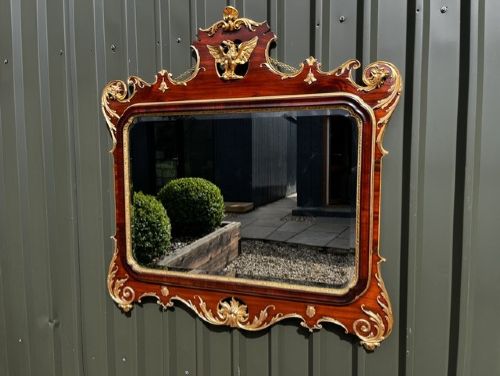
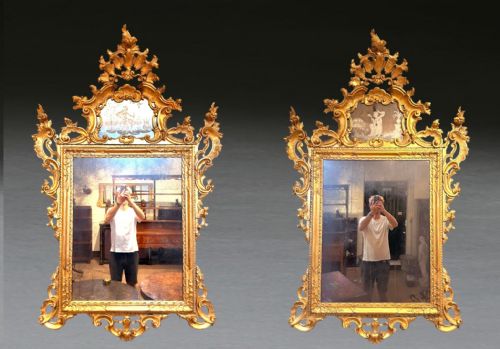
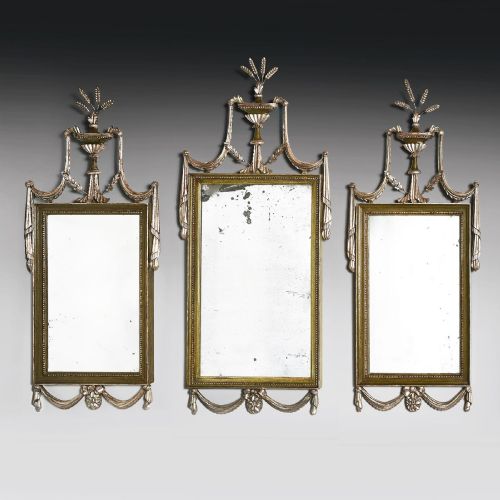
The selections span the 18th century, Georgian period, and various 19th-century movements including Victorian and Napoleon III. Mahogany fretwork frames and ornate giltwood designs dominate the forms encountered on this page.
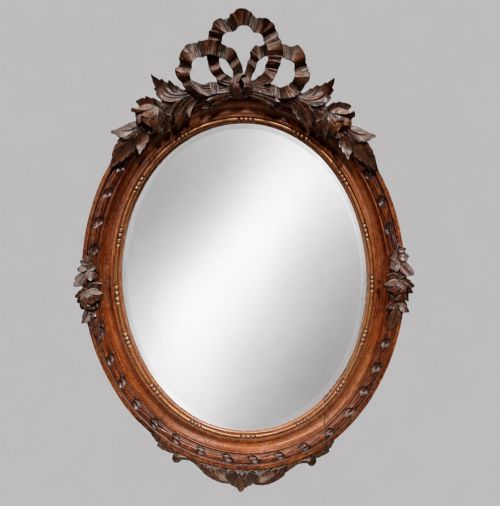
Origin influences appearance significantly, with English Georgian mahogany pieces contrasting against elaborate French and Italian giltwood creations. Buyers encounter everything from tall pier mirrors to compact oval wall mirrors.
How They Were Made
Carved wood and gesso form the structural base of gilded examples, allowing artisans to shape intricate ornamentation before applying gold leaf or paint. Mahogany and walnut serve as the primary timber choices for unpainted or parcel-gilt frames.
Mirror glass plates range from early mercury plate to original bevelled glass, showing age through natural foxing. Craftsmen utilised traditional joinery and fretwork techniques to construct delicate outlines and robust structural supports.
Secret societies left their mark here, featuring a dedicated Freemasons Masonic giltwood mirror among the standard domestic furnishings.
What Varies In Quality
Depth and crispness of the woodwork define the upper tier of these mirrors, where hand-carved details show precision and artistic intent. Inferior examples rely on simpler mouldings or heavier, less refined gesso applications.
The integrity of the original glass plate and its silvering contributes heavily to the character of the piece. Preservation of the original gilt finish without excessive re-gilding distinguishes better-surviving historical items.
Gillows Of Lancaster
The Carved Cresting Wall Glass Glossary
- Gesso
- A plaster-like mixture applied to wood frames to build up surfaces for fine carving and gilding. Artisans mould this material into elaborate decorative motifs.
- Fretwork
- Ornamental perforated woodwork created by cutting patterns through thin boards. Georgian mahogany mirrors frequently utilise this technique in their frames.
- Mercury Plate
- An older style of mirror glass manufactured using a tin and mercury amalgam. This type produces a characteristic mottled appearance known as foxing over time.
- Pier Mirror
- A tall mirror designed specifically to hang on the wall space between windows. These tall vertical forms often sit above console tables or piers.
Carved Cresting Wall Glass: Frequently Asked Questions
How do I hang a heavy overmantel mirror safely?
Heavy overmantel mirrors require secure wall fixings into masonry or timber studs to bear the substantial weight of the wood and glass.
Professional mirror hangers utilise heavy-duty brackets attached to the frame structure rather than relying solely on decorative hanging loops.
What is the difference between a pier mirror and a wall mirror?
Pier mirrors are traditionally tall and narrow, specifically designed to fit the wall space between two windows in a formal room.
Standard wall mirrors come in diverse proportions including oval, rectangular, and shaped top designs suited for general placement.
Why does old mirror glass look dark or spotted?
Older mercury plates and early silvering degrade over decades when moisture seeps behind the glass, causing chemical oxidation known as foxing.
This dark mottling provides a reliable indicator of age and remains a valued characteristic among historical mirror collectors.