



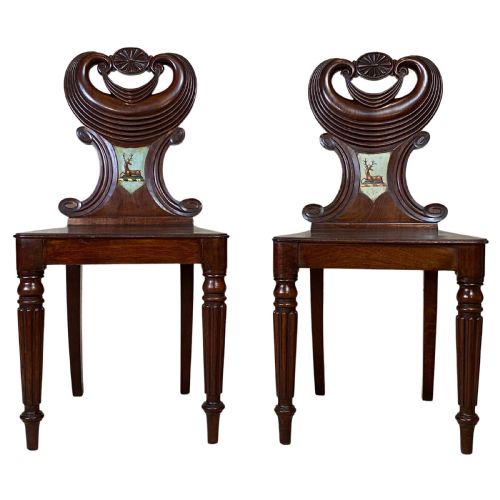
Carved Cresting Back Chairs
Carved cresting back chairs bring substantial timber work and heraldic presence to a room, offering distinct historical character alongside practical seating.
Carved Cresting Back Chairs
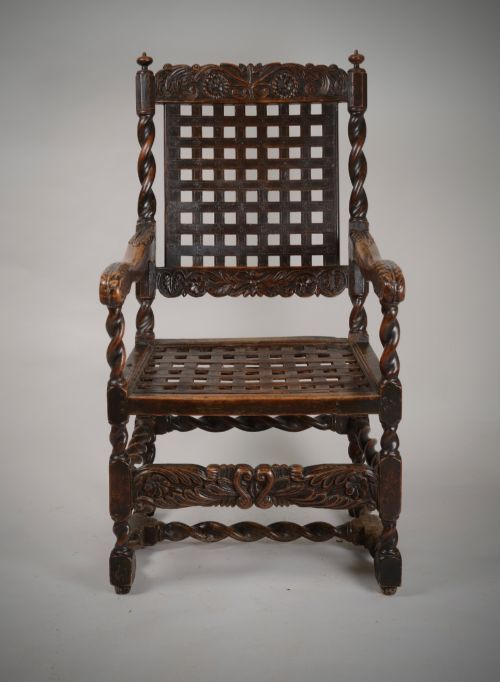
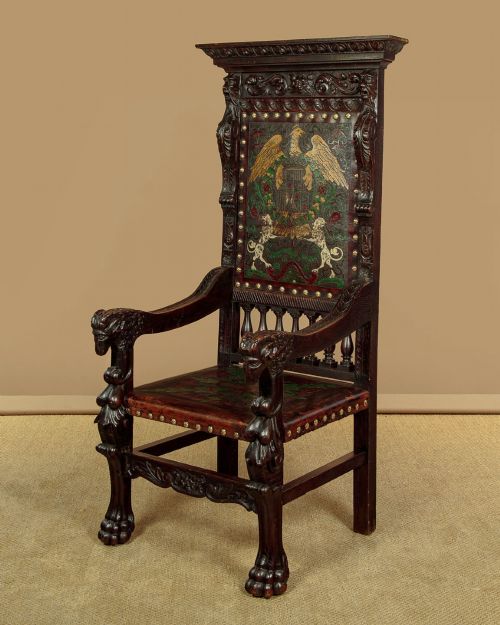
When you search for carved cresting back chairs, you encounter seating featuring elaborate woodwork along the upper rail, spanning multiple centuries from seventeenth-century joined examples to twentieth-century revivals.
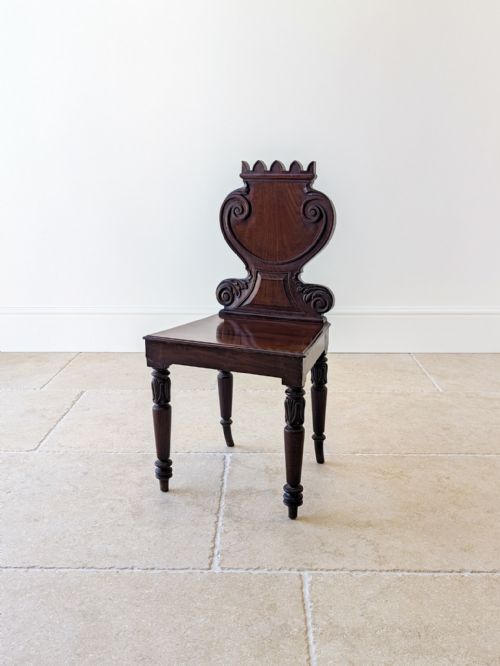
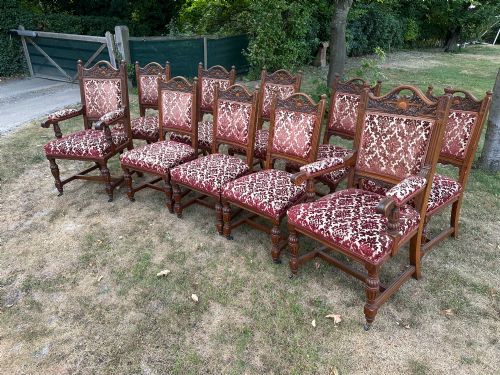
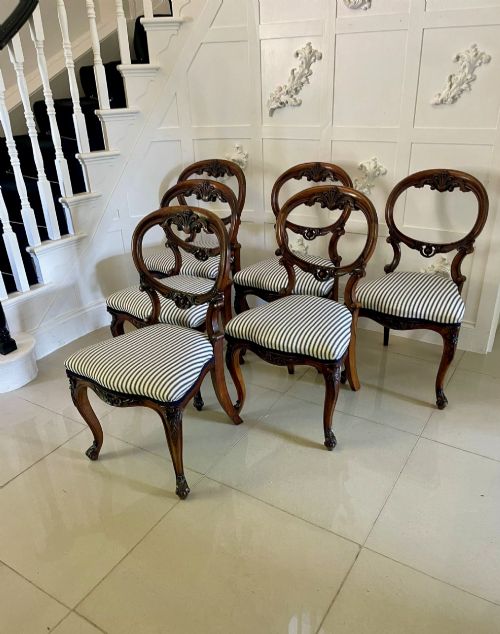
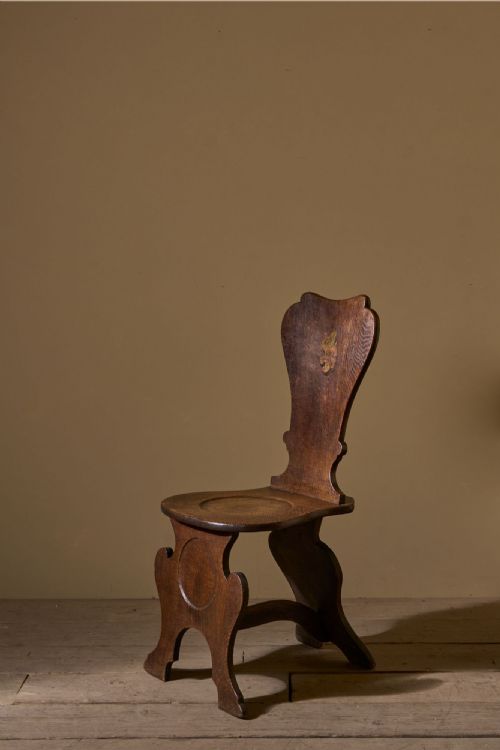
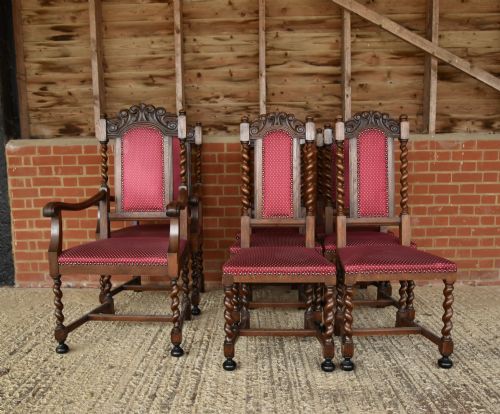
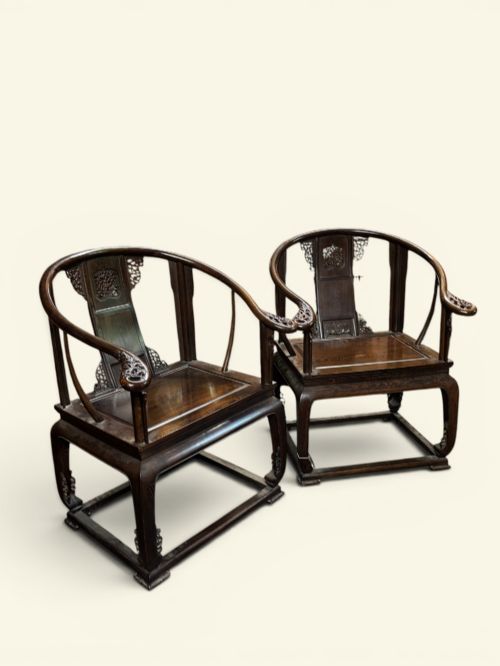
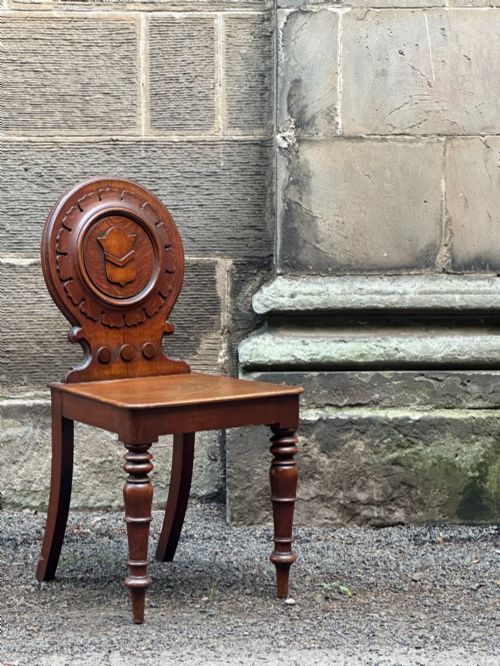
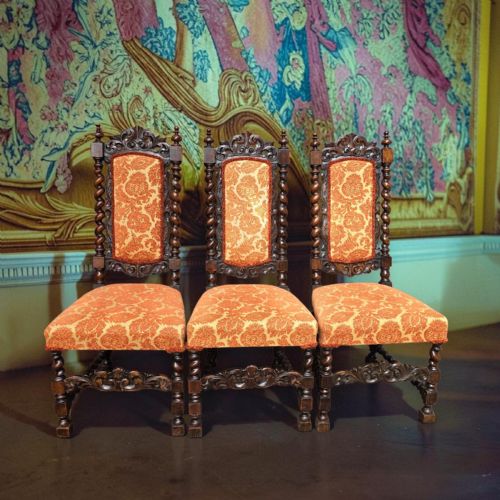
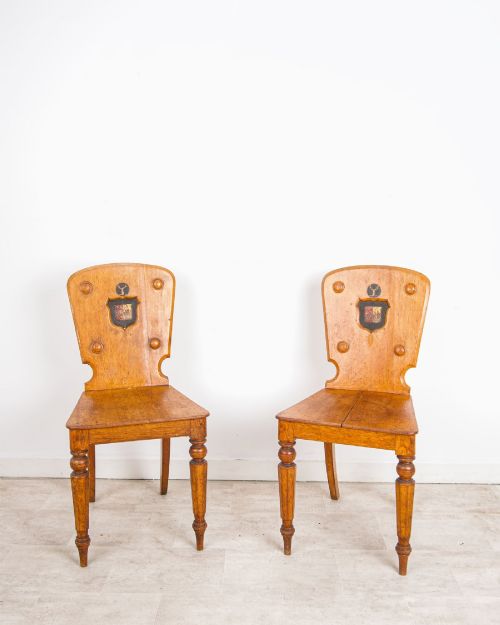
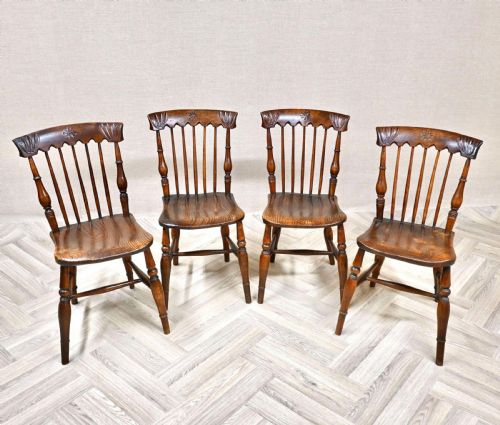
The pieces appearing on this page encompass various forms including sturdy oak hall chairs with shield backs, walnut armchairs with high backs, and matched dining sets in mahogany.
Origins range from English country workshops to formal metropolitan rooms, utilising timber construction that emphasises structural framing and ornamental crests.
What varies in quality
The depth and crispness of the carving along the upper rail define the visual standard, distinguishing sharply rendered motifs from softer, more generalised work.
Timber selection and the integrity of historical joints determine structural longevity, separating pieces that retain original timber framing from those with extensive later replacements.
The listings span seventeenth-century joined oak wainscot pieces through to twentieth-century revival dining sets in mahogany and walnut.
Gillows·Waring and Gillow
The Carved Cresting Back Chairs Glossary
- Cresting
- The ornamental top rail of a chair back. This carved section often displays coats of arms, scrolls, or foliage.
- Hall Chair
- A rigid wooden seat traditionally placed in entrance halls. These pieces frequently feature painted or carved armorial shields.
- Wainscot Chair
- An early wooden armchair constructed from joined panels. They typically display solid timber backs and heavy proportions.
- Barley Twist
- A turned wooden structural component resembling a helix. This technique appears frequently on seventeenth-century and revival dining chairs.
Carved Cresting Back Chairs: Frequently Asked Questions
Where were carved cresting back chairs used?
These chairs originally served in grand entrance halls, dining rooms, and libraries where status and lineage were displayed.
Today, individual hall chairs function well in hallways or as accent pieces, while matched sets suit formal dining spaces.
How do I identify a seventeenth-century piece?
Early examples utilise joined oak construction with pegged mortise and tenon joints rather than modern fixings. Their surfaces show heavy grain patterns and traditional hand-tool marks.
Later revivals from the nineteenth and twentieth centuries often mimic these forms but employ different assembly methods and lighter timber conditioning.
What is an armorial shield back?
An armorial shield back incorporates carved family crests or heraldic symbols directly into the wooden cresting or back panel. These designs originated to denote lineage and family alliances.
Such chairs were frequently commissioned in pairs or sets for prominent British homes.
How should I care for antique timber chairs?
Maintain stable indoor humidity levels to prevent the solid oak, walnut, or mahogany from splitting or warping over time. Apply traditional wax polish sparingly to nourish the dry wood grain without building up heavy residues.
Avoid placing these seats near direct heat sources or strong sunlight.