






Carved Column Chest
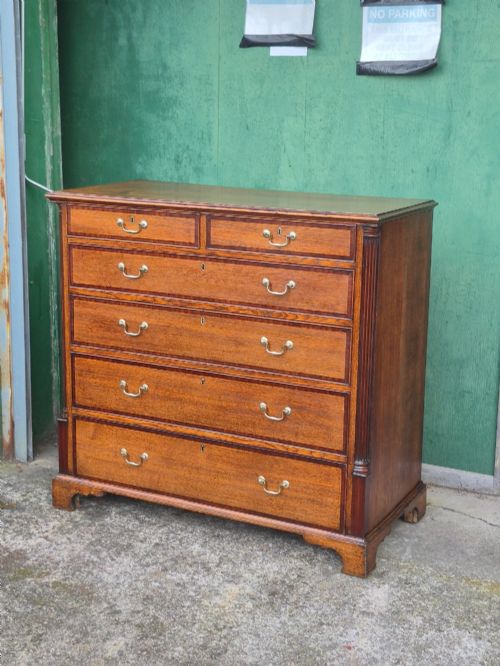
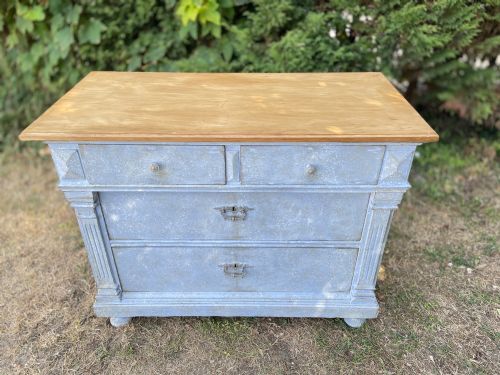
These carved column chest examples bring architectural weight and rich timber grain to an interior, making them a sturdy centrepiece for storage.
Carved Column Chest
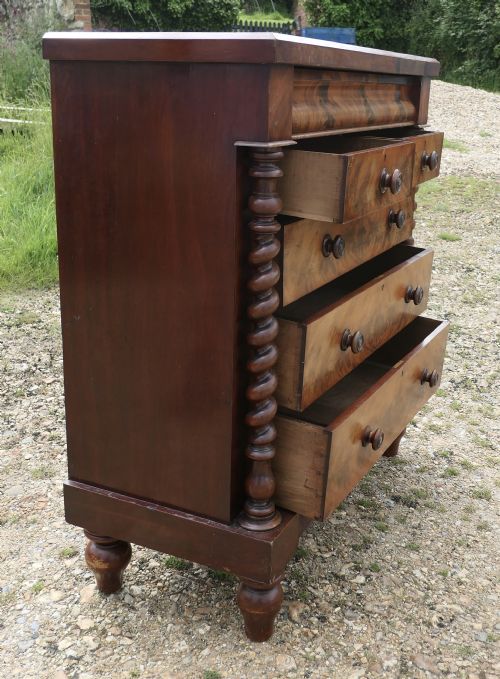
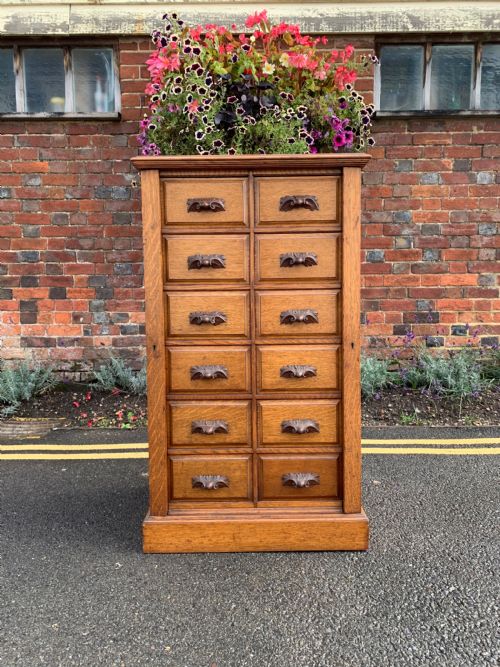
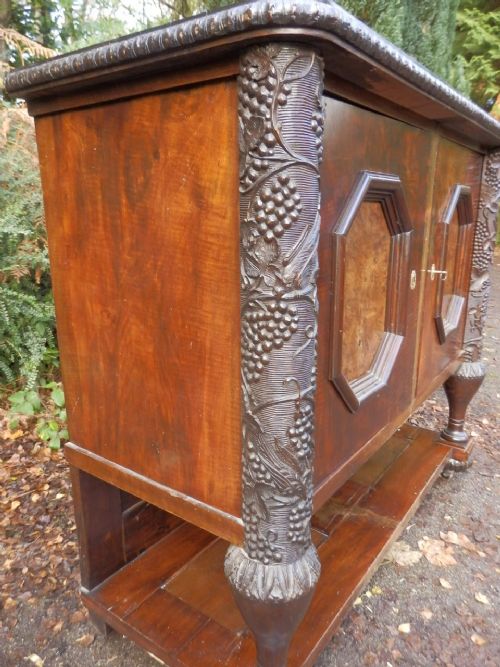
A carved column chest combines practical drawer storage with classical architectural detailing, often featuring pilasters or turned columns flanking the drawer stack. When searching for a carved column chest, buyers frequently encounter regional variations such as Scotch chests and Wellington chests from the nineteenth century.
The form appears across several periods in the evidence, spanning Georgian, Regency, and Victorian eras, alongside continental interpretations. Mahogany, oak, and walnut form the primary timber choices for these robust pieces.
Materials and construction
Cabinet makers utilised dense hardwoods including mahogany, oak, and walnut, frequently applying flame mahogany veneer or burr walnut to drawer fronts for visual depth. Structural integrity relies on traditional joinery methods suited to heavy timber drawer banks.
Surface enhancement often included marble tops or polished brass hardware, while architectural columns were hand-turned and applied to the main carcase to frame the drawers.
Carved Column Chest Retail Price Guide 2026
Typical asking prices for carved column chest among the pieces listed under this phrase on Sellingantiques today, from the lower quarter to the upper quarter. They describe what is for sale here now, not the wider market.
Several items include secret locking pilasters, proving that nineteenth-century socks required maximum security against cunning intruders.
Assessing quality and execution
Superior examples demonstrate precision in the carving of the columns and the careful matching of timber veneers across the drawer fronts. Finer pieces maintain crisp architectural lines and solid secondary woods throughout the drawer linings and carcase construction.
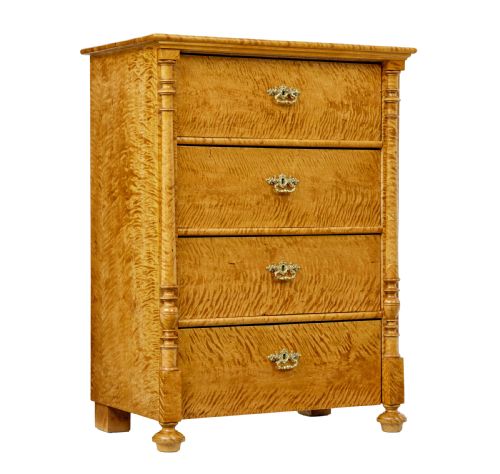
Proportion and surface finish distinguish standard utilitarian storage from pieces executed with decorative ambition, particularly where exotic timbers like tiger birch or gonçalo-alvez are employed.
The Carved Column Chest Glossary
- Scotch chest
- A substantial chest of drawers originating from Scotland, often characterised by a deep top drawer over multiple lower drawers and bold mahogany or walnut veneers. These pieces frequently incorporate column or pilaster motifs.
- Flame mahogany veneer
- Timber sliced to reveal a flickering, undulating grain pattern resembling flames, applied to primary display surfaces. Cabinet makers selected these veneers for their decorative impact on drawer fronts.
- Pilaster
- A rectangular column projecting slightly from a wall or carcase side, used in classical furniture design to frame sections of cabinetry. They add architectural rhythm to the front elevation of a chest.
Carved Column Chest: Frequently Asked Questions
What is a Wellington chest?
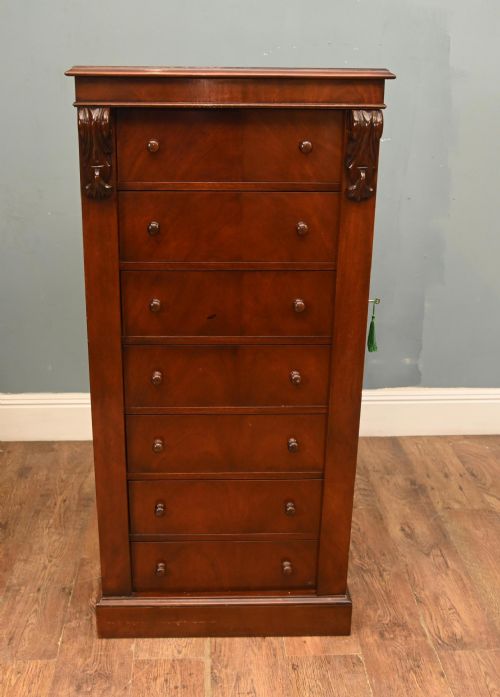
A Wellington chest is a tall and narrow set of drawers distinguished by a hinged locking side flap that secures the entire stack.
This locking mechanism allowed owners to protect valuable contents securely in domestic settings.
How do I identify a Scotch chest?
Scotch chests are identified by their large proportions and a deep cushion-moulded top drawer positioned above standard drawer configurations.
They often utilise rich mahogany or walnut veneers and sturdy column supports.
Which timbers were used most often?
Cabinet makers predominantly utilised mahogany, oak, and walnut for the primary structure of these substantial storage pieces.
More decorative examples incorporate flame mahogany veneer, burr walnut, or tiger birch.
Where should I place this chest?
These chests function effectively as principal storage units in bedrooms or as architectural focal points in living spaces.
Their substantial timber presence complements traditional and period interiors alike.