
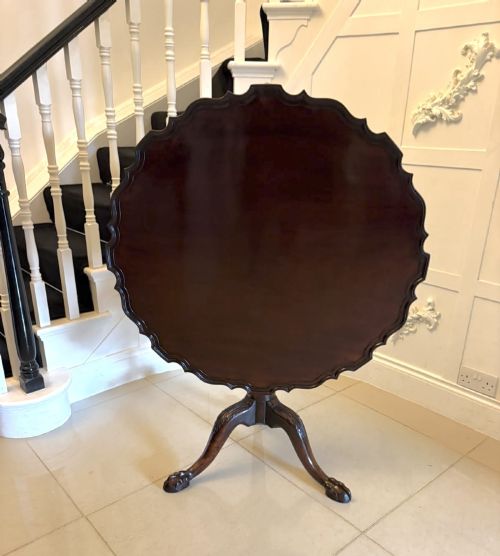
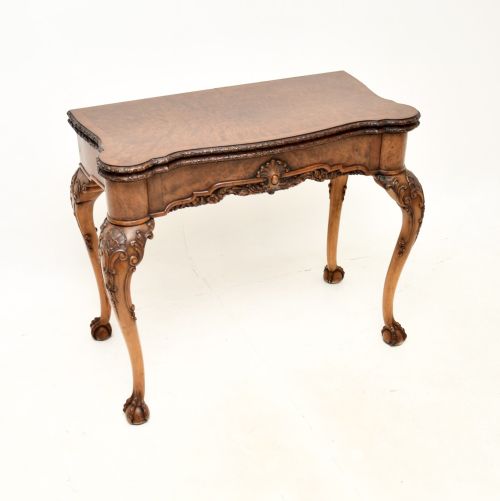
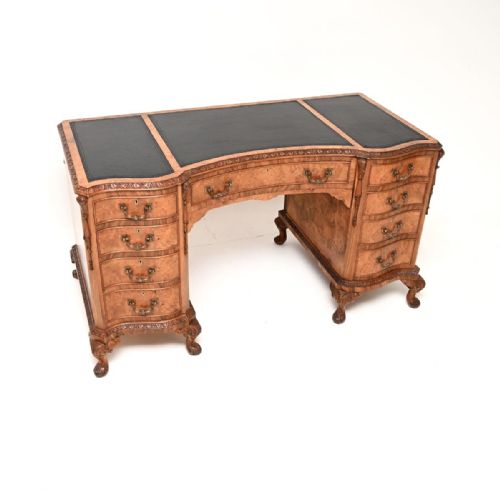
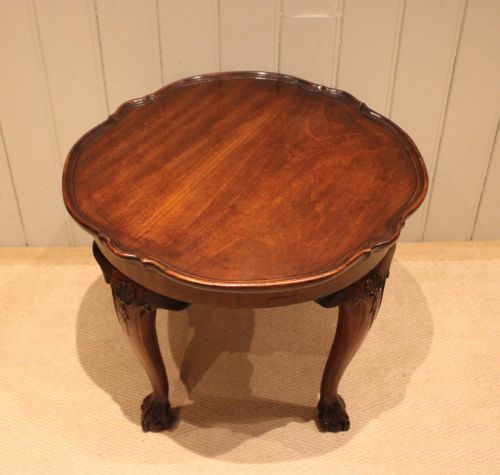
Carved Claw Ball Table
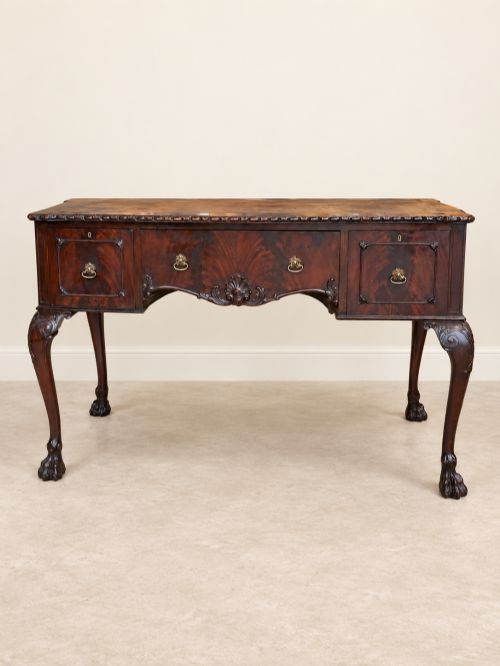
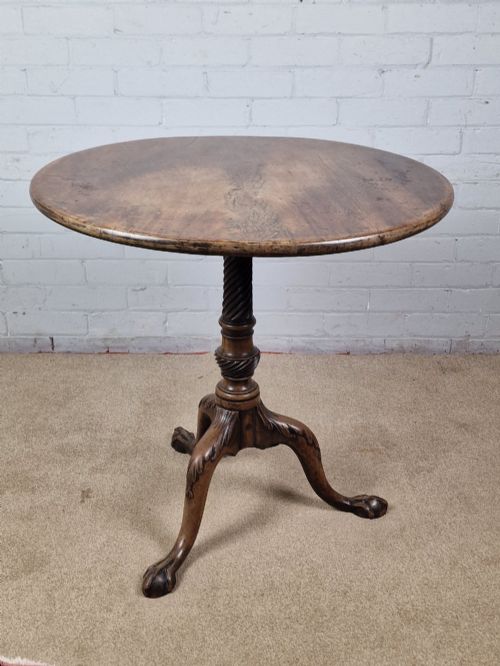
A carved claw ball table brings substance to a room, grounding its space with substantial timber and distinct animalistic supports.
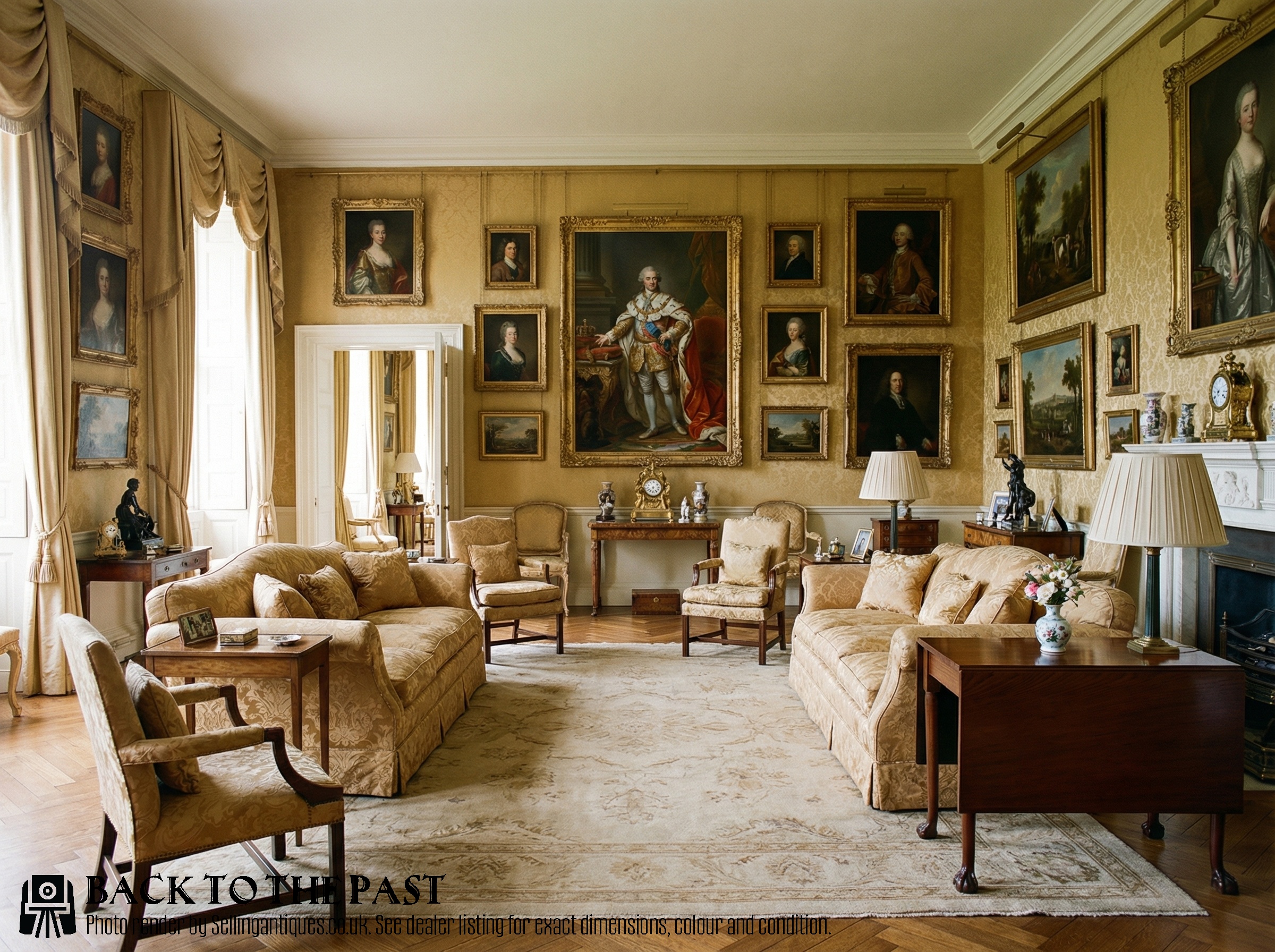
Carved Claw Ball Table
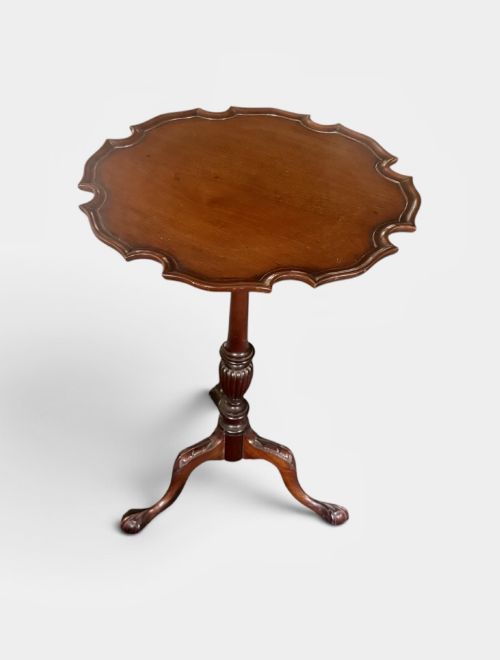
A carved claw ball table centres on the distinctive grip of a taloned foot grasping a sphere, an enduring motif seen across various periods.
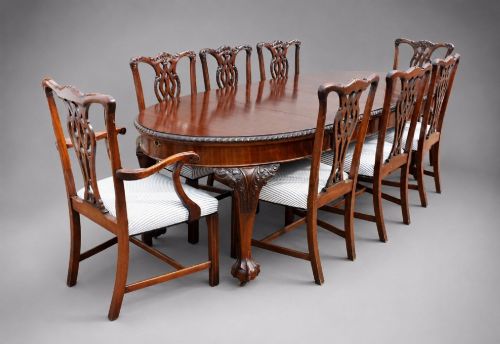
The selections span from 18th-century pieces to 20th-century revivals, taking forms such as occasional tables, card tables, and dining tables.
Mahogany and walnut predominate the materials, appearing alongside oak, burr walnut, and marble tops within the listed items.
Materials and construction
Cabinetmakers utilised dense hardwoods like mahogany and walnut, allowing artisans to carve intricate details directly into the solid timber or legs.
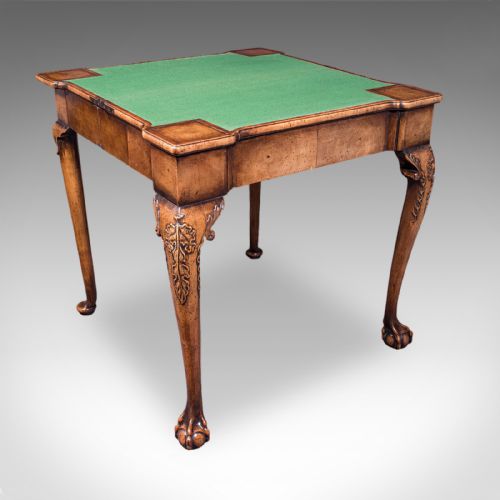
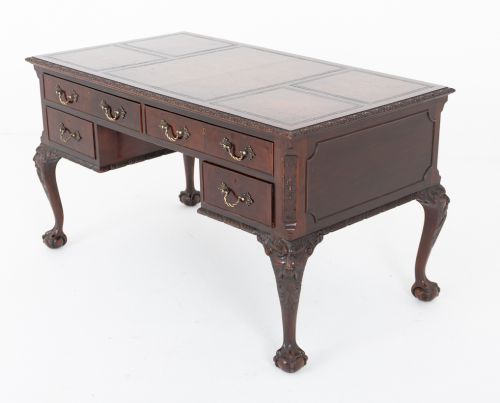
Surfaces frequently incorporate leather or baize inserts on writing and card tables, whilst specialised pivoting mechanisms permit tilt-top and concertina actions.
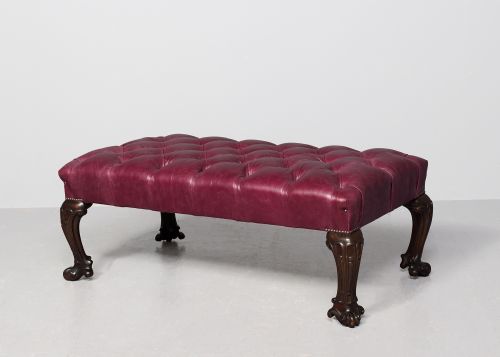
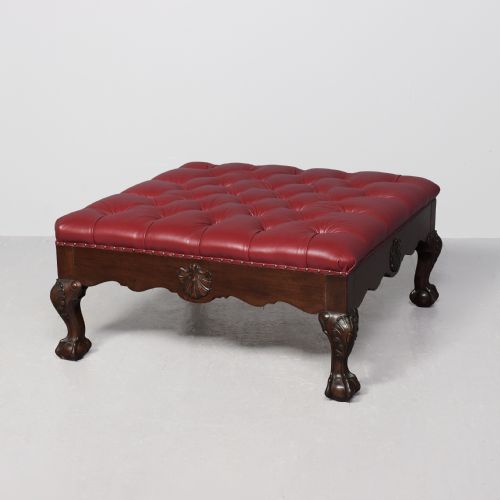
Footstools in the collection come upholstered in red and burgundy hide, offering a place to rest feet beneath the same carved claw motif.
Distinguishing quality
The crispness of the hand-carved talon details defines the upper tier of pieces, contrasting with softer, less defined moulding found in simpler workshop output.
The choice of timber grain, such as figured or burr walnut and flame mahogany, elevates the visual depth of the primary surfaces.
James Shoolbred and Co·Maple and Co·Giles Grendey·Gillows
The Carved Claw Ball Table Glossary
- Ball and claw foot
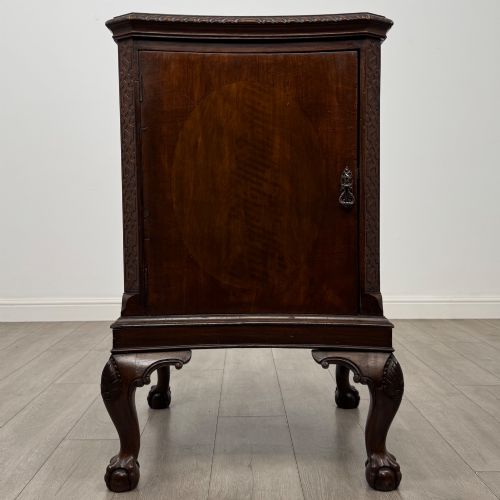
- A furniture foot depicting a bird's talon or animal paw clutching a spherical ball. This motif draws on classical Chinese design before reaching British cabinetmaking.
- Tilt top
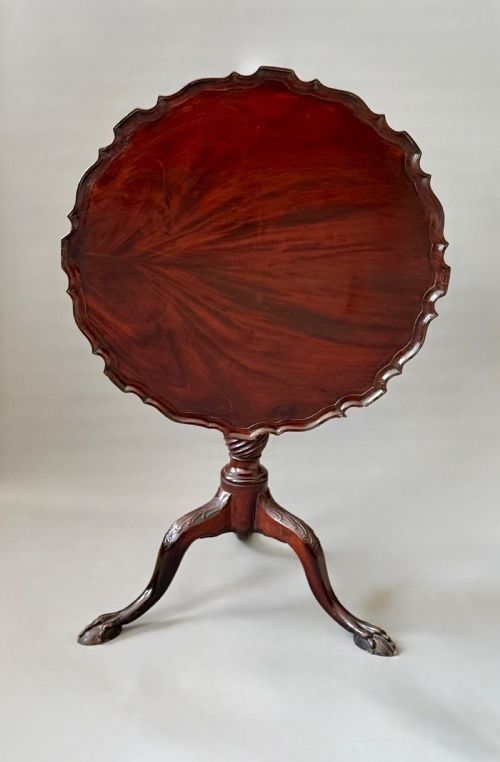
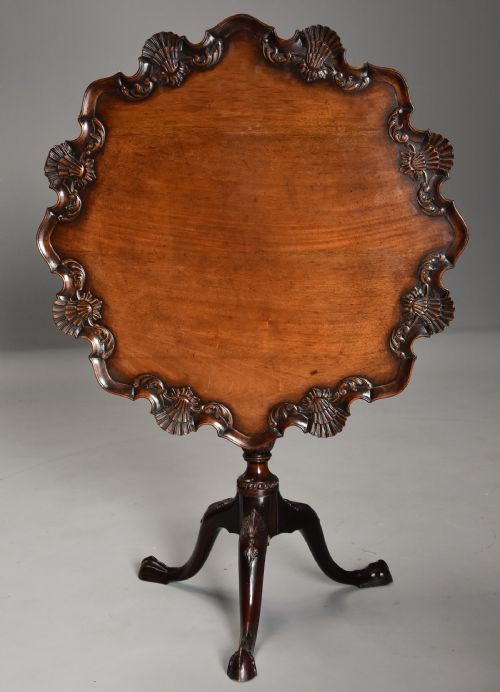
- A table top hinged to fold flat against the pedestal when not in use. This mechanism saved valuable floor space in historical rooms.
- Concertina action
- An expanding frame mechanism that opens accordion-style to support a fold-over table leaf. It allows a console table to transform into a card table.
- Pie crust rim
- A raised, scalloped tabletop edge carved in undulating curves resembling pastry work. It appears frequently on tripod tea tables.
- Pedestal desk
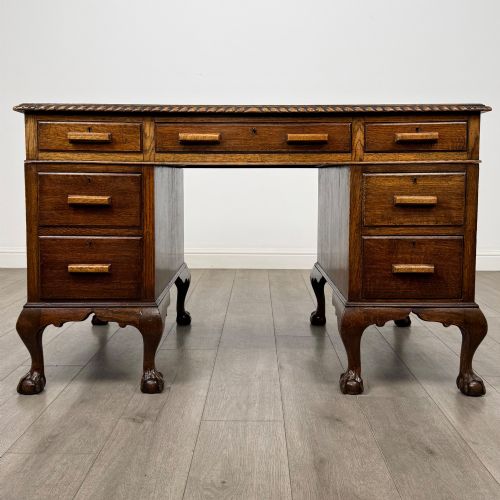
- A heavy writing table comprising two separate stacks of drawers supporting a single top. They often feature inset leather writing surfaces.
Carved Claw Ball Table: Frequently Asked Questions
What rooms suit a claw ball table?
These tables find a natural home in libraries, studies, and formal reception rooms where their heavy timber construction anchors the surrounding seating and architectural details.
Smaller occasional versions adapt easily beside armchairs or sofas to hold lamps and reading materials without dominating the floor plan.
How do I care for the wood surface?
Maintenance requires regular dusting with a soft, dry cloth and occasional application of traditional beeswax to nourish the timber grain. Avoid placing solid wood pieces near direct heat sources or strong sunlight to prevent the timber from splitting.
Leather and baize writing surfaces need separate attention, remaining dry and away from moisture to preserve their texture.
How do I date a carved table?
Dating relies upon examining the timber species, construction joints, and overall style cues such as Chippendale or Queen Anne revival influences. Earlier 18th-century examples show hand-cut joinery and native timbers, while later revival pieces from the Victorian and Edwardian eras utilise standardised manufacturing methods.
Secondary woods inside drawers and structural framing often provide the clearest indication of an item's true age.
Why do some tables fold over?
Fold-over designs served dual functions in historical homes, operating as console or side tables against a wall before opening into card or dining surfaces for evening gatherings. This space-saving adaptability was essential for entertaining guests in domestic interiors.
The hinged leaves are supported by swing legs or concertina frames when extended.