



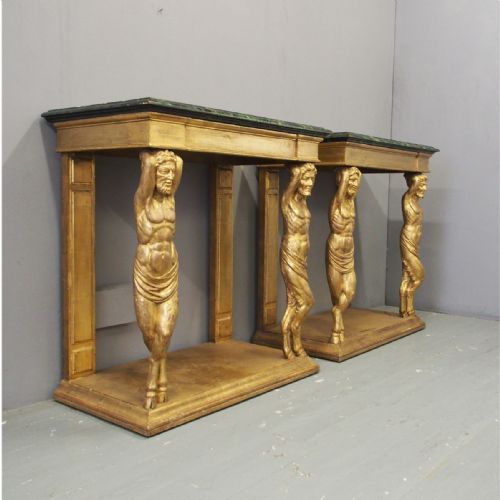


Carved Caryatid Table
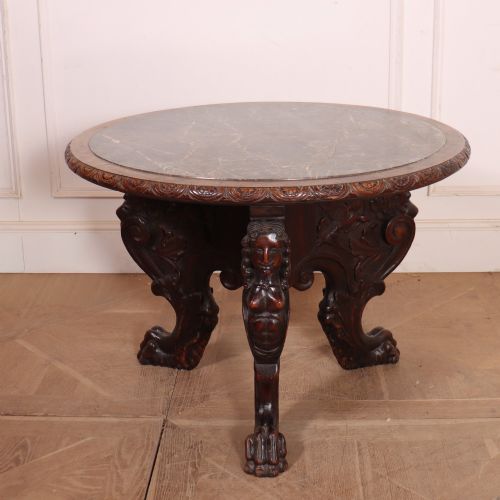
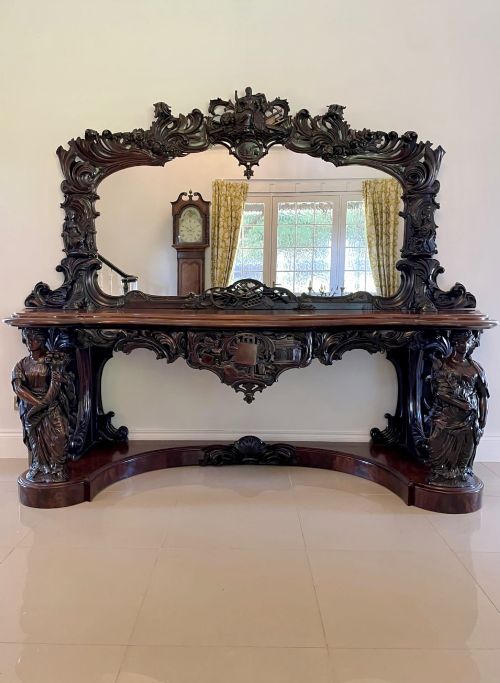
A carved caryatid table brings sculptural architecture straight into the room, supporting a heavy marble or wood top with carved human figures.
Carved Caryatid Table
When you search for a carved caryatid table, you encounter furniture where structural supports take the form of sculpted human figures rather than plain legs or columns. These pieces appear across several eras, with nineteenth-century examples and Italian Renaissance Revival designs frequently appearing.
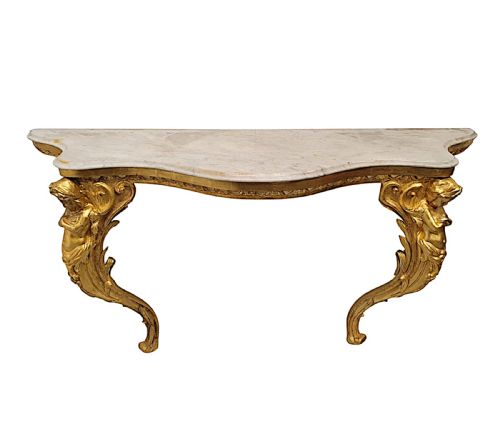
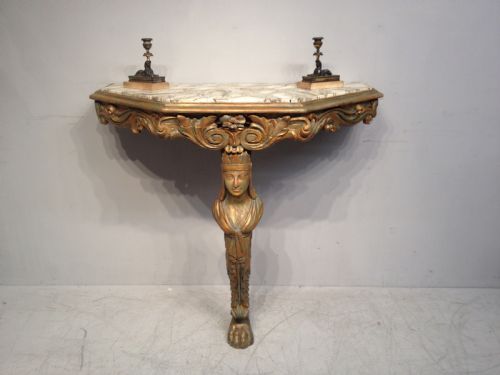
Console tables and side tables dominate the forms, often featuring heavy marble tops supported by giltwood or mahogany figures. Alongside larger tables, smaller lamp tables and occasional tables utilise the same figurative supports.
The aesthetic draws heavily on classical antiquity, filtered through Victorian, Neoclassical, and seventeenth-century revivals. Oak, walnut, and giltwood provide the primary structures, sometimes paired with painted surfaces and glass.
Materials and Construction
Carvers shaped solid woods like oak, walnut, and mahogany by hand, creating deep relief and muscular definition in the figurative supports. Giltwood examples received layers of gold leaf over gesso, while other pieces combined painted finishes with parcel gilt highlights.
Tops frequently consist of heavy marble slabs resting directly on the carved underframes, requiring immense load-bearing strength from the caryatid figures. Brass and glass elements occasionally appear in smaller lamp tables and clock cases associated with the wider inventory.
Carved Caryatid Table Retail Price Guide 2026
Typical asking prices for carved caryatid table among the pieces listed under this phrase on Sellingantiques today, from the lower quarter to the upper quarter. They describe what is for sale here now, not the wider market.
Materials across the inventory range from solid oak and walnut to gilded wood, polished marble, and inset glass.
Assessing Quality and Execution
The sharpness and depth of the wood carving dictate the visual impact of the piece, separating shallow mechanical work from deeply undercut, expressive figurative sculpture. Anatomical precision in the caryatids and the crispness of surrounding acanthus or scroll motifs indicate skilled workshop production.
Materials dictate the upper tier, particularly thick marble tops paired with heavy giltwood or finely figured mahogany. Exhibition-quality pieces display superior proportion and elaborate detailing, such as mirror backs or integrated structural bracing.
The Carved Caryatid Table Glossary
- Caryatid
- A sculpted female figure serving as an architectural support in place of a column or pilaster. These figures bear the weight of the table top on their heads or baskets.
- Console table
- A table designed to be fixed against a wall, often supported by ornate brackets or figurative legs rather than four standard posts. They frequently carry heavy marble tops.
- Giltwood
- Wood that has been coated with thin gold leaf or gold dust over a prepared ground. This finish appears frequently on nineteenth-century revival furniture.
- Parcel gilt
- A decorative treatment where only specific portions of an object are gilded, leaving the underlying painted or natural wood visible elsewhere. This technique highlights carved details.
- Pier table
- A table specifically designed to stand against the wall space between two windows, often placed beneath a large mirror. They share many forms with standard console tables.
Carved Caryatid Table: Frequently Asked Questions
What is a caryatid table?
A caryatid table is a piece of furniture that uses sculpted human figures as structural supports instead of standard legs. These figures stand beneath the tabletop, bearing the weight in the manner of architectural columns.
Most examples seen on this page date from the nineteenth century, drawing on Renaissance and Neoclassical revival styles. They function primarily as console tables, side tables, and lamp tables.
Where were these tables placed?
Historically, these tables stood against interior walls in reception rooms, hallways, and grand reception spaces. Console tables frequently anchored the space beneath large wall mirrors or between tall windows.
Smaller versions functioned as lamp tables or occasional tables in high-status rooms. Their heavy marble tops and gilded finishes were designed to catch candle and gas light.
How do I date a carved table?
Dating relies on examining the timber species, carving style, and construction methods used in the frame. Seventeenth-century examples feature dense, dark oak with robust, simple figurative work, whereas nineteenth-century pieces often show finer mahogany or giltwood with eclectic revival influences.
Secondary woods and finishing techniques also provide clear chronological markers. Neoclassical and Victorian revivals each interpret classical motifs differently.
Are the table tops always marble?
Many of the larger console tables feature heavy marble slabs, but timber tops in oak, walnut, and mahogany also occur. Painted and parcel gilt wooden tops appear on various nineteenth-century occasional and pier tables.
The choice of top material typically corresponds to the overall weight and stylistic origin of the base frame.