

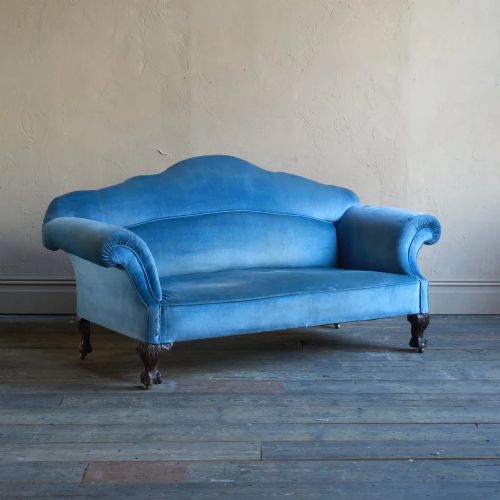
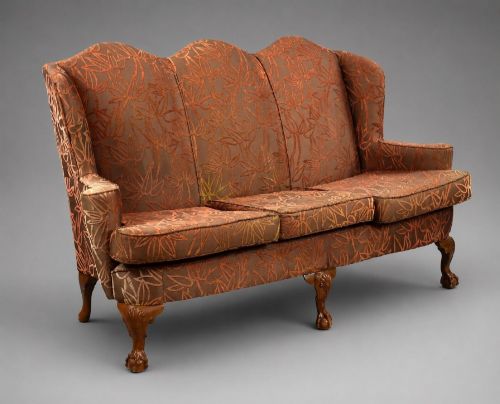
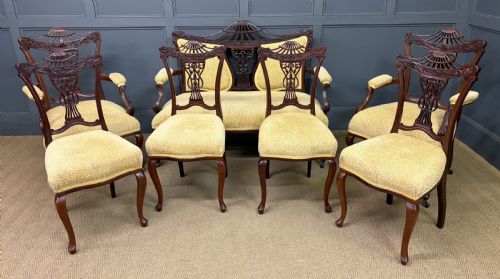
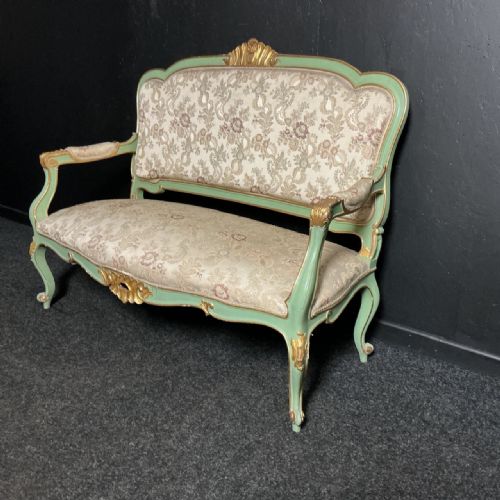
Carved Cabriole Settee
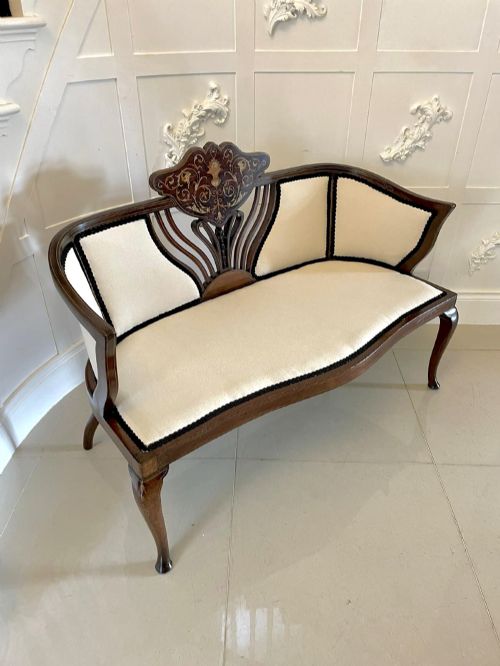
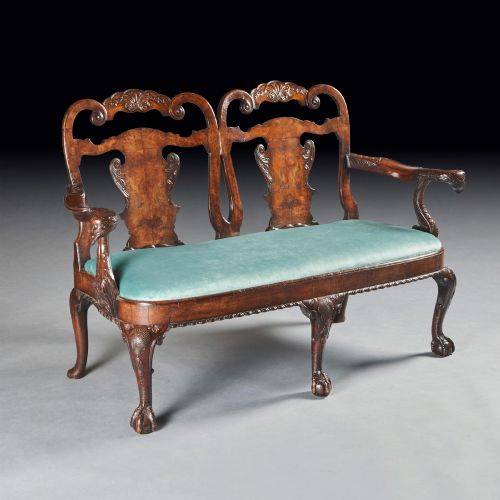
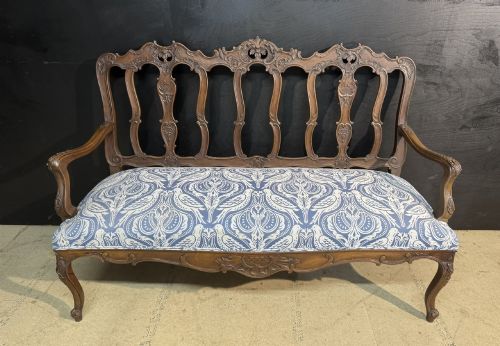
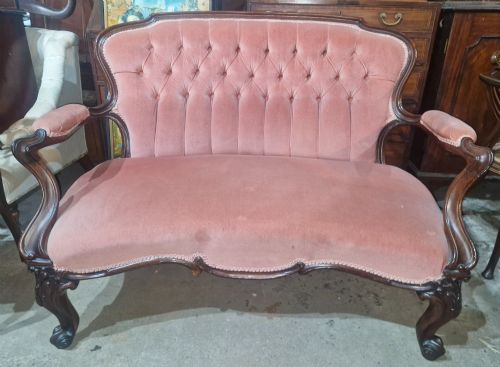
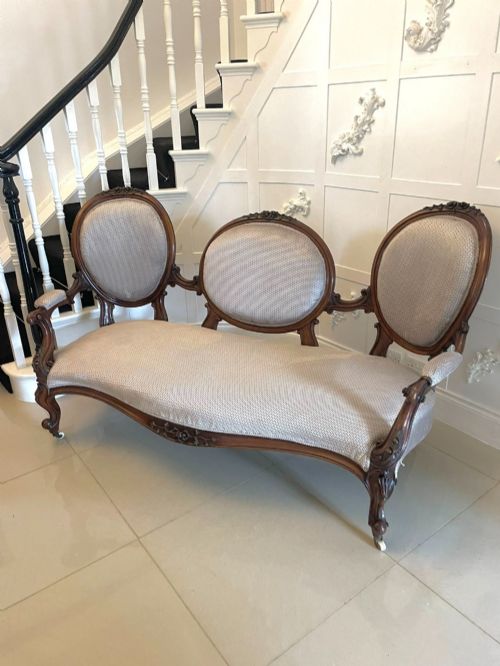
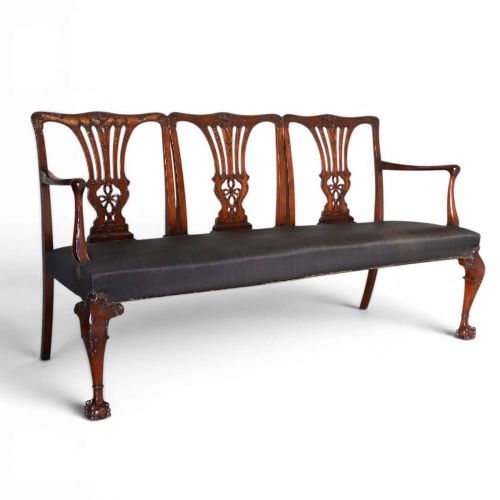
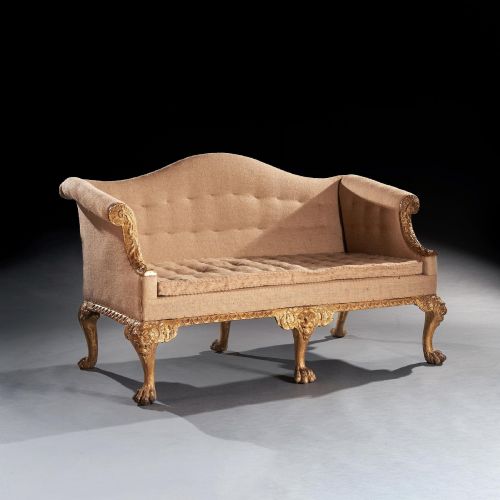
A carved cabriole settee brings sweeping wooden scrollwork and curved legs into a room, offering historic seating that grounds a traditional interior.
Carved Cabriole Settee
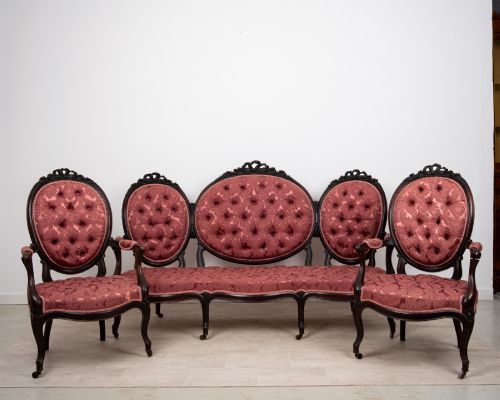
When you search for a carved cabriole settee, you encounter formal upholstered seating shaped by historic revival movements and earlier centuries. The pieces on this page span from eighteenth-century examples to nineteenth-century Victorian interpretations and twentieth-century revivals.
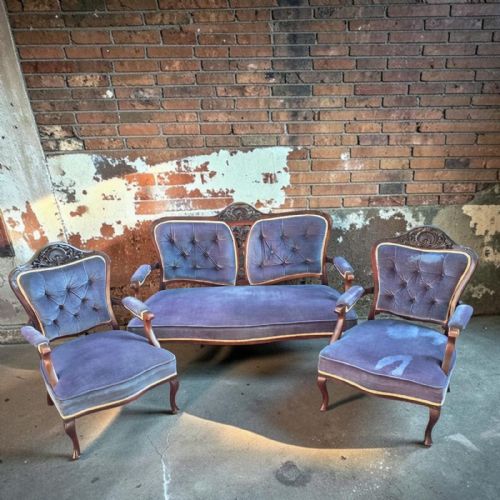
Makers and workshops across Britain, Ireland, and continental Europe produced these frames in forms ranging from compact two-seater settees to large salon suites. Walnut and mahogany predominate, supporting padded seats and backs shaped to follow historic George II, Chippendale, and Louis XV designs.
Materials and construction
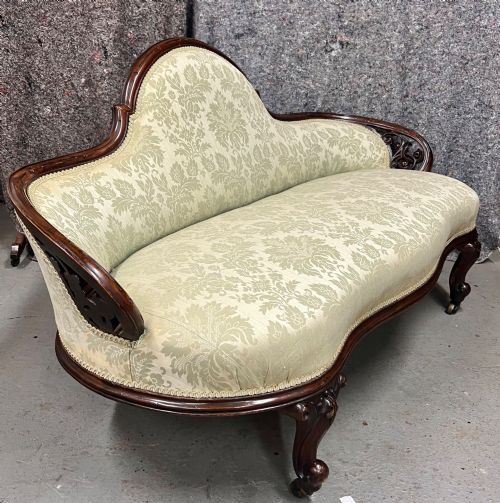
Joiners shaped dense hardwoods like mahogany, walnut, and oak to form the structural frames and exposed scrolled woodwork. Skilled carvers applied relief ornamentation directly to the wood, defining cabriole legs, chair-backs, and crest rails.
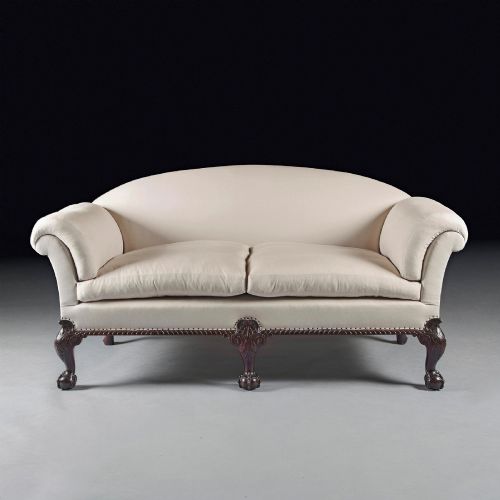
Upholstery techniques combined traditional internal stuffing with outer layers of textile, velvet, damask, or cane panels. Frames frequently incorporate brass castors or terminate in carved ball and claw feet.
Certain walnut frames rest upon fierce lion mask hairy paw feet, giving polite Victorian parlours a sudden touch of the menagerie.
Assessing craftsmanship and condition
The distinction between standard production and exceptional work lies in the crispness of the wood carving and the balance of the proportions. Finer examples display deeply undercut relief work on the knees and crests, whereas simpler pieces rely on plain turned or lightly shaped members.
Original surface patination on the timber and the integrity of the joinery determine the overall character of a surviving frame. Later alterations to the upholstery or replacement feet alter the historical standing of the piece.
Giles Grendey·Howard and Sons·Morison and Co·Butlers of Dublin
The Carved Cabriole Settee Glossary
- Cabriole leg
- A furniture leg that curves out in a convex arc at the knee and tapers inward in a concave arc to the foot, imitating animal legs. This form originated in antiquity and returned to popularity during revival periods.
- Chippendale
- A style of British furniture design named after the cabinetmaker Thomas Chippendale, characterised by carved mahogany frames and ribbon or interlaced splats. Pieces in this taste often utilise elaborate pierced woodwork.
- Louis XV style
- A French design aesthetic defined by asymmetry, C-scrolls, floral motifs, and flowing organic lines. Frames executed in this taste emphasise curved structural members.
- Bergere
- An enclosed upholstered armchair or sofa with wooden framing and cane or upholstered sides. The tight weave provides structural support while lightening the visual mass of the frame.
- Giltwood
- Timber coated with a thin layer of gold leaf over a prepared gesso base. This finish appears on formal salon pieces intended to reflect candlelight.
Carved Cabriole Settee: Frequently Asked Questions
Are these settees comfortable for daily use?
Many nineteenth-century and revival settees provide deep cushioning and supportive upholstered backs suitable for regular sitting. Firmness depends on the internal webbing and padding materials.
Compact salon models with rigid wooden backs serve primarily as decorative seating rather than lounging furniture.
How do I distinguish eighteenth-century pieces from later revivals?
Examine the timber construction methods, tool marks, and wear patterns visible on the underside of the frame. Eighteenth-century examples display hand-cut joinery consistent with period workshop practices.
Revival pieces from the Victorian and Edwardian eras often use machine-sawn timber components while closely copying historical outlines.
What fabrics are appropriate for reupholstering these frames?
Traditional upholstery schemes utilise heavy textiles such as damask, velvet, or brocade to complement the formal character of the carved wood. Plain woven fabrics also suit simpler country house models.
Selection depends on the specific revival style and the historical period of the settee frame.