
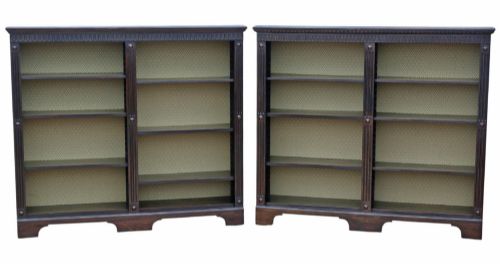
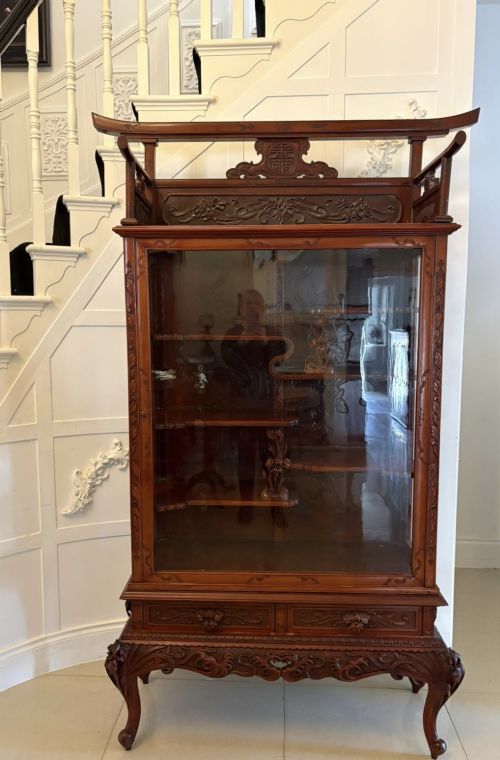
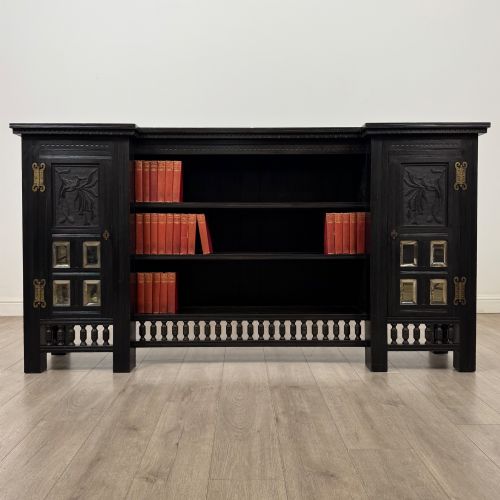
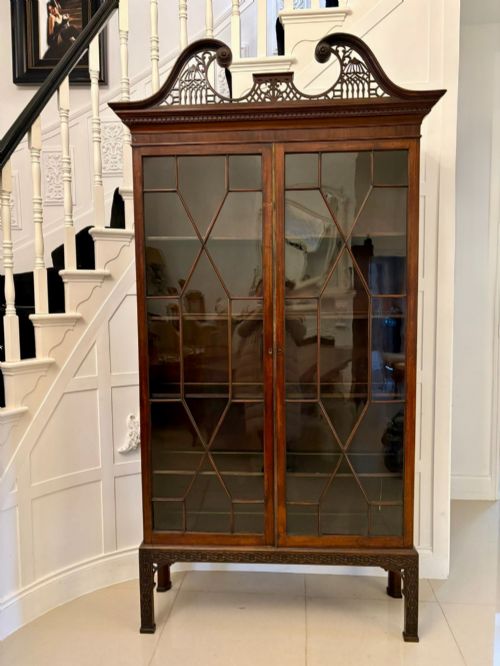
Carved Cabinet Bookcase
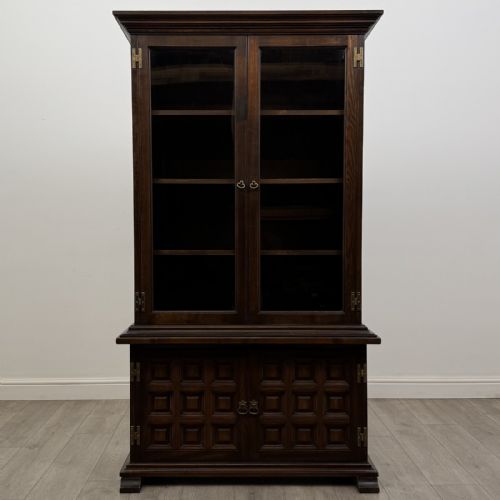
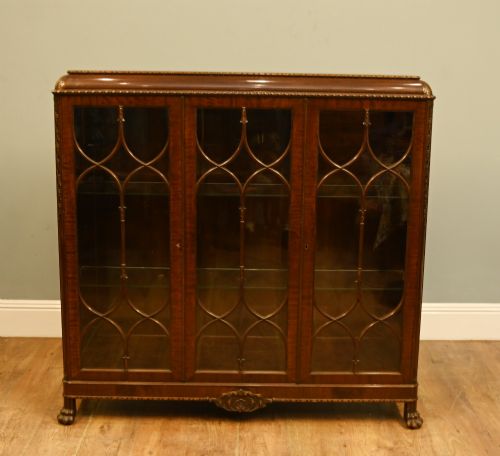
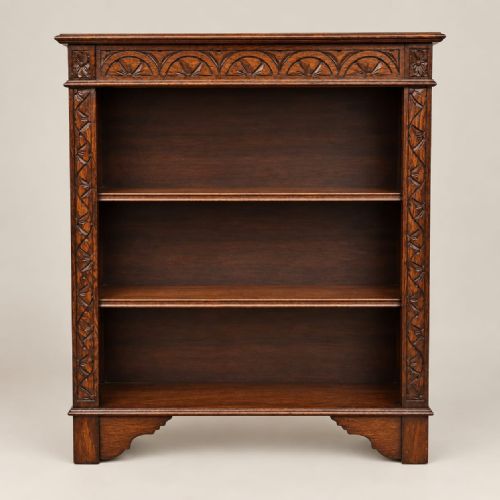
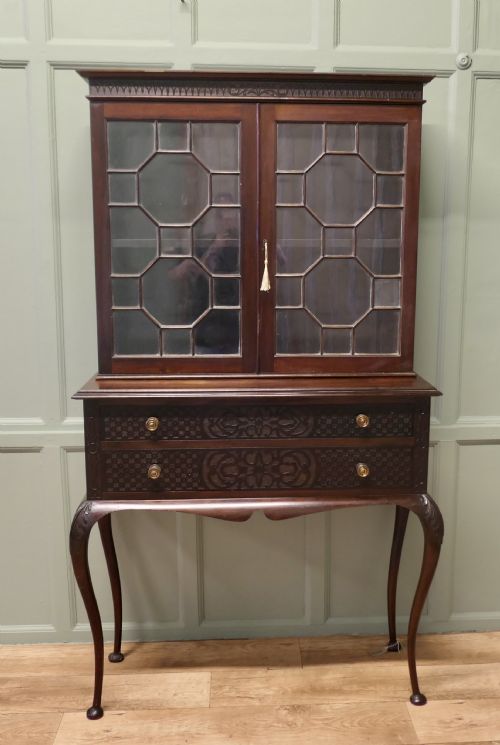
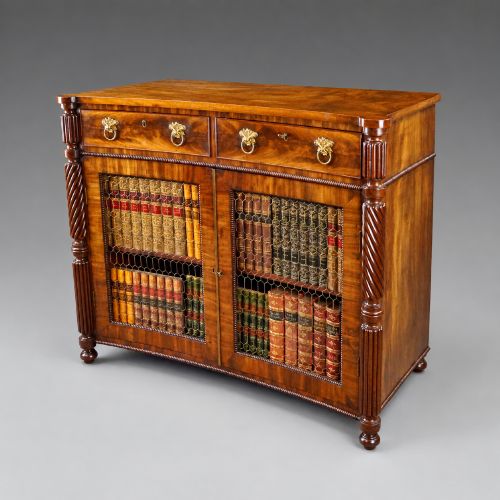
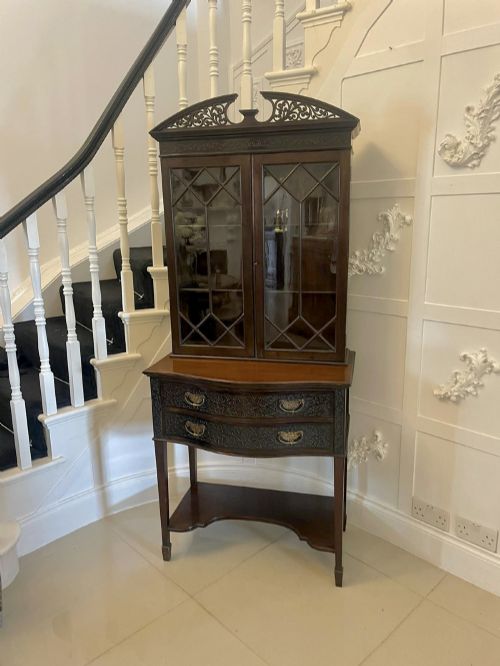
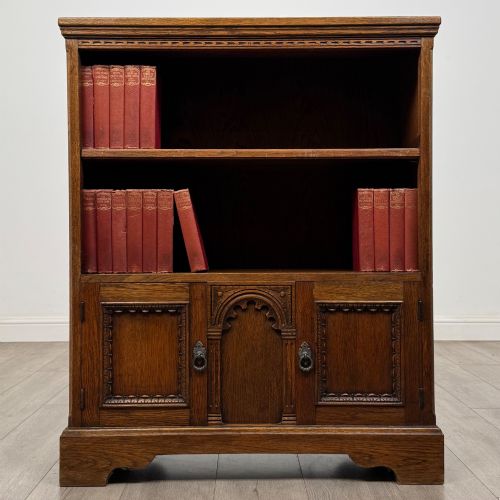
When you search for a carved cabinet bookcase, you explore substantial timber storage designed to display volumes and display decorative pieces behind glazed doors.
Carved Cabinet Bookcase
A carved cabinet bookcase combines functional library shelving with enclosed cupboard storage, uniting two distinct domestic needs into a single architectural piece of furniture. These pieces span the nineteenth and early twentieth centuries, appearing in periods from the Regency era through to Edwardian times.
The most frequent versions met on this page are substantial Victorian and Edwardian examples constructed from oak or mahogany, often featuring glazed upper doors and carved lower cupboard panels. Formats range from tall breakfront library bookcases to more compact bureau variations and side cabinets.
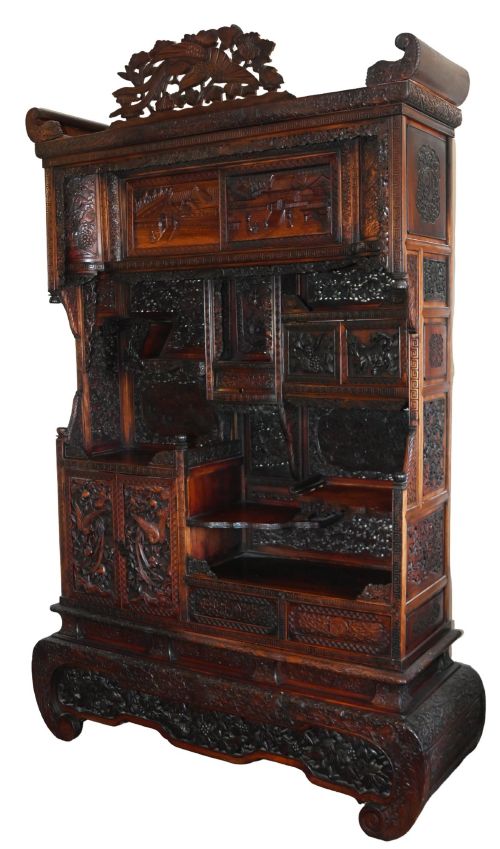
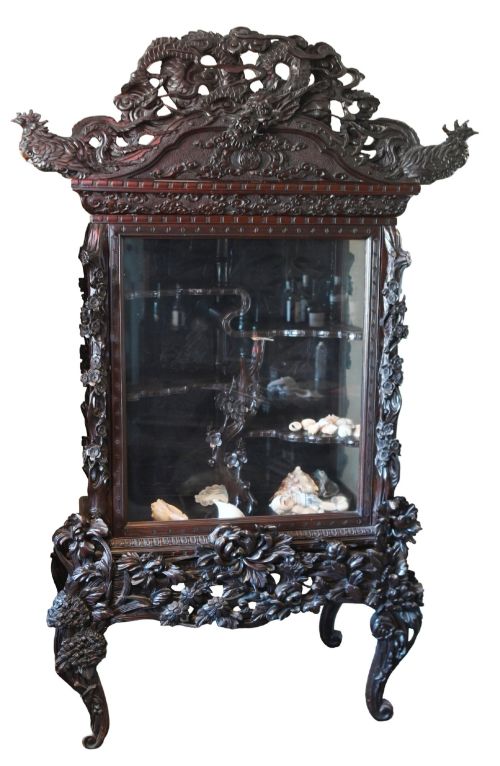
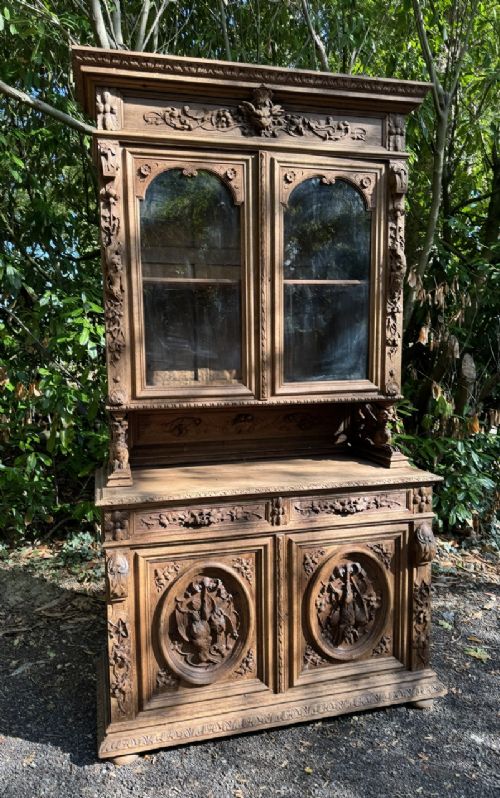
Makers drew on various historic design idioms, producing items influenced by Jacobean Revival, Gothic Revival, and Chinese Chippendale tastes. Buyers encounter both British regional interpretations and continental European pieces, including French hunting cabinets and Dutch bombé designs.
How they were made
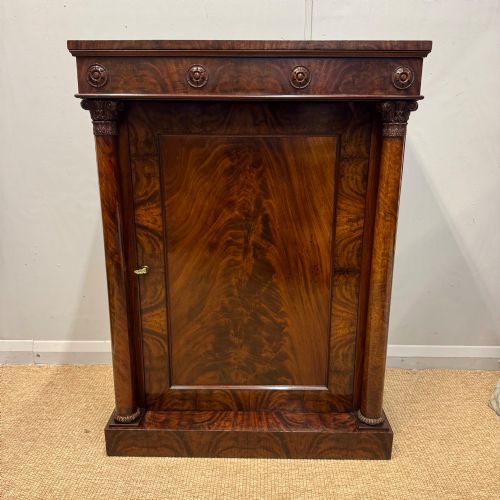
Cabinet makers constructed these large pieces using dense hardwoods such as oak, mahogany, walnut, and rosewood, frequently selecting figured veneers like flame mahogany or burr walnut for primary visual surfaces. Secondary structural timbers provided stability to the heavy carcass framework while brass hardware secured doors and drawers.
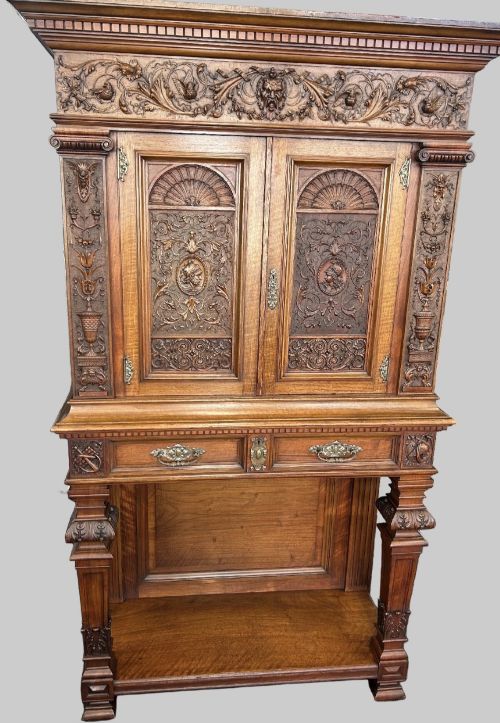
Glazing techniques employed lead cording or wooden astrals to hold glass panes within the upper display sections, protecting books from dust while maintaining visibility. Carving was executed by hand directly into the solid timber or applied in relief, utilising motifs from botanical scrolls to figurative Green Man masks.
Look closely at the carved oak panels to spot a hidden Green Man watching your library from the foliage.
What varies in quality
Depth and crispness of the hand carving distinguish standard production from exceptional library pieces, where intricate foliage and figural work show deliberate artistic skill rather than mechanical repetition. Timber selection similarly separates functional storage from high-status items through the use of heavily figured veneers and well-matched grain patterns.
Structural integrity relies on the quality of original joinery, door alignment, and the survival of period glass, brass fittings, and working locks. The overall architectural proportion and balance between the upper glazed display area and lower cabinet base dictate the visual success of the piece.
Gabriel Viardot·Gillows
The Carved Cabinet Bookcase Glossary
- Astral
- A slender wooden moulding used to divide glass panes within a cabinet door. These bars form geometric or curving patterns across the front of the bookcase.
- Breakfront
- A piece of furniture where the central section projects forward from the flanking wings. This architectural arrangement creates depth and shadow across large library bookcases.
- Chiffonier
- A low sideboard or cabinet equipped with enclosed cupboards and frequently topped with shelving. Regency and Victorian examples often incorporate brass inlays and delicate gallery rails.
- Secretaire
- A cabinet or bookcase containing a fitted pull-down writing drawer with small compartments and pigeonholes. This hybrid form conceals a hidden desk surface behind a drawer front.
- Vitrine
- A glass-sided display cabinet designed for the presentation of porcelain and curiosities. These pieces emphasise visual transparency over heavy timber storage.
Carved Cabinet Bookcase: Frequently Asked Questions
What is a carved cabinet bookcase?
A carved cabinet bookcase is a dual-purpose piece of antique furniture featuring enclosed shelving for books combined with lower storage cupboards. The woodwork typically displays detailed hand-carved ornamentation across the doors, cornices, and stiles.
These pieces served as the architectural anchor for period libraries, studies, and formal drawing rooms. They allowed owners to store working volumes securely while exhibiting treasured decorative objects behind glass panels.
How do I care for antique wood?
Protect antique timber surfaces by maintaining stable room humidity and keeping bookcases away from direct heat sources and strong sunlight. Regular dusting with a soft dry cloth prevents particulate accumulation without introducing moisture.
Apply traditional beeswax sparingly to nourish the grain and preserve the historic patina built up over centuries. Avoid modern silicone-based polishes that can degrade nineteenth-century French polish and varnish finishes.
How do I tell periods apart?
Identifying the period relies on observing characteristic timber choices, hardware styles, and decorative motifs used by cabinet makers. Regency pieces often feature brass inlay and rosewood veneers, whereas Victorian examples frequently showcase heavy oak carving and Gothic revival tracery.
Edwardian items tend to present lighter oak constructions with simpler linear mouldings or subtle linenfold panels. Examining the interior secondary timbers and construction methods helps confirm the manufacturing era.
Can I adjust the internal shelving?
Many nineteenth-century bookcases feature fixed wooden shelving systems integral to the structural rigidity of the carcass. Later Victorian and Edwardian examples occasionally introduced rudimentary peg supports or rack strips to allow minor height adjustments.
When altering historic interiors, take care not to stress the original upright partitions or glazed frames. Most volumes of varying sizes were accommodated historically by sorting books onto designated shelves rather than moving supports.