



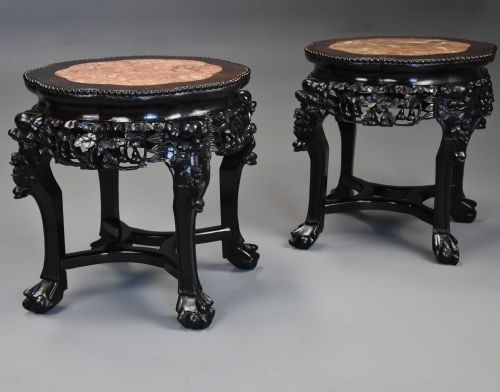


Carved Bonsai Stand
A carved bonsai stand supports a treasured plant or ornament with dense hardwood and detailed work from the nineteenth and early twentieth centuries.
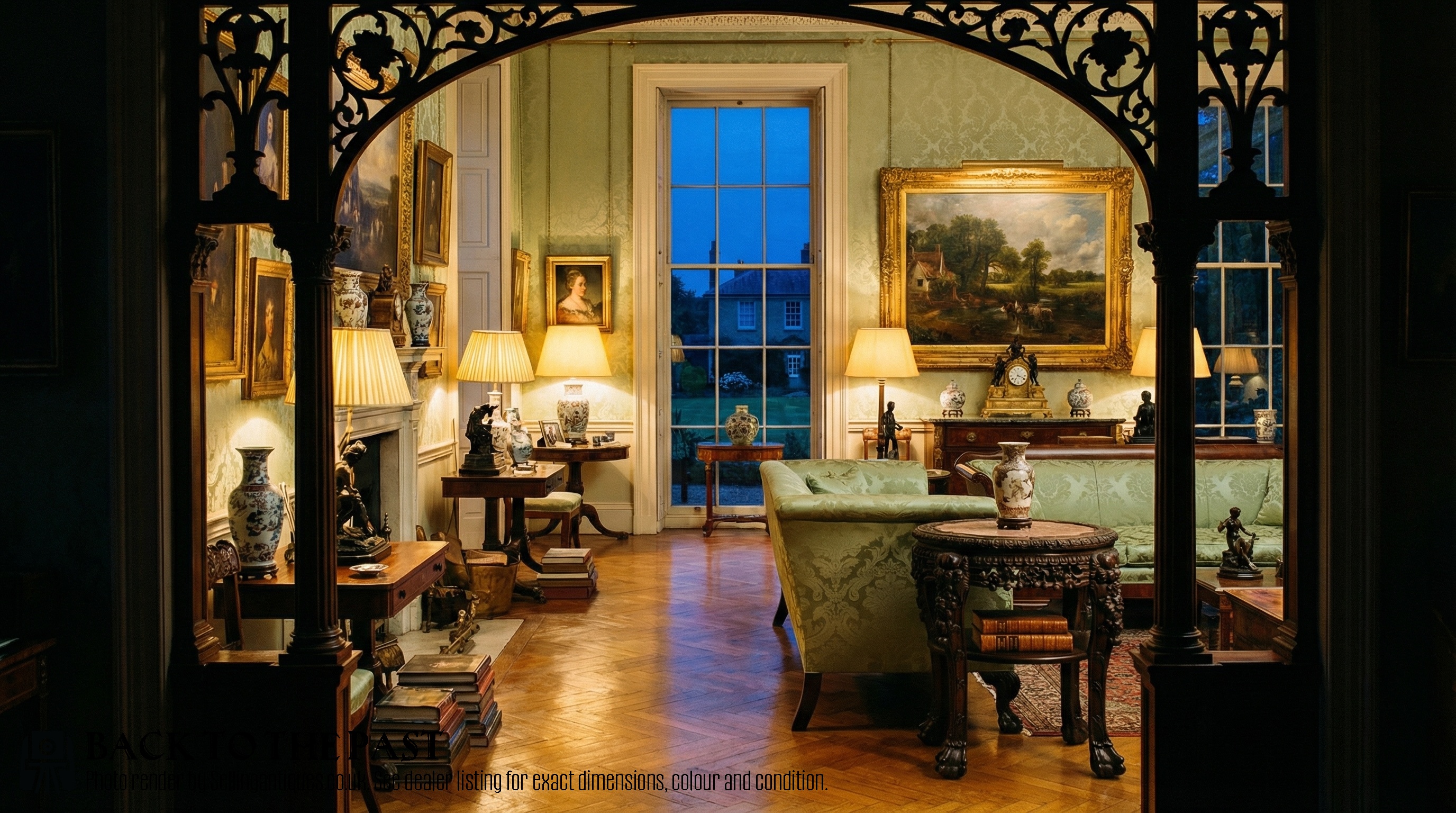
Carved Bonsai Stand
A carved bonsai stand serves primarily to elevate small trees, vases, and urns within a domestic interior. These pieces function as low tables, jardiniere stands, and pedestal supports designed with careful proportions.
Most examples encountered on this page originate from nineteenth-century Chinese workshops or Japanese Meiji and Taisho periods. Makers produced these stands to hold decorative objects securely while adding visual interest to a room.
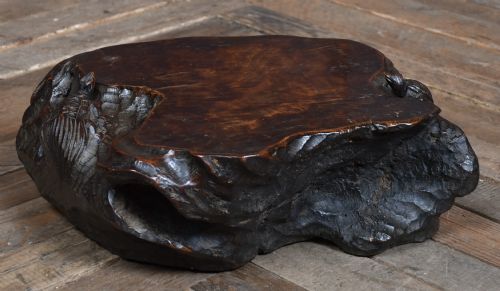
Forms range from square low tables and kang beds to tall pedestals and multi-tiered plant stands. The design reflects a long tradition of display furniture tailored for specific botanical and ornamental exhibits.
How they were made
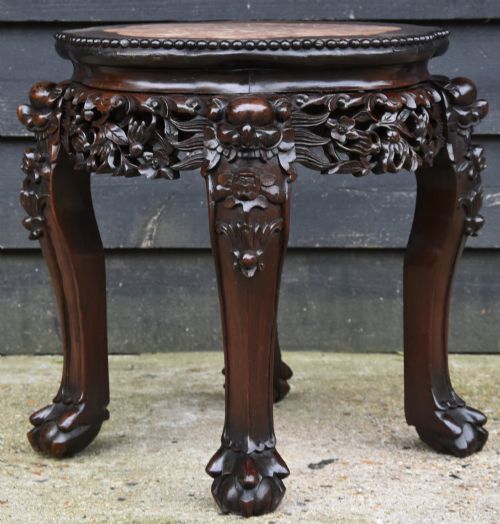
Craftsmen utilised dense Asian hardwoods including rosewood, hongmu, padouk, and huali wood to build sturdy frames capable of supporting heavy ceramic pots and stone tops. These timbers provide the natural strength required for intricate pierced and undercut carving without splitting.
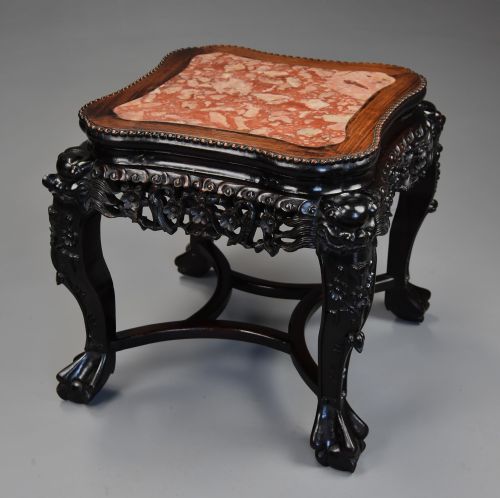
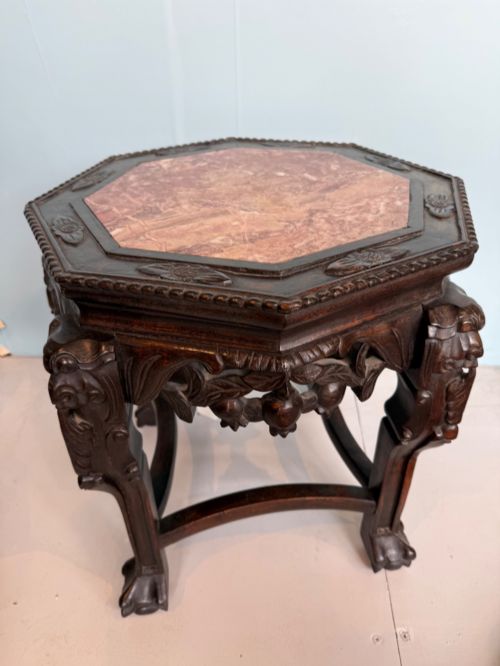
Many tables incorporate inset marble panels within the wooden top surface to create a cool, durable stage for damp plant pots and porcelain vessels. Joinery techniques allowed complex curves and shaped skirts to integrate seamlessly with the main structure.
Carved Bonsai Stand Retail Price Guide 2026
Typical asking prices for carved bonsai stand among the pieces listed under this phrase on Sellingantiques today, from the lower quarter to the upper quarter. They describe what is for sale here now, not the wider market.
Materials recorded on this page include rosewood, hongmu, padouk, huali wood, and inset marble.
What varies in quality
The depth and crispness of the carving distinguish finer examples from simpler utility pieces. Master carvers achieved clean undercuts and realistic botanical or animal motifs that retain sharp edges across the grain.
Selection of timber grain and the precise fitting of inset marble tops indicate the level of care taken during production. Well-balanced proportions and harmonious wood colouration separate standard workshop output from exceptional scholar's furniture.
Liberty of London
The Carved Bonsai Stand Glossary
- Hongmu
- A dense traditional Chinese hardwood often translated as red wood, valued for its deep colour and heavy weight. It frequently appears in nineteenth-century display furniture.
- Jardiniere
- An ornamental pot or container for plants and flowers, which these stands were specifically built to elevate. The term also describes the tall tables themselves.
- Kang table
- A low domestic table traditionally used on a heated brick bed in China for writing, dining, or displaying small objects. Smaller versions translate easily into plant and bonsai supports.
- Padouk
- A heavy, durable tropical hardwood with a distinctive reddish hue that darkens with age and exposure to light. Makers utilised this timber for robust pedestals and vase stands.
- Meiji period
- The era of Japanese history spanning from eighteen sixty-eight to nineteen twelve, known for accomplished hand-carved decorative arts exported to Western markets.
Carved Bonsai Stand: Frequently Asked Questions
What is a carved bonsai stand used for?
These pieces elevate miniature trees, ceramic pots, and decorative vases to a comfortable viewing height within a room. They provide a stable surface that protects furniture below from moisture and soil.
Historically, collectors used them to display prized botanical specimens or scholar's objects during quiet contemplation. Today, they serve equally well as small accent tables or lamp stands in diverse interior schemes.
How do I identify Chinese and Japanese stands?
Chinese examples frequently employ dense hardwoods like hongmu and padouk with complex floral carving linked to Qing Dynasty traditions. Japanese stands often reflect Meiji period aesthetics with naturalistic animal motifs or simpler geometric lines.
Examination of the joinery and timber characteristics helps separate the regional origins. Retailer records from the late nineteenth and early twentieth centuries also provide helpful context for imported pieces.
Why do some stands have marble tops?
Marble inserts provided a practical, water-resistant surface that protected the surrounding wood from damp soil and leaking plant pots. The cool stone also contrasted pleasingly with the dark grain of rosewood and padouk frames.
This feature allowed owners to place heavy ceramic jardinieres on the table without risking rings or water damage to the polished timber. The stone panels were carefully fitted into rebated wooden frames to ensure stability.
How do I care for antique hardwood furniture?
Keep these stands away from direct heat sources and strong sunlight to prevent the timber from drying out and cracking. Dust regularly with a soft, dry cloth and avoid harsh chemical polishes that build up over time.
Applying a light coat of natural beeswax occasionally helps nourish the hardwood surface and maintain its soft lustre. Ensuring stable room humidity protects both the wood and any inset marble panels.