
Carved Bedside Cabinet
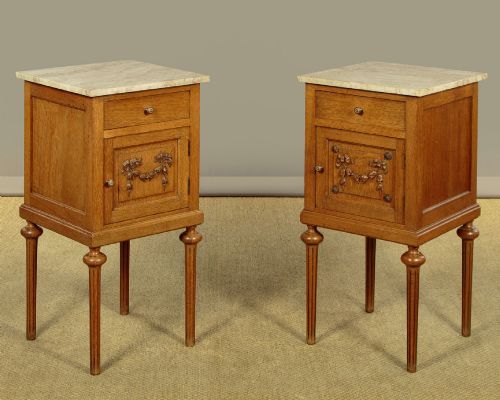
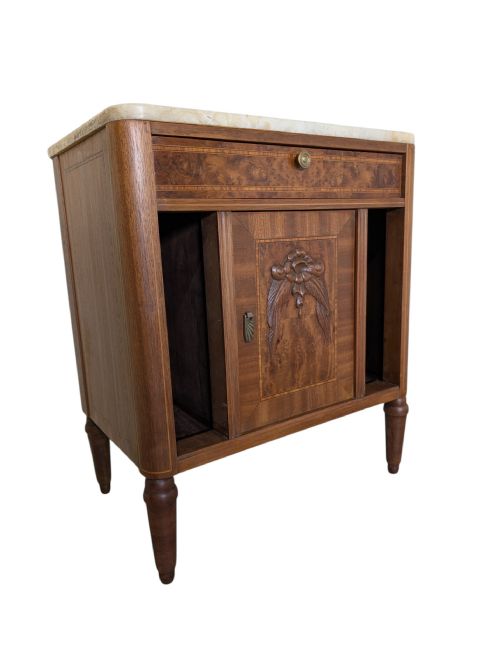
When you select a carved bedside cabinet, you bring home a compact storage piece defined by textured woodwork spanning the Victorian, Edwardian, and Art Deco eras.
Carved Bedside Cabinet
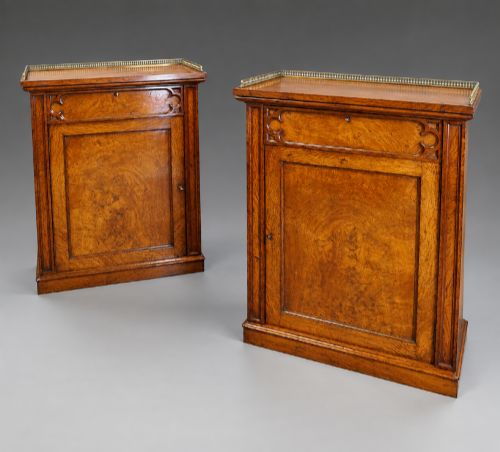
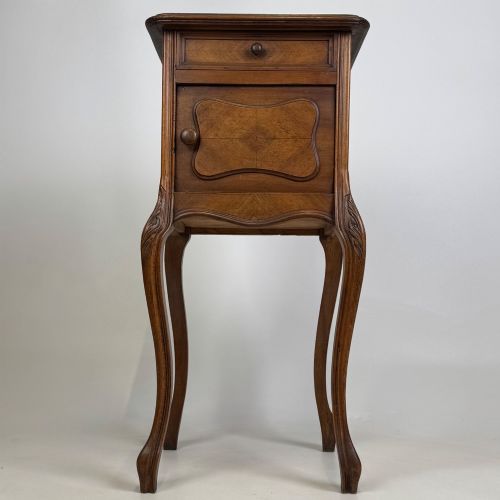
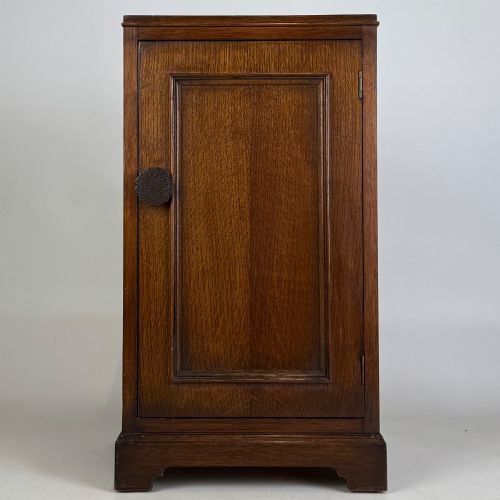
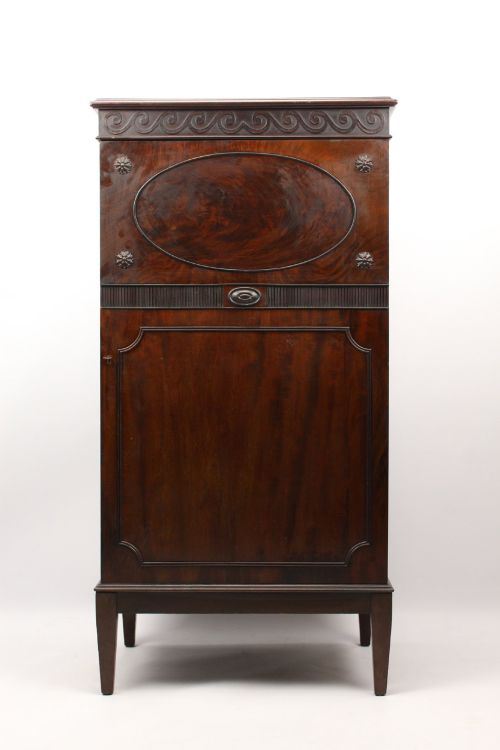
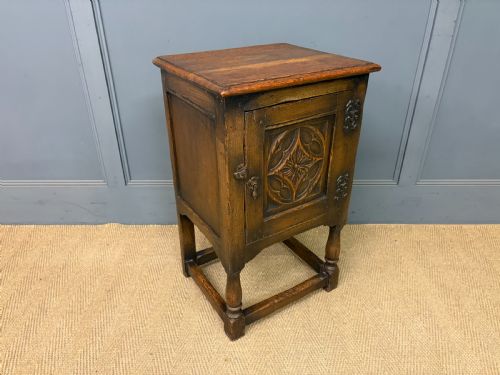
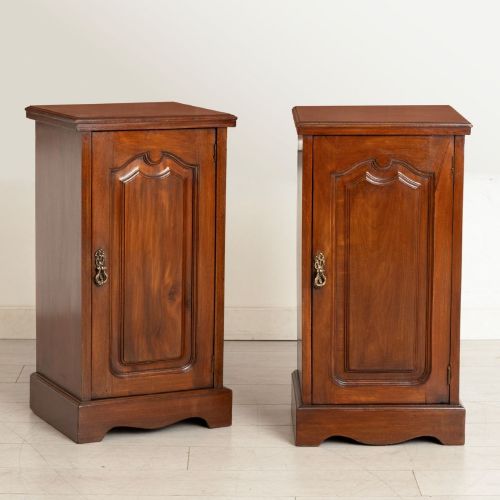
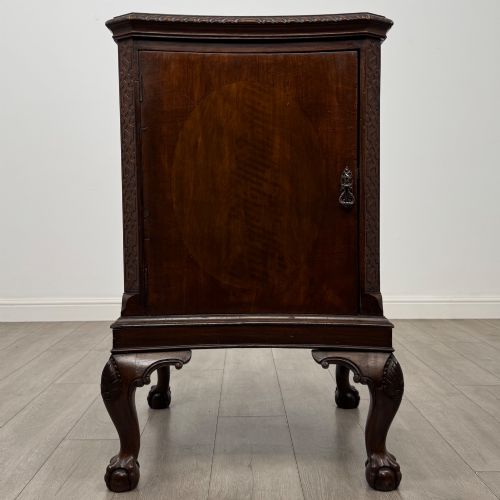
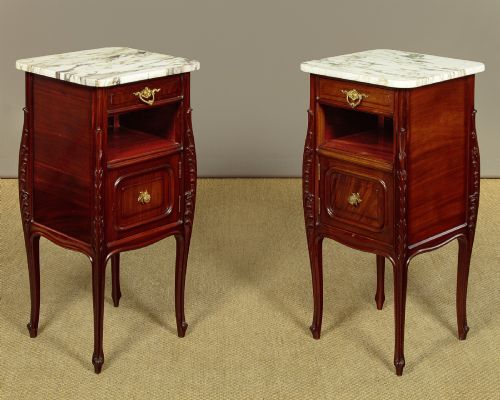
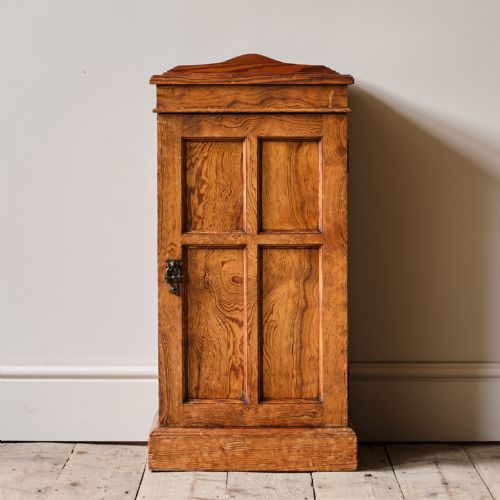
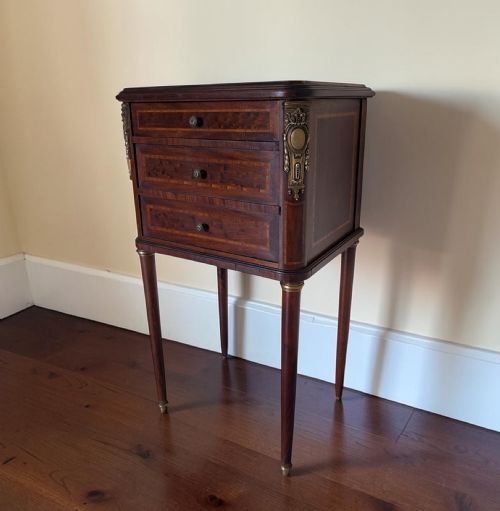
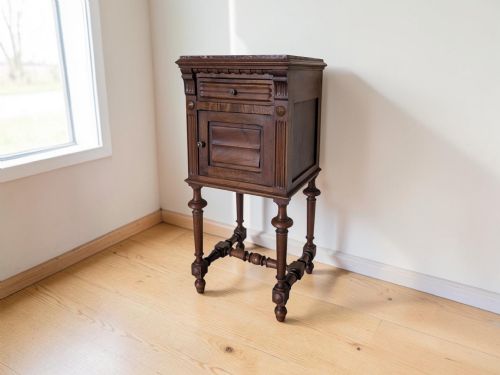
A carved bedside cabinet functions as a small bedside cupboard, pedestal, or night table designed to hold nighttime necessities while displaying period craftsmanship. The phrase encompasses enclosed pot cupboards with single doors, small chests of drawers, and open-shelf etageres.
The versions most frequently met on this page date from the late nineteenth century through the 1930s, heavily reflecting Edwardian, Victorian, and French Provincial stylistic influences. Oak, walnut, and mahogany dominate the offerings, occasionally topped with marble or fitted with brass hardware.
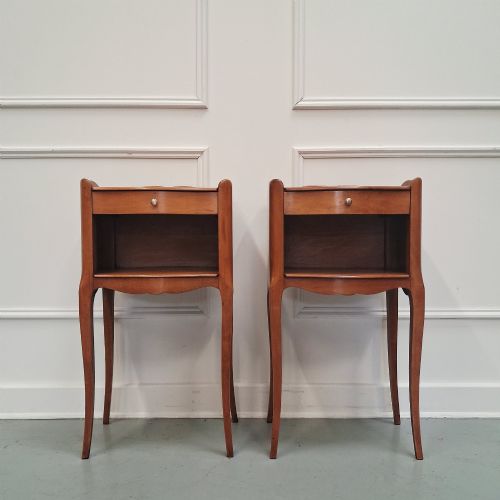
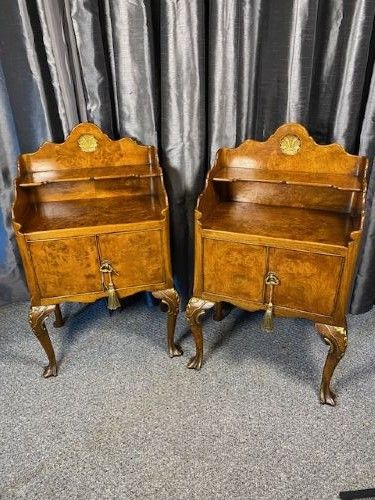
Makers utilised various regional interpretations, ranging from English Arts and Crafts designs to continental French chateau aesthetics. Buyers encounter both single cabinets and matched pairs suited to flank a bed.
How They Were Made
Cabinetmakers constructed these pieces using solid timbers like oak, walnut, mahogany, and ash, frequently selecting burr walnut veneers for decorative surfaces. Manual carving techniques defined the panels, edges, and door fronts with floral, geometric, or Gothic motifs.
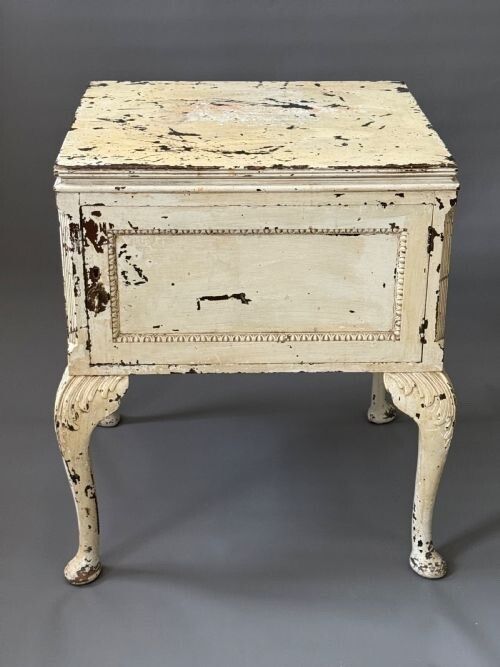
Many examples incorporated inset marble tops for durability and polished brass handles or hinges for functional operation. Workshops applied wax, varnish, or paint finishes to seal the timber and highlight the natural grain.
The listings span periods from the eighteenth century to the 1930s, with Edwardian and Victorian examples forming the majority.
What Varies in Quality
The depth and crispness of the hand-carving separate standard utility furniture from finer artistic commissions, where details remain sharp and well-defined. Timber selection dictates the visual impact, with figured veneers and dense, mature hardwoods showing superior grain patterns.
Structural integrity depends on traditional joinery methods and the retention of original hardware, marble slabs, and internal shelving. Cohesion in matched pairs and the subtlety of proportion distinguish the more accomplished examples from simpler workshop output.
Denby and Spinks·Waring and Gillows
The Carved Bedside Cabinet Glossary
- Pot cupboard
- A small bedside cabinet originally constructed to enclose a chamber pot behind a single door. These compact units often feature a single upper drawer above the main cupboard space.
- Pedestal cabinet
- A tall, narrow freestanding cupboard designed to stand beside a bed or desk. They frequently utilise burr walnut or mahogany timbers to showcase polished vertical grains.
- Burr walnut
- A specialised timber cut from the abnormal growth knots of a walnut tree, yielding highly decorative swirling grain patterns. Cabinetmakers prized this material for drawer fronts and top panels.
- French Provincial
- A rustic yet refined regional style originating from provincial France, often characterised by softened carved lines and painted or bleached oak surfaces. It forms a distinct subset within continental bedside storage.
- Arts and Crafts
- A design movement prioritising visible hand-craftsmanship, plain utility, and natural waxed timber surfaces over industrial ornamentation. Ash and oak pieces from this tradition showcase honest construction.
Carved Bedside Cabinet: Frequently Asked Questions
What fits inside a bedside cabinet?
These compact cupboards and chests accommodate nighttime essentials like books, reading glasses, and personal items behind their closed doors or within small drawers. Their enclosed compartments keep surfaces tidy while maintaining a minimal footprint next to a bed.
Depending on the internal configuration, some models include a shelf to separate storage levels. Their modest scale allows them to function equally well as small lamp tables in hallways or living spaces.
How do I identify an Edwardian cabinet?
Edwardian pieces generally date from the period between 1901 and 1910, often exhibiting lighter mahogany or oak construction with restrained classical or Sheraton revival motifs. They tend to have clean lines and subtle inlay work rather than the heavy, dark ornamentation of earlier Victorian furniture.
Examining the interior linings, drawer construction, and secondary woods helps confirm the era. Many retain maker stamps or retailer marks from this active period of domestic production.
Are marble tops original to these tables?
Marble tops frequently appear on nineteenth and early twentieth-century French and English bedside cabinets, providing a durable, wipe-clean surface for water jugs and lamps. These stone inserts were normally bedded directly into the wooden frame during initial manufacture.
Different marble colours, including white and grey varieties, match the specific regional styles of the cabinet. They add substantial weight to the piece and sit flush within the moulded wooden top.
How do I care for antique wood?
Maintaining these surfaces involves applying occasional quality beeswax to nourish the timber and preserve the historic polished finish. Avoiding direct sunlight and excessive heat prevents the wood or veneer from drying out and splitting over time.
Microfibre cloths remove dust safely without scratching delicate carved details or aged patination. For marble elements, simple damp wiping keeps the stone surface clean without harsh chemical cleaners.