
Carved Barley Twist Stand
A carved barley twist stand brings sculptural turning and rich timber grain to an interior.

Carved Barley Twist Stand
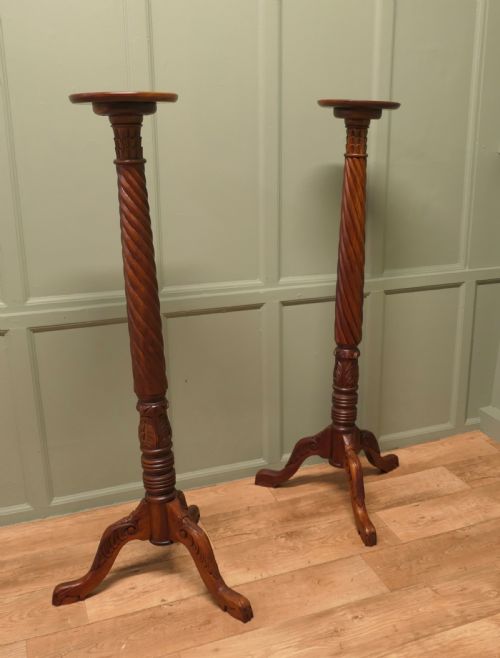
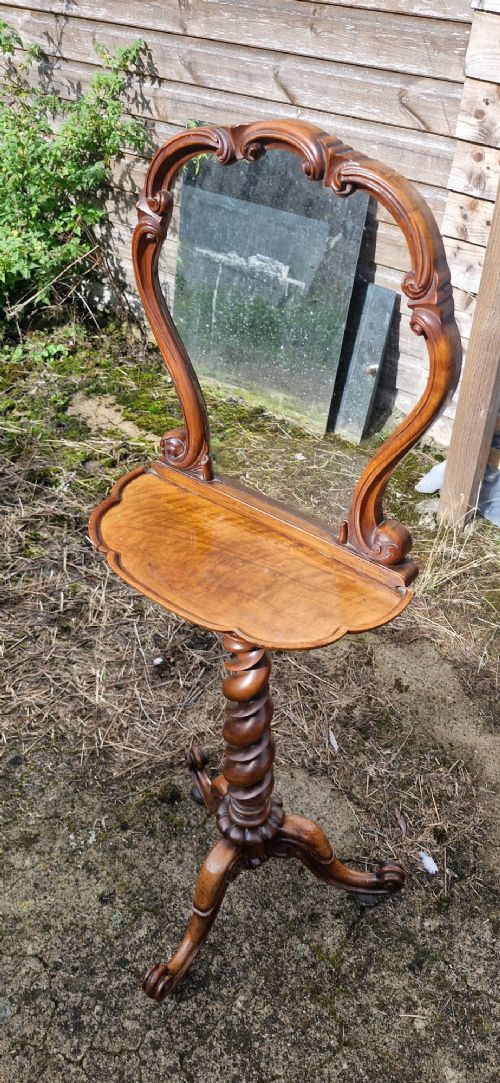
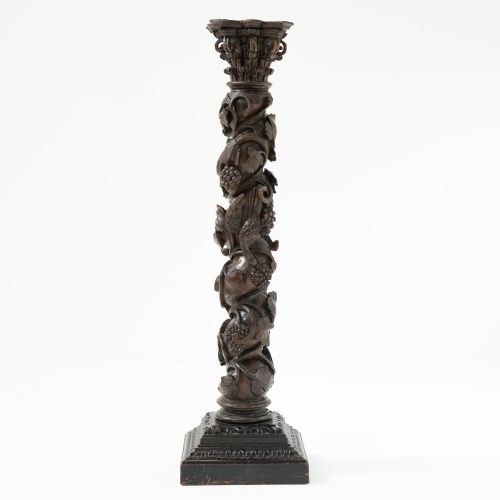
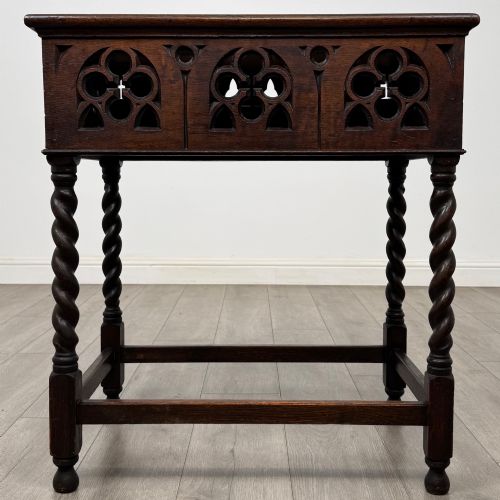
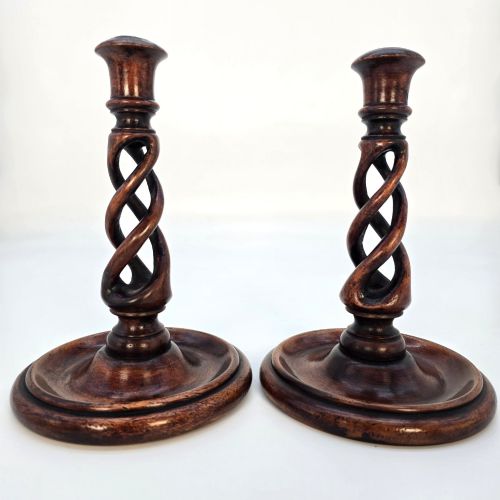
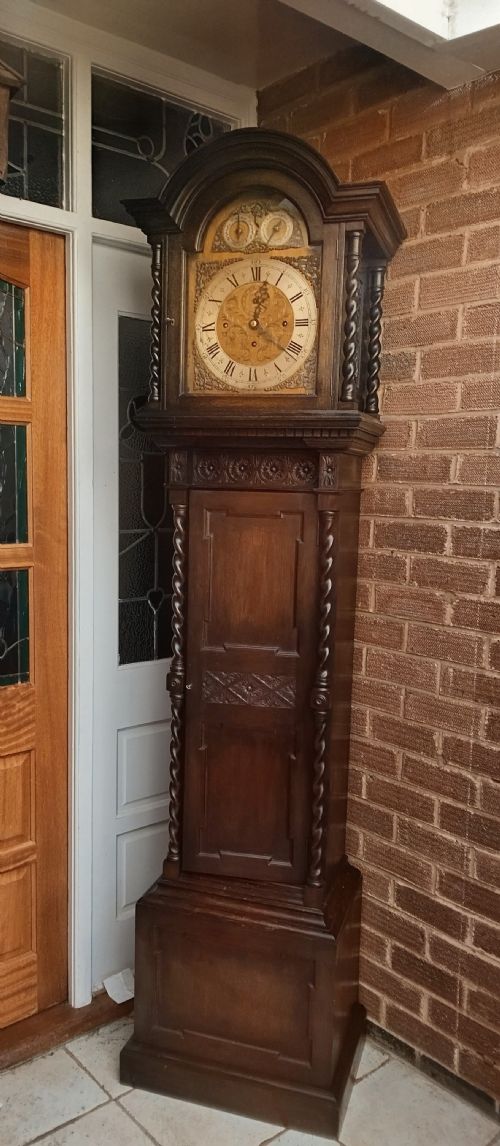
A carved barley twist stand is essentially a turned pillar support used for display, holding plants, lamps, or small decorative items within a room. These pieces emerge in various forms across the Victorian period, Edwardian era, and the early twentieth century, spanning multiple decades of British domestic design.
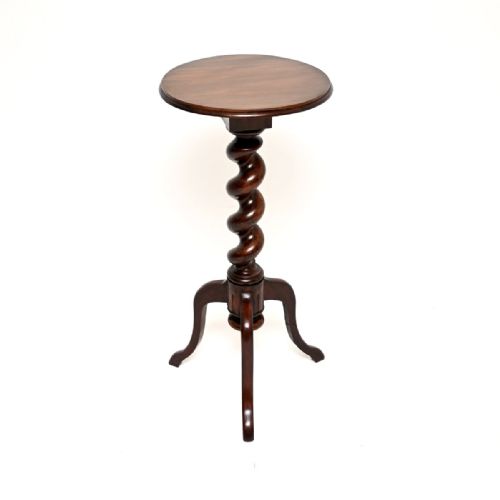
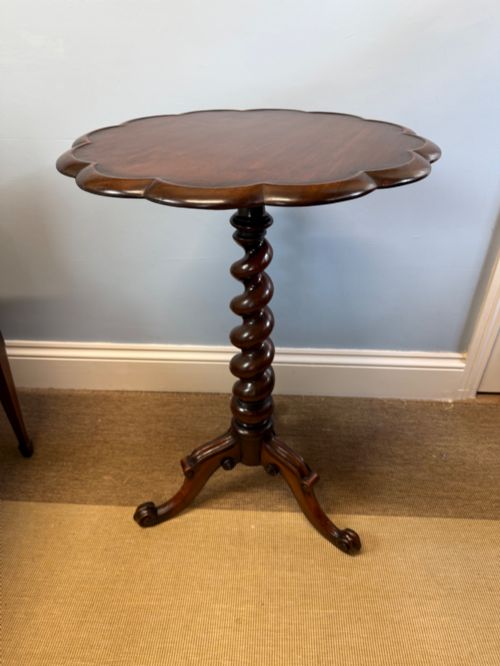
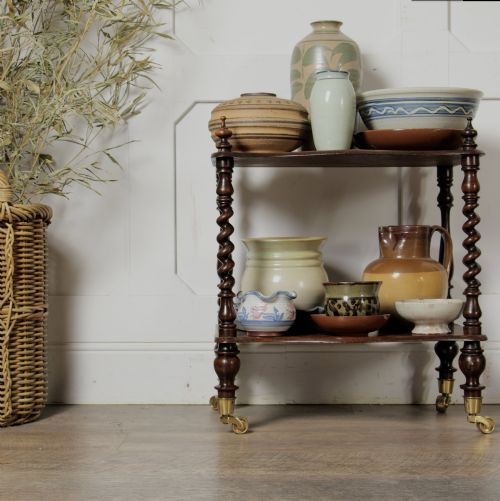
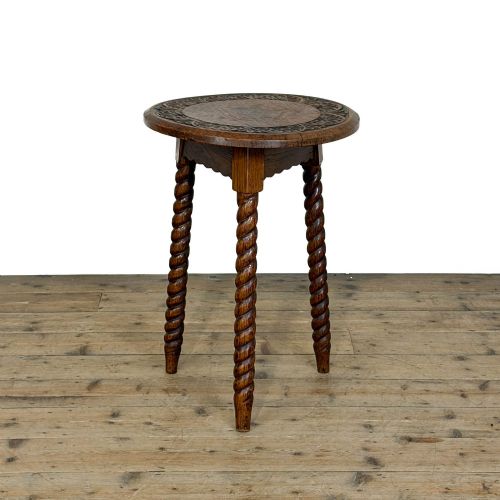
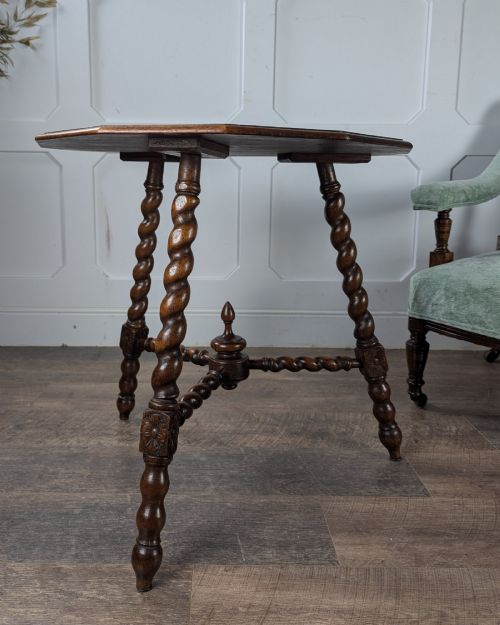
On this page, the most frequent incarnations are sturdy oak or walnut occasional tables, plant pedestals, and torchieres featuring helical turned shafts. They draw on earlier Jacobean and William and Mary precedents, translating heavy architectural columns into domestic furniture.
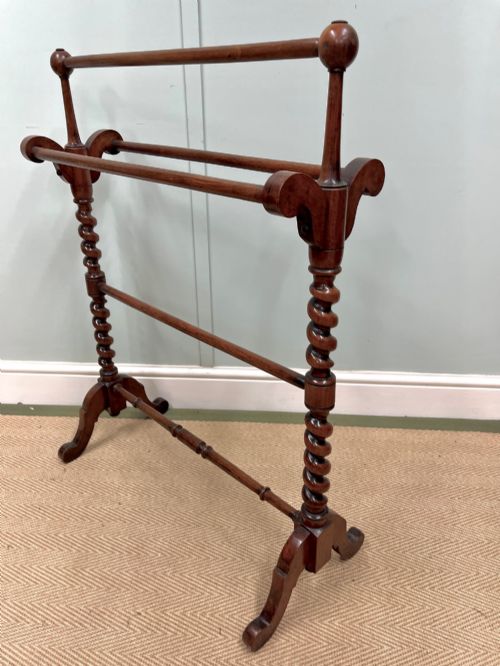
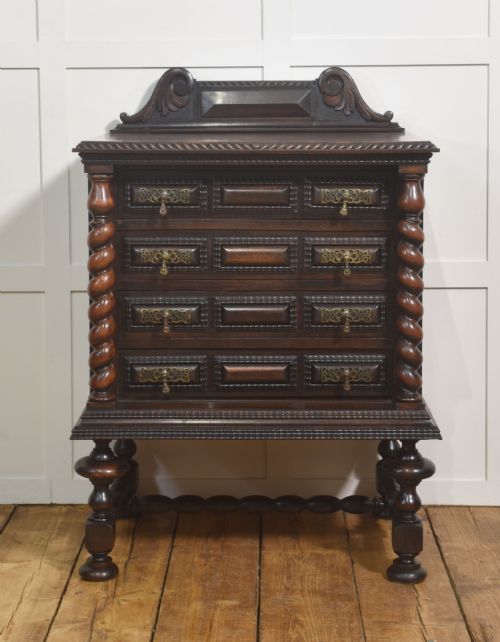
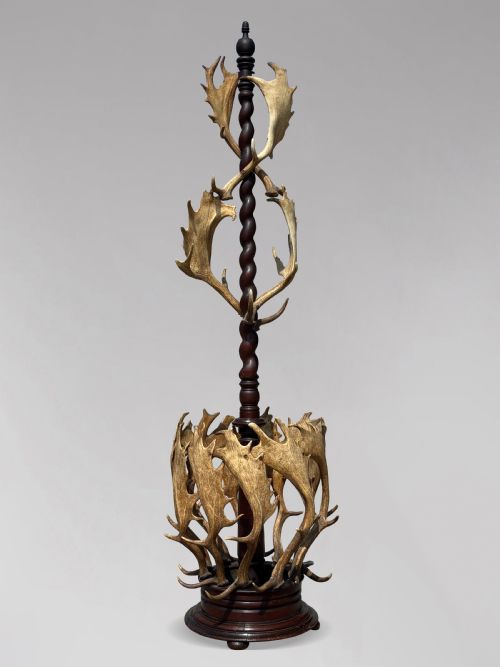
Makers utilised these distinctive twisted shafts on umbrella holders, hall stands, and smaller display pieces. The form combines functional support with decorative turning that catches the light along the helical curves.

Materials and construction methods
The primary timber is oak, frequently partnered with walnut, mahogany, and rosewood, often complemented by brass fittings or glass components. Joinery relies on traditional methods suited to load-bearing columns and three-legged or four-legged table bases.
Turners created the helical columns using lathe work followed by hand chiselling to refine the rounded ridges. Solid timbers were shaped to withstand the weight placed upon the top surface or plant tray.
Judging the quality of the turning
Quality rests in the crispness of the hand-carved twist and the selection of figured timber grain. Sharply defined helical cuts and dense, heavy hardwoods indicate superior craftsmanship compared to shallow machine-cut alternatives.
The stability of the central column and the tightness of the joints determine structural integrity. Uniformity along the length of the twist separates workshop pieces from mass-produced items.
J Parker of Woodstock
The Carved Barley Twist Stand Glossary
- Barley twist
- A helical turning resembling the shape of a twisted rope or barley sugar. This decorative motif appears on table legs, columns, and furniture supports.
- Torchere
- A tall ornamental stand designed to hold a lamp, candle, or bust. These slender pieces often feature turned shafts and small circular tops.
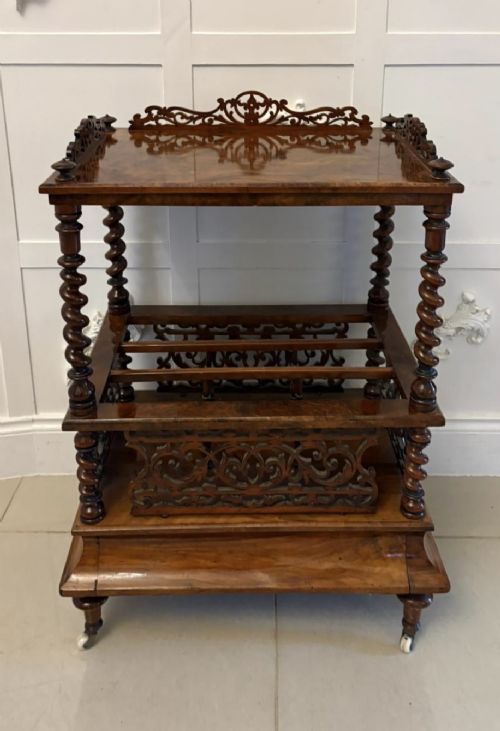
- Whatnot
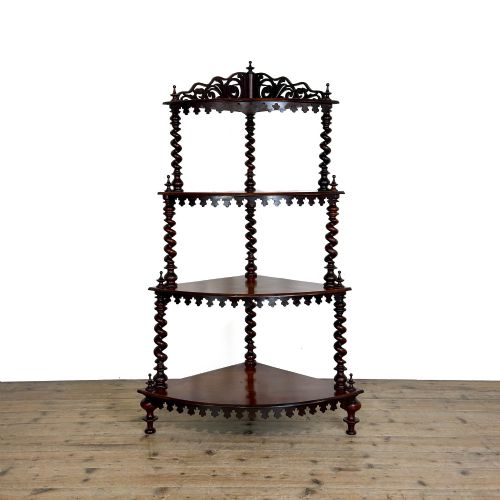
- A set of open shelves used for displaying ornaments or books. They frequently incorporate turned corner supports and multiple tiers.
- Solomonic
- An architectural column characterised by a helical twist. The style derives from Baroque design and influences later revival furniture.
- Tripod table
- A small table supported by three legs. This construction prevents wobbling on uneven floors.
Carved Barley Twist Stand: Frequently Asked Questions
What is a carved barley twist stand used for?
These stands serve as display surfaces for table lamps, trailing plants, clocks, and decorative ornaments. Their raised platforms elevate objects to eye level within a room.
They also function as torchere columns or occasional side tables in hallways and reception spaces, adding vertical interest to empty corners.
How do I date a barley twist stand?
Dating relies on timber selection, tool marks, and overall furniture style. Victorian and Edwardian examples often feature dense oak or walnut with machine assistance, while earlier seventeenth-century prototypes show entirely hand-carved tool work.
Hardware, such as brass screws or fixings beneath the top surface, provides further clues to the manufacturing decade.
Are these stands sturdy enough for plants?
Most solid oak and walnut versions offer robust weight distribution suitable for heavy ceramic plant pots. Tripod bases and wide pedestal feet provide reliable balance on standard flooring.
Checking the stability of the central threaded joint or peg construction ensures the stand safely holds heavy decorative items.
How do I care for antique timber stands?
Maintain the wood by applying natural beeswax polish periodically to nourish the grain and protect the surface from moisture. Avoid placing them near direct heat sources or strong sunlight to prevent timber shrinkage.
Dust the helical turnings regularly with a soft cloth to prevent dirt accumulation within the carved grooves.