
Carved Back Settee
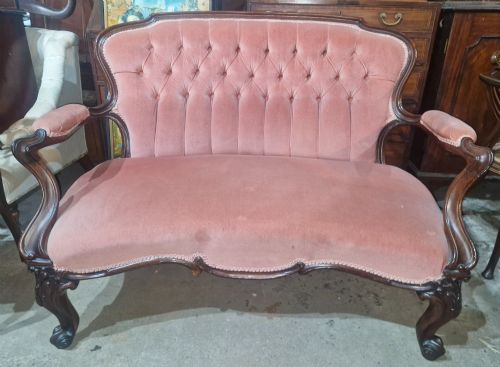
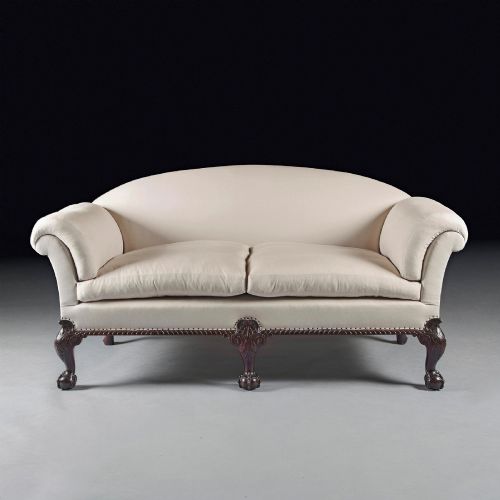
A carved back settee brings centuries of formal seating tradition into a room, offering robust wooden frames shaped by master joiners.

Carved Back Settee
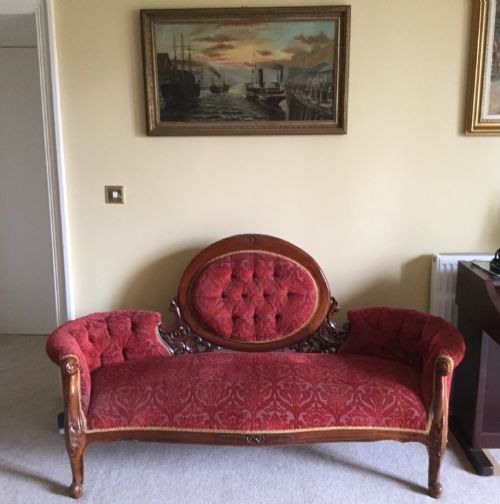
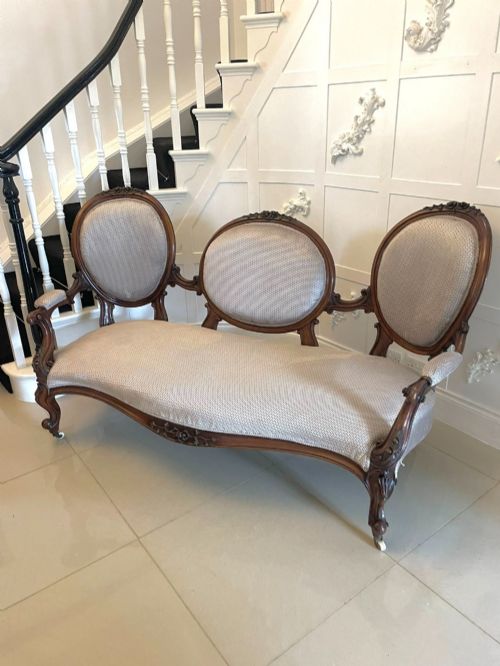
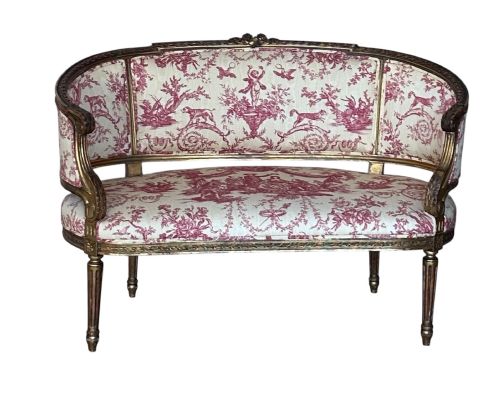
A carved back settee combines the extended seating of a sofa with intricate woodwork along the upper rail, often drawing inspiration from historic design periods. Buyers seeking this form will find robust timber frames spanning the eighteenth century through the early twentieth century.
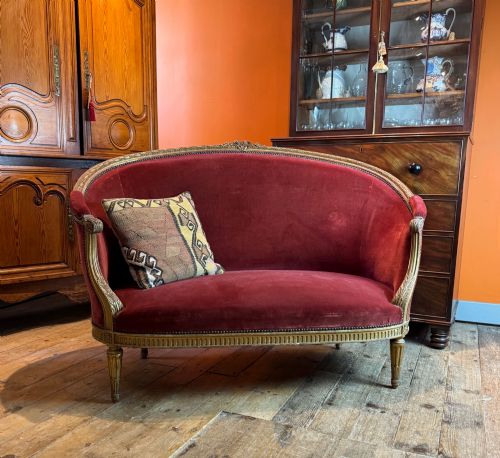
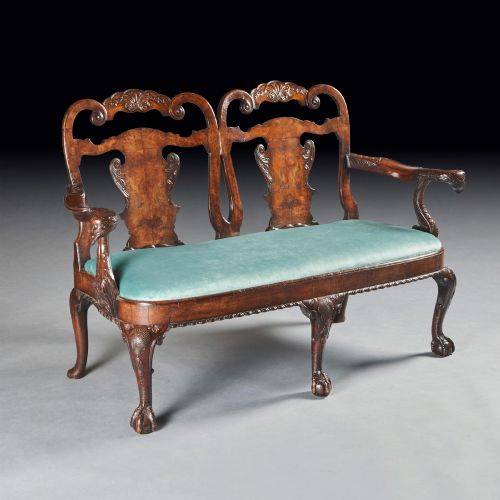
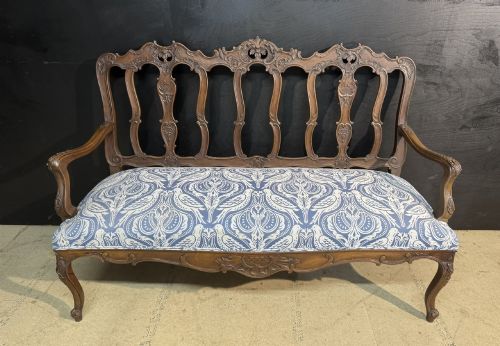
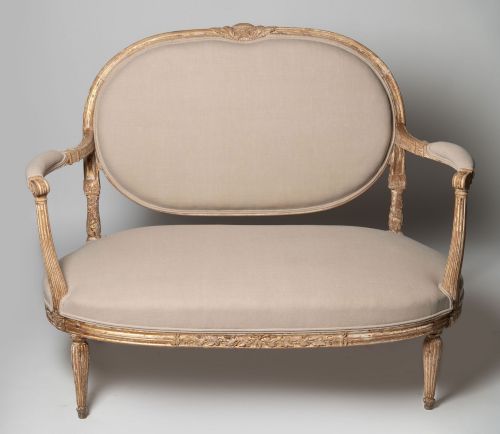
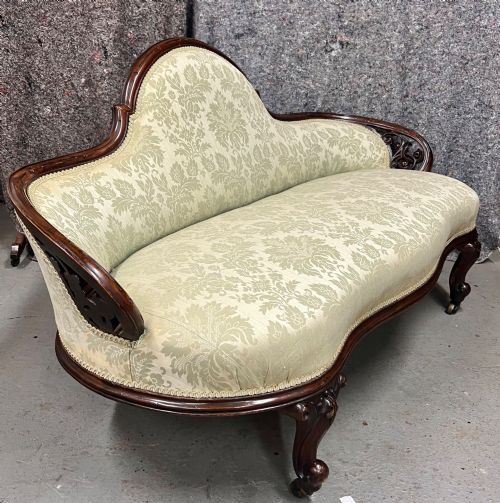
The selections available here range from solid mahogany and walnut frames to lighter painted finishes, reflecting regional tastes and stylistic revivals. Many examples show distinct stylistic roots in Georgian, Victorian, and French Louis designs.
Makers utilised various configuration styles, including twin chair backs, cameo shapes, and double spoon backs, creating diverse visual silhouettes for domestic interiors. These seating pieces served formal reception rooms and parlours where display and comfort met.
Materials and Construction
Frames rely on dense hardwoods such as mahogany and walnut, which provided the structural integrity needed for deep relief carving on the crest rails. Timber selection dictated the sharpness and longevity of the carved ornaments.
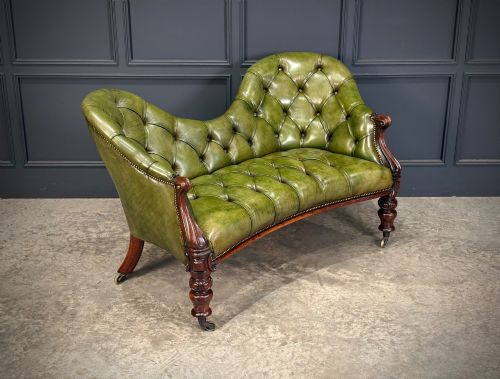
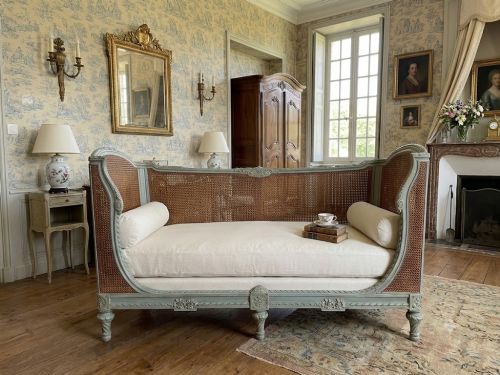
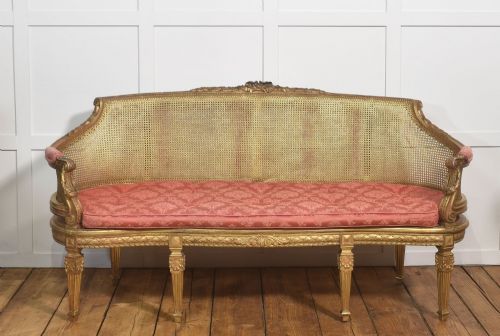
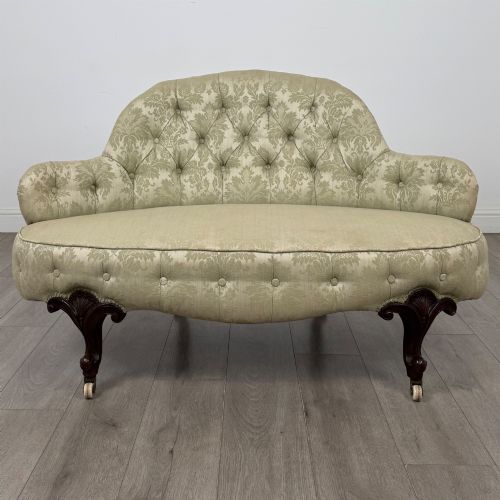
Upholstery methods varied from traditional horsehair stuffing and deep buttoning to supportive sprung bases covered in rich brocade, velvet, or leather. Caning panels appear frequently in French-inspired and lighter framework variations.
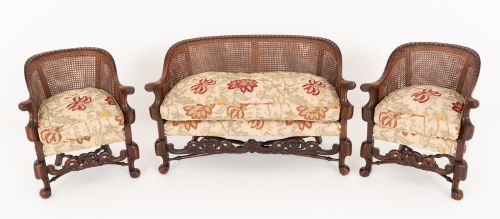
The listings span from the eighteenth century to the 1930s, featuring walnut, mahogany, and caned frames.
Assessing Quality and Execution
The distinction between standard commercial seating and finer examples lies in the crispness and depth of the timber carving. Superior pieces exhibit hand-chiseled details that retain sharp edges and harmonious proportions along the entire frame.
Joinery execution defines structural longevity, with high-grade pieces maintaining tight joints and substantial timber thickness in the legs and arm supports. The integration of the backrest design with the structural seat rails indicates the maker's level of care.
Howard and Sons·Giles Grendey
The Carved Back Settee Glossary
- Bergere
- An enclosed upholstered armchair or settee featuring wooden frames and tightly woven cane sides or backs.
- Canapé
- A decorative French-style sofa featuring an exposed wooden frame and an upholstered seat.
- Cameo back
- An oval-shaped upholstered backrest framed by carved wood, popular during the Victorian period.
- Giltwood
- Timber treated with a thin layer of gold leaf or gilt paint for decorative brilliance.
- Settee
- A long wooden or upholstered seat with a back and arms, designed for multiple occupants.
Carved Back Settee: Frequently Asked Questions
How do I date a carved back settee?
Dating relies on examining the timber species, secondary woods, and stylistic motifs carved into the frame. Georgian pieces often show lighter mahogany work, while Victorian versions favour heavier walnut and deep buttoning.
Construction techniques like hand-cut joints and original upholstery webbing also provide chronological clues. Comparing the silhouette against known design revivals helps narrow down the decade of manufacture.
Were these settees used in bedrooms?
While most large settees resided in formal reception rooms and drawing rooms, smaller variations served specialised domestic spaces. Window seats and chaise longues were frequently placed in private dressing rooms and upper chambers.
Lighter caned frames suited sunrooms and garden parlours where heavy upholstery was impractical. Their placement depended entirely on the scale of the room and the social habits of the household.
How should I care for historic upholstery?
Historic fabrics and leather require gentle maintenance using soft brush attachments on vacuums to remove surface dust. Direct sunlight should be avoided to prevent fading on delicate silks and velvets.
Professional conservation is recommended for fragile antique textiles or compromised internal stuffing. Maintaining stable room humidity protects both the fabric fibres and the internal wooden framework.
What is the difference between a sofa and a settee?
Historically, a settee referred to a wooden or partially upholstered seat designed for multiple sitters, often featuring a prominent carved back. Sofas traditionally offered fuller upholstery and deeper cushioning for reclining.
Over time, the terms became largely interchangeable in furniture trade descriptions. The presence of exposed carved woodwork often aligns more closely with the traditional definition of a settee.