
Carved Back Bench Seat
A carved back bench seat brings historical presence and structured seating to a hallway or living space.
Carved Back Bench Seat
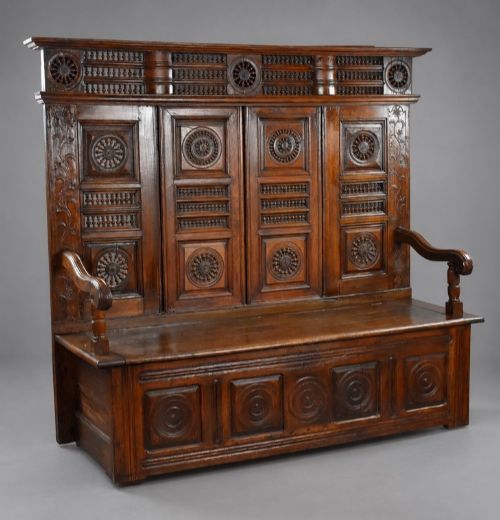
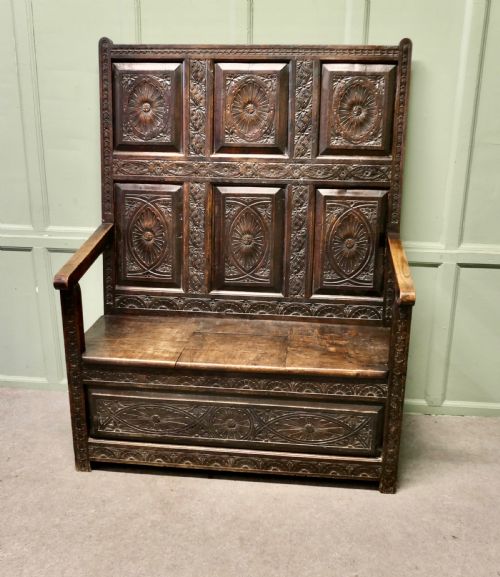
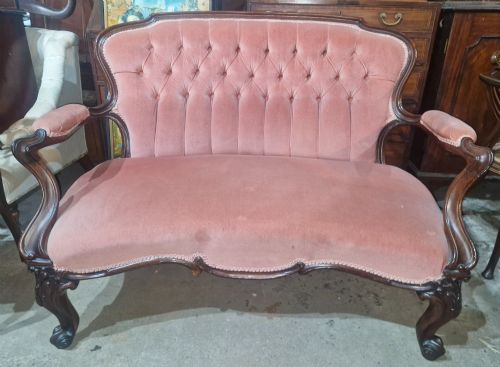
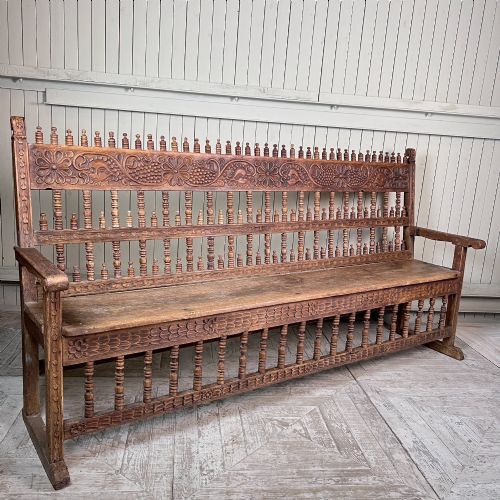
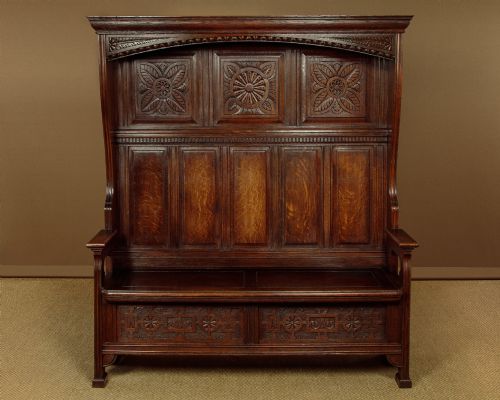
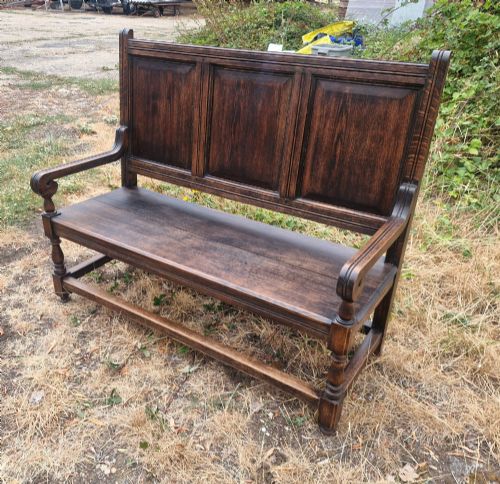
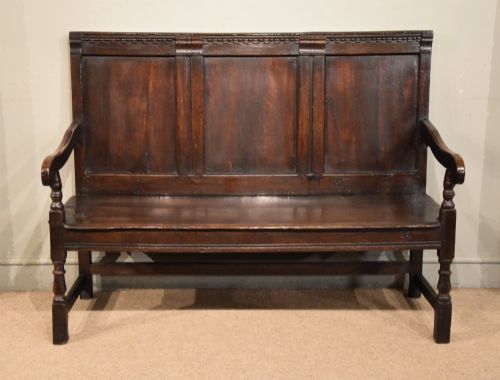
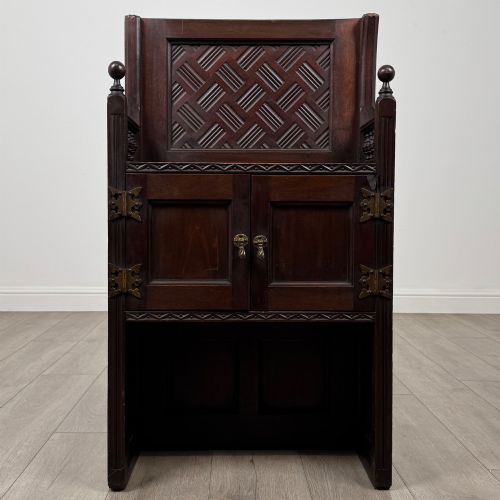
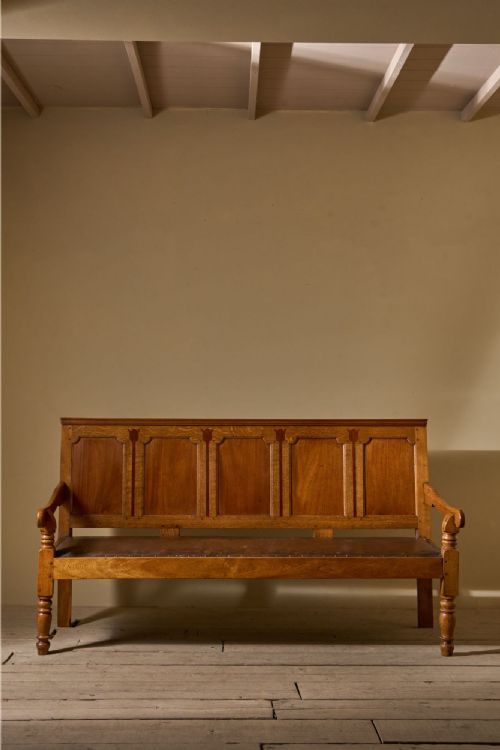
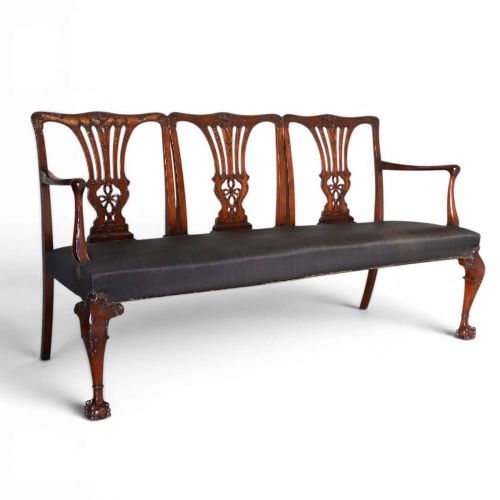
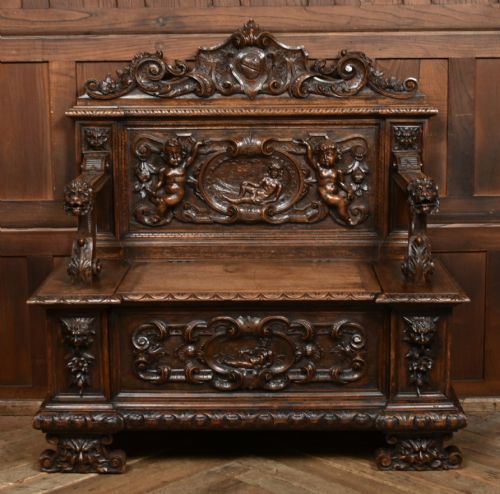
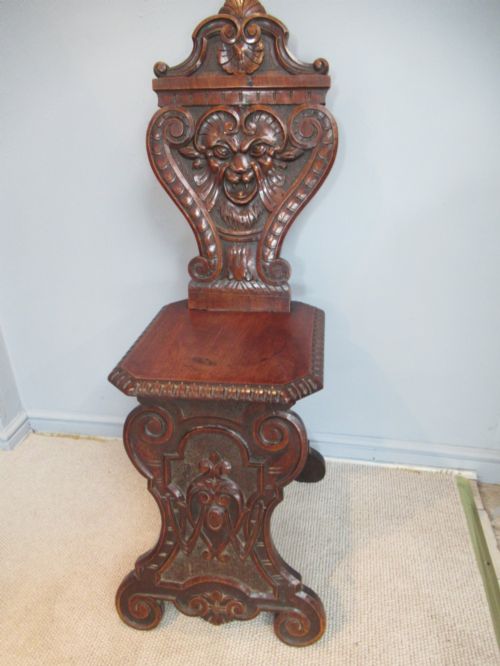
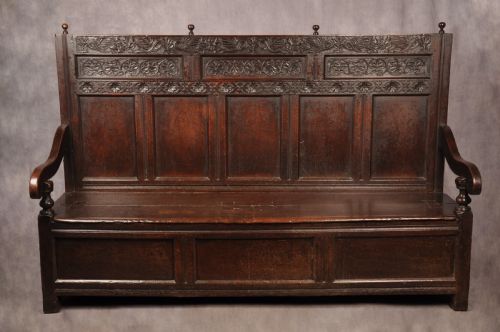
A carved back bench seat combines practical domestic seating with decorative woodwork spanning centuries of furniture design. When searching for a carved back bench seat, buyers encounter robust hall benches, high-backed settles with integrated storage boxes, and open framework settees.
The pieces appearing on this page originate predominantly from the eighteenth and nineteenth centuries, alongside regional variations from the seventeenth century and early twentieth-century revivals. Oak dominates the earlier periods, while mahogany, walnut, and rosewood emerge in later Victorian and Edwardian examples.
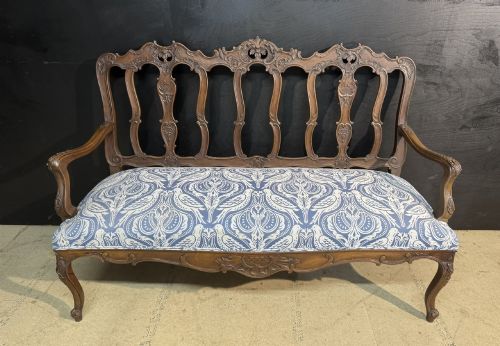
Traditional forms range from high-back panelled settles designed to block cold draughts in older properties to elegant mahogany settees with open carved backs. Regional iterations, including Spanish colonial and French provincial models, frequently incorporate structural storage compartments beneath the seat.
Evaluating craftsmanship and integrity
Quality rests upon the proportion and depth of the carved ornamentation relative to the structural integrity of the frame. Superior examples display crisp, hand-cut detail that integrates naturally into the architectural members of the bench rather than appearing superficial.
Surface preservation distinguishes exceptional pieces, where original timber patination and honest wear remain intact beneath centuries of polish and wax. Alterations to the seat base or replaced panels alter the historical coherence of the piece.
Several high-backed settles were originally built narrow enough to trap body heat around the sitter while keeping the ankles clear of draughty flagstone floors.
The Carved Back Bench Seat Glossary
- Settle
- A wooden bench featuring a high solid back, enclosed arms, and frequently a box compartment beneath the seat for storage. This form evolved to deflect cold air in draughty period halls.
- Cassapanca
- An Italian wooden bench incorporating a large storage chest as its base, often fitted with a backrest and carved arm supports. These pieces served as both seating and secure storage in grand domestic interiors.
- Box settle
- A heavy oak bench featuring a hinged seat lid that opens to reveal an internal storage well. They were standard fixtures in seventeenth and eighteenth-century farmhouses.
- Bergere
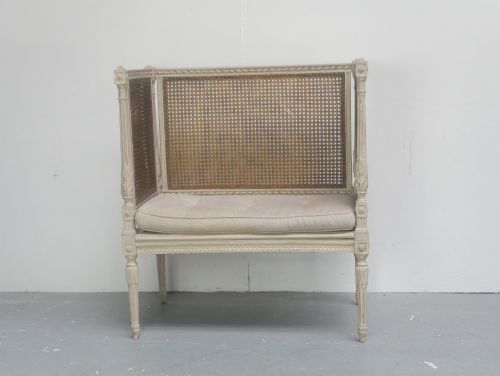
- An enclosed armchair or sofa featuring woven cane work on the back and sides. The technique provides a lighter visual weight compared to solid wood or fully upholstered frames.
- Panelling
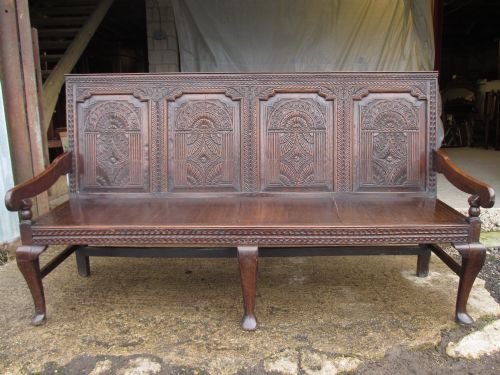
- Flat timber sections fitted within a grooved wooden framework to prevent warping as the wood expands and contracts. Early settles frequently utilise three or four panel configurations on the backrest.
Carved Back Bench Seat: Frequently Asked Questions
Where should I place a heavy wooden settle?
These tall wooden benches suit entrance halls, boot rooms, or large living spaces where their solid backs can anchor against a wall.
Because many historical examples feature integrated storage boxes beneath the seat, they also function practically for stowing bulky items out of sight.
How do I care for antique oak furniture?
Maintain the timber by applying traditional beeswax sparingly and buffing with a soft cloth to nourish the grain.
Keep wooden benches away from direct heat sources and severe humidity fluctuations to prevent the natural timber from splitting.
Can I use an upholstered bench daily?
Upholstered and caned variations function well for regular seating provided the internal webbing and support structure remain sound.
Fabric choices on Victorian and Edwardian pieces can be updated to suit modern interiors while preserving the antique wooden frame.
How do I distinguish eighteenth-century oak from later revivals?
Examine the timber boards underneath and behind the piece for tool marks, hand-cut joinery, and natural shrinkage consistent with age.
Revival pieces from the early twentieth century often display machine-sawn uniformity and lighter, more standardised construction methods.