

20th Century Hall Cabinet
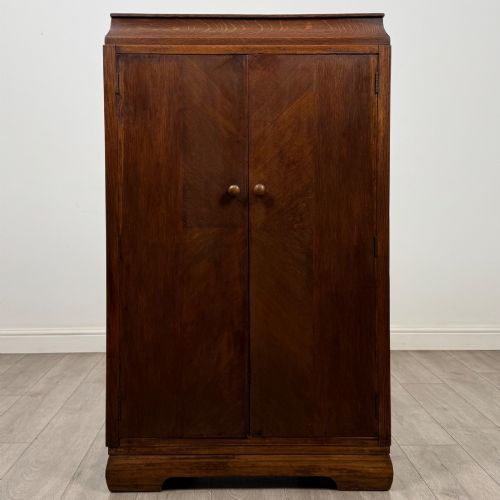
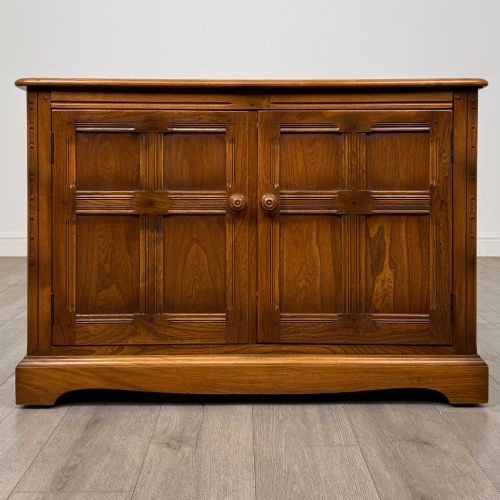
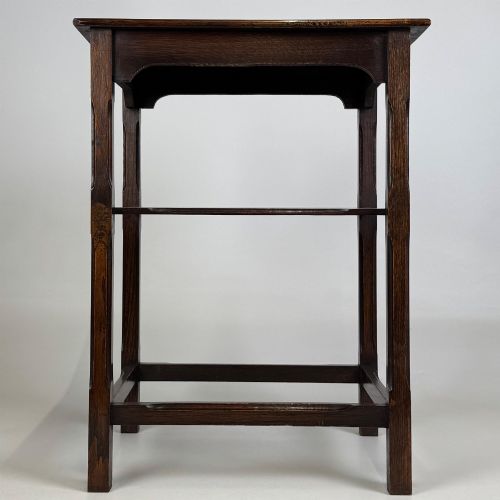
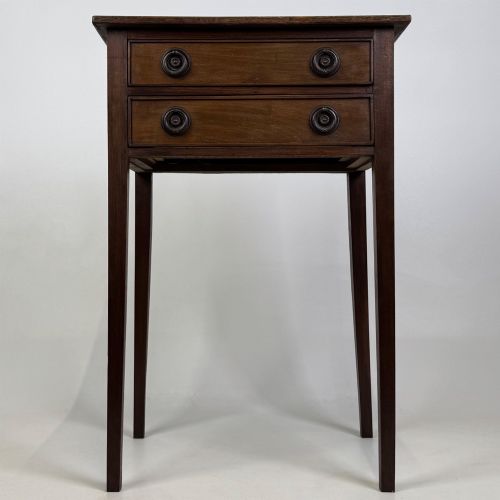
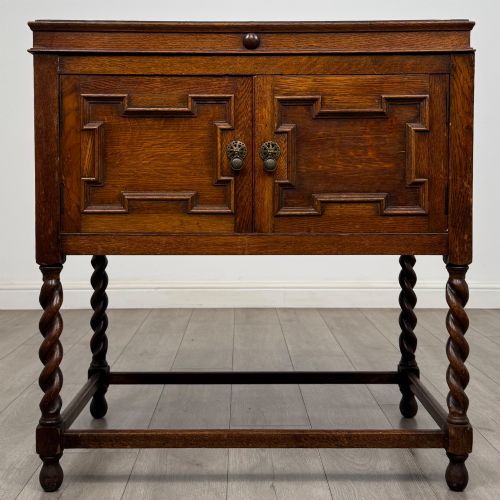
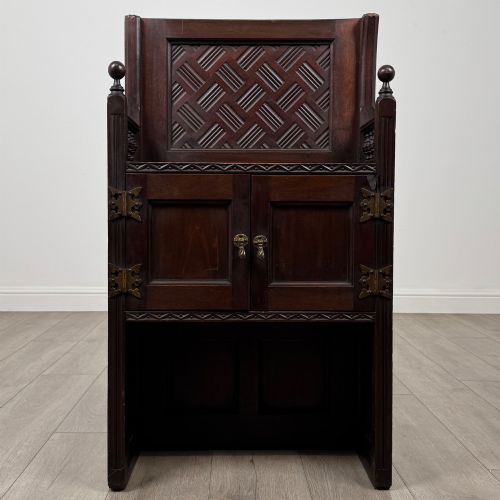
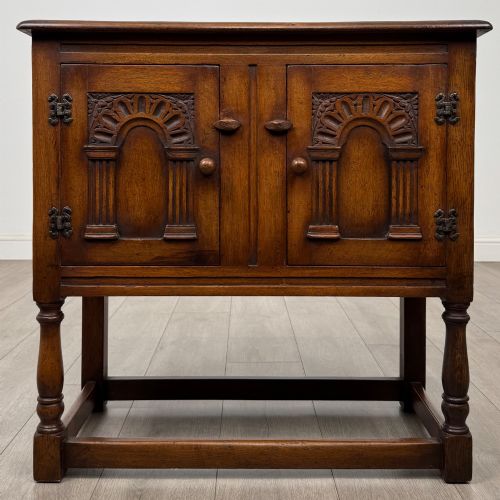
These pieces are a 20th century hall cabinet, sturdy storage furniture designed for narrow spaces that brings period character to a modern entrance.
20th Century Hall Cabinet
A 20th century hall cabinet usually takes the form of a cupboard or side table built for compact entryways and corridors. The selection on this page centres on Edwardian pieces alongside a few items from the 1920s.
Most examples found here appear in oak, including golden oak and stained wood variants, supplemented by occasional mahogany. Storage cupboards and side cabinets dominate the forms, alongside side tables and combined hall seats.
Stylistic influences lean heavily into revivalist tastes, featuring Jacobean, Tudor, and Queen Anne revival details alongside simpler Edwardian designs. These pieces offer practical storage with distinct period presence.
How they were made
Cabinet makers relied primarily on solid oak and mahogany for these items, sometimes applying stain to achieve darker finishes. Timber selection focused on durability for furniture destined for busy transitional spaces.
Construction techniques incorporate traditional joinery suited to heavy use, complemented by brass and iron hardware. Surface ornament often includes linenfold carving or revival motifs executed by hand or machine in the early decades of the century.
Listings span Edwardian and 1920s periods, featuring oak, mahogany, and walnut woods.
What varies in quality
Quality differences stem from timber selection and the crispness of decorative carving. Pieces utilising figured oak or walnut command attention through rich grain patterns and deeper visual texture.
Construction depth separates standard utility items from finer examples, particularly where secondary timbers and original hardware remain intact. Revival details such as linenfold panels show varying degrees of carving skill.
The 20th Century Hall Cabinet Glossary
- Linenfold
- A style of relief carving imitating folded linen, often seen on cabinet doors of this era. It brings texture and historical allusion to flat wooden panels.
- Lowboy
- A small low table with drawers, typically resting on four tall legs. The form dates back earlier but appears in revival variants during the twentieth century.
- Revival
- A design movement that borrows motifs from earlier historical periods like the Jacobean or Queen Anne eras. It reflects the retrospective tastes popular in early twentieth century domestic interiors.
- Golden oak
- A bright, warm timber finish popular on furniture from the Edwardian period onwards. It highlights the natural grain of the wood under a clear protective coat.
20th Century Hall Cabinet: Frequently Asked Questions
What is a 20th century hall cabinet used for?
These cabinets provide compact storage in hallways and entrance spaces for everyday items like gloves, post, and keys. Their shallow depth allows them to fit narrow corridors without obstructing movement.
Some examples also incorporate seating or open surfaces, combining utility with a place to sit when putting on shoes.
How do I identify an Edwardian hall cabinet?
Edwardian pieces generally date from the opening years of the twentieth century up to the First World War. They frequently employ oak or mahogany and often draw upon earlier historical styles for decorative inspiration.
Look for honest construction, characteristic brass or iron hardware, and revival details such as linenfold panels or simple bracket feet.
How do I care for a wooden hall cabinet?
Keep wooden furniture away from direct heat sources and strong sunlight to prevent the timber from drying out or splitting. Dust regularly with a dry cloth and apply a quality wax polish occasionally to nourish the finish.
Avoid using silicone-based sprays, which can build up on the surface and dull the grain over time.
What styles are common in these cabinets?
Revival styles dominate this category, echoing earlier Tudor, Jacobean, and Queen Anne aesthetics. These designs offer historical character while serving modern storage needs.
Simpler Edwardian forms without heavy historical revivalism also appear, focusing on clean lines and practical timber construction.