

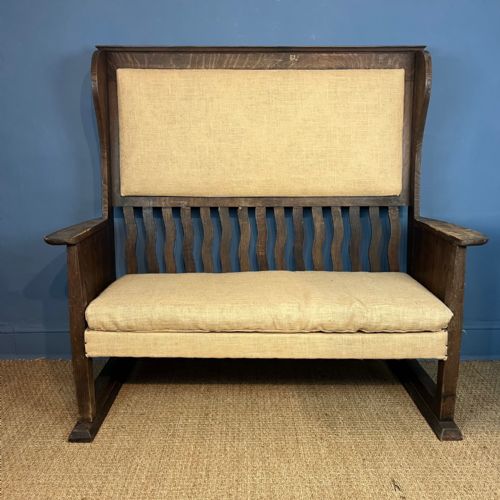


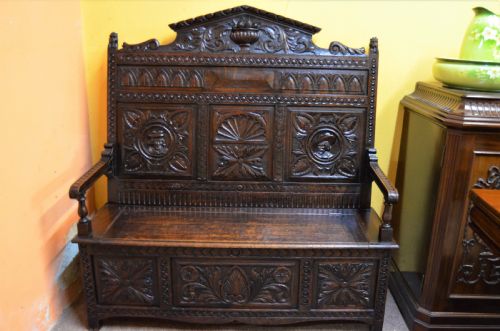

Edwardian Entry Seat
These edwardian entry seat pieces bring practical hallway seating into the home with period timber and robust construction.
Edwardian Entry Seat
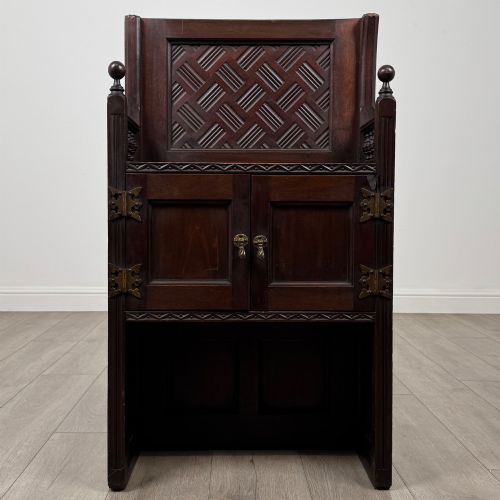
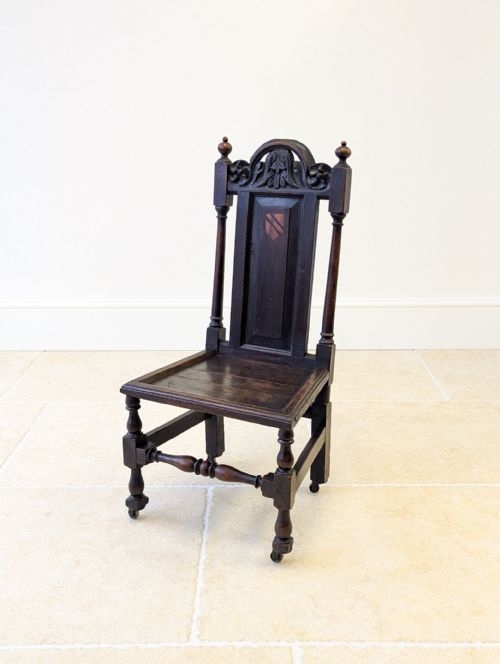
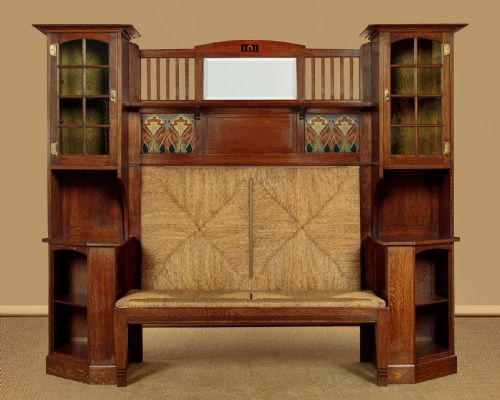
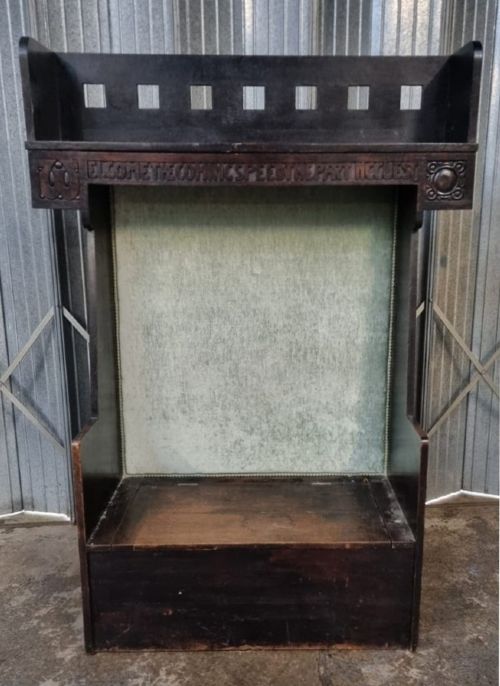
An edwardian entry seat provides functional hallway furniture designed for practical use near the front door. These pieces encompass various forms including settles, benches, and hall chairs fashioned from timber.
Materials and construction
Construction relies heavily on solid oak and mahogany timbers, frequently shaped with hand carving. Metal elements such as brass mountings appear on specific designs to secure joints and enhance structure.
Joinery techniques reflect traditional cabinet making, utilising pegged joints and sturdy framing to withstand daily use in domestic entryways.
Some settles double as secret storage boxes for muddy boots, keeping hallway floors remarkably tidy since eighteen-something.
Distinguishing quality
Quality rests upon the depth and crispness of the carved ornamentation, distinguishing standard utilitarian items from finely detailed works. Timber selection also matters, with superior examples displaying rich grain patterns in golden oak or polished mahogany.
Structural integrity and the preservation of original fixings dictate the lasting value of each piece. Better items retain their original brass mounts and structural rigidity without excessive timber replacement.
The Edwardian Entry Seat Glossary
- Settle
- A wooden bench with a high back, solid arms, and often a hinged seat concealing a storage box below. This form provides draught protection in traditional entrance halls.
- Hall chair
- A rigid wooden seat designed primarily for intermittent use in hallways rather than long periods of sitting. These often feature carved shield backs or panelled timber.
- Jacobean Revival
- A nineteenth-century style emulating seventeenth-century English furniture design through heavy proportions and geometric panel carving. This aesthetic appears frequently on oak seating.
- Arts and Crafts
- A design movement valuing honest construction, visible joinery, and simple forms inspired by medieval craftsmanship. Pieces from this tradition avoid excessive factory ornamentation.
Edwardian Entry Seat: Frequently Asked Questions
Where should I place an entry seat?
These pieces suit entrance halls, boot rooms, or corridors where guests remove coats and shoes. Their compact depth allows them to sit flat against hallway walls without obstructing pathways.
Ensure the chosen spot has sufficient clearance for any high backs or integrated storage lids to open fully without marking nearby plaster.
How do I care for antique hall seating?
Maintain the timber surfaces by applying natural beeswax periodically to nourish the grain and prevent the wood from drying out. Avoid placing these seats directly beside radiators or in strong sunlight.
Dust intricate carvings regularly with a soft brush to prevent dirt accumulation in the recessed areas of the woodwork.
How can I identify the period of these seats?
Examine the timber species, tool marks, and stylistic decorative motifs such as Gothic tracery or Arts and Crafts simplicity. Victorian pieces often display heavy carved oak, while Edwardian examples show lighter golden oak or mahogany construction.
Look underneath the seat and at the joints for hand-cut elements that distinguish older handmade examples from later reproductions.