




Carved Architectural Element
These carved architectural element pieces bring structural depth and history inside, drawn from centuries of building traditions.
Carved Architectural Element
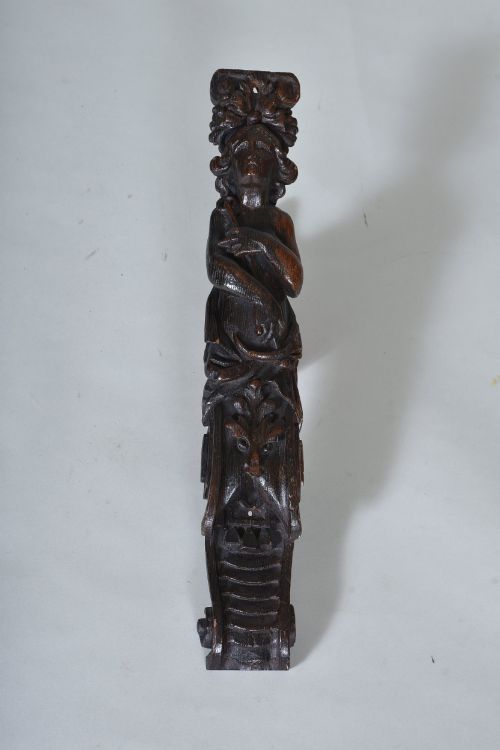
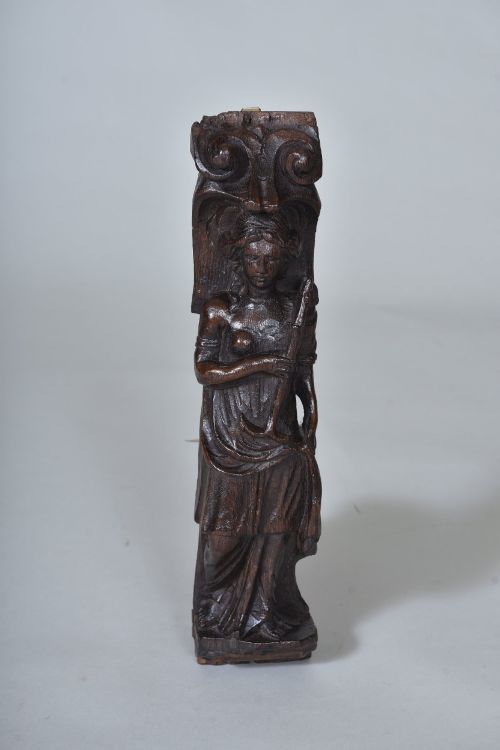
A carved architectural element represents fragments and details removed from larger buildings, ranging from domestic interiors to grand institutional facades. When you search for a carved architectural element, you encounter items shaped by carpenters, stonemasons, and sculptors for structural or decorative roles.
The selection on this page leans heavily towards wooden items, notably oak and walnut, alongside stone and plaster fragments. You meet pieces spanning the sixteenth century through to the Victorian era and the close of the nineteenth century.
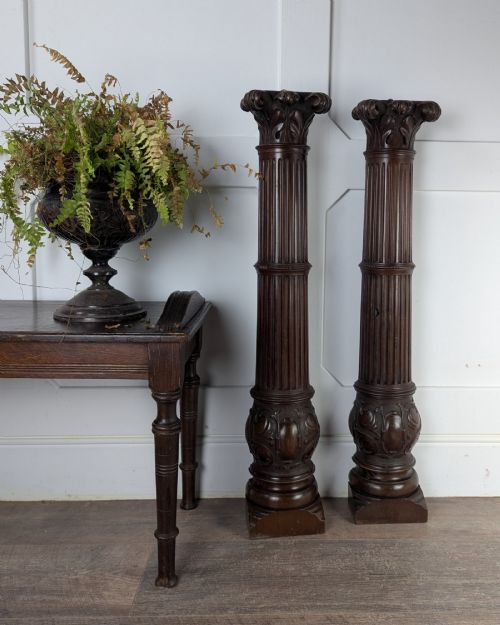
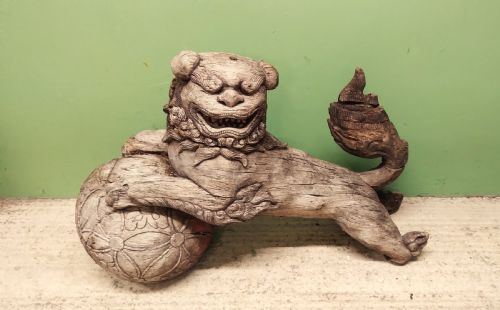
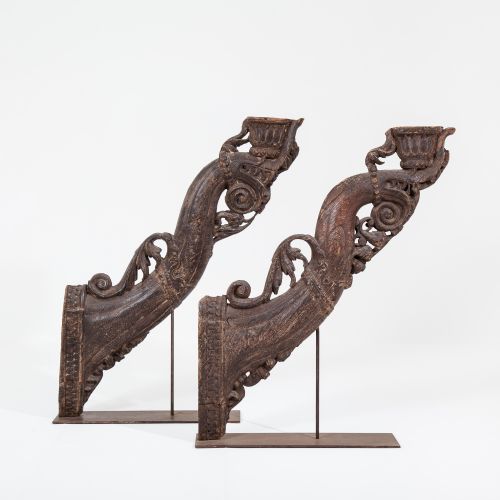
Common formats include ceiling boss panels, wall brackets, columns, capitals, and figural carvings such as terms and lion heads. These items originate from diverse European, Asian, and British contexts, reflecting regional styles from French chateaux to Indian temples.
Materials and Construction
Craftsmen shaped these items primarily from solid timber such as oak, walnut, mahogany, and pine, working the material with gouges, chisels, and saws. Stonemasons carved similar components from dense stone or cast them in plaster to support weight or adorn masonry.
Surface treatments applied to the raw material include gesso, gold leaf, silver leaf, and polychrome paint. These finishes served to protect the substrate while adding decorative emphasis to carved details like acanthus leaves, tracery, and figures.
Listings feature items spanning the sixteenth to the nineteenth centuries, executed in oak, walnut, stone, plaster, and iron.
Judging Quality and Execution
Quality rests upon the depth of the carving and the confidence with which the maker handled the material. Master carvers achieved clean, crisp undercut details that cast natural shadows, whereas lesser work appears flat and hesitant.
The integrity of the remaining surface finish also determines the standing of a piece. Original gilding, early paint layers, or undisturbed aged patina hold greater visual weight than later sanding or unsympathetic cleaning.
LUIGI FRULLINI
The Carved Architectural Element Glossary
- Corbel
- A structural member projecting from a wall to support a weight inside or above. They often terminate in carved scroll or figural forms.
- Ceiling Boss
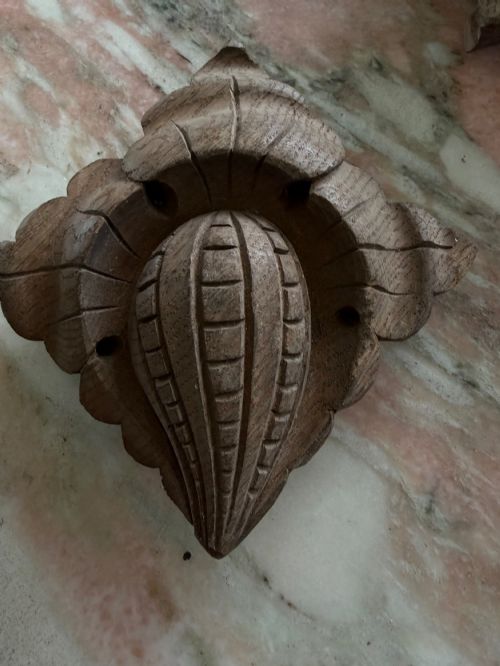
- A decorative projecting block placed at the intersection of ribs in a ceiling vault. Medieval and later examples frequently feature floral or figurative carving.
- Finial
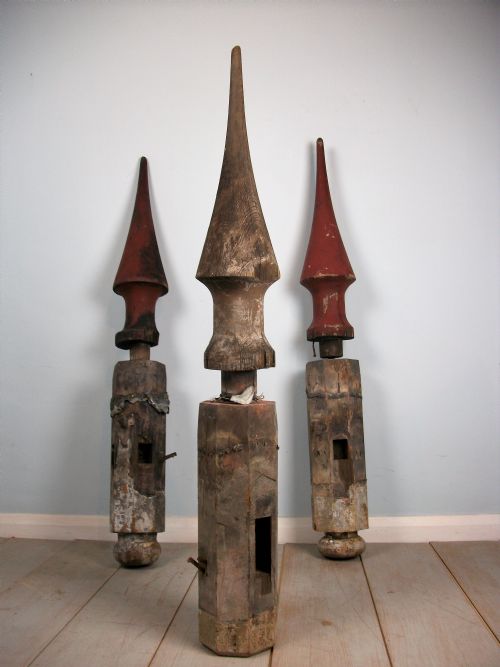
- A distinct decorative ornament that fixes to the top of a roof, gable, or spire. These elements terminate vertical structures with carved profiles.
- Caryatid
- A sculptured female figure serving as an architectural support taking the place of a column or a pillar. Male equivalents are known as atlantes or terms.
- Tracery
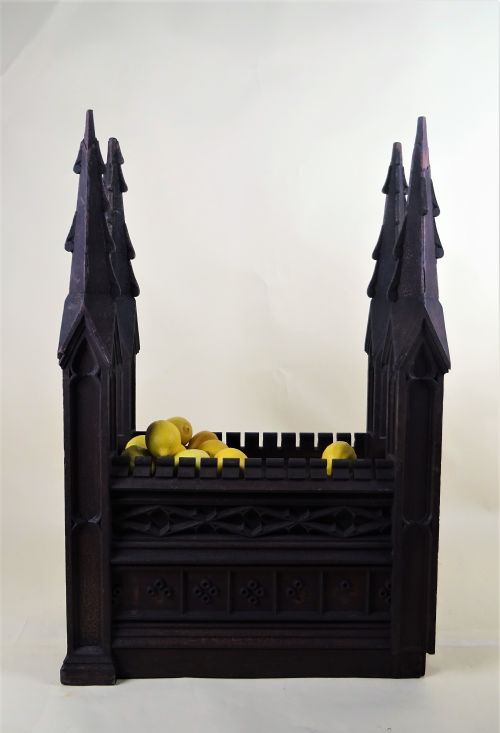
- Ornamental stonework or timber work forming patterns in the upper part of a Gothic window or panel. This technique creates openwork geometric designs.
Carved Architectural Element: Frequently Asked Questions
What is a carved architectural element?
A carved architectural element is a decorative or structural component salvaged from a building, such as a bracket, panel, column capital, or ceiling boss.
These pieces were originally part of larger architectural schemes in houses, churches, or civic structures before being removed and preserved as standalone decorative objects.
How were these pieces used originally?
Builders integrated these carvings directly into the fabric of buildings to support beams, frame doorways, ornament ceilings, or finish roof timbers.
Many served both load-bearing and decorative functions, combining structural utility with the sculptural taste of the period.
How can I display an architectural element at home?
Collectors often mount wooden panels and brackets directly onto interior walls as focal art pieces or display stone corbels on sturdy tabletops.
Larger items like columns and capitals work well as freestanding pedestals or sculptural floor pieces within a room.
How do I tell different periods apart?
Differentiating periods relies on recognising stylistic markers, such as heavy Gothic tracery in medieval and nineteenth-century revival pieces, or classical Corinthian orders.
Wood species and tool marks also offer clues, with sixteenth and seventeenth-century items typically showing hand-riven oak construction and early joinery techniques.