
Carved Arch Mirror
A carved arch mirror brings height and reflected light to a room, drawing the eye upward with its curved top.
Carved Arch Mirror
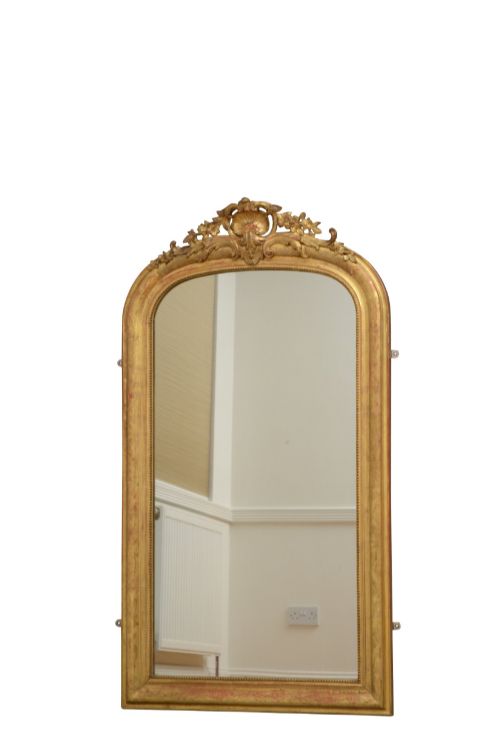
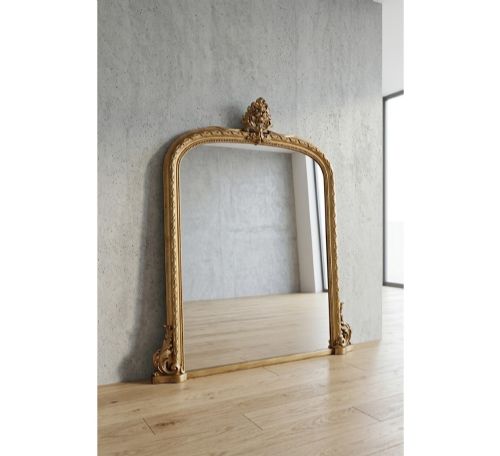
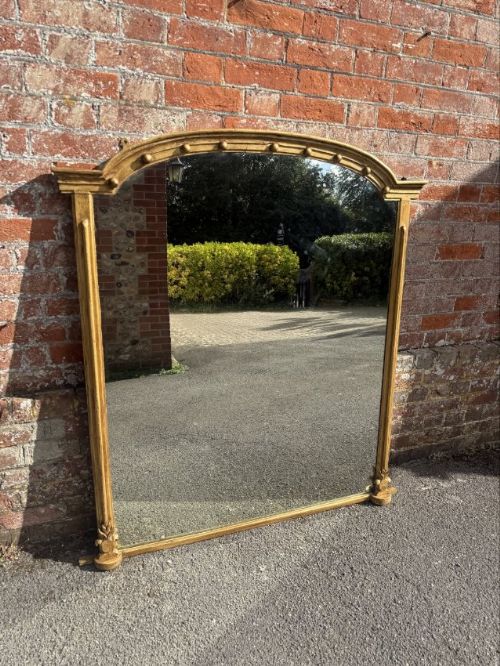
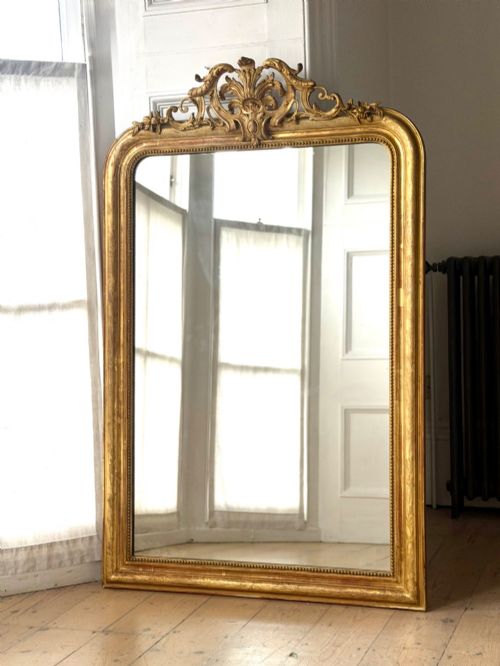
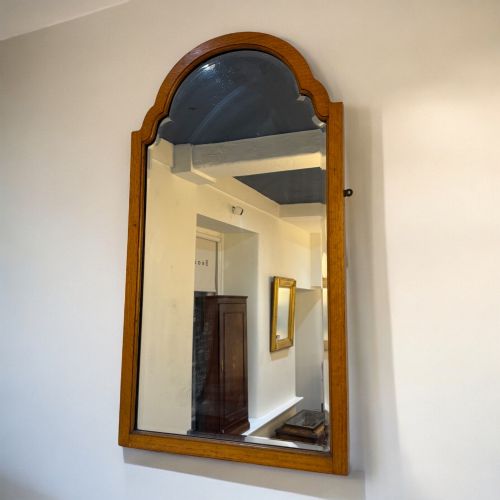
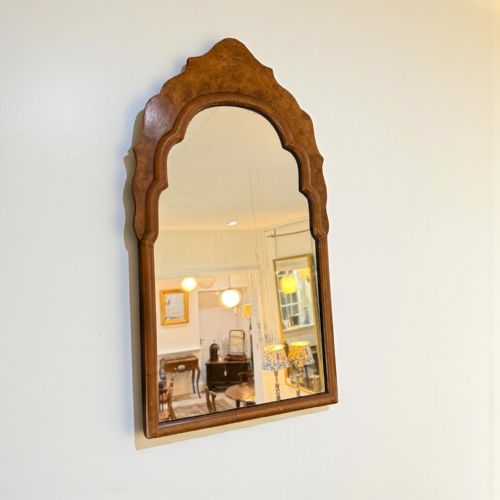
A carved arch mirror combines a rounded upper profile with substantial timber or composition frames, appearing frequently as an overmantel piece or a tall wall hanging. These items span periods from the nineteenth century into the early twentieth century, drawing on French and English design traditions.
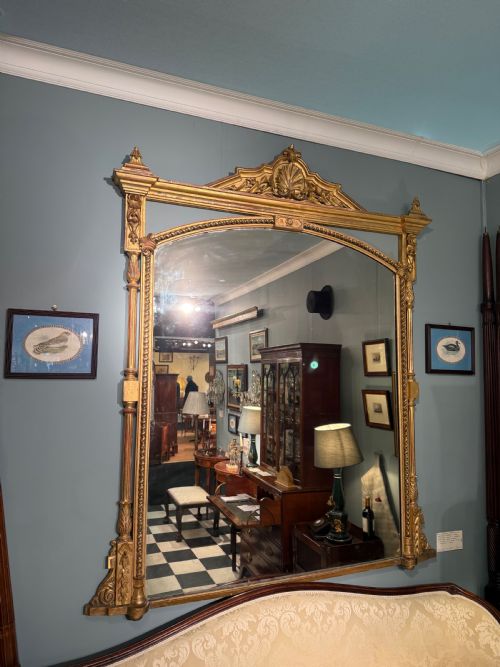
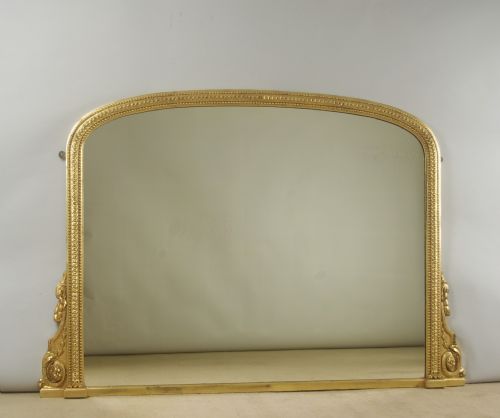
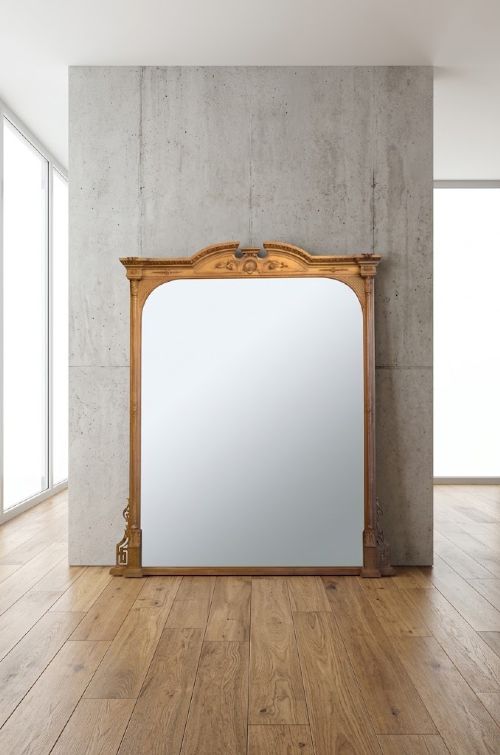
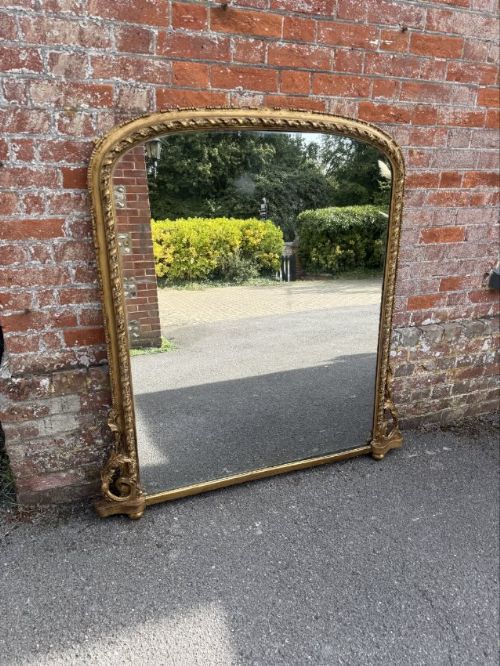
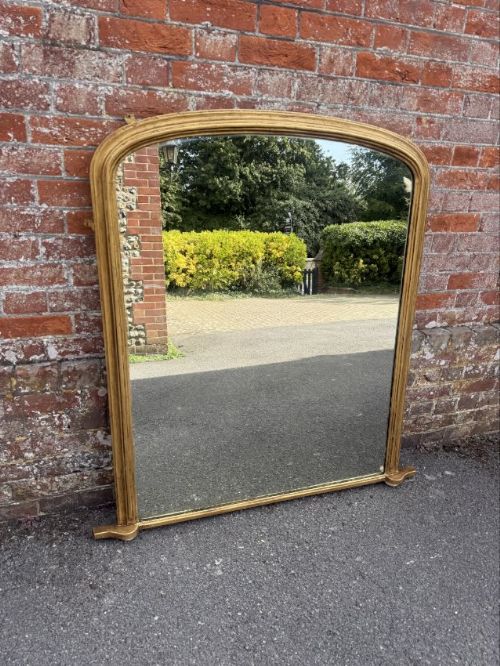
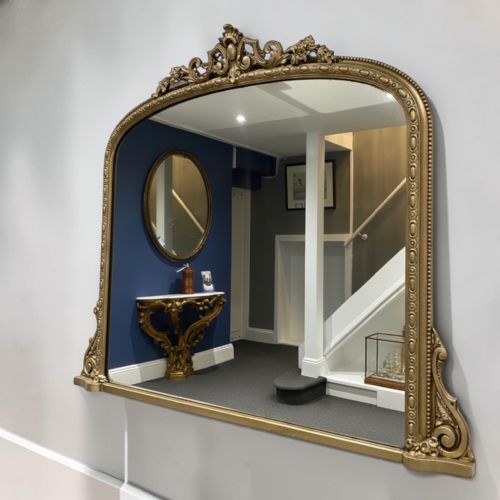
The dominant examples on this page are large Victorian and nineteenth-century overmantel mirrors designed to sit above a fireplace. They display arched crowns paired with gilded or painted wooden structures intended to dominate a principal wall.
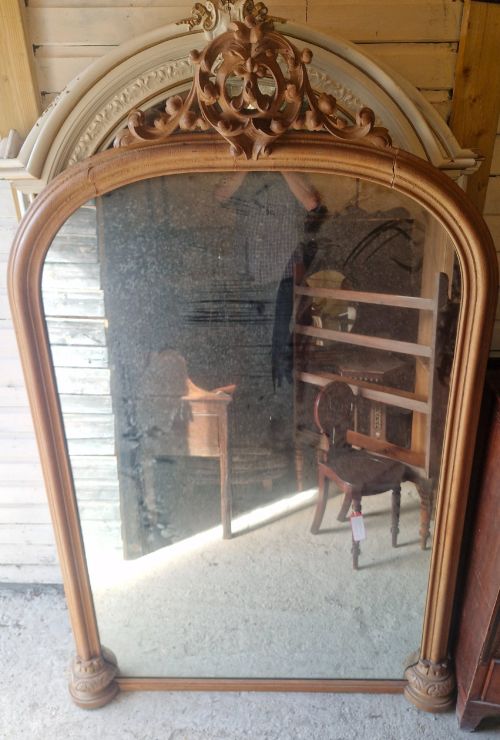
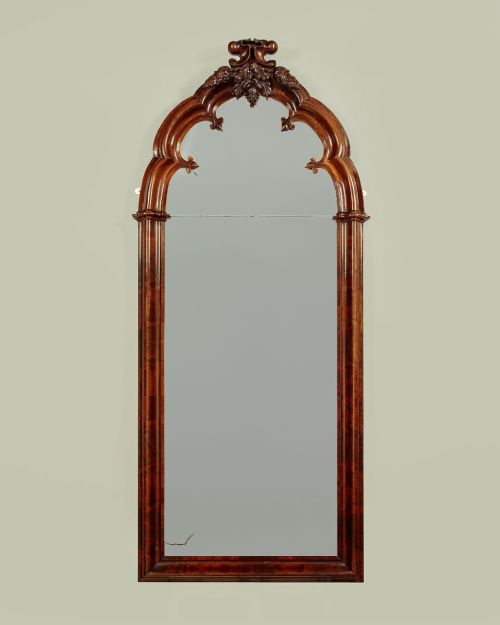
Beyond the standard gilt overmantel, variations include walnut frames, pier mirrors, and painted finishes originating from French provincial or Louis Philippe workshops. Each variant serves a distinct architectural function while retaining the characteristic curved upper sweep.
Materials and construction methods
Carpenters formed the primary structure from timber such as oak, mahogany, walnut, or pine, building robust joints to support heavy glass plates. Carved wooden elements provided the structural framework for the decorative scheme.
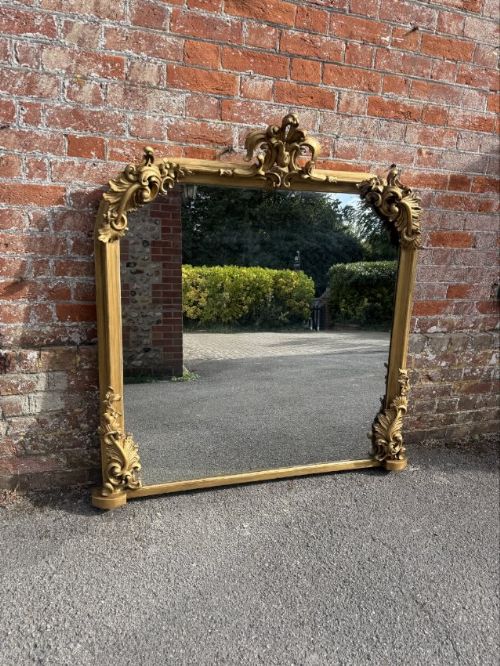
Gilders applied layers of gesso over the wood substrate to build up relief details like rope twists or floral motifs before applying gold leaf or paint. This plaster-like medium allowed craftsmen to carve intricate, sharp ornamentation that solid wood alone could not easily sustain.
Materials recorded on this page include traditional giltwood, gesso, composition, walnut, oak, and mirror glass.
Distinctions in craftsmanship and materials
The depth and crispness of the carved ornamentation separate standard production from superior examples. Heavy gesso build-ups that retain sharp, clean lines in the floral or rope details indicate attentive hand-finishing by skilled artisans.
The original integrity of the silvering on the mirror glass and the tightness of the frame joints govern the overall execution. Pieces that preserve their original gilding and structural cohesion without excessive replacement elements demonstrate higher integrity.
The Carved Arch Mirror Glossary
- Overmantel mirror
- A large horizontal or vertical glass designed specifically to hang on the wall directly above a fireplace mantelpiece. These pieces often feature low-slung frames meant to anchor the domestic hearth.
- Gesso
- A plaster-like preparation mixture consisting of a binder mixed with chalk, gypsum, or pigment, applied to wood. Craftsmen carved directly into this layer to create raised decorative motifs before gilding.
- Giltwood
- Timber that has been coated with gold leaf or gold paint over a prepared ground. It provides a reflective, opulent finish characteristic of formal nineteenth-century interiors.
- Pier mirror
- A tall, narrow glass made to fit the wall space between two windows. They reflect natural light back into the centre of the room.
- Louis Philippe
- A mid-nineteenth-century French style characterised by understated elegance, gentle curves, and minimal ornamentation compared to earlier extravagant court fashions.
Carved Arch Mirror: Frequently Asked Questions
Where should a carved arch mirror hang?
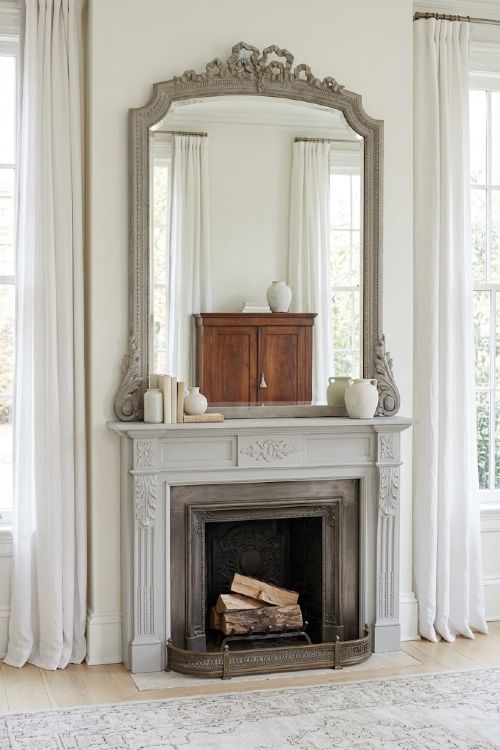
These pieces traditionally anchor the wall space above a fireplace mantel, where their height draws the eye upward and balances the hearth below. They also function effectively on main living room walls to bounce natural light across the floor.
When hanging a heavy overmantel frame, secure the fixings directly into wall studs or masonry to support the substantial weight of the wood and glass safely.
How do I identify a nineteenth-century piece?
Nineteenth-century examples frequently rely on heavy timber frames coated in gesso and giltwood, exhibiting deep carved motifs like rope twists or floral crests. Examining the backboards and the construction joints often reveals period hand-cut fixings and older pine framing.
The glass itself may show subtle distortions or minor age foxing, which points to historical manufacturing techniques rather than modern float glass production.
What is the difference between a wall mirror and an overmantel?
An overmantel mirror is engineered specifically in proportion to sit above a fireplace, often featuring a wider base or a shape tailored to mantel dimensions. Standard wall mirrors focus on vertical or square formats intended for general room placement.
Both utilise arched tops in this collection, but overmantel variants tend to carry heavier gesso mouldings designed to act as primary focal points in a reception room.
How do I clean an antique gilt frame?
Dust the carved gesso and gilt surfaces gently with a soft, dry brush to prevent dirt from settling into the deep recesses of the ornamentation. Avoid using wet cloths, chemical sprays, or abrasive cleaners, which can strip away fragile gold leaf or historical paint.
If the glass requires wiping, apply a mild glass cleaner directly to a cloth rather than the mirror itself to protect the surrounding wooden frame from moisture damage.