


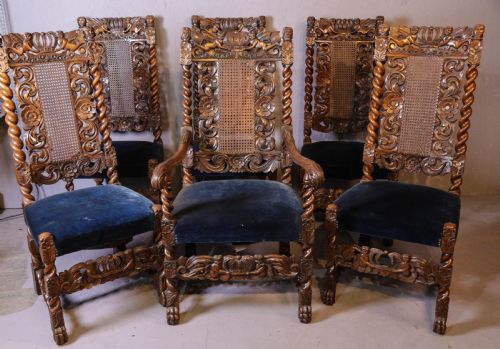


Carolean Walnut Chair
A carolean walnut chair brings substantial 17th-century craftsmanship into a room through carved timber, high backs and rich upholstery.
Carolean Walnut Chair
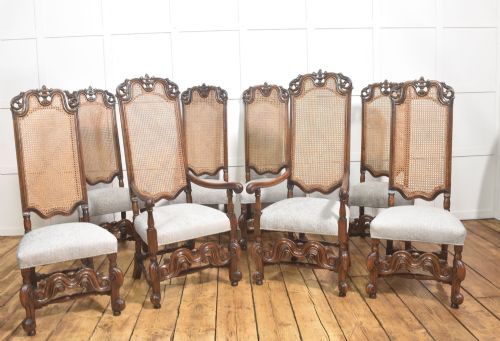
A carolean walnut chair spans authentic 17th-century examples from the late sixteen-hundreds alongside later revival pieces produced during the Victorian era and into the early twentieth century.
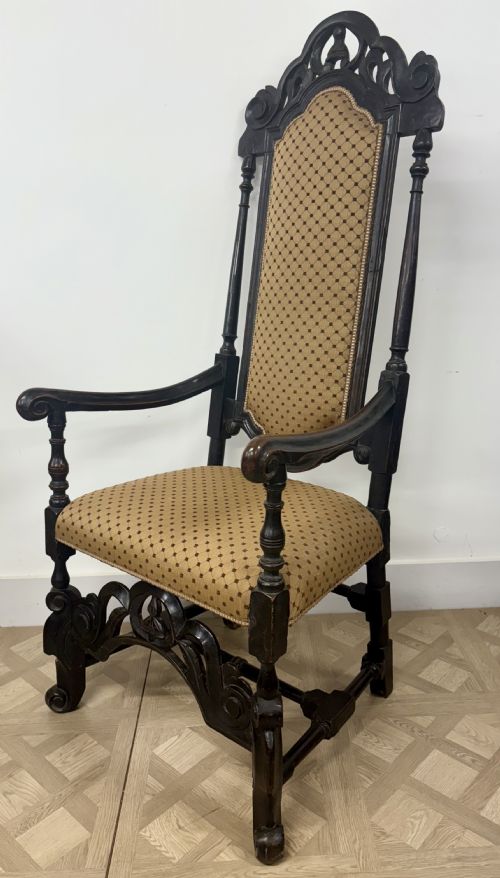
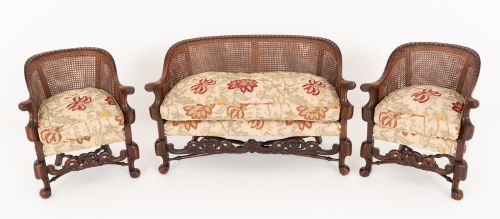
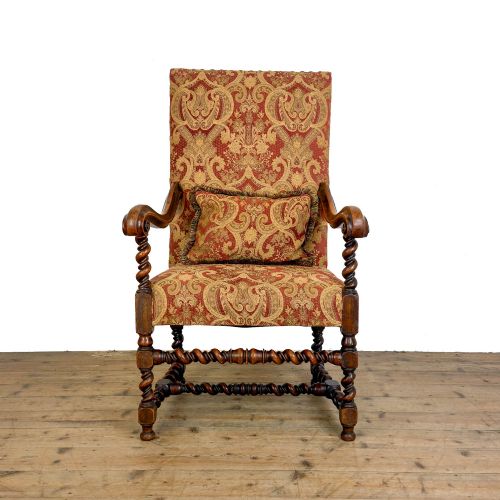
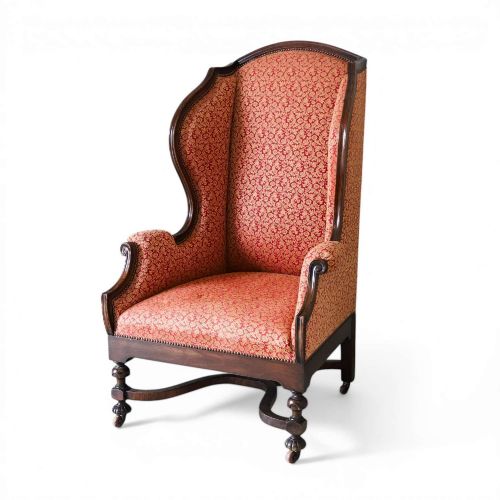
The selection includes armchairs, elbow chairs, side chairs, high-back dining sets, wing library chairs and settees designed for grand domestic spaces.
Buyers will encounter original Restoration-era seating alongside nineteenth-century interpretations that emulate the ornate carving and turned supports of the period.
Materials and Construction
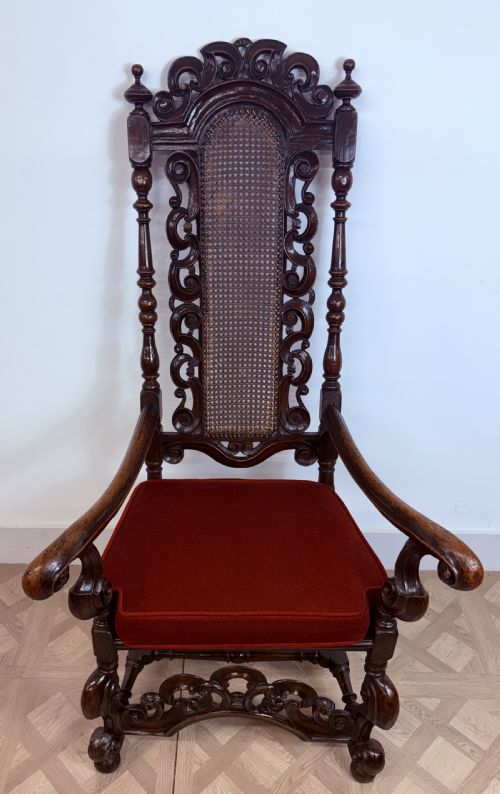
Makers utilised dense walnut for the structural frames, allowing for deep relief carving on crest rails, stiles and stretchers.
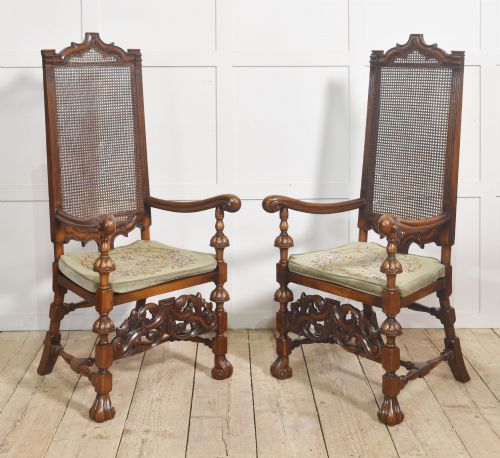
Caning formed the seat and back panels on lighter seating, while heavier library and throne models relied on upholstery fabrics, velvet, tapestry and textile fringe.
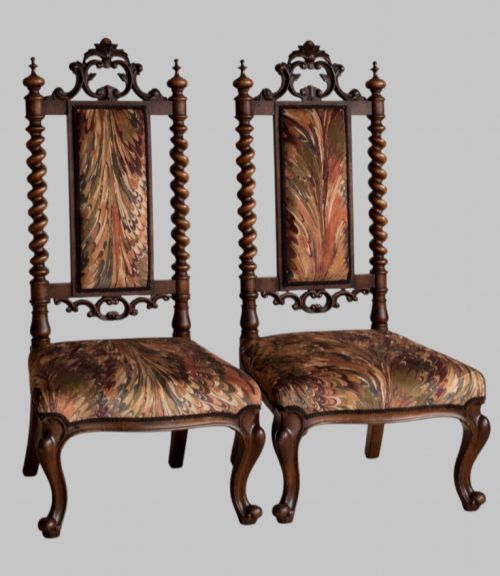
Joinery incorporated barley twist supports, scroll arms and pierced splats secured with traditional pegged joints.
The inventory combines genuine 17th-century seating with extensive revival output from the Victorian era and the early 1900s.
Judging Quality
The depth and crispness of the hand carving distinguish finer examples from simpler production, particularly on the crest rails and front stretchers.
Proportion and structural integrity define the higher tiers, where walnut frames remain solid without excessive reinforcement or replacement elements.
The integration of period textiles, correct cane work or documented provenance elevates the standing of both original and revival pieces.
The Carolean Walnut Chair Glossary
- Cane
- Woven rattan material utilised for the seats and backs of lightweight seventeenth-century chairs to provide flexible support. This material appears frequently on original caned walnut chair examples.
- Barley twist
- A turned wooden furniture leg or stretcher shaped in a spiral twist resembling a rope. This decorative turning technique dominates Victorian revival walnut supports.
- Crest rail
- The top horizontal member of a chair back, typically carved with scrolls, crowns or floral motifs on these seats. It forms the visual focal point of high-back dining chairs.
- Stretcher
- A horizontal wooden brace connecting the legs of a chair to provide structural stability. On these forms, front stretchers often mirror the elaborate carving of the top rail.
Carolean Walnut Chair: Frequently Asked Questions
How do I spot a true 17th-century chair?
Original pieces display authentic hand-cut joinery, oxidized timber surfaces and wear patterns consistent with centuries of use. The wood grain shows deep patination developed over hundreds of years.
Revival pieces from later centuries often present machine-cut elements, heavier applied finishes and standardised carving patterns that lack the spontaneity of seventeenth-century work.
What is the difference between revival and original?
Original seating dates from the late seventeenth-century reigns of Charles II and James II, carrying the direct influence of Restoration court taste. These pieces are exceedingly scarce and carry high historical value.
Revival versions were built during the nineteenth and early twentieth centuries by makers copying those earlier styles for Victorian and Edwardian homes.
Are these chairs comfortable for daily use?
Upholstered wing chairs and low elbow chairs provide substantial padding and support suitable for contemporary seating. High-back dining models and side chairs offer a firm, upright posture intended for formal dining.
Caned panels offer surprising flexibility, though owners often add loose cushions for extended sitting periods.
How should I care for walnut frames?
Maintain the timber by applying occasional quality beeswax to nourish the antique walnut grain and prevent the wood from drying out. Avoid placing seating near direct heat sources or strong sunlight.
Protect cane panels by occasionally dampening the underside with a clean sponge to keep the rattan flexible and prevent snapping.