
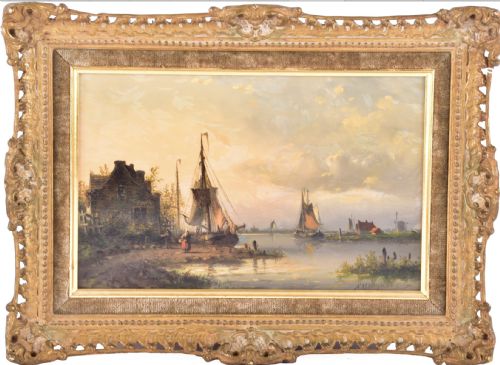
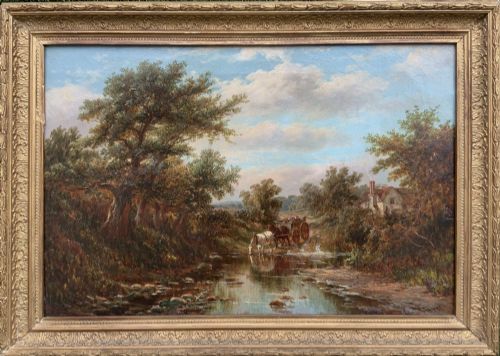
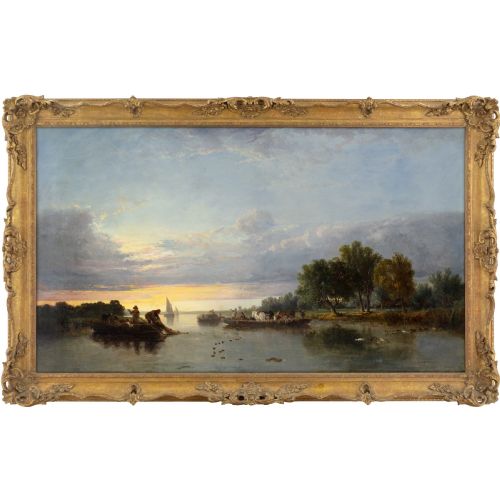


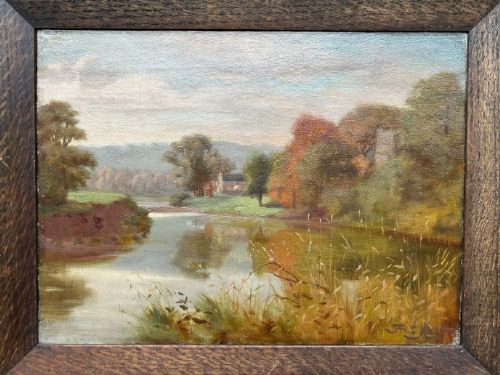
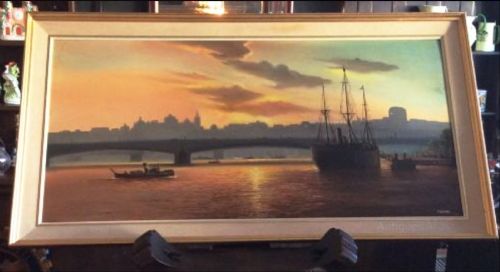
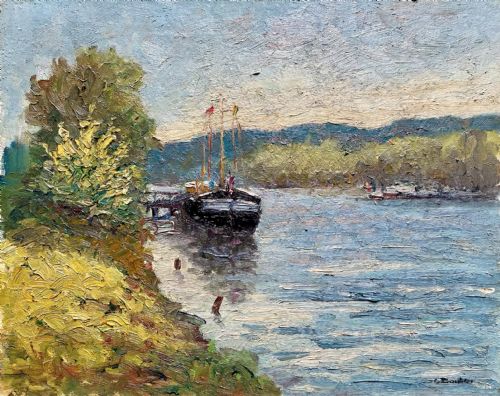
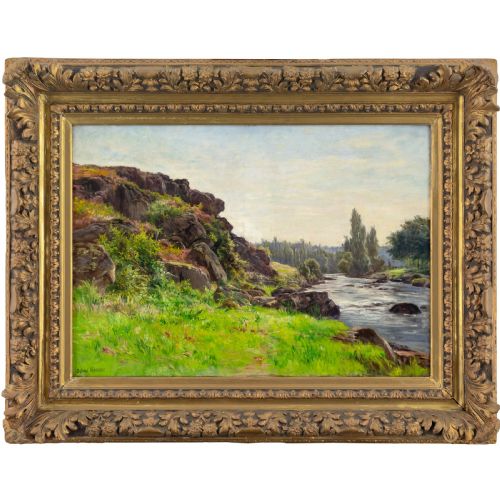
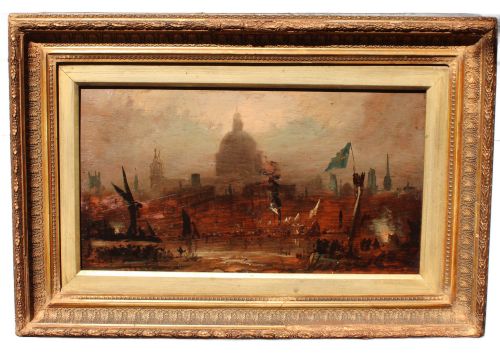

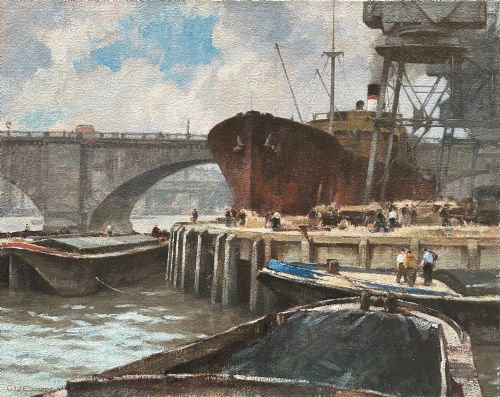
Canvas River Oil Painting
Canvas river oil painting brings traditional waterscapes and pastoral scenes into focus through historical works spanning multiple centuries.
Canvas River Oil Painting
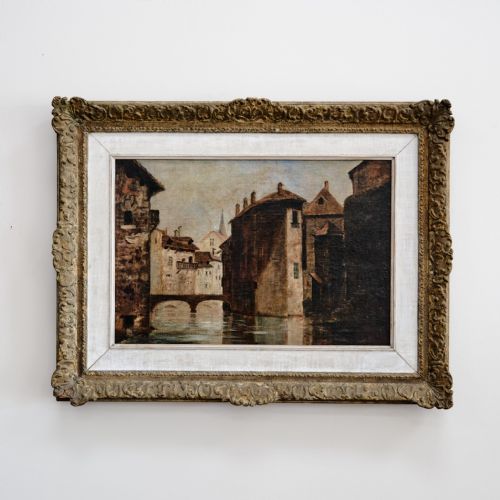
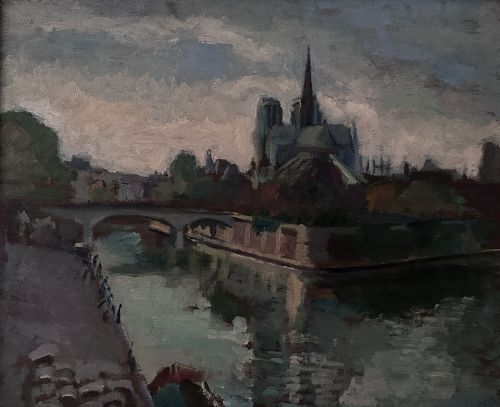
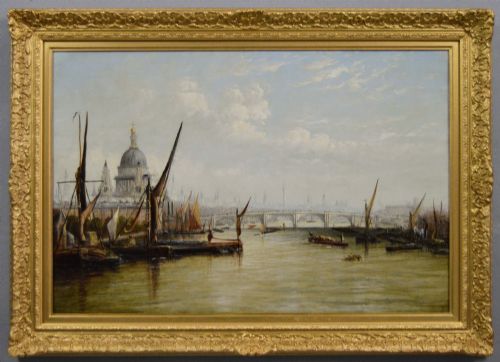
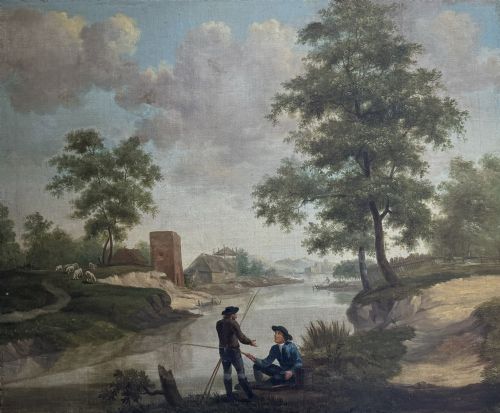
A canvas river oil painting depicts natural waterways, bridges, and maritime views captured through traditional pigment application. These works range from early nineteenth-century studies to mid-twentieth-century post-impressionist interpretations.
The selections on this page feature British, French, and Dutch landscapes showing rural rivers, bustling ports, and quiet pastoral banks. Buyers encounter framed canvas works, boards, and oils applied directly to stretched fabric.
Subjects frequently include figures fishing, livestock watering, and architectural landmarks set beside flowing water. The inventory reflects diverse regional movements including the Barbizon school and British impressionism.
What Varies In Quality
Quality rests upon the artist's handling of light, brushwork fluidity, and the preservation of the original pigment layer. Works displaying confident, expressive application outshine rigid or formulaic compositions.
The integrity of the canvas support and the presence of period frames influence the overall character of the piece. Subtle tonal transitions in water and sky separate accomplished academic or impressionist works from standard decorative output.
Listings include works from the 18th century, Victorian era, and 1960s, utilising oil on canvas, wood, and gesso.
Francis Moltino·Willem Bos·Henri Ottmann·Paul Desire Trouillebert·Hafidh Al Droubi
The Canvas River Oil Painting Glossary
- Canvas
- A heavy woven fabric used as a surface for oil painting. It is typically stretched tightly across a wooden frame before work commences.
- Gesso
- A traditional primer mixture consisting of a binder mixed with chalk or plaster. It is applied to prepare the canvas substrate for oil paint.
- Gilt Frame
- A wooden picture frame coated with gold leaf or metallic gilt paint. These surrounds often date to the period of the painting itself.
- Post Impressionism
- An artistic movement following impressionism that explored emotional and structural elements through bold colour. Practitioners rejected strict naturalism in favor of symbolic content.
- Barbizon School
- A nineteenth-century French movement focused on plein air landscape painting. Artists emphasised direct observation of nature and atmospheric rural scenes.
Canvas River Oil Painting: Frequently Asked Questions
How do I date a canvas river oil painting?
Dating relies on stylistic evidence, stretcher construction, and signatures or exhibition records linked to the artist.
Examining the canvas preparation and frame type also provides reliable clues regarding the decade of creation.
Where should I hang these paintings?
These works suit traditional living spaces, libraries, or studies where lighting can be controlled to prevent glare.
Avoid placing oil paintings in areas with high humidity or direct sunlight to protect the canvas and pigment.
How do I identify the school of painting?
The handling of light, subject matter, and regional palettes often point toward specific movements like British Impressionism or the Barbizon school.
Signatures, exhibition labels on the reverse, and recorded artist biographies further clarify the geographical origin.
What is the difference between canvas and board supports?
Canvas is woven fabric stretched over a wooden frame, offering slight give and a textured surface for brushstrokes.
Board provides a rigid flat support, sometimes utilised when an artist painted en plein air for durability.