

Canvas Oil Portrait Art
Canvas oil portrait art captures centuries of individual likeness and character, offering buyers historic depth and masterly painted presence for their walls.
Canvas Oil Portrait Art
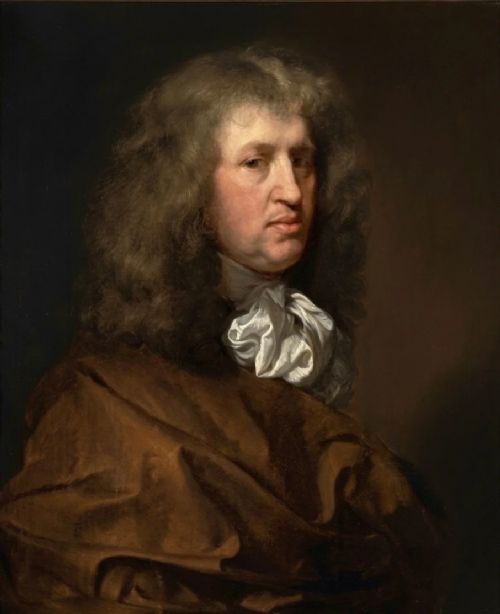
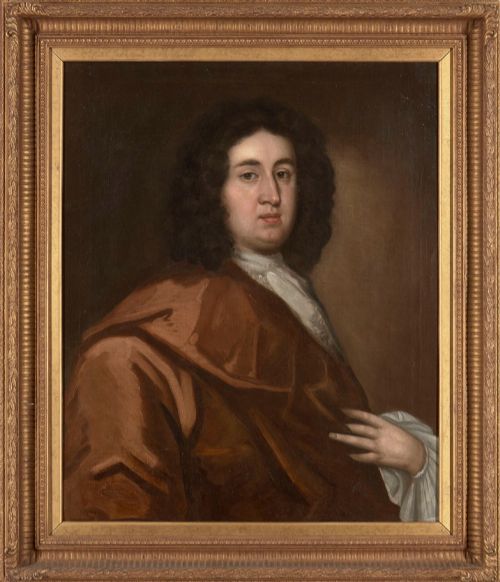
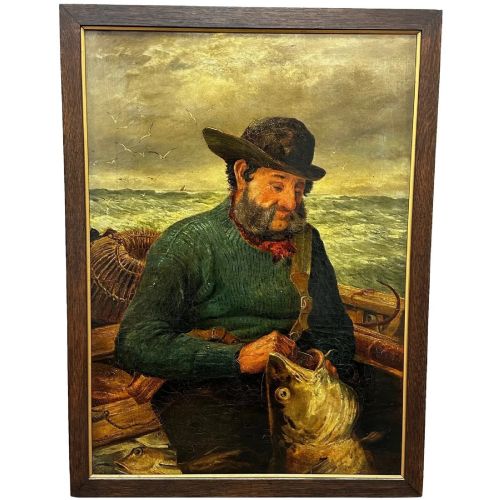
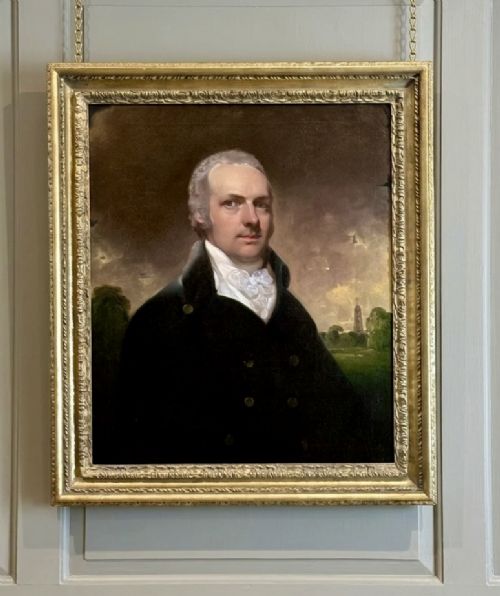
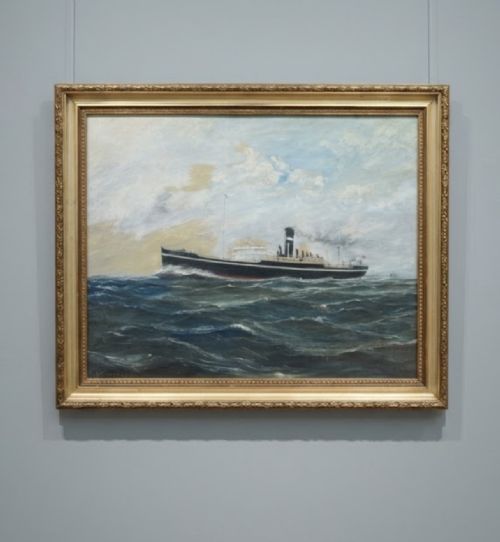
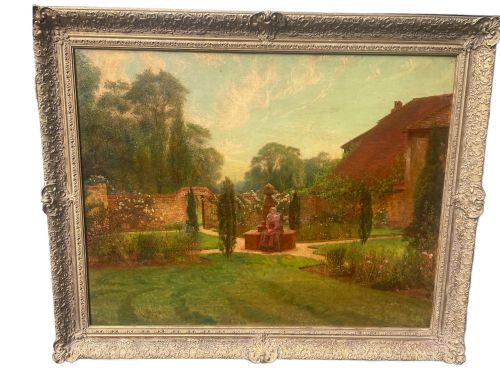
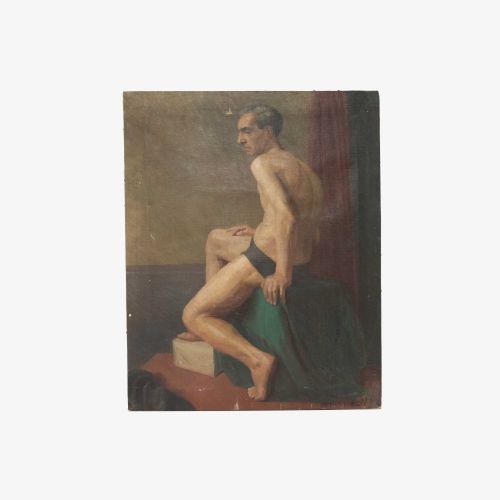
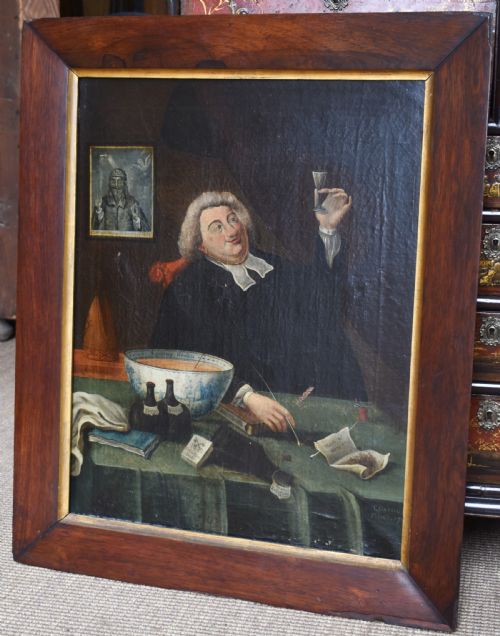
Canvas oil portrait art encompasses historic and vintage painted likenesses executed primarily in oil paint upon woven fabric supports. Buyers searching this phrase encounter works ranging from austere seventeenth-century aristocrats to Victorian gentlefolk and twentieth-century studies.
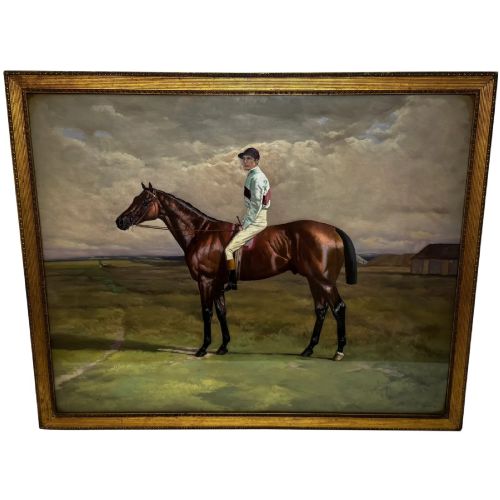
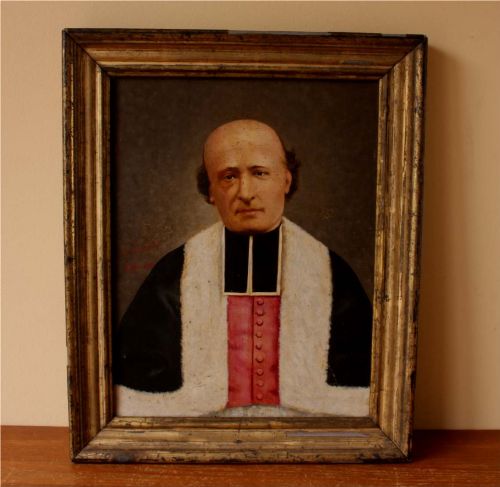
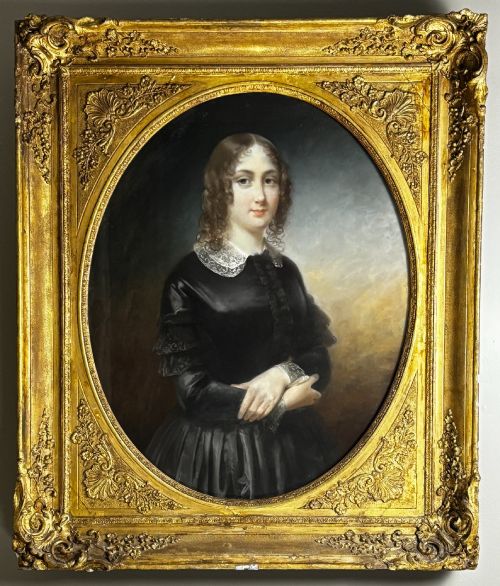
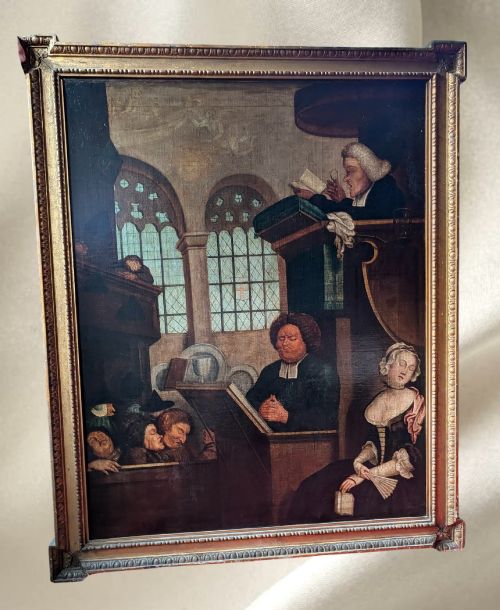
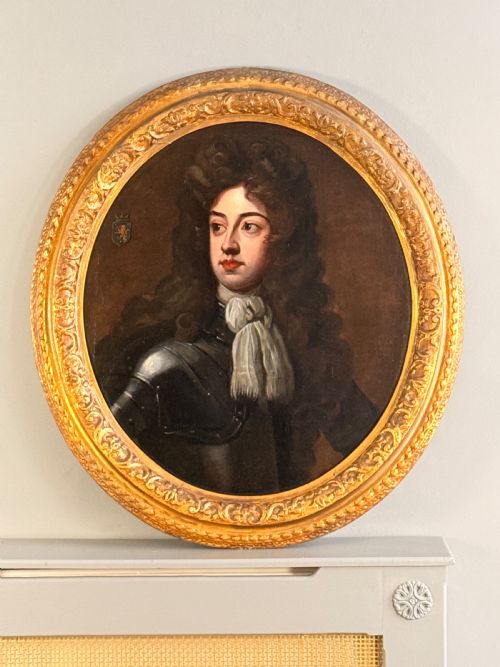
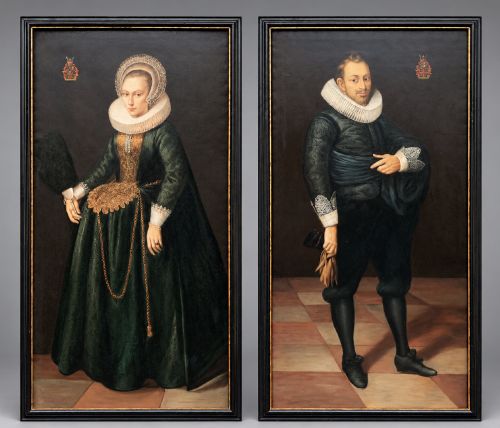
The selections available span diverse European schools, featuring British, French, Bavarian, and Dutch examples alongside classical copies and provincial folk art. Portraits of noblemen, elegant ladies, children, and military officers dominate the recorded offerings.
While spanning centuries from the 1600s through the mid-twentieth century, these paintings preserve intimate historical windows through pigment and canvas. Each piece records the distinct costume, status, and artistic conventions of its respective era.
How They Were Made
These works are built upon stretched woven canvas supports, sometimes supplemented by wood stretchers or housed within ornate giltwood frames and gold leaf surrounds. Artists applied rich layers of oil paint to achieve subtle tonal gradations and lasting depth.
Techniques range from meticulous seventeenth-century academic glazing to looser nineteenth-century brushwork and provincial folk interpretations. Pigments were manipulated to render elaborate textiles, lace ruffs, embroidered doublets, and nuanced flesh tones.
Canvas Oil Portrait Art Retail Price Guide 2026
Typical asking prices for canvas oil portrait art among the pieces listed under this phrase on Sellingantiques today, from the lower quarter to the upper quarter. They describe what is for sale here now, not the wider market.
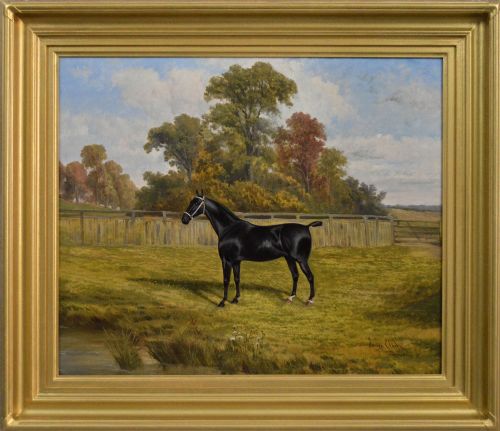
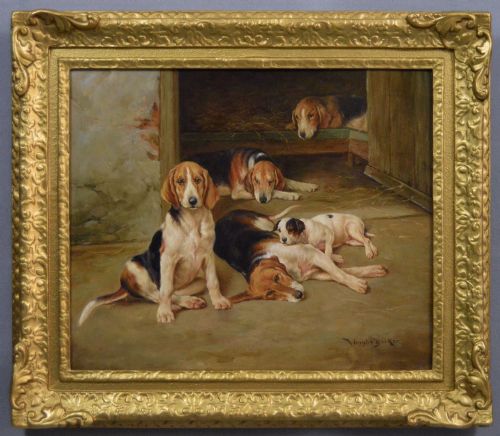
Several portraits quietly preserve the stern likenesses of prized family pets, working farm animals, and even racing pigeons alongside their human owners.
What Varies in Quality
Quality rests in the anatomical precision of the drawing, the liveliness of expression, and the dexterity with which fabrics and lighting are rendered. Master works capture psychological depth and convincing volume, whereas provincial or studio pieces may rely on stiffer, more formulaic execution.
The sophistication of the palette and the preservation of the original paint surface define the upper tiers of the range. Secondary works or studio copies often display simpler compositions and heavier historical restorations.
Sir William Beechey·Henry Barraud·Charles Jervas·John Hayls·Sir Joshua Reynolds·William Oliver·Eugène Verboeckhoven·Jean-Baptiste Van Loo·David Scougall·Sir Peter Lely·Valentine T. Garland·John Maler Collier·Bernard Hailstone·Georges de La Tour·Sir Martin Archer Shee·Jeremiah Davison
The Canvas Oil Portrait Art Glossary
- Oil on Canvas
- A painting medium where pigments suspended in drying oils are applied to a woven fabric support. This combination allowed artists to blend colours smoothly and work with greater flexibility than rigid wooden panels.
- Giltwood
- Wood carved and covered with a thin layer of gold leaf or metallic gilt powder. Frames made in this manner frequently complement historic portraits.
- Doublet
- A snug-fitting man's jacket worn during the Renaissance and seventeenth century. Tailored garments like this frequently help date early portraits by their cut.
- Ruff
- A voluminous pleated collar worn in European fashion during the sixteenth and seventeenth centuries. Their intricate stiffness provides a strong chronological marker in early portraiture.
- Old Master
- A term for a European artist of high skill working before about eighteen hundred. These paintings represent foundational traditions in western art history.
Canvas Oil Portrait Art: Frequently Asked Questions
How do I date an antique oil portrait?
Dating relies heavily on the sitter's costume, hairstyle, and framing conventions, alongside stretcher construction and canvas type. Fashion changes in collars, doublets, and dresses provide the most immediate chronological clues.
Secondary evidence includes inscriptions, artist signatures, or exhibition labels affixed to the reverse of the stretcher. Stylistic comparisons with documented works by known schools further narrow the period of creation.
What is the difference between an original and a period copy?
An original portrait was painted directly from a live sitter by the artist or workshop of record. These pieces carry immediate documentary weight and individual character.
Period copies were painted shortly after the original, often for family descent or as collectible homages to famous personages. While lacking direct contact with the sitter, well-executed period copies remain desirable historical artefacts in their own right.
How should I care for a canvas oil painting?
Protect the canvas from direct sunlight, high humidity, and wide temperature fluctuations that cause the fabric and paint layer to expand and contract. Keep the environment stable to prevent cracking or warping.
Dust the surface gently with a soft, dry brush without applying pressure or cleaning agents. Professional conservation is recommended for any deeper cleaning or structural repairs.