




Canvas Landscape Painting
Canvas landscape painting captures pastoral views and rural scenes across centuries of brushwork.
Canvas Landscape Painting
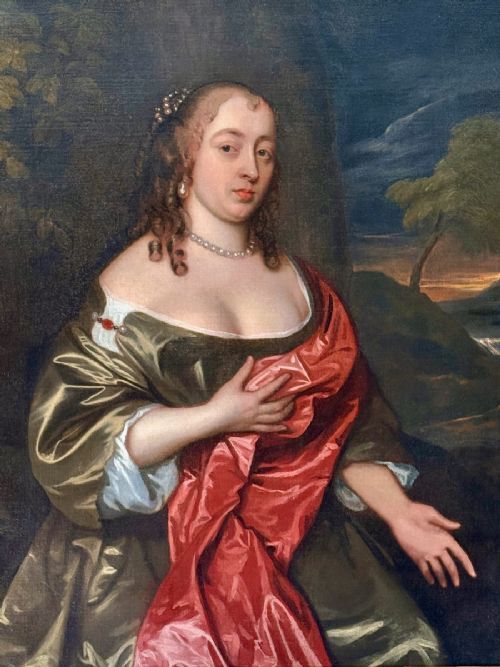
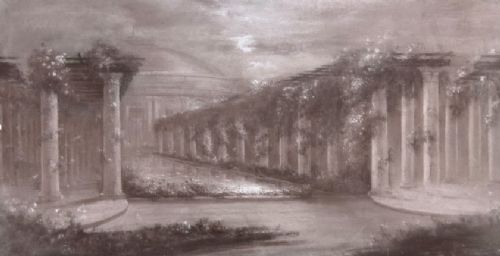
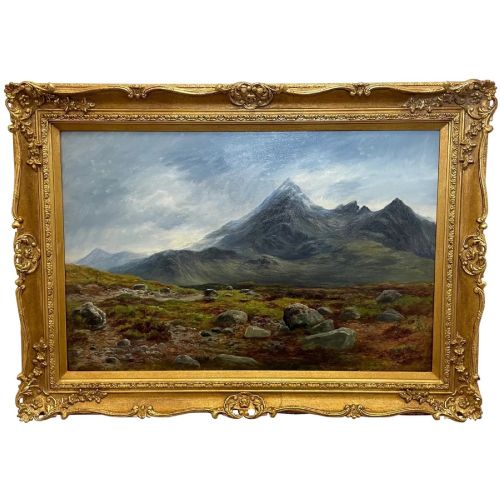
A canvas landscape painting presents outdoor vistas, rural scenes, coastal views, and pastoral settings rendered directly onto woven fabric supports. These works range from seventeenth-century classical compositions to twentieth-century impressionist and modern interpretations.
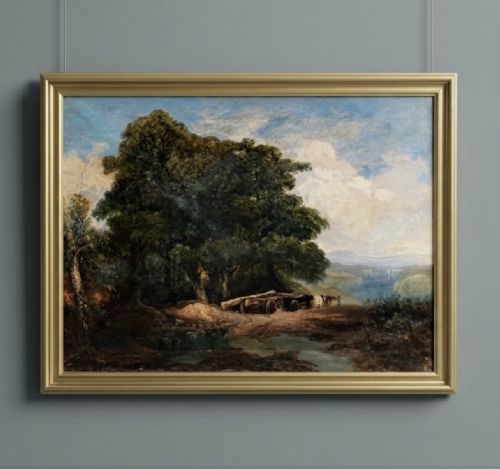
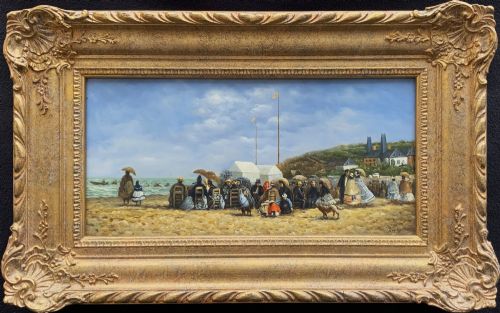
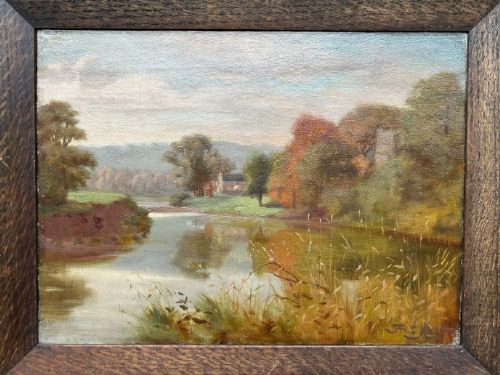
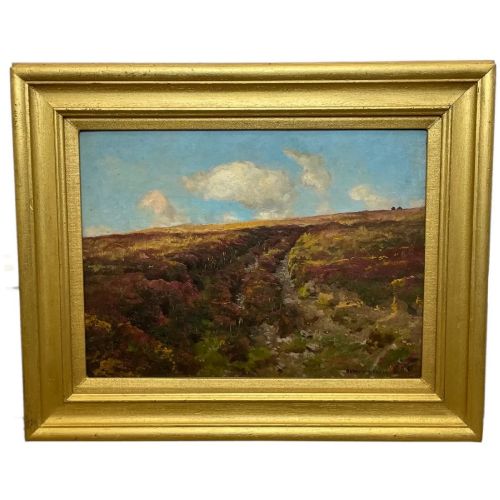
Buyers frequently encounter nineteenth-century British and European works featuring woodland paths, riverbanks, and highland pastures populated by figures, cattle, or sheep. The selections on this page span diverse schools including the Barbizon school, British impressionism, and post-impressionism.
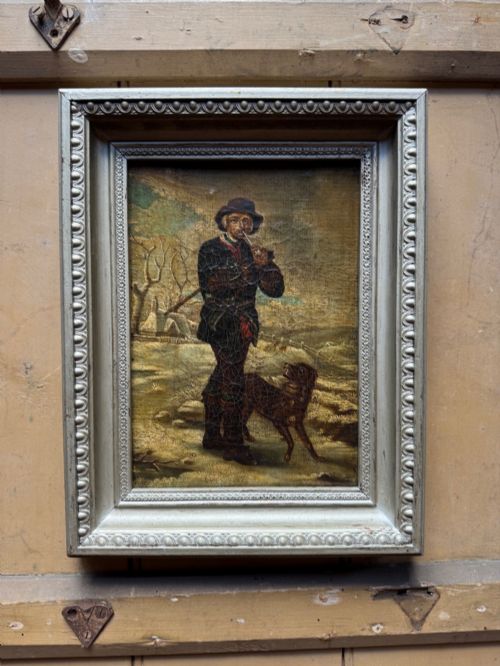
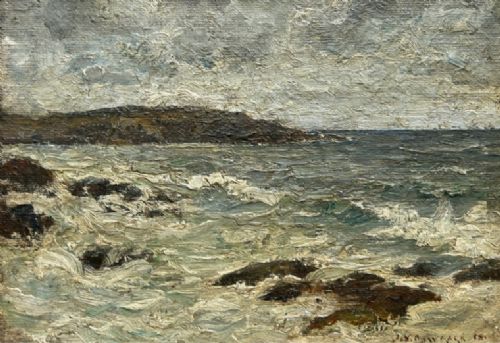
Common formats include framed oils on canvas stretcher frames, alongside occasional examples where canvas is laid onto board or panel supports. Subject matter stretches from quiet country lanes to dramatic marine seascapes and mountain ranges.
How They Were Made
Artists applied oil paint using brushes and palette knives onto prepared canvas stretched across wooden frames, often building texture through impasto techniques. Grounds of gesso or priming layers were applied to the woven fabric before painting to seal the threads and alter the light reflection of the final pigments.
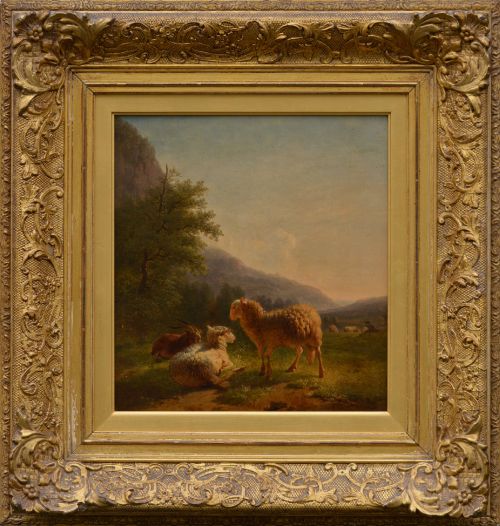
Many historical pieces are housed in their original decorative giltwood frames, which complement the canvas with carved or moulded ornamentation. Secondary supports such as wooden boards or panels occasionally received canvas layers when paintings underwent mounting or restoration.
Canvas Landscape Painting Retail Price Guide 2026
Typical asking prices for canvas landscape painting among the pieces listed under this phrase on Sellingantiques today, from the lower quarter to the upper quarter. They describe what is for sale here now, not the wider market.
Several canvases manage to squeeze entire flocks of sheep, stubborn cattle, and inquisitive ducks into surprisingly compact pastoral views.
What Varies in Quality
The distinction between standard works and exceptional examples rests in the confidence of the brushwork, the handling of light, and the compositional balance of the scene. Superior paintings demonstrate precise tonal control and atmospheric depth that draw the viewer directly into the depicted environment.
The integrity of the original canvas support and the preservation of the pigment layer heavily influence the standing of a piece. Works retaining their initial stretcher frames and uncompromised paint surfaces without extensive overpainting command greater appreciation among collectors.
JOHN HAYLS·Kenneth Cozens·Eugène Verboeckhoven·Richard Sebastian Bond·William Beattie-Brown·William H Myers·GEORGE GRAHAM·Clifford Hanney·Frederick Marriott·Arthur Wardle·Angelo Maria Crivelli·Francois Boucher·John Horace Hooper·Reginald Arthur Borstel·Hendrik Willem Schweickhardt·Alfred Fontville de Breanski Jr·George Houston·Herbert Royle·Émile Bouche·Robert Morson Hughes·Thomas Barker of Bath·Thomas W Lascelles·James Kay·Augusto Alberici·Gabriel Mathieu
The Canvas Landscape Painting Glossary
- Impasto
- Paint applied thickly to a canvas, standing out in relief from the surface and giving a palpable texture to elements like foliage or water.
- Stretcher
- The wooden frame upon which a canvas is pulled tight before painting begins, providing structural tension to the fabric.
- Gesso
- A plaster-like mixture applied to canvas as a preparatory base to create a smooth, stable surface for oil paint.
- Giltwood
- Wood carved and covered with a thin layer of gold leaf, commonly found on traditional picture frames surrounding nineteenth-century canvases.
- Provenance
- The documented history of ownership associated with an artwork, tracing its lineage from the artist's studio to the present market.
Canvas Landscape Painting: Frequently Asked Questions
What is the difference between oil on canvas and oil on board?
Oil on canvas utilises a woven fabric support stretched over a wooden frame, giving a slight give and distinctive surface texture. Oil on board uses a rigid wooden or composite panel as the base for the paint layers.
Canvas paintings often display maker stamps or stretcher marks on the reverse. Board supports provide a completely rigid surface that does not require retensioning over time.
How do I date a nineteenth-century landscape painting?
Dating relies upon examining the style of the brushwork, the signatures of documented artists, and the construction methods of the canvas and stretcher. Exhibition labels or inscriptions on the reverse of the canvas often provide specific chronological clues.
Framing materials and canvas stamps also assist in narrowing down the period of creation. Comparative analysis with dated works by the same school or follower helps confirm the era.
Where should I hang a landscape painting at home?
Select an interior wall away from direct sunlight, high humidity, and heat sources such as radiators to protect the canvas and paint layers. Adequate wall space allows the composition and original frame to be viewed comfortably from a distance.
Stable environmental conditions prevent the canvas from sagging or becoming brittle over time. Proper lighting from picture lights enhances the tonal depth of oil paintings.