
Canvas Historical Oil Painting
A canvas historical oil painting captures figures, battles and landscapes from past centuries rendered in oil on woven support.
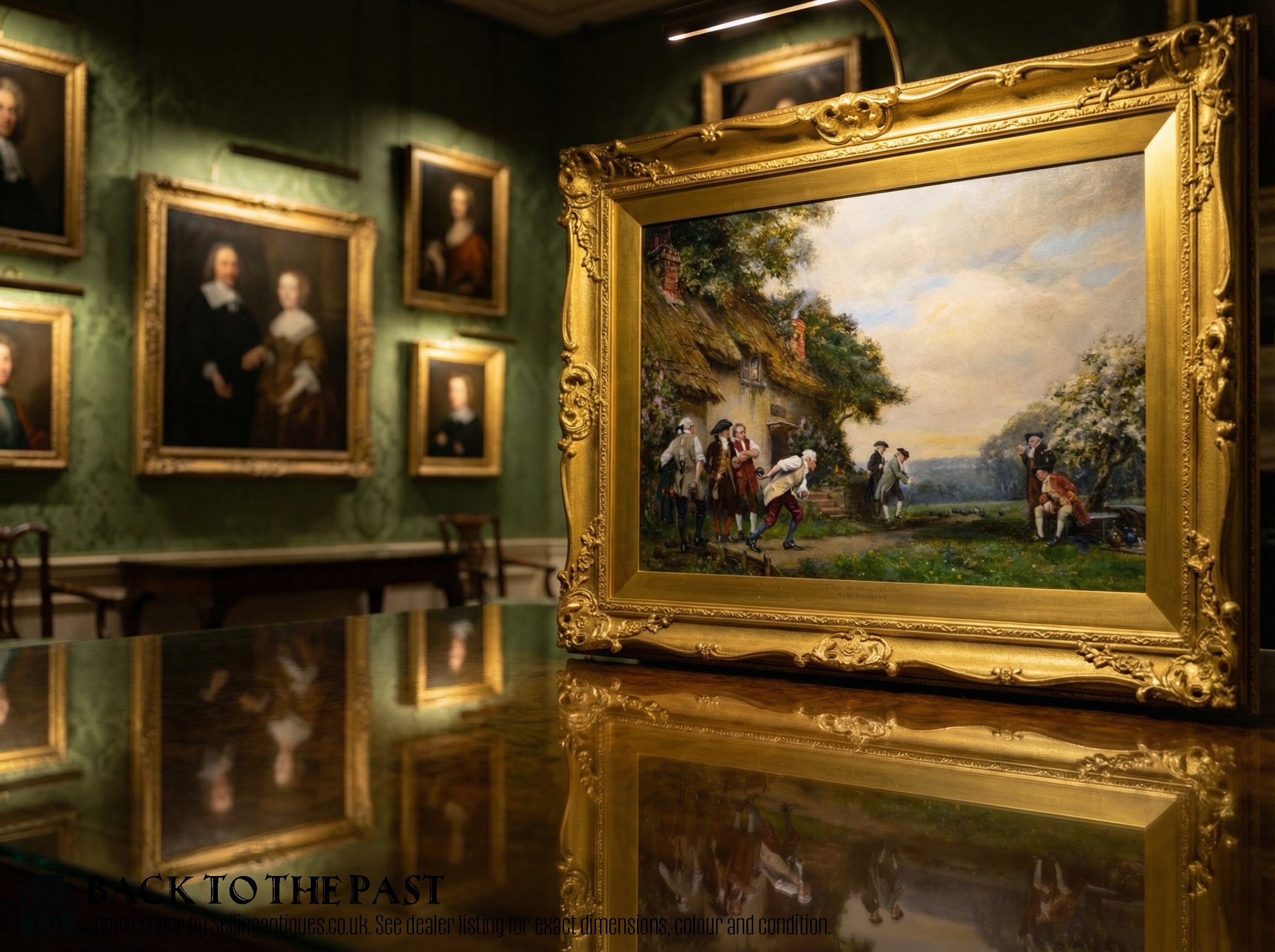
Canvas Historical Oil Painting
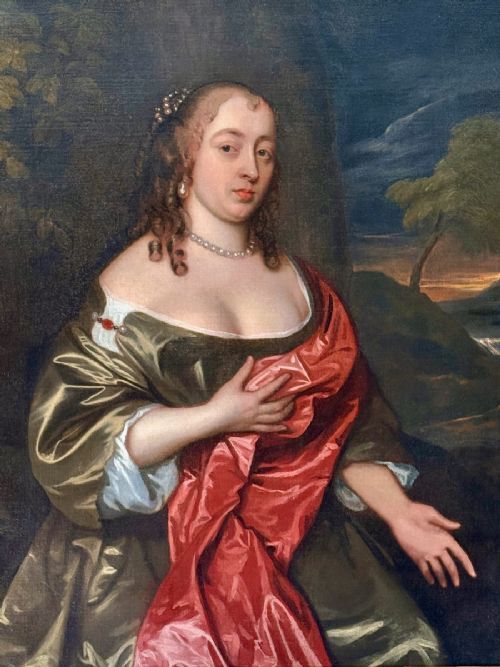
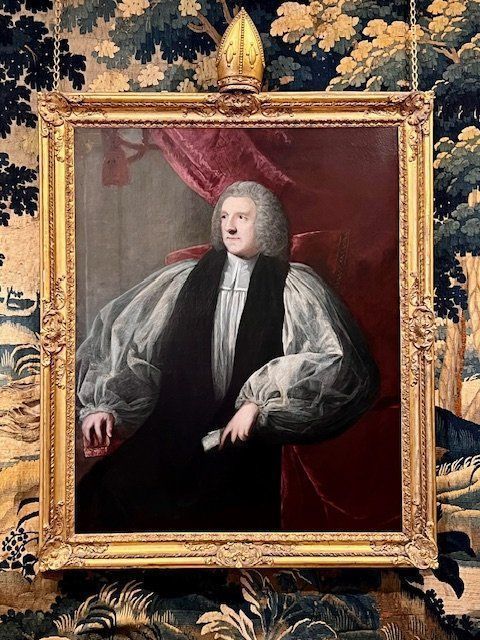
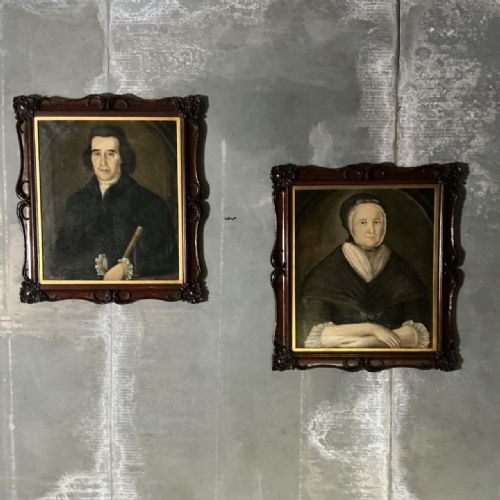
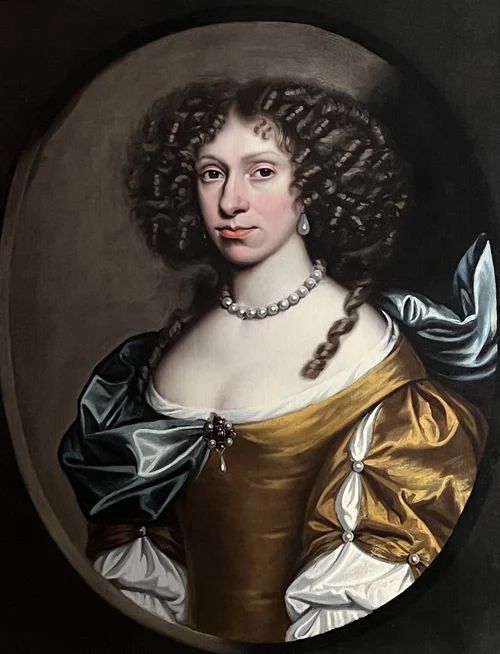
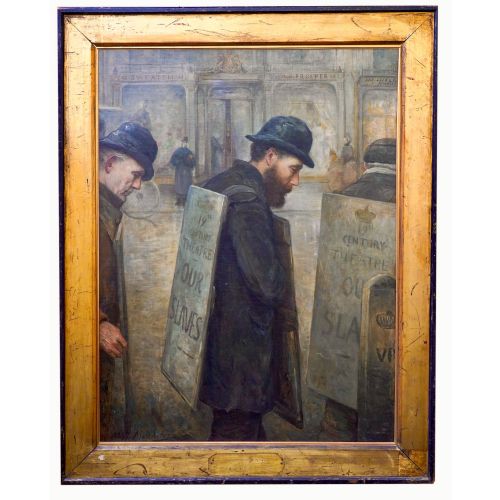
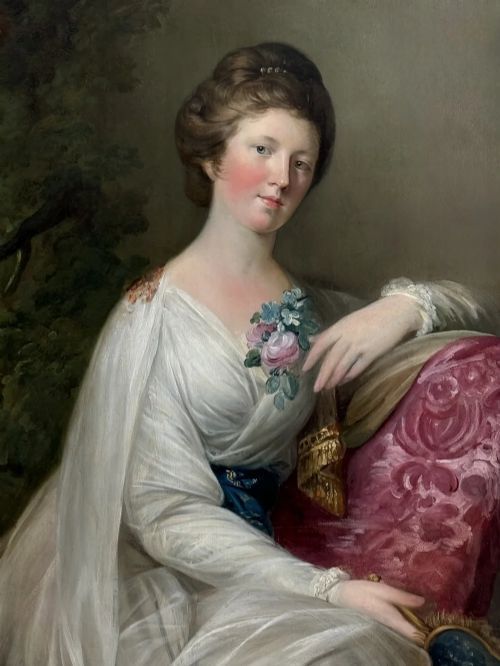
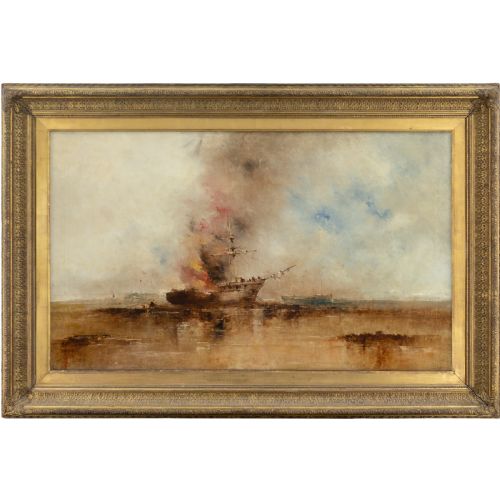
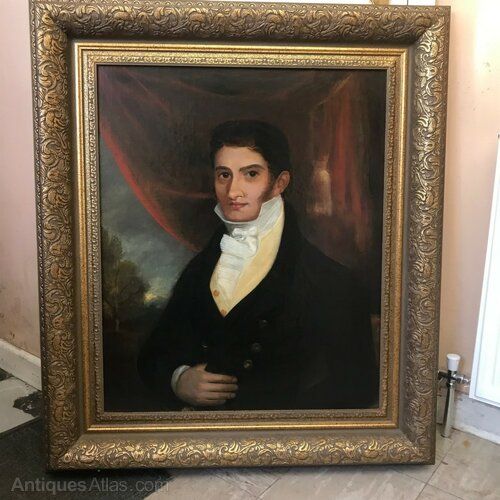
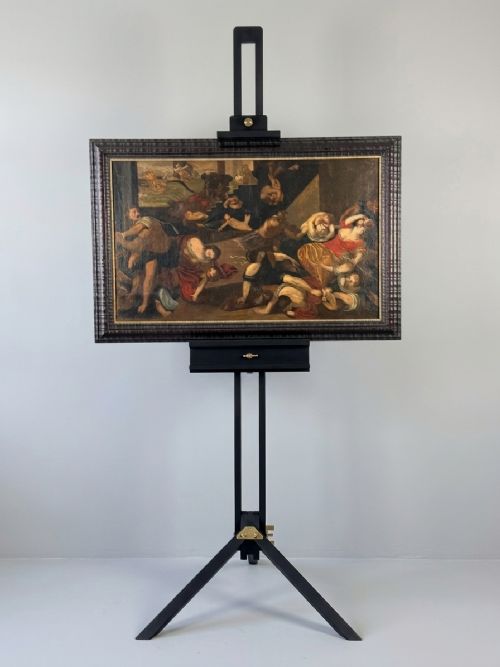
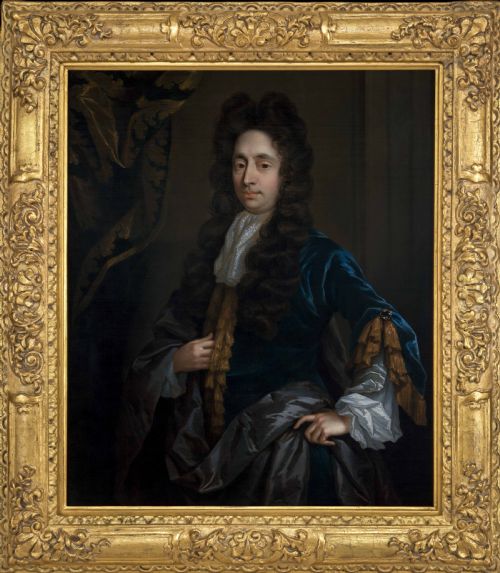
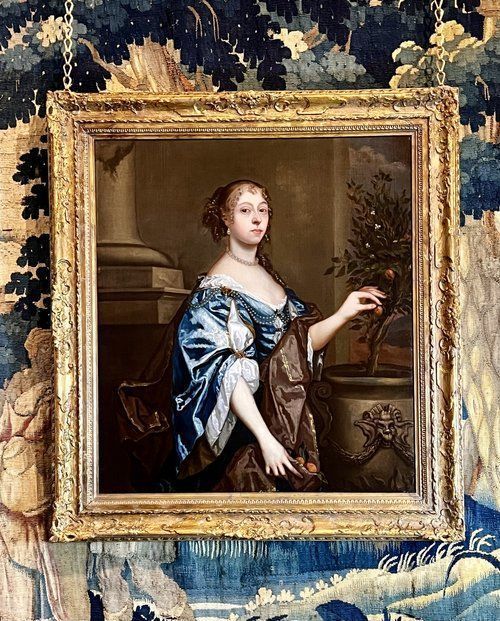
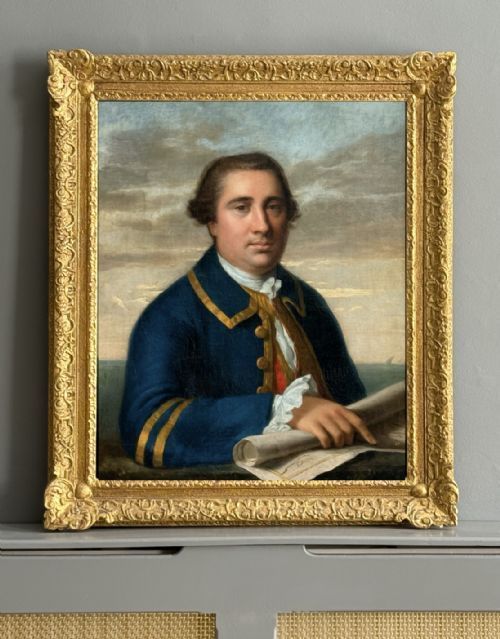
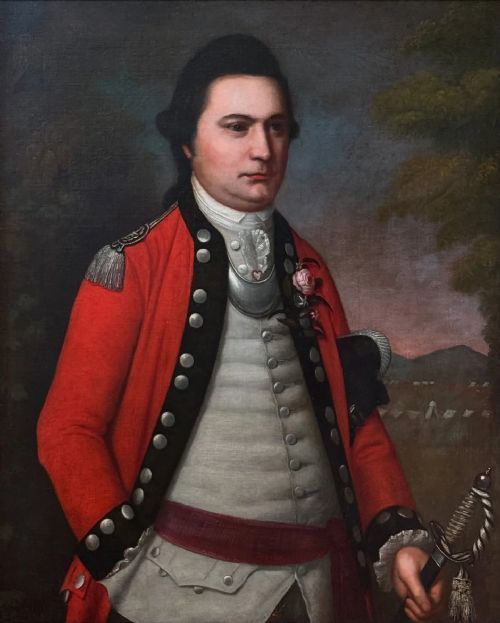
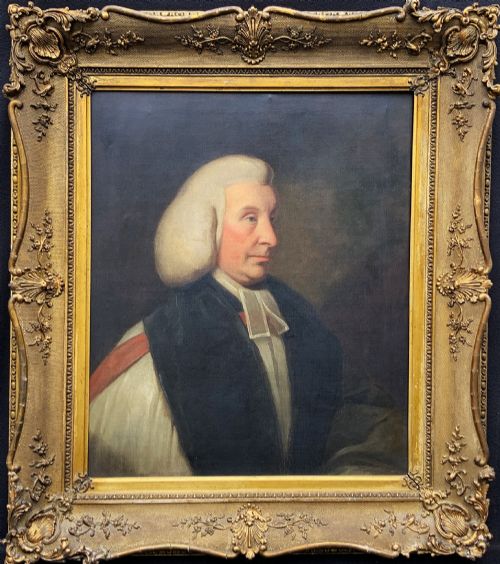
A canvas historical oil painting brings centuries of documented human presence into a room, recording specific sitters, military officers, nobility and maritime scenes through the observation of portraitists and history painters. These works span the seventeenth, eighteenth and nineteenth centuries, offering direct visual records of historical dress, naval engagements and domestic life.
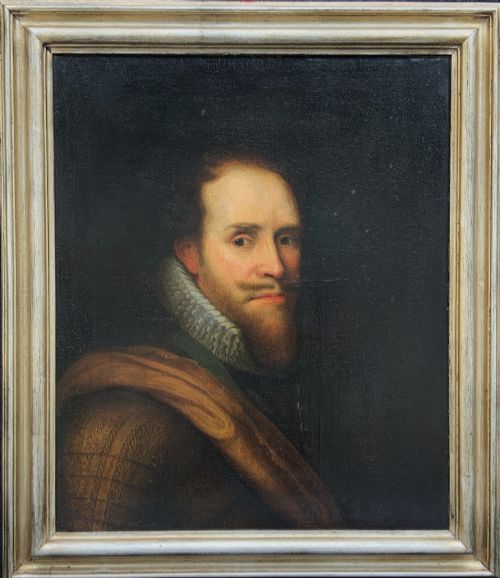
The pieces on this page are predominantly oil on canvas portraits and narrative scenes executed by British, Dutch and European schools from the Baroque period onward. Buyers encounter stately depictions of gentlemen in embroidered doublets, ladies in elaborate gowns, and dramatic records of social history set against dark curtains or extensive landscapes.
Surviving examples range from works by named studio practitioners to accomplished portraits by the Anglo-Dutch school and regional British painters. Each piece carries the material evidence of its age, from the craquelure of seventeenth-century grounds to the grand framing of later periods.
Quality factors
Condition and originality dictate the standing of a canvas historical oil painting within its period. Works retaining their untouched contemporary surfaces, original stretchers and period giltwood frames hold greater integrity than those with extensive overpainting or altered dimensions.
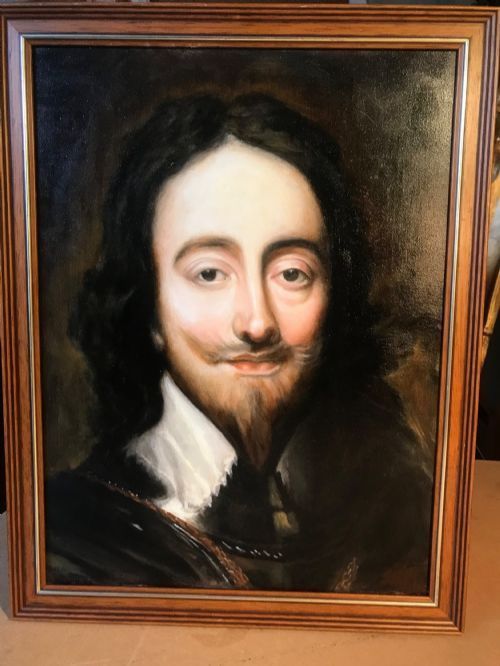
Several seventeenth-century sitters maintain an intense, unblinking gaze that follows viewers persistently across the room.
Sir Joshua Reynolds·Anthony Van Dyck·Peter Lely·Sir William Beechey
The Canvas Historical Oil Painting Glossary
- Craquelure
- The fine network of minute cracks that forms across the surface of aged oil paint as the medium hardens and shrinks over time. This natural pattern provides a reliable indicator of age and material authenticity.
- Giltwood
- Timber, typically carved wood or gesso-coated framing, covered with thin sheets of gold leaf or metallic powder. It provides the traditional reflective border for classical European paintings.
- Ground
- The preparatory layer applied directly to raw canvas before the artist begins painting, sealing the fabric fibres and providing a stable surface for the oil colours. Early examples often show dark reddish-brown grounds.
- Studio of
- A designation indicating that a painting was produced under the direct supervision of a master artist by assistants or pupils. These works often replicate successful compositions from the principal hand.
Canvas Historical Oil Painting: Frequently Asked Questions
How do I care for an old oil painting?
Keep the canvas away from direct sunlight, damp walls and rapid temperature shifts that cause the wood and textile to expand. Dust the surface gently with a soft, dry brush without applying pressure.
Avoid using water, chemical cleaners or modern cloths on the painted surface or the giltwood frame. Professional conservators should handle any structural repairs or surface cleaning.
What is a studio piece?
A studio piece is a painting executed by assistants or pupils working within the atelier of a master artist. These works frequently record important sitters using the established compositions of the principal painter.
Such paintings offer an authentic period connection to major artistic workshops without carrying the primary attribution. They represent high levels of contemporary skill produced under direct supervision.
How do I date a historical portrait?
Clothing, hair styling and ruffs provide the most immediate chronological markers for historical portraits. A gentleman in an embroidered doublet points to the early seventeenth century, while powdered wigs indicate the Georgian era.
Canvas type, stretcher construction and framing styles offer further supporting evidence for the period of execution. Pigment analysis and examination of the ground layer confirm the age scientifically.
Where should I hang these paintings?
Display historical oil paintings on interior walls protected from strong natural light and heat sources such as fireplaces. Sturdy masonry walls provide more stable humidity levels than exterior partition walls.
Ensure the hanging wire and wall fixings match the weight of the heavy wooden frame. Position the centre of the canvas at standard eye level for comfortable viewing within a room.