








Caned Wooden Bench
A caned wooden bench offers light seating through woven panels, bringing period charm and natural texture into a hallway or bedroom.
Caned Wooden Bench
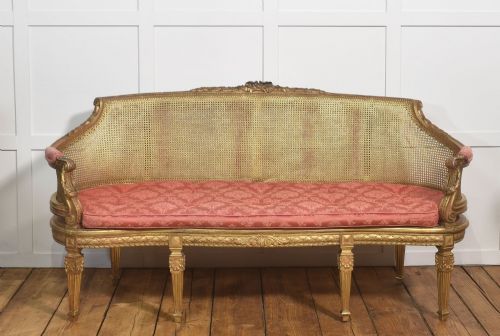
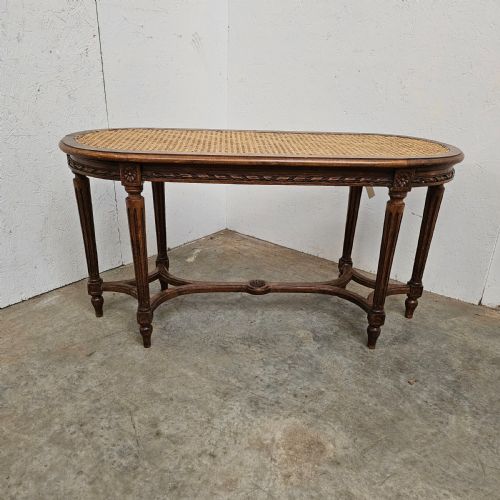
A caned wooden bench encompasses a variety of long seating forms designed with woven plant material panels, spanning multiple centuries of design. When exploring a caned wooden bench on this page, buyers encounter forms ranging from daybeds and window seats to long settees.
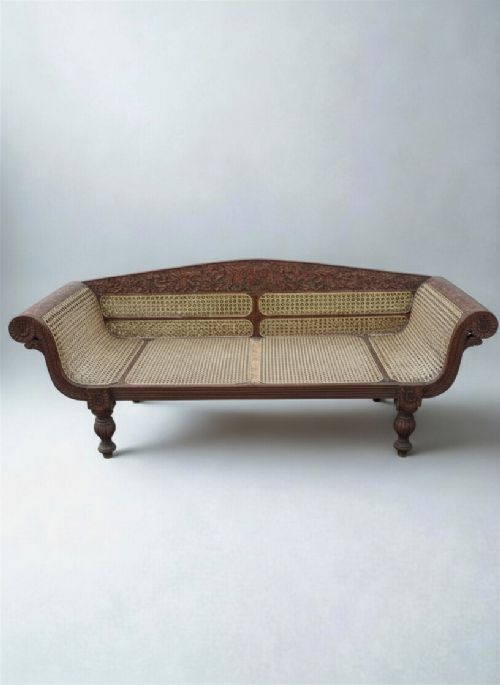
The regional styles vary widely across the selection, featuring Anglo-Indian and Ceylonese hardwoods alongside French Louis XVI, Régence, and Gustavian models. Simple footstools and small painted canework couches also appear among the broader group of seating.
Pieces stretch chronologically from the eighteenth century through the nineteenth century into the early twentieth century, including Regency and Victorian examples. Beech, mahogany, walnut, and painted wood provide the structural frames for these woven seats.
Construction and Materials
Makers built the structural frames using solid timbers such as beech, mahogany, walnut, oak, and satinwood, occasionally applying paint or gilding to the surface. Frames often display carved details characteristic of French and British revival styles.
Cane panels are woven directly into the wooden framework or inserted channels to create a resilient, flexible seating or resting surface. Additional comfort sometimes arrives via fabric cushions or upholstery paired with the woven canework.
Caned Wooden Bench Retail Price Guide 2026
Typical asking prices for caned wooden bench among the pieces listed under this phrase on Sellingantiques today, from the lower quarter to the upper quarter. They describe what is for sale here now, not the wider market.
At least one nineteenth-century window seat doubles as a magazine table, proving Victorians loved multi-tasking furniture just as much as we do.
Factors of Quality
The refinement of the timber carving and the precision of the frame joinery set individual pieces apart. Finer examples display crisp hand-carved details on beech, walnut, or mahogany rather than basic structural assembly.
The tightness and uniformity of the cane weaving dictate the durability and visual appeal of the seat. Intricate regional turnings or specific stylistic revivals further elevate the standing of a piece.
The Caned Wooden Bench Glossary
- Cane
- Plant material woven to create flexible panels for seats and backs. It offers a light, breathable surface used extensively across antique furniture.
- Bergere
- A closed-upholstered armchair or settee with wooden frames and caned or upholstered sides. This French form provides a deep, comfortable seat.
- Daybed
- A long seating item designed for reclining during the day. Examples often incorporate caned panels and wooden frames.
- Window seat
- A bench designed specifically to fit in a window recess. These items frequently feature X-frames or carved wooden supports.
- Banquette
- A long upholstered or caned bench without a back. It serves as versatile seating in hallways and living spaces.
Caned Wooden Bench: Frequently Asked Questions
Where should I place a caned wooden bench?
These benches suit hallways, bedrooms, and living spaces where light seating or a decorative resting place is useful. Their open cane panels prevent rooms from feeling crowded.
Compact window seats fit naturally beneath windowsills, while daybeds and larger settees anchor larger spaces against walls.
How do I care for antique cane?
Keep caned panels clean by dusting them gently with a soft brush and maintaining moderate room humidity. Excessive dryness can make plant fibres brittle.
Avoid placing these items in direct sunlight or beside intense heat sources to preserve the strength of the woven material.
Are these benches comfortable for daily use?
Caned panels provide a resilient, supportive surface that yields slightly to the body. Many historical examples were designed with lounging or resting in mind.
Adding loose fabric cushions can increase comfort for prolonged sitting or reading.
How do I identify the period of a bench?
Period identification relies on examining the timber types, decorative carving styles, and construction methods. French Louis XVI, Régence, and Regency designs each carry distinct structural silhouettes.
Matching the stylistic markers to the recorded centuries helps narrow down the date of manufacture.