
Cabriole Leg Wing Armchair
A cabriole leg wing armchair brings period presence and enclosed comfort to a room, offering high-backed draught protection alongside curving, rhythmic supports.
Cabriole Leg Wing Armchair
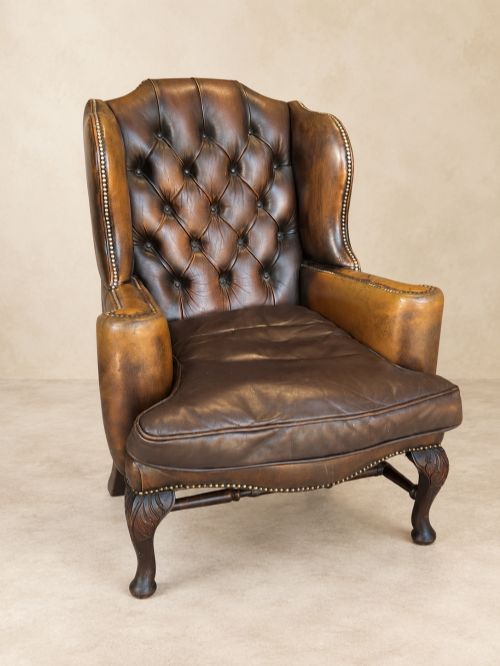
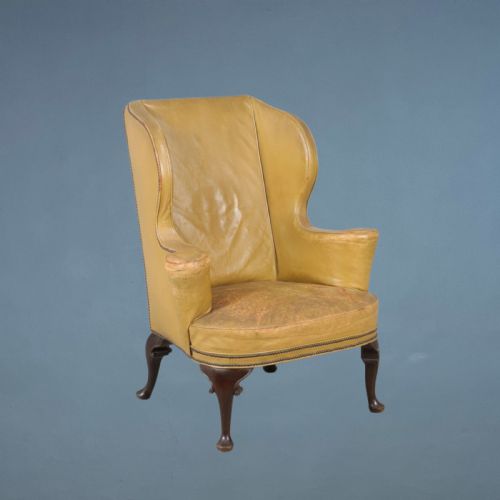
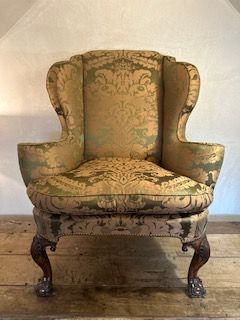
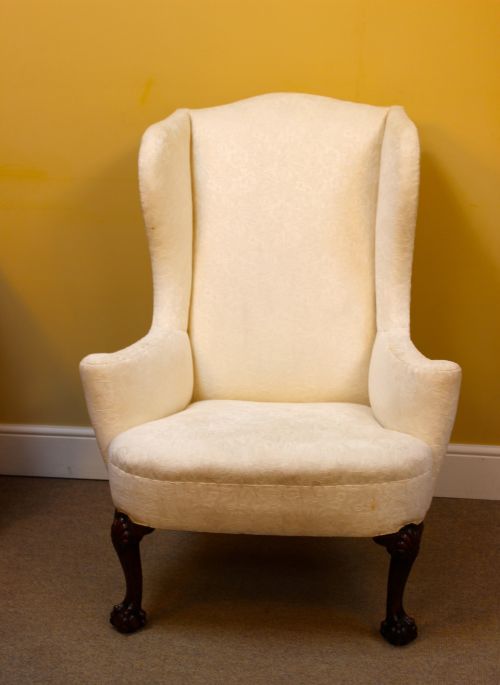
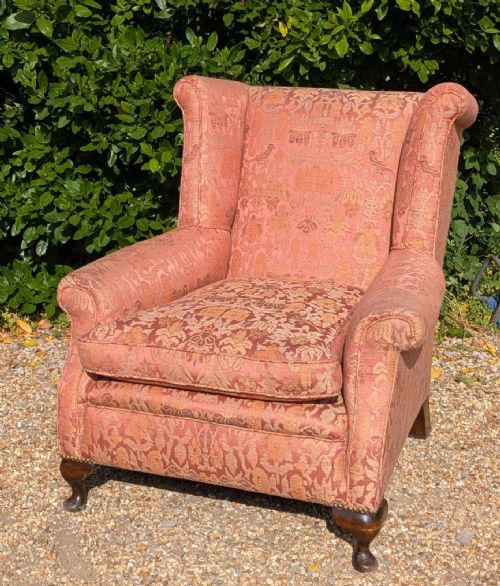
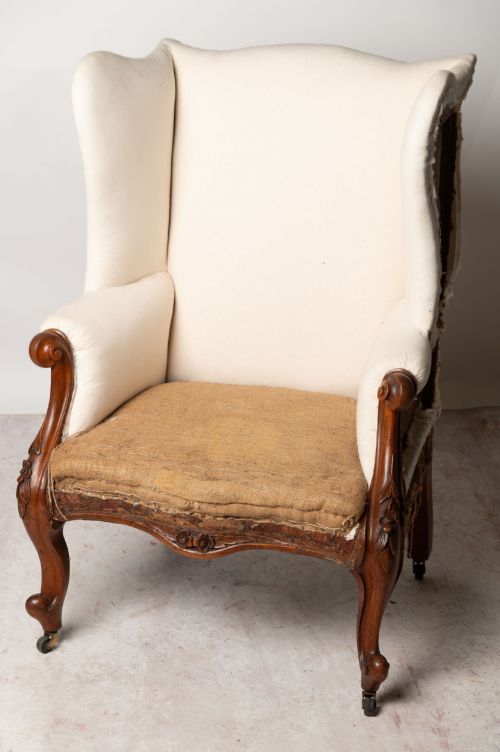
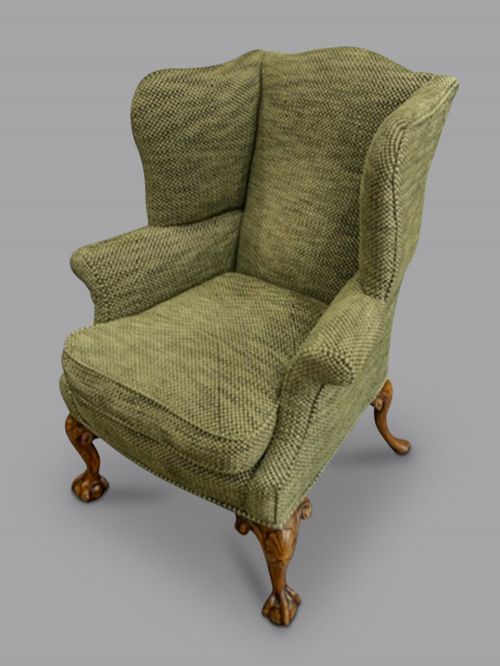
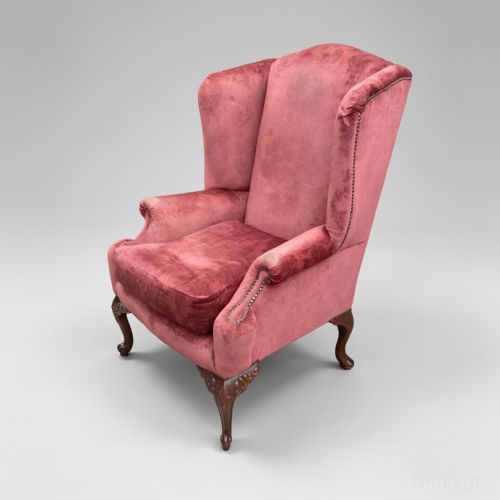
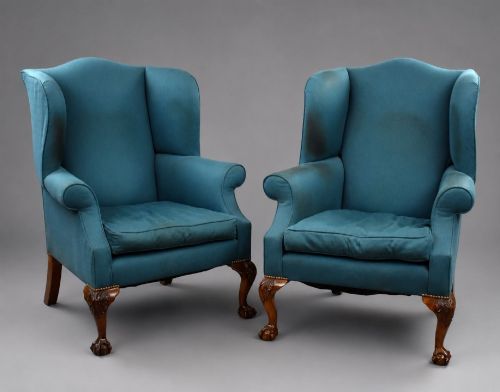
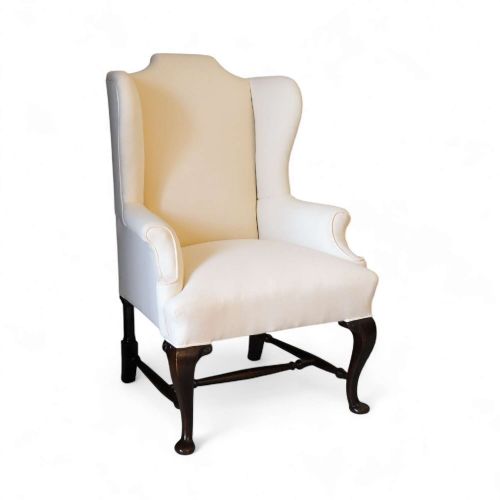
A cabriole leg wing armchair is defined by its sheltering upholstered wings and curving wooden supports that sweep outward at the knee and taper to a pad, claw, or ball foot. These seating pieces appear frequently in walnut or mahogany from the eighteenth century onward, alongside revival interpretations from the Victorian, Edwardian, and later periods.
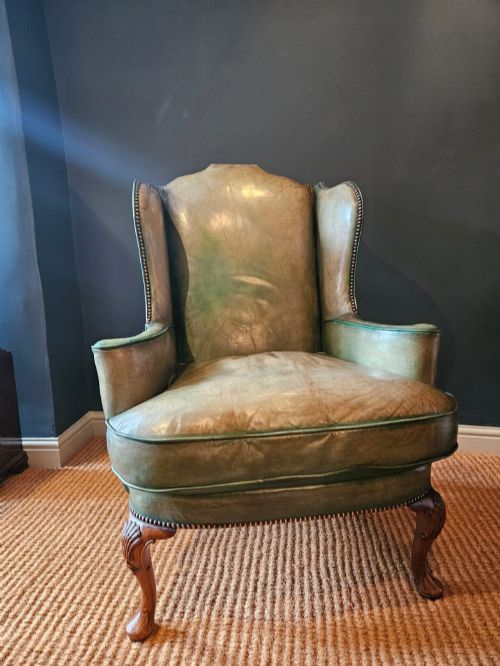
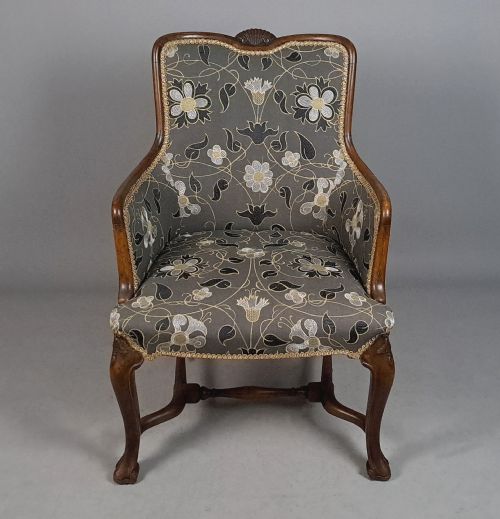
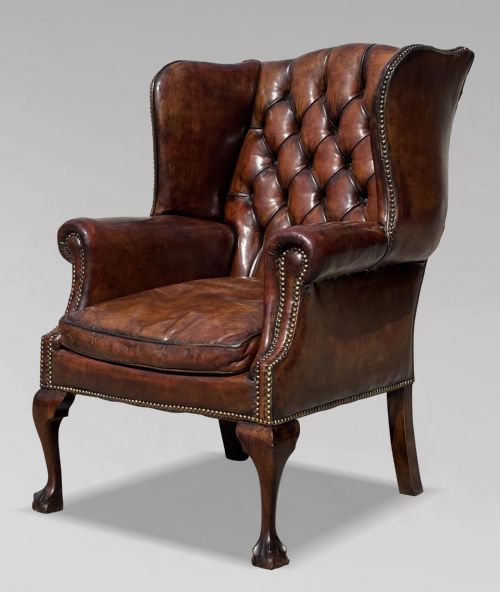
The form encompasses authentic eighteenth-century examples as well as nineteenth- and twentieth-century revivals styled after Queen Anne, George II, and Chippendale traditions. Buyers will encounter both timber-framed show-wood versions and completely upholstered variants, sometimes retaining historic leather or modern calico ready for bespoke covering.
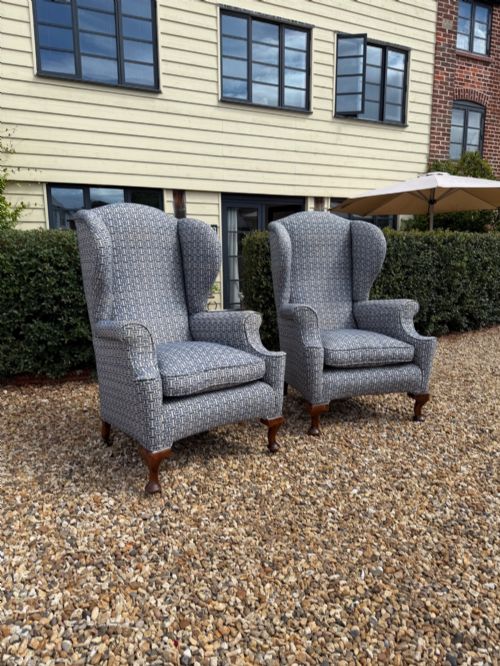
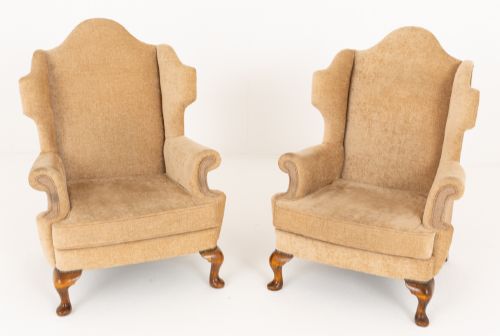
Originating as draught-excluding seats positioned near hearths in country houses and drawing rooms, these armchairs combine structural timber frames with generous padding. The inventory spans generous proportions, pairs suited for fireside placement, and barrel-backed variations designed for enclosure.
How they were made
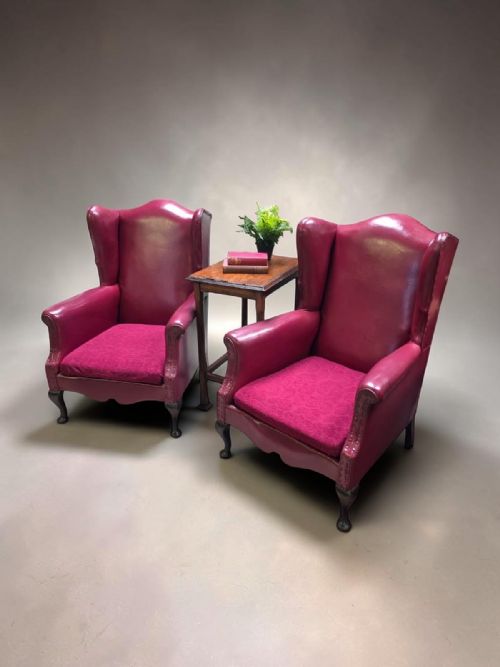
Surface detailing on the woodwork ranges from plain polished timber to finely carved shell or foliage motifs on eighteenth-century and revival frames. Leather upholstery is occasionally hand-coloured, whilst other examples show modern or historic reupholstery stages using calico or patterned textiles.
The wings were originally designed to trap fireplace heat, doubling as a private spot for a quiet Sunday snooze.
What varies in quality
Quality rests in the harmony of the frame proportions and the crispness of the cabriole leg carving, where fluent lines distinguish superior craftsmanship from rigid revival work. The integrity of the underlying timber and the depth of the wing framing dictate the enduring stability of the piece.
Material selection marks the distinction between standard and high-grade examples, visible in the choice of richly figured walnut or dense mahogany paired with quality leather or textile coverings. The execution of traditional details, such as the shaping of the arms and the sweep of the back, determines the overall presence of the chair.
Whytock & Reid·John Reid & Sons
The Cabriole Leg Wing Armchair Glossary
- Cabriole leg
- A furniture support shaped with a double curve, bulging outward at the knee and tapering inward to the foot. This form evokes the leaping leg of an animal and gained prominence during the early eighteenth century.
- Wingback
- An upholstered armchair featuring flanking side panels attached to the arms to deflect drafts from the fire. These projections also served to trap heat around the sitter's head.
- Queen Anne Revival
- A design movement popular in the late nineteenth and early twentieth centuries that reinterprets eighteenth-century domestic furniture forms. It frequently utilises walnut and cabriole supports.
- Barrel back
- A seating form where the upholstered back curves continuously into the arms to form a semi-circular enclosure. This design offers enhanced protection against side drafts.
Cabriole Leg Wing Armchair: Frequently Asked Questions
Are these chairs comfortable for daily sitting?
Generously proportioned stuffing and high backrests make these seats well-suited for relaxed daily use. Many examples feature supportive feather filling or sprung bases designed for sustained comfort.
Positioning them away from direct heat sources helps preserve the historic timber and leather surfaces over time.
How do I identify a true eighteenth-century piece?
Authentic period examples display characteristic timber ageing, hand-cut joinery, and walnut or mahogany frames fashioned with period tool marks. Revival pieces from the Victorian and Edwardian eras often show standardised machine processing and later construction methods.
Examining the underside of the frame and the wear patterns on the cabriole legs clarifies the likely date of manufacture.
Can I reupholster a historic wing chair?
Many pieces arrive in calico or historic leather, offering a neutral foundation for custom textile selection. Traditional webbing and stuffing can be renewed by skilled upholsterers without compromising the structural integrity of the wood frame.
Selecting fabrics that complement the period style ensures the chair retains its historical character after covering.
Where should I place a wing armchair?
Historically designed for draughty corners and fireplaces, these chairs suit studies, drawing rooms, and reading spaces. Pairs look balanced when flanking a fireplace or positioned together in a larger reception room.
Allowing sufficient clearance around the cabriole legs prevents accidental scuffs to the curving woodwork.