

Carved Cabriole Fireside Chair
A carved cabriole fireside chair brings warmth and traditional form to a room, offering deep comfort by the hearth.
Carved Cabriole Fireside Chair
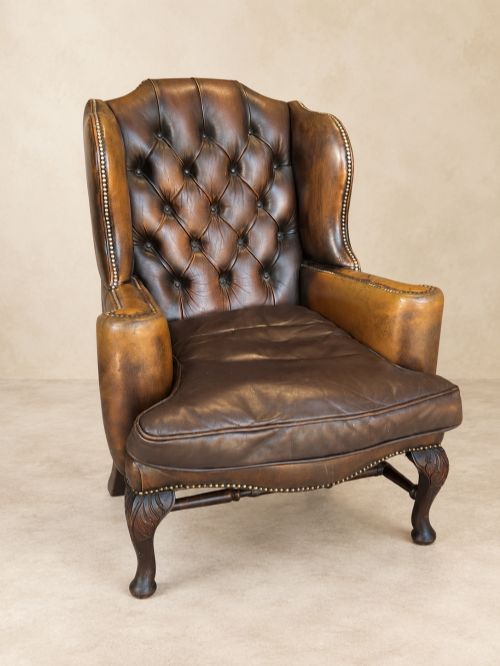
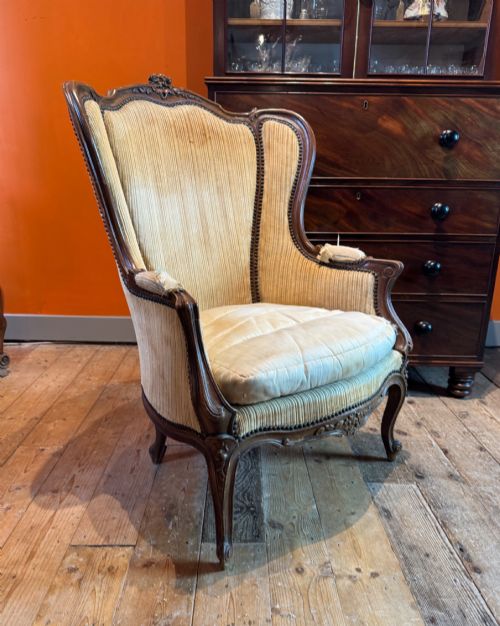
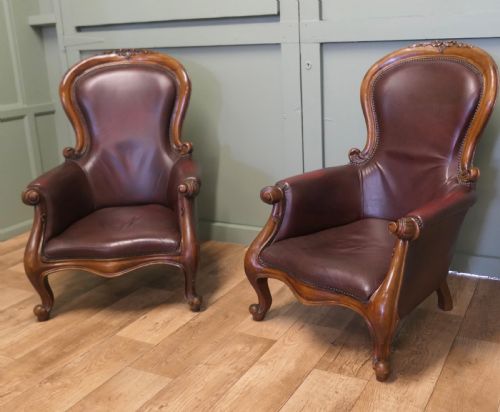
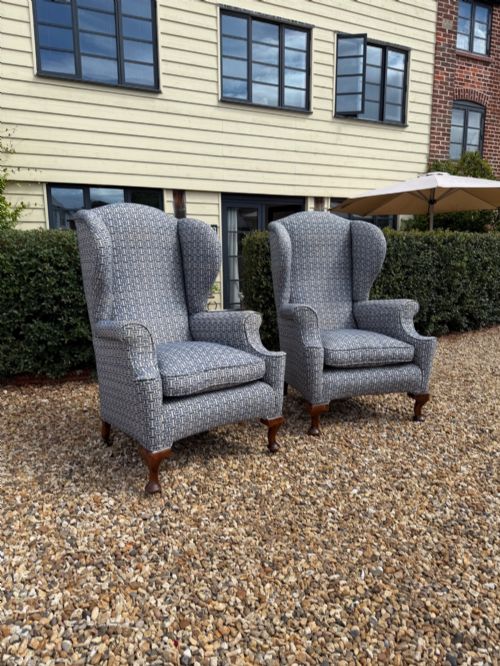
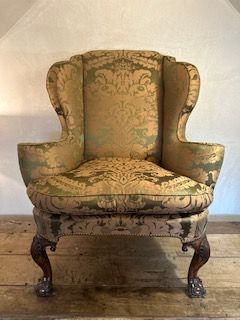
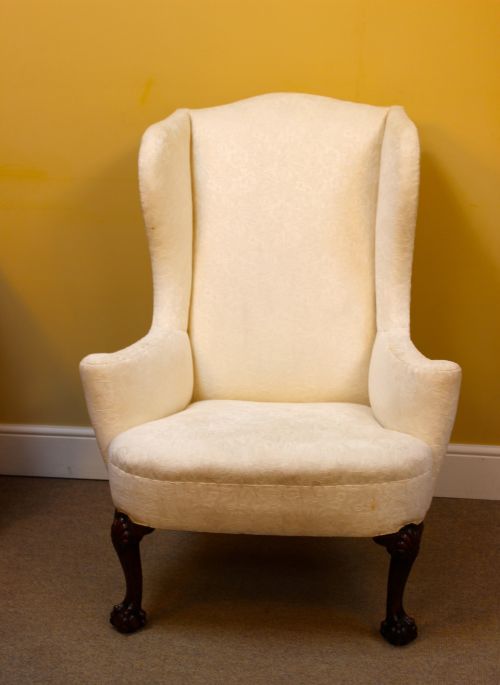
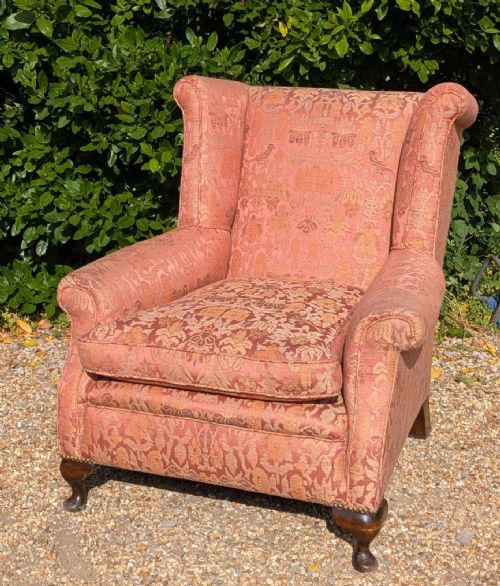
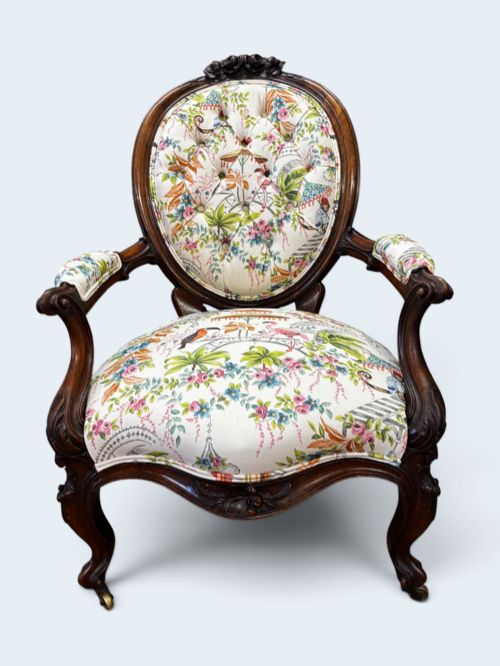
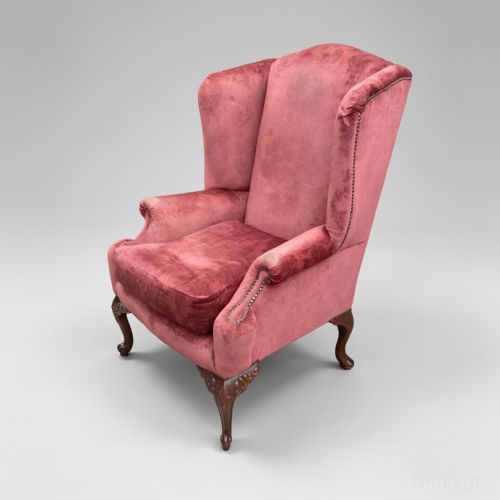
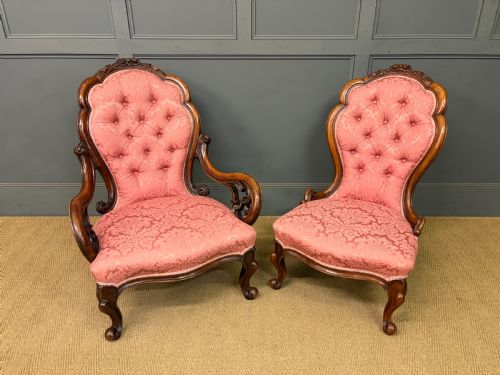
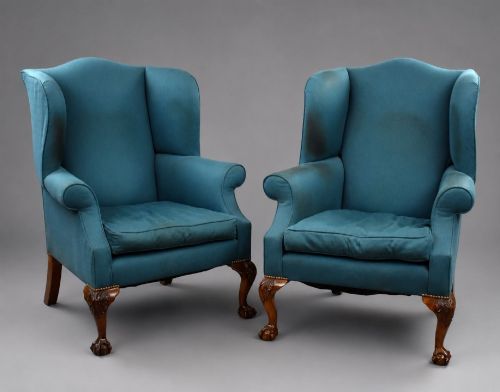
A carved cabriole fireside chair is a seated piece designed for comfort near a fireplace, typically featuring upholstered elements and prominent wooden legs with curved profiles. When searching this phrase, buyers encounter various seating forms including wing armchairs, nursing chairs, and easy chairs.
The selections span multiple eras, notably the Victorian period and the Georgian era, alongside later revivals from the twentieth century. Walnut and mahogany form the primary wooden structures, while upholstery ranges from leather and velvet to modern fabric coverings.
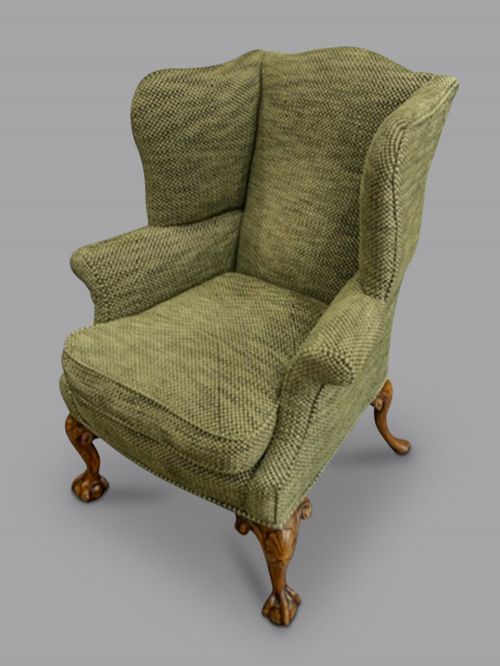
Pieces often display distinct stylistic influences such as Queen Anne and Chippendale revivals, characterised by decorative carving and cabriole legs. These seating options combine functional warmth with historic design details suited to traditional interiors.
What varies in quality
The quality of a piece rests largely on the crispness of the timber carving and the integrity of the underlying wooden frame. Finer examples exhibit carefully proportioned cabriole legs with well-defined knees and feet, whereas simpler versions show more basic shaping.
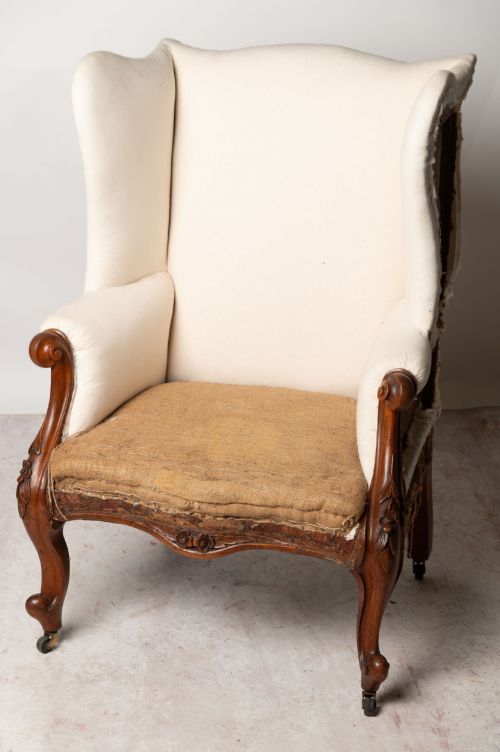
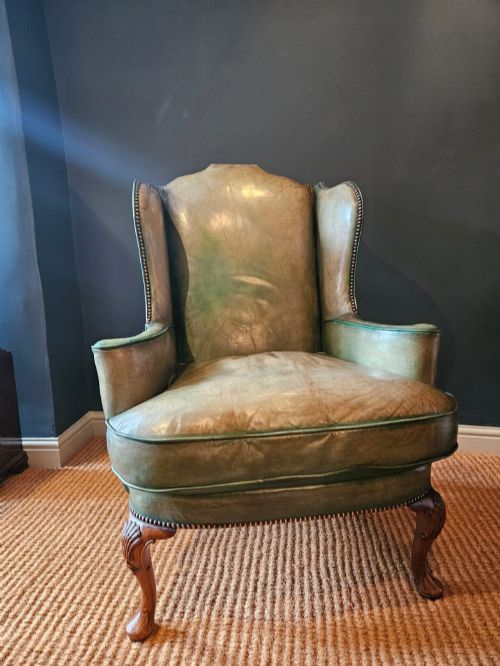
The standard of upholstery and the choice of covering material also influence the overall character, with luxury finishes like full-grain leather or patterned velvet distinguishing high-end examples from plain calico stages.
Some chairs arrived in workshops clad only in plain calico, waiting patiently for a Victorian landowner to choose velvet.
The Carved Cabriole Fireside Chair Glossary
- Cabriole leg
- A furniture leg that curves out at the knee and tapers inward to an ankle, mimicking an animal's limb. This form appears frequently on Georgian and revival seating.
- Wing back
- An upholstered armchair with side panels designed to shield the occupant from draughts near a fireplace. These extensions enclose the upper body for warmth.
- Showwood
- The exposed wooden portions of an otherwise upholstered chair frame. Walnut and mahogany are typical timbers chosen for this visible framework.
- Spoon back
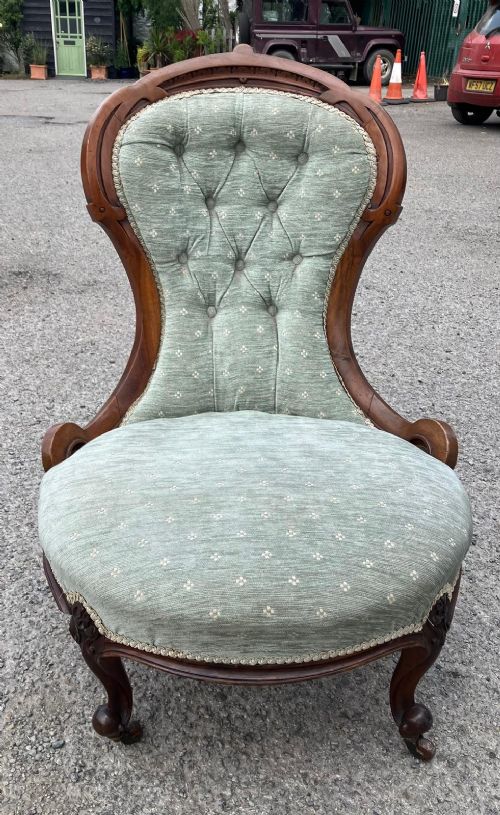
- A padded chair back shaped in the concave contour of a spoon. This silhouette is common in Victorian nursing and easy chairs.
Carved Cabriole Fireside Chair: Frequently Asked Questions
What is a cabriole leg?
A cabriole leg is a carved furniture support that curves outward at the knee and inward at the ankle. It finishes in a pad, claw, or scroll foot.
This classic shaping borrows from classical forms and appears across various historic seating styles, particularly on eighteenth-century and revival pieces.
Are these chairs suitable for daily use?
These seating options are built with sturdy timber frames and comfortable padding designed for regular sitting. Many feature updated internal support or fresh upholstery.
Placing them by a fireplace or in a living space maintains their original purpose as functional fireside furniture.
How can I tell the period?
Dating relies on observing timber choices, carving styles, and construction techniques. Georgian pieces often display restrained mahogany work, while Victorian examples favour heavier walnut frames and buttoned backs.
Revival pieces from the twentieth century frequently imitate these earlier eighteenth- and nineteenth-century aesthetics.