
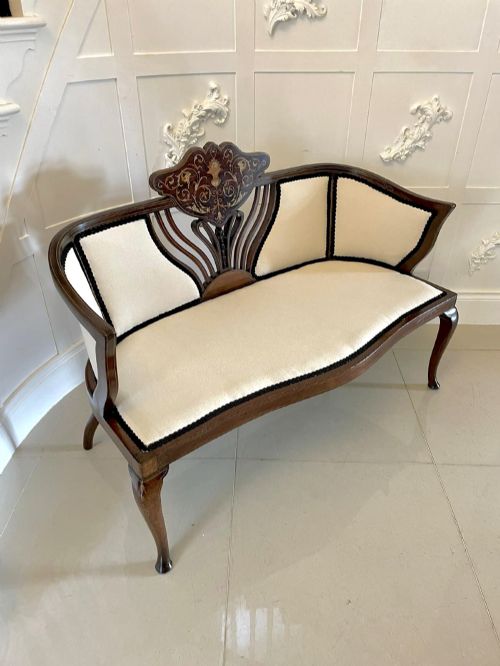

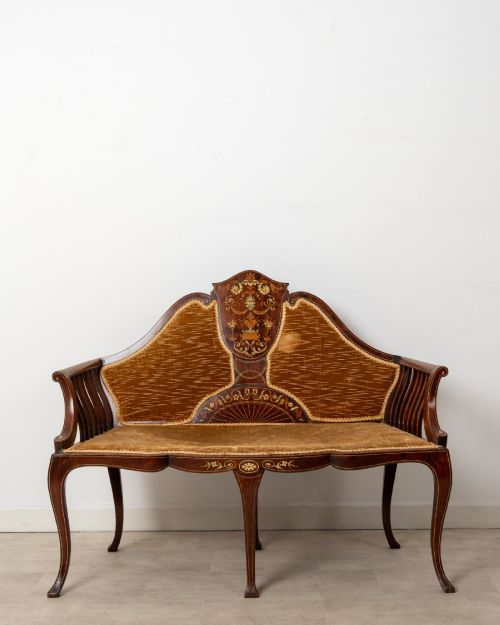
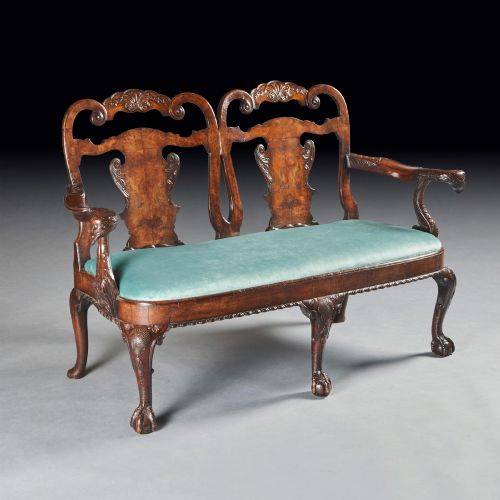
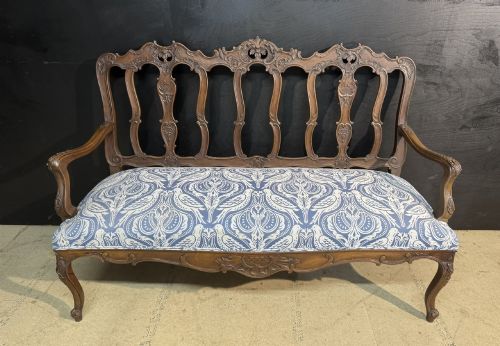
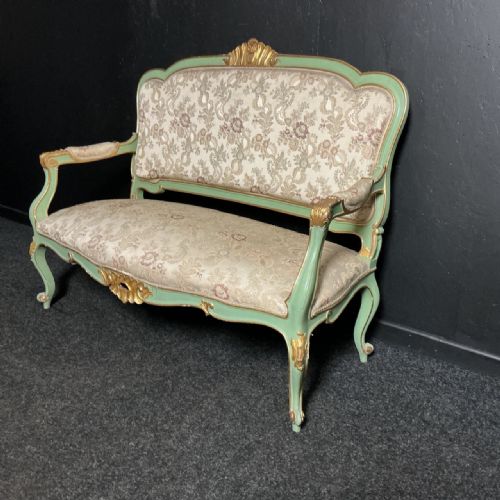
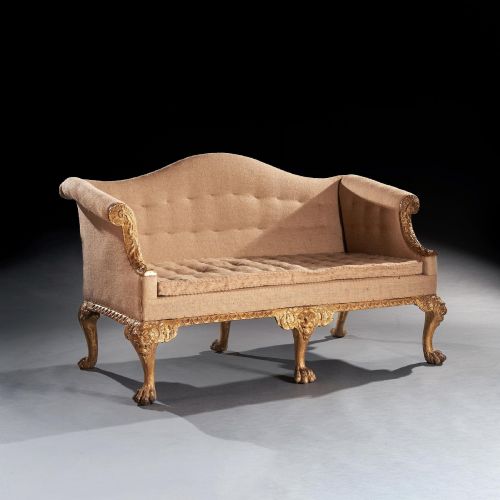
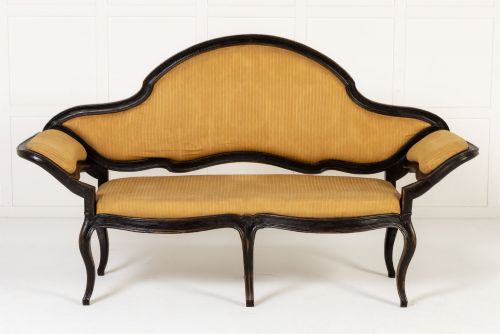
Cabriole Leg Upholstered Settee
A cabriole leg upholstered settee brings curved wooden frames and soft seating together in a single historic form designed for comfort and elegance.
Cabriole Leg Upholstered Settee
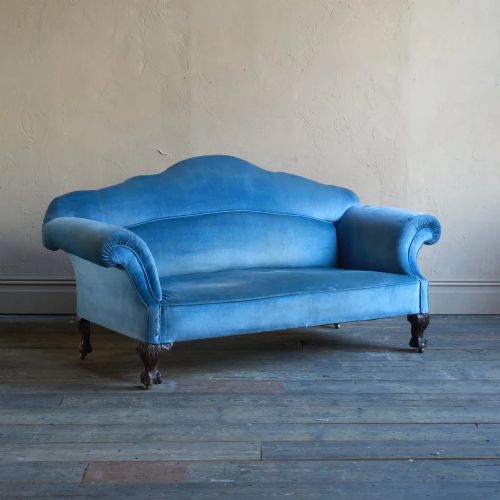
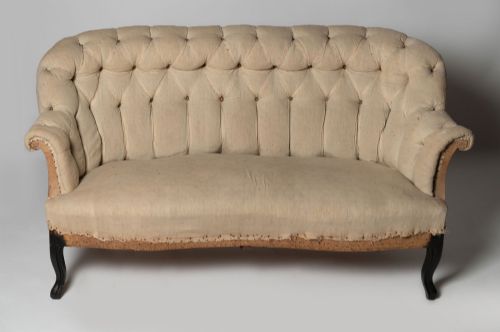
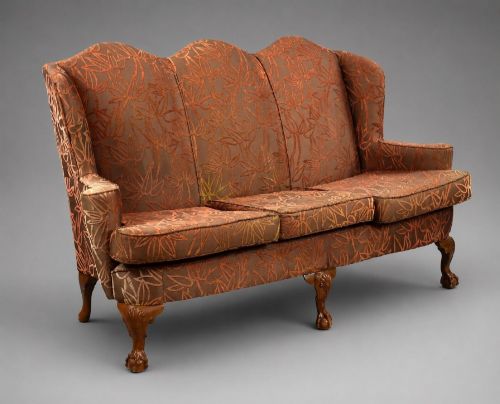
A cabriole leg upholstered settee combines a supportive cushioned seat and backrest with distinctive curving wooden supports that sweep outward and inward. These seating forms emerge across multiple eras, including the eighteenth century and subsequent revival periods.
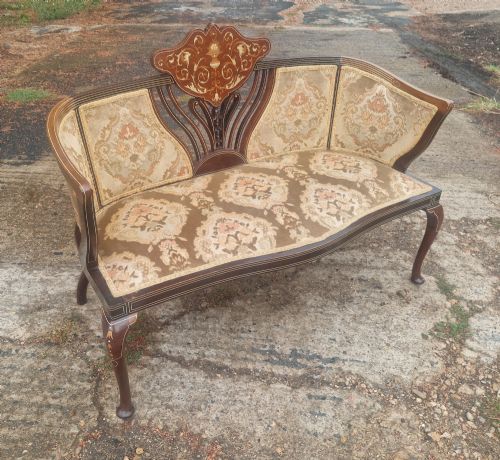
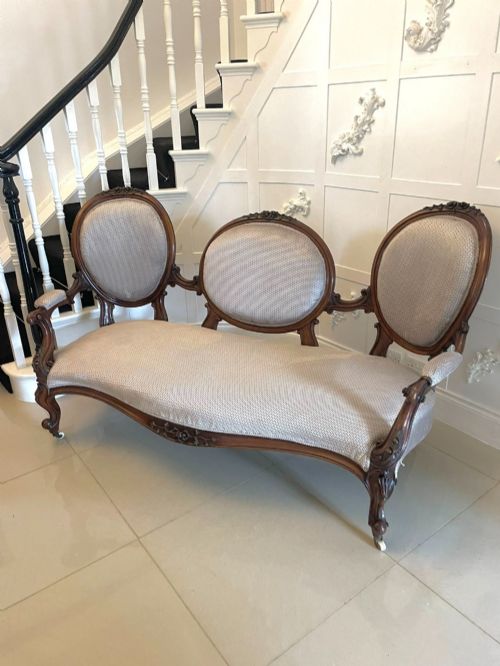
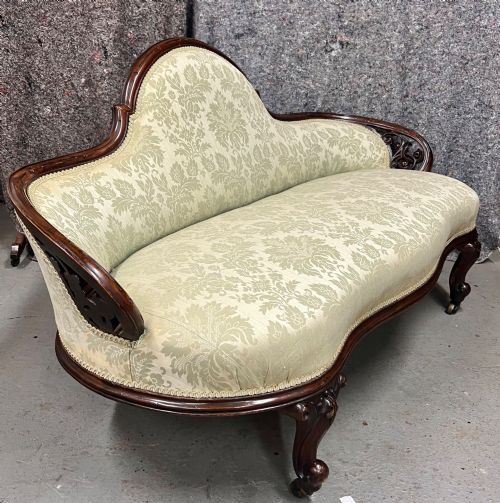
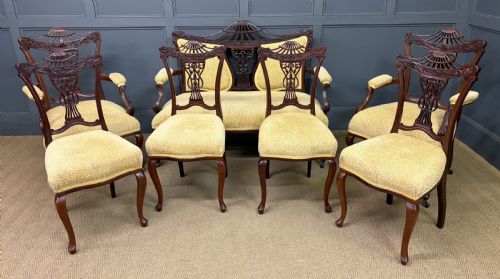
The pieces on this page appear in various timber frames, including walnut and mahogany, upholstered in diverse fabrics ranging from plain textiles to patterned velvet. Forms span from compact two-seat couches to larger three-seater settees and salon suites.
Makers and workshops across Britain, France, Italy, and Germany produced these designs, drawing on historical styles such as Queen Anne, Louis XV, Chippendale, and Victorian Rococo Revival. Buyers find both antique originals and later revival interpretations reflecting these enduring design traditions.
How they were made
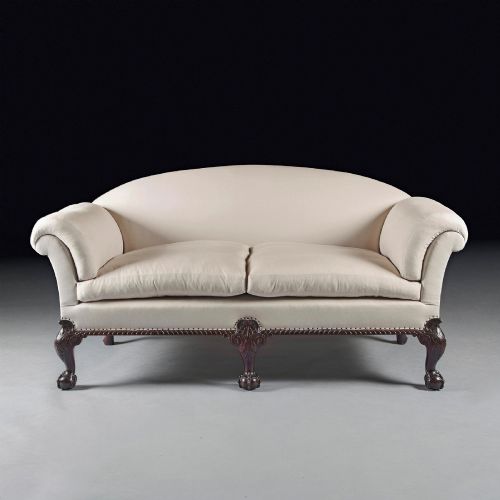
Frames rely on solid hardwoods like mahogany and walnut, shaped by hand using traditional joinery techniques to support the sweeping contours of the curved legs. Craftsmen frequently incorporated carved details, such as ball and claw feet, lion masks, or inlaid woodwork.
Upholstery methods involved traditional stuffing materials secured over webbing and springs, enclosed within textile coverings including velvet and patterned upholstery fabric. Frames occasionally incorporated cane panels alongside upholstered sections to lighten the visual weight of the seating.
Several compact examples serve double duty as end-of-bed seats, proving that historic lounging comfort adapts readily to the bedroom.
What varies in quality
The refinement of the timber carving and the fluidity of the leg curves distinguish superior examples from simpler production. Master carvers achieved balanced proportions where the scroll of the foot relates harmoniously to the apron and arm supports.
The integrity of the underlying frame construction and the choice of primary timbers, such as figured walnut or dense mahogany, mark the distinction between standard workshop output and high-status commissions by notable makers.
Howard and Sons·Giles Grendey·Morison and Co·Butlers of Dublin
The Cabriole Leg Upholstered Settee Glossary
- Cabriole leg
- A furniture support that curves outward at the knee and tapers inward toward the ankle, finishing in a foot such as a pad, claw and ball, or hoof. This design derives from ancient Chinese furniture and gained widespread popularity in European styles during the eighteenth century.
- Camel back
- A curved top rail on a sofa or chair that rises in a gentle, continuous convex arch resembling a camel's hump. This profile provides enhanced lumbar support and defines the silhouette of formal seating.
- Chair back settee
- A seating form featuring a wooden backrest designed to mimic two or more joined chairs rather than a continuous upholstered pad. These frames often showcase open splats and exposed woodwork.
- Giltwood
- Timber coated with a thin layer of gold leaf applied over a prepared gesso ground. This finish appears on formal decorative seating intended for reception rooms.
- Rococo Revival
- A nineteenth-century design movement that reinterprets the asymmetrical scrolls, shell motifs, and naturalistic curves of the eighteenth-century French Rococo style. Furniture from this period emphasises ornate carving and comfortable proportions.
Cabriole Leg Upholstered Settee: Frequently Asked Questions
How do I date a cabriole leg settee?
Dating relies on examining the timber species, construction joints, and stylistic details that align with specific historic periods or later revival movements. Eighteenth-century examples display hand-cut joinery and period-specific carving traits, whereas nineteenth and twentieth-century pieces often reflect revival aesthetics.
Secondary woods and upholstery backing materials also offer clues to the age of the piece. Comparing the proportions and decorative motifs against documented examples helps confirm the era of manufacture.
Where should I place a settee at home?
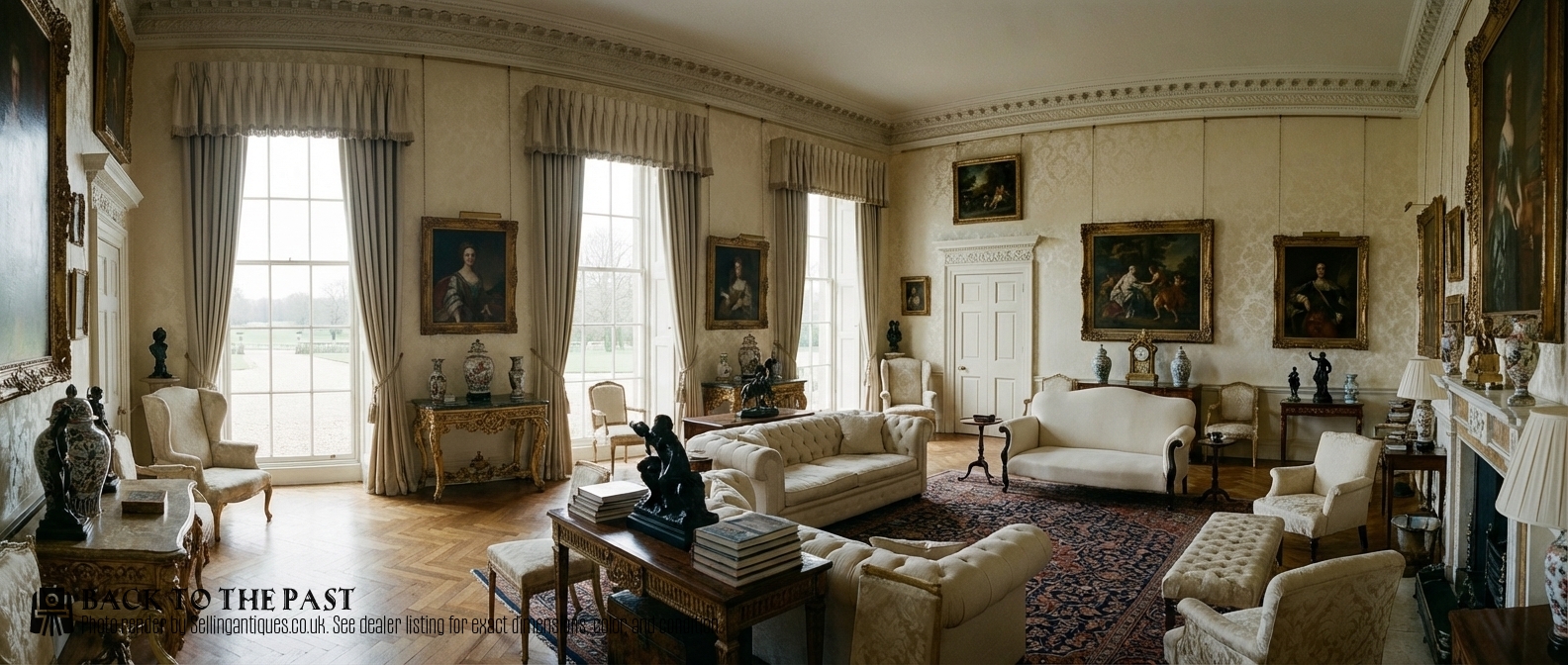
These settees suit living rooms, drawing rooms, and bedrooms, functioning as conversational seating or statement pieces against a wall. Compact versions also fit well in entrance halls or at the foot of a bed.
Ensure the piece sits away from direct heat sources and strong sunlight to protect the wooden frame and textile upholstery from fading or drying out.
How are antique settees best cleaned?
Dust wooden frames regularly with a soft, dry cloth and nourish exposed timber periodically with appropriate furniture wax. Avoid using harsh chemical sprays or silicone polishes that can damage historic finishes.
Upholstery care depends on the fabric type, requiring gentle vacuuming with a soft brush attachment. Professional cleaning is recommended for delicate textiles like velvet or antique tapestries.
What is the difference between a settee and a sofa?
The terms are often used interchangeably, though historically a settee referred to a smaller or lighter upholstered seat with a wooden frame. Sofas traditionally denoted larger, fully upholstered seating units designed for lounging.
In modern usage across antique markets, both describe multi-seat upholstered furniture designed for domestic comfort.