

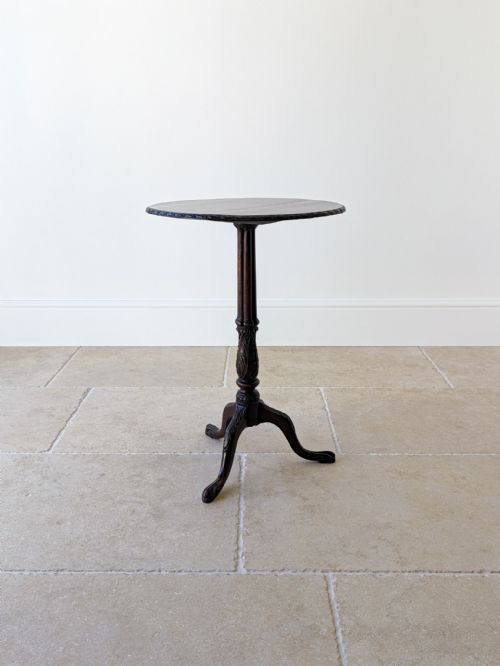
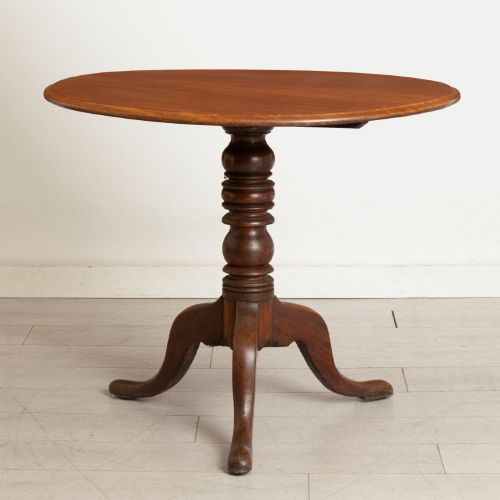
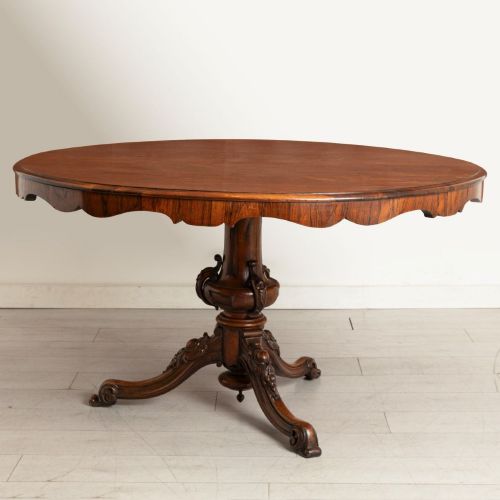
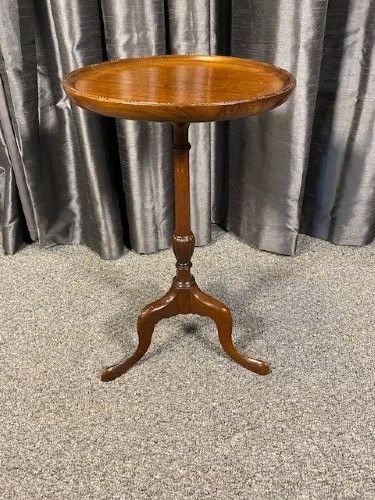
Cabriole Leg Pedestal Table
A cabriole leg pedestal table brings balanced proportions and practical surface space to traditional rooms.
Cabriole Leg Pedestal Table
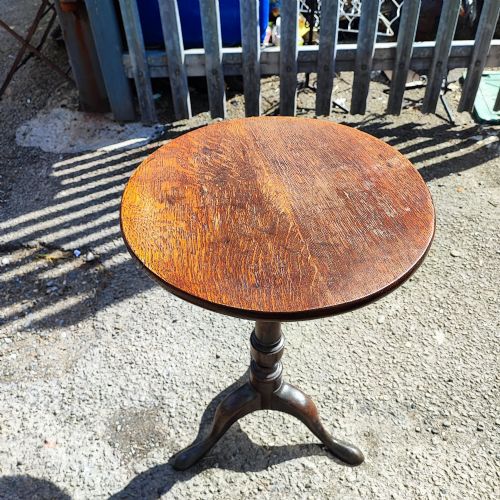
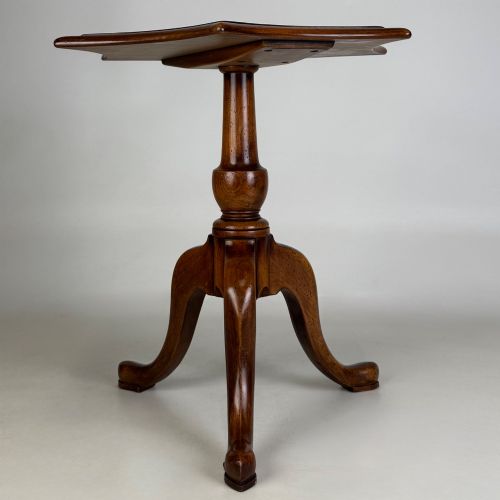
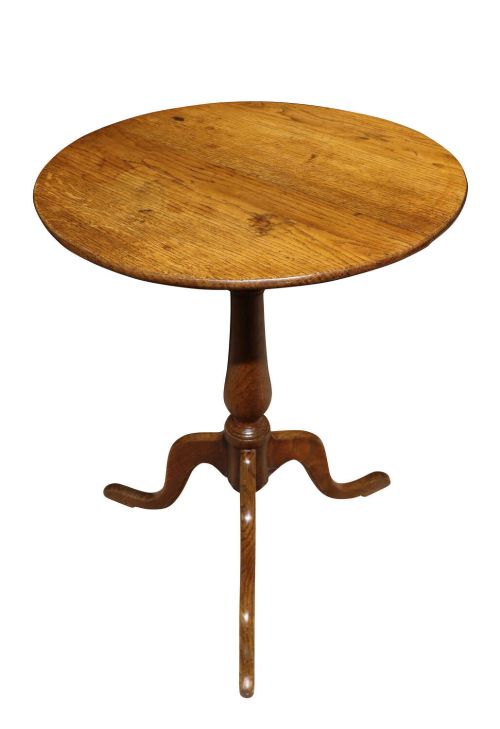
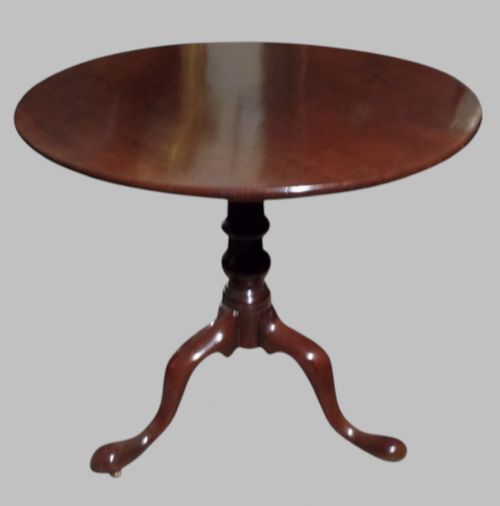
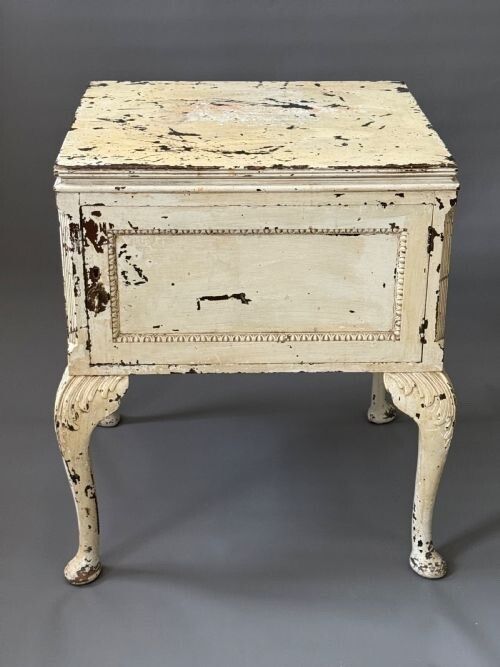
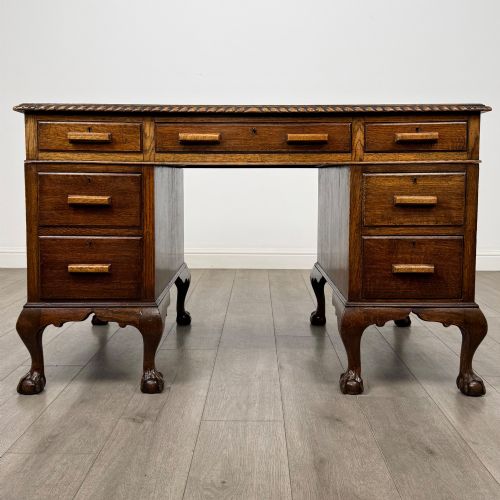
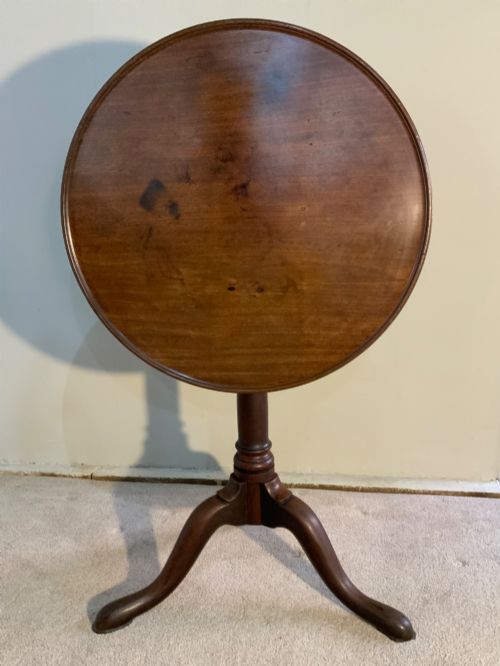
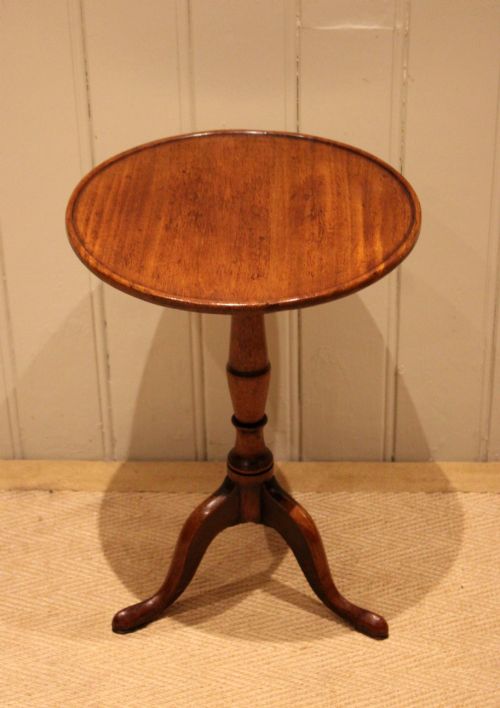
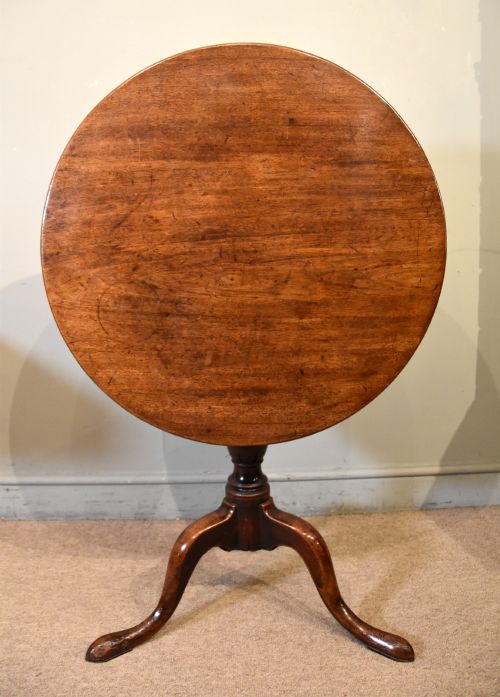
A cabriole leg pedestal table combines a central support structure with curving legs, frequently appearing across historical periods from the Georgian era through to Edwardian times. These pieces function primarily as occasional tables, wine tables, or desks, serving specific placement needs in domestic interiors.
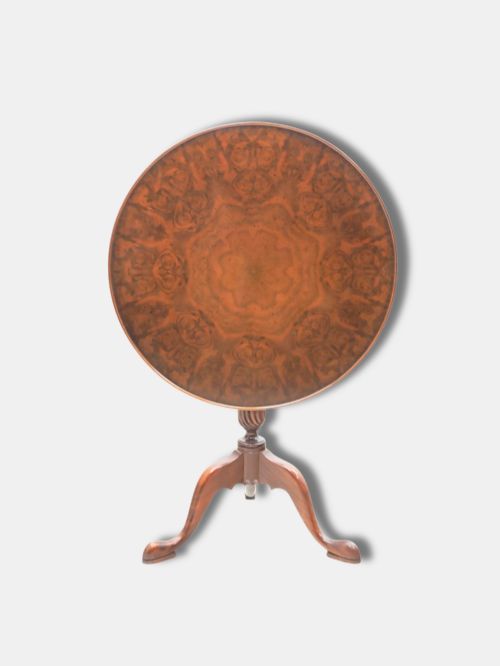
The versions most commonly met in current selections span Georgian, Victorian, and Edwardian periods, often utilising mahogany, walnut, or oak. Buyers encounter diverse top configurations, including tilt-top mechanisms, fixed surfaces, and shaped rims.
Materials and construction methods
Cabinet makers relied heavily on dense hardwoods such as mahogany, walnut, burr walnut, and oak to construct stable central pillars and slender tripod or pedestal bases. These woods provided the structural integrity required to support tilting tops and intricate carved details without warping.
Joinery techniques involved precise turning for pedestals and careful shaping for the characteristic curving legs, occasionally incorporating brass fittings, leather writing surfaces, or hand-painted finishes depending on the intended function of the table or desk.
Tilt-top tables were often called 'loo tables' or breakfast tables, designed to stand modestly against the parlour wall like polite wooden sentinels until tea time arrived.
Assessing craftsmanship and finish
The standard of carving and the selection of timber dictate the distinction between standard examples and finer pieces. Superior tables display crisp detailing on the knees and feet of the cabriole supports, alongside well-figured timber veneers like burr walnut or Cuban mahogany.
Structural execution also separates production quality, visible in the smooth operation of tilt-top mechanisms, birdcage assemblies, and the flush alignment of drawers on desk variants.
The Cabriole Leg Pedestal Table Glossary
- Cabriole leg
- A furniture leg that curves outward and then tapers inward, mimicking an animal's limb. This design typically terminates in a pad, claw and ball, or hoof foot.
- Tilt-top table
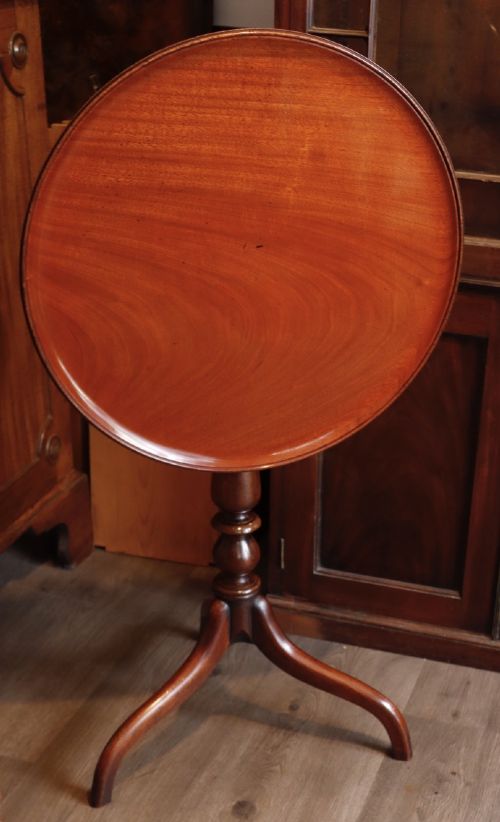
- A table featuring a mechanism that allows the surface to pivot to a vertical position when not in use. This clever design saved floor space in smaller period rooms.
- Birdcage
- A revolving wooden framework beneath the top of a tripod table. It allows the surface to both tilt and rotate independently of the pedestal.
- Pie crust edge
- A decorative raised rim carved into the perimeter of a tabletop with undulating curves. It prevents small items or glassware from sliding off the edge.
- Tripod table
- A small freestanding table supported by a central pillar resting on three spreading legs. These versatile forms gained popularity during the Georgian period for tea service and reading.
Cabriole Leg Pedestal Table: Frequently Asked Questions
What is a birdcage mechanism?
A birdcage is a rotating wooden assembly fitted beneath a tabletop that enables the surface to both tilt upright and spin horizontally. This ingenious component allowed owners to tuck the table flat against a wall when not in daily use.
Master joiners constructed these frames with precise wooden pivots and catches to ensure the top remained stable when lowered into the horizontal position for serving tea or holding books.
How do I identify a Georgian table?
Georgian pieces are identified by dense timbers such as Cuban mahogany, hand-cut dovetail joinery, and restrained classical proportions. Makers during this period favoured structural honesty and subtle carved motifs over heavy ornamentation.
Examining the underside reveals tool marks, timber shrinkage appropriate to age, and traditional fastenings that confirm eighteenth-century manufacture rather than later revival styles.
Where should I place a wine table?
A wine table suits placement beside an armchair, reading seat, or sofa as a compact surface for drinks or lighting. Their small footprints allow them to occupy awkward corners or tight spaces where larger furniture cannot fit.
Because many examples feature tilt-top designs, they also look striking positioned flat against a drawing room wall when not actively holding objects.