

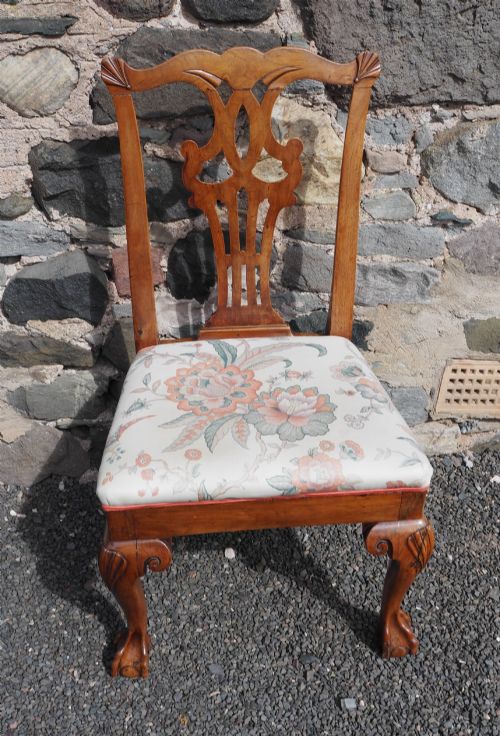
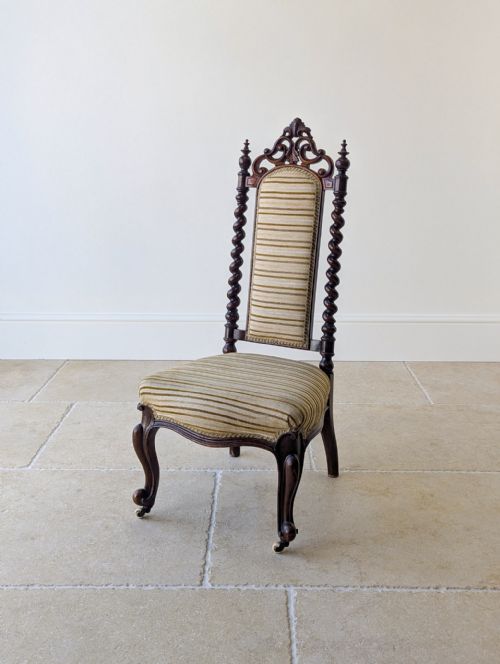
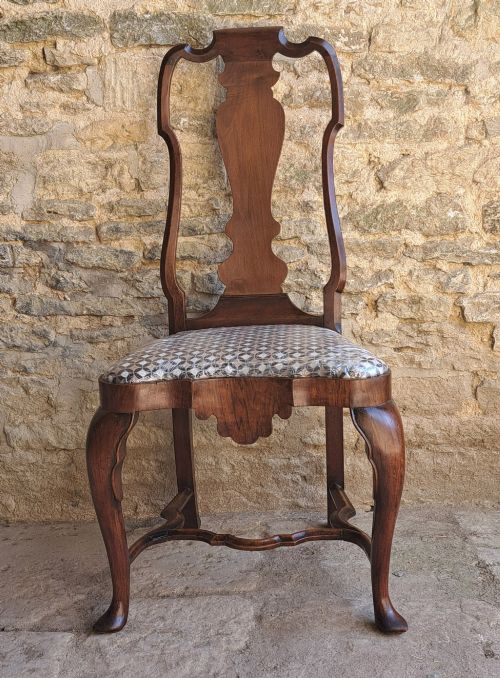
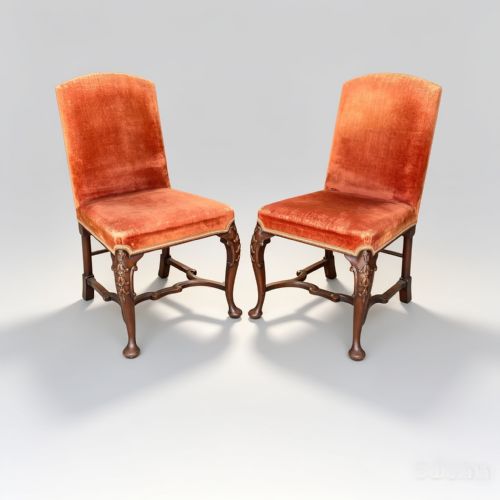
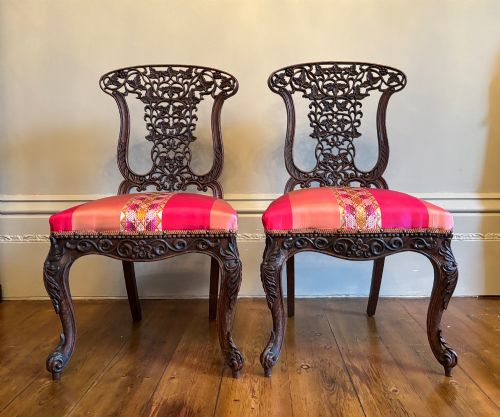
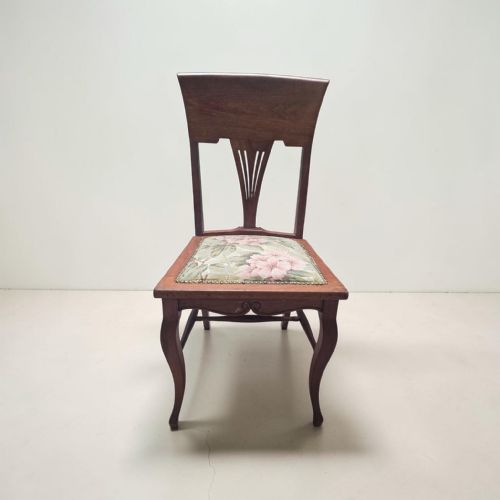
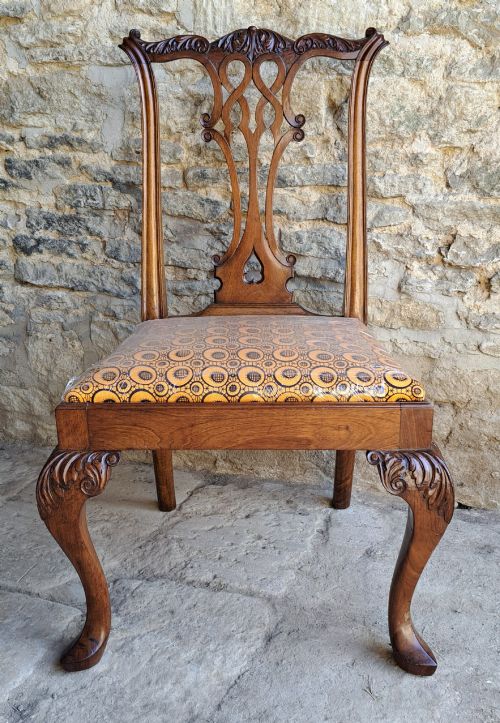
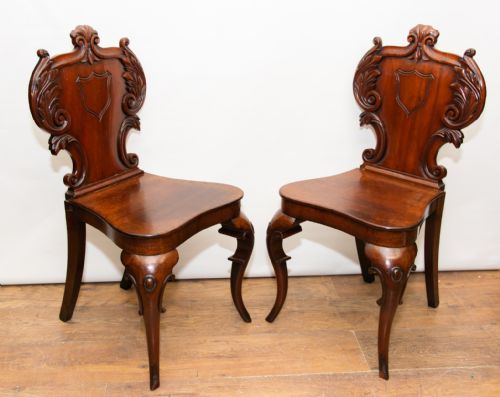


Cabriole Leg Hall Chairs
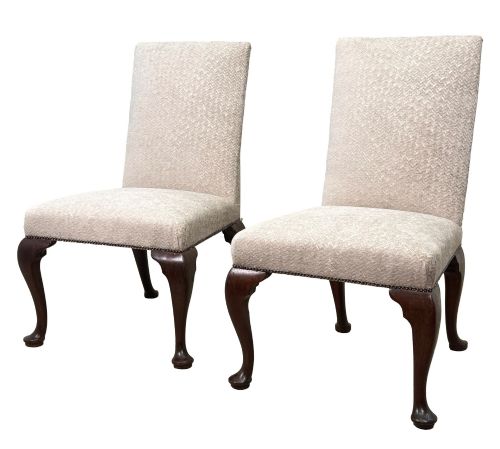
Cabriole leg hall chairs are distinguished seating pieces featuring curving supports, offering historical presence and architectural line to an interior space.
Cabriole Leg Hall Chairs
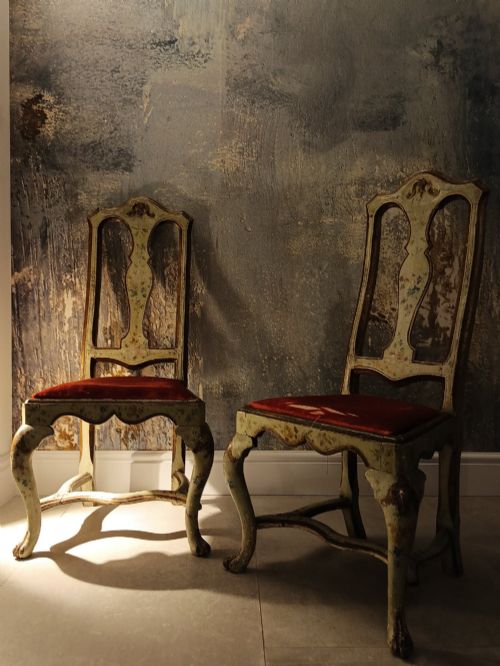
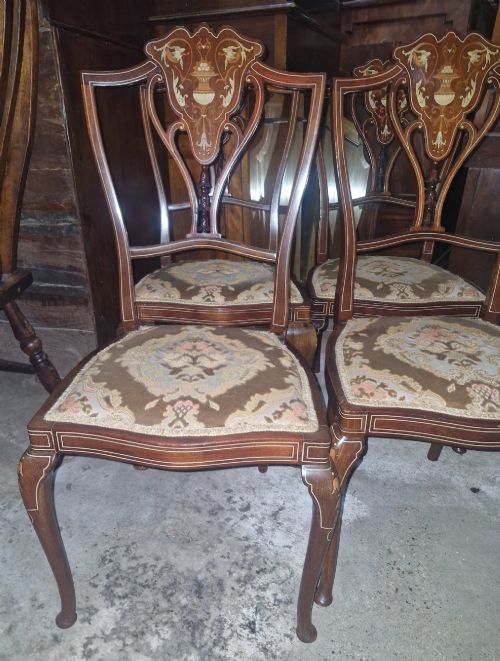
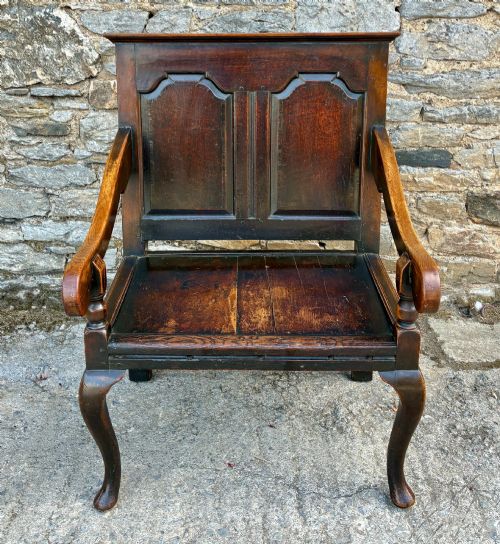
Cabriole leg hall chairs encompass side chairs, reception seating, and tall-back forms originating from the eighteenth century onwards. Buyers searching this phrase meet walnut and mahogany examples spanning the Georgian, Queen Anne, and Victorian periods.
The selection includes matched pairs and sets alongside single pieces showing Italian, Dutch, and English regional characteristics. Alongside traditional hall seats, the inventory extends to parlour chairs and dining variants sharing the characteristic curved support.
How they were made
Cabinetmakers utilised dense hardwoods including walnut, mahogany, oak, and rosewood to construct the frames of these chairs. These timbers provided the structural strength required to shape the distinctive double-curved leg without compromising weight-bearing capacity.
Joinery techniques combined traditional mortise and tenon joints with hand-carved ornamentation on splats, crest rails, and knees. Upholstered versions incorporated fabric, leather, or textile coverings secured over padding.
Several pieces recorded in the archives served as coaching chairs, designed specifically to assist travellers pulling off muddy riding boots.
What varies in quality
Quality depends upon the crispness of the hand-carved detail and the fluid execution of the curving leg profile. Finer examples display harmonious proportions where the scroll or pad foot meets the floor with balanced weight.
The choice and figuring of the timber stock influence the overall distinction of the piece, particularly in walnut and mahogany surfaces. Structural integrity in the joints and the retention of original framing elements separate standard production from superior craftsmanship.
Charles Tozer·Whytock and Reid of Edinburgh
The Cabriole Leg Hall Chairs Glossary
- Cabriole leg
- A furniture support that curves outward at the knee and tapers inward toward the ankle, finishing in a pad, claw, or scroll foot. This form derives from animal limbs and gained prominence in seventeenth and eighteenth-century design.
- Splat
- The vertical central strip of wood in the back of a chair, often pierced, carved, or vase-shaped. It provides back support while offering a primary surface for decorative carving.
- Pad foot
- A simple circular or oval foot at the base of a cabriole leg where the timber rests flat on the floor. It represents an early and restrained termination point for curving supports.
- Crest rail
- The uppermost horizontal member of a chair back, frequently shaped, carved, or arched to match the style of the period. This element frames the top of the seat back.
- Side chair
- An upright chair without arms, designed for dining or occasional placement against a wall. These pieces form the majority of seating found in historical halls and reception rooms.
Cabriole Leg Hall Chairs: Frequently Asked Questions
What defines a cabriole leg?
A cabriole leg is a furniture support featuring a convex curve at the top and a concave curve below, creating an S-shaped profile. This design mimics the natural shape of an animal's leg.
Makers shaped these supports from solid hardwoods to distribute weight while adding visual movement to the furniture silhouette.
How do I date a hall chair?
Dating relies on examining the timber species, joinery methods, and the stylistic details of the carved back and legs. Earlier eighteenth-century pieces often utilise walnut with pad feet, while later Victorian revivals frequently employ mahogany and heavier carved motifs.
Secondary woods and construction marks underneath the seat provide additional clues to the exact period of manufacture.
Where were hall chairs placed?
Hall chairs were traditionally positioned in entrance halls, corridors, and reception spaces to offer brief seating for callers and visitors. Their rigid wooden seats or sparse upholstery discouraged lingering.
Today, these chairs function well in narrow hallways, landings, or as decorative accent pieces in living areas.
Are these chairs comfortable?
Historical hall chairs prioritise upright posture and architectural presence over deep cushioning, particularly those featuring carved wooden seats. Examples with upholstered leather or fabric pads offer a softer seat for occasional use.
Buyers usually select them for their visual impact and craftsmanship rather than lounge-style comfort.