

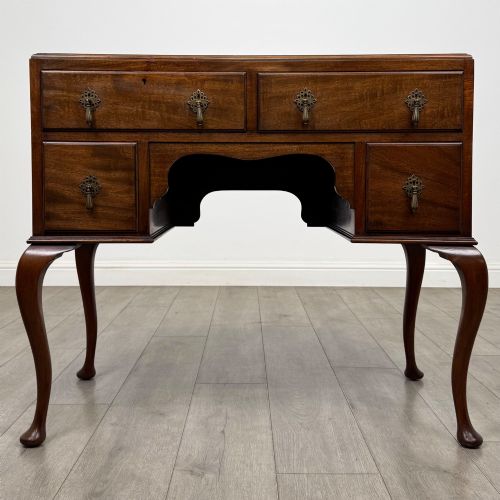
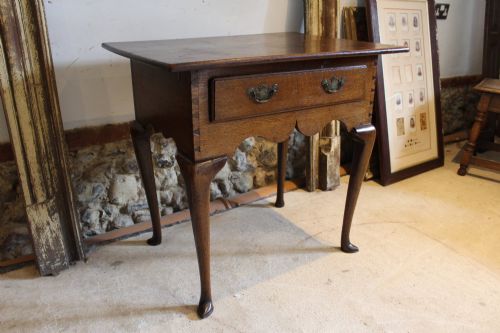
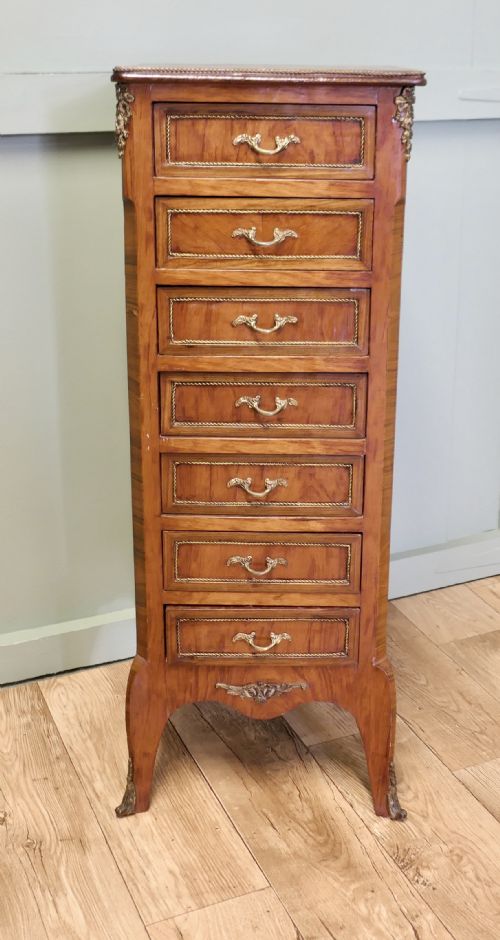
Cabriole Leg Drawers
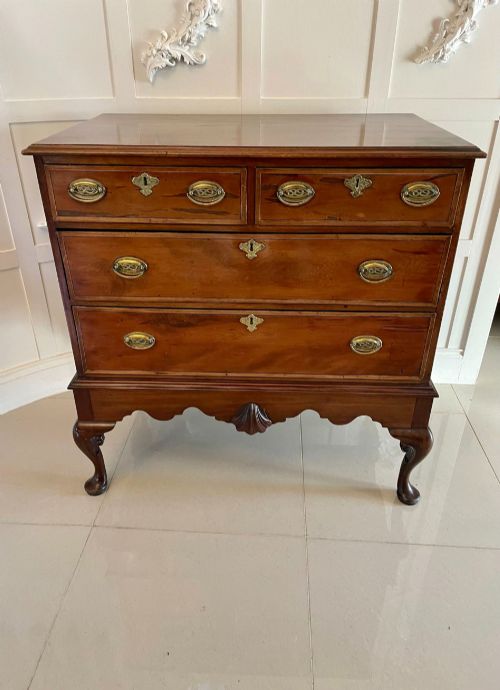
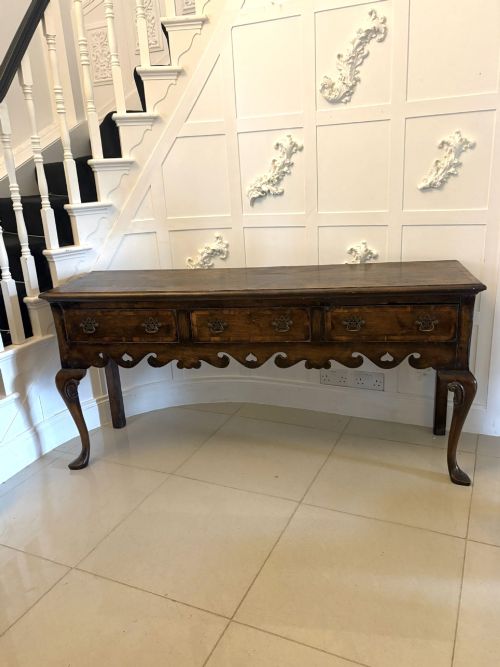
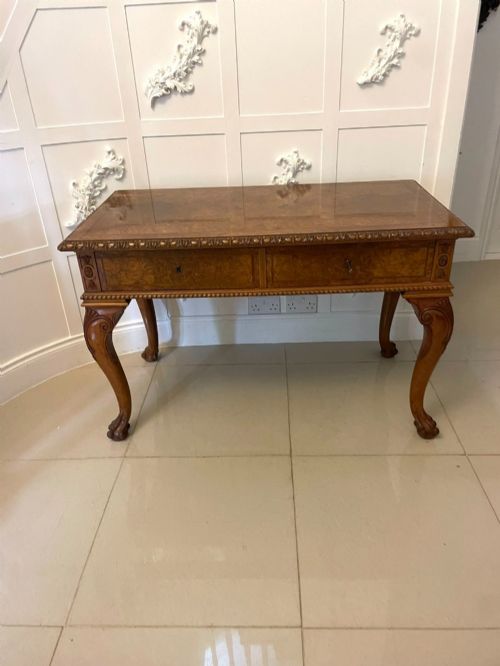
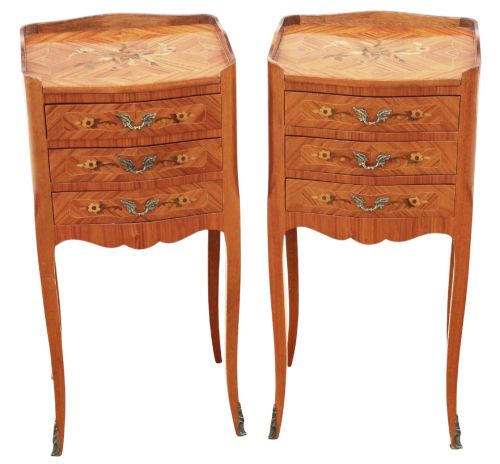
These cabriole leg drawers bring together curved wooden supports and functional storage across Georgian, Edwardian and French periods.
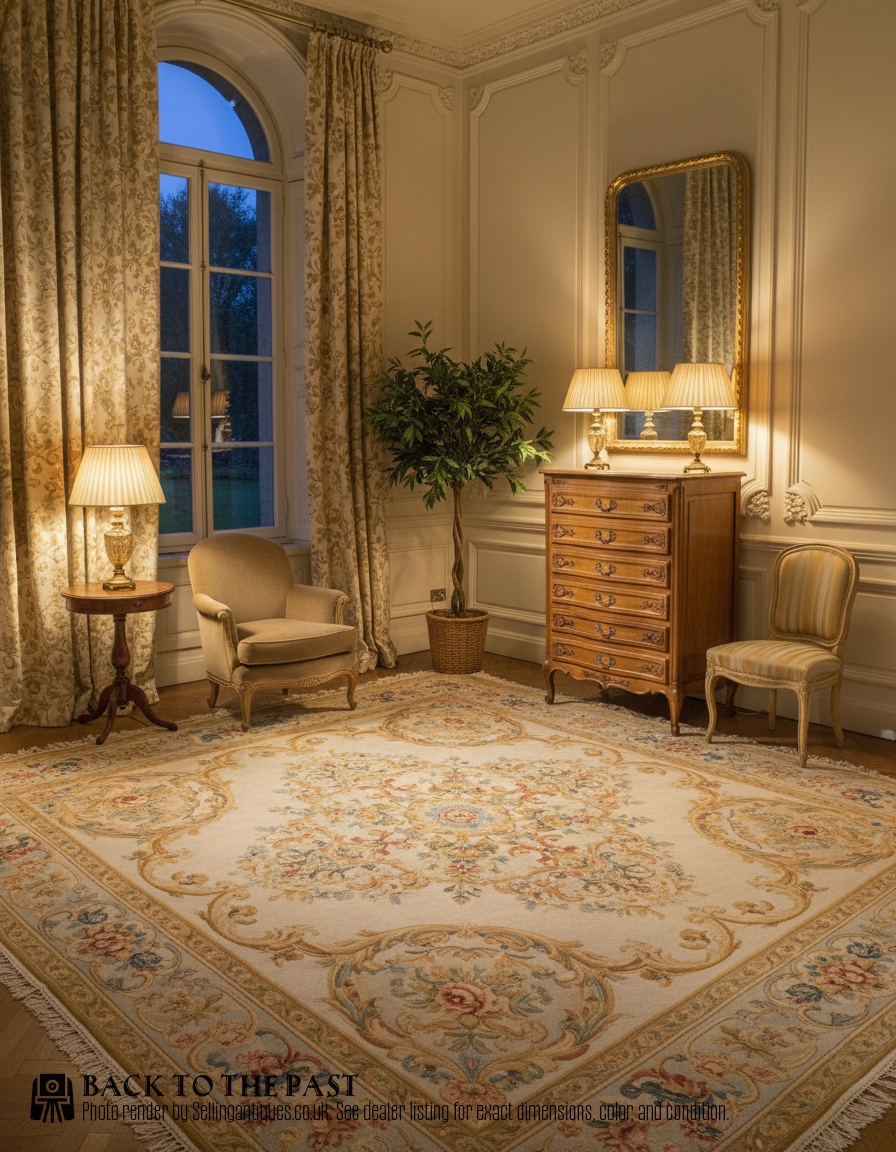
Cabriole Leg Drawers
Cabriole leg drawers unite the distinctive double-curved leg style with drawer storage in forms ranging from lowboys and side tables to bedside cabinets and tallboys. Buyers seeking cabriole leg drawers will find pieces spanning the eighteenth century through to the Edwardian period and the early twentieth century.
How they were made
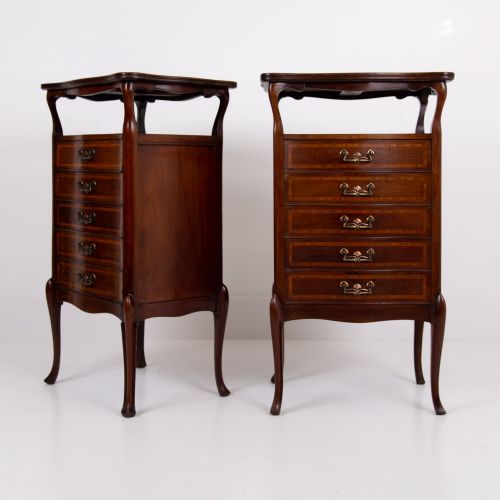
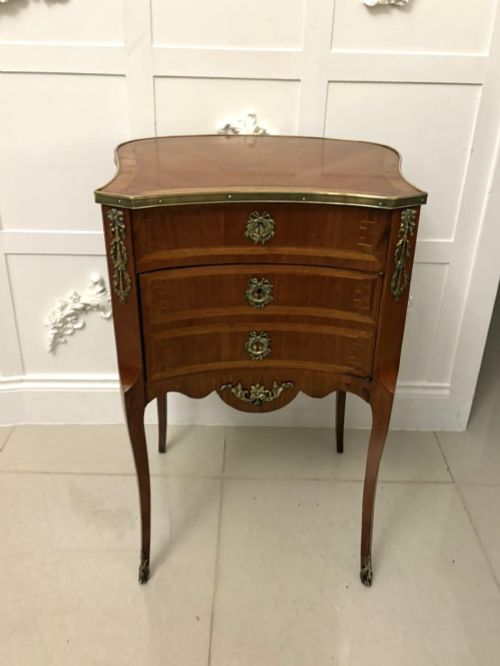
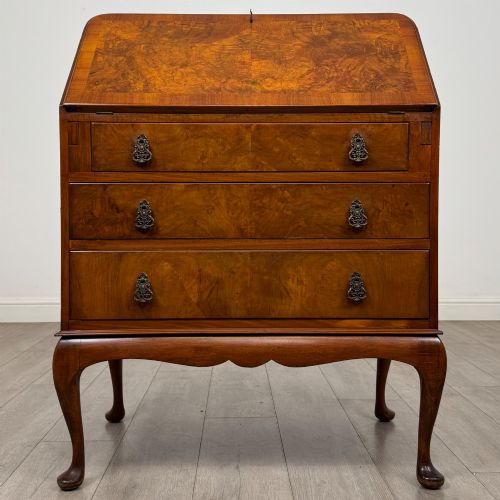
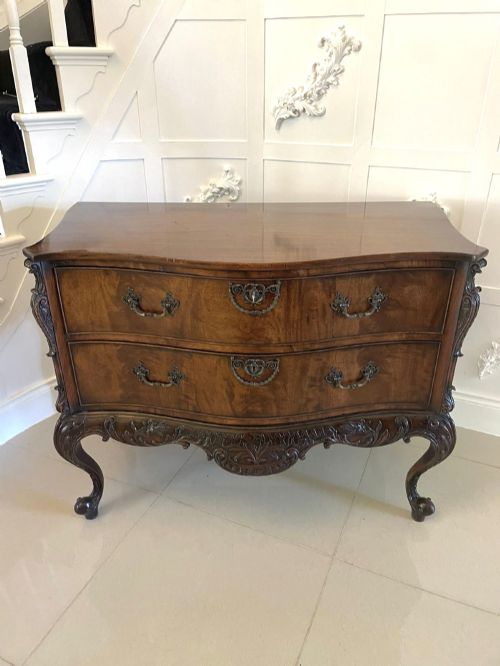
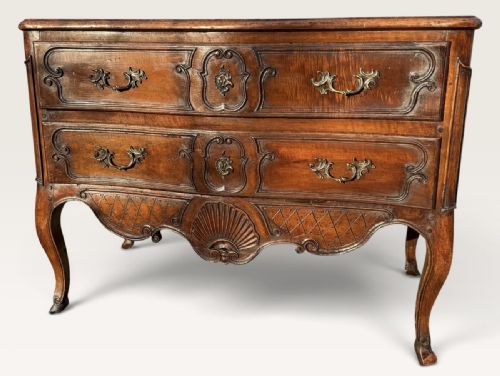
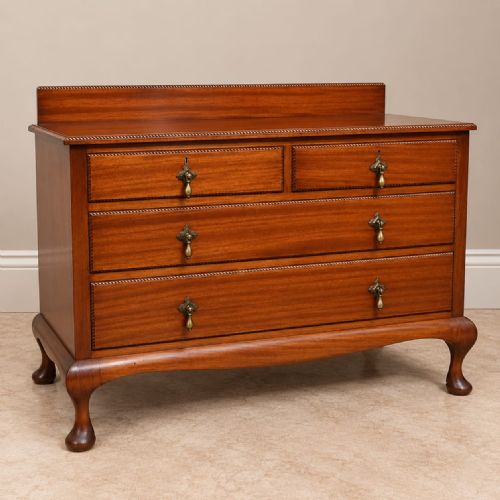
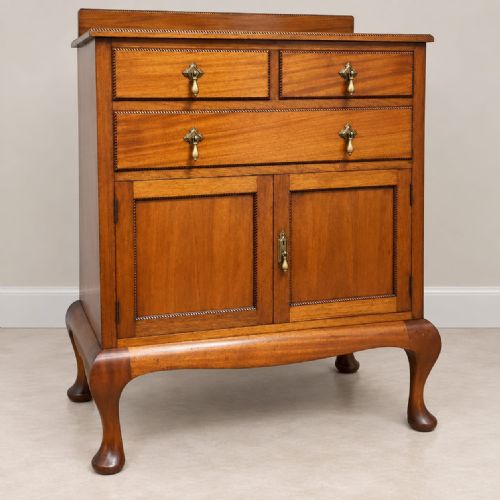
Cabinet makers utilised solid timbers such as oak and mahogany for structural stability, whilst employing burr walnut and walnut veneer for decorative surfaces. Marquetry inlay, brass handles and ormolu mounts add detailed ornamentation to French styles and Edwardian cabinets.
The characteristic cabriole leg is shaped from timber to form an outward knee curving down to a slender foot, sometimes incorporating carved details. Drawers are integrated into lowboys, writing desks and tall chests using traditional joinery methods suited to each period.
Some bedside tables include secret sliding compartments designed for midnight snacks or clandestine love letters.
What varies in quality
The standard of timber selection and veneer matching defines the visual appeal of walnut and mahogany examples, where figured grain patterns dictate the overall refinement. Finer pieces demonstrate careful proportion between the curve of the leg and the mass of the drawer section above.
Execution of carved details on the knees and feet of the cabriole supports distinguishes high workshop output from simpler provincial work. The integration of brass hardware and internal drawer construction reflects the original maker's investment of time and skill.
The Cabriole Leg Drawers Glossary
- Cabriole leg
- A furniture leg that bends outward at the knee and tapers inward toward the foot, mimicking animal limbs. This form became prominent in British and European furniture during the eighteenth century.
- Lowboy
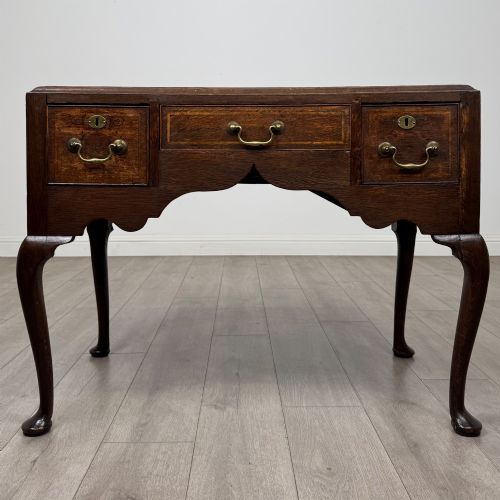
- A small oak or walnut table with one or more drawers, supported on four cabriole legs. These pieces typically served as dressing tables or side tables in eighteenth-century interiors.
- Chest on stand
- A tall drawer section elevated on a separate framework with legs. Walnut examples from the Queen Anne and George II periods frequently utilise this configuration.
- Marquetry
- The art of applying pieces of veneer to a structure to form decorative patterns and pictures. French bedside tables and cabinets often display this technique.
- Tallboy
- A tall chest of drawers standing upon a base or short legs. These units maximise vertical storage capacity while maintaining a raised profile.
Cabriole Leg Drawers: Frequently Asked Questions
What is a lowboy?
A lowboy is a small table equipped with drawers and raised on four cabriole legs. Originating in the eighteenth century, these versatile items served various domestic functions.
Today they fit neatly into hallways or living spaces as compact side tables or writing desks.
How do I identify a chest on stand?
A chest on stand consists of an upper cabinet containing multiple drawers resting upon a separate frame with legs. This configuration lifts the main body off the floor.
Georgian walnut and oak versions represent the most common iterations of this form.
What woods were used?
Cabinet makers relied primarily on oak, mahogany and walnut for the construction of these items. Burr walnut veneers and marquetry inlay provided decorative surfaces on finer examples.
Secondary timbers such as pine or oak frequently appear in drawer linings.
Are these pieces French or British?
The selection includes both British Georgian furniture and French provincial or Louis XV style pieces. British examples tend to feature restrained oak or walnut construction.
French pieces often incorporate marquetry, ormolu mounts and distinctive serpentine shaping.