
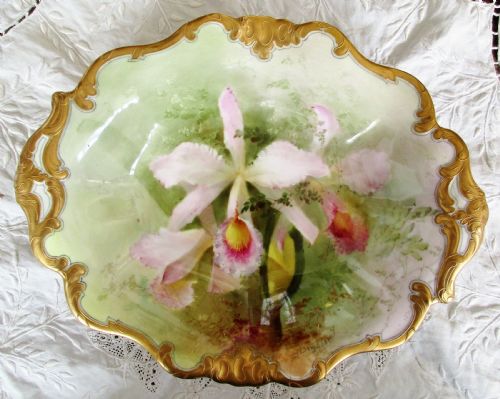
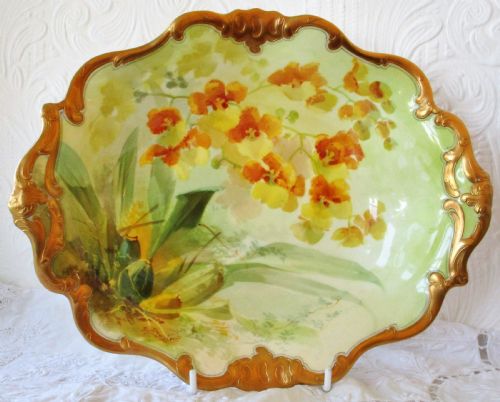
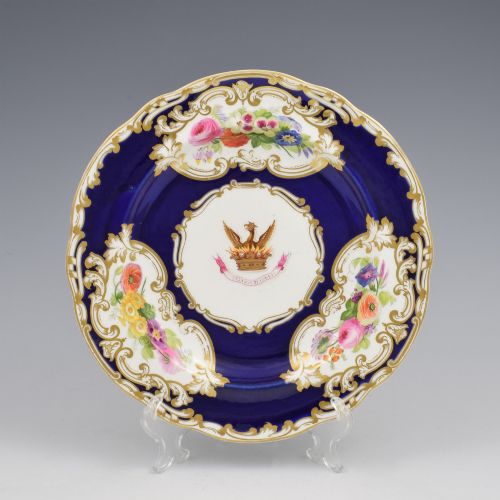


Cabinet Plate Floral Display
Cabinet plate floral display pieces bring together delicate botanical painting and fine porcelain traditions from the eighteenth century onwards.
Cabinet Plate Floral Display
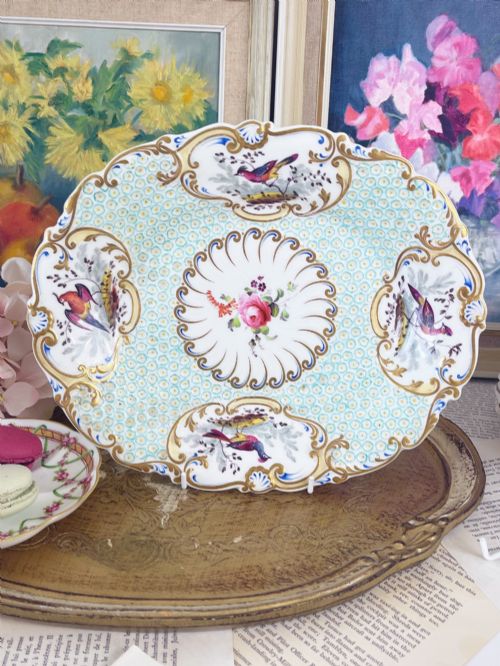
A cabinet plate floral display brings together decorative ceramics intended for visual admiration rather than daily dining. These pieces range from eighteenth-century French porcelain to twentieth-century English bone china.
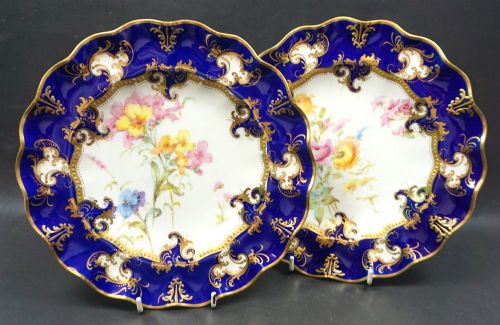
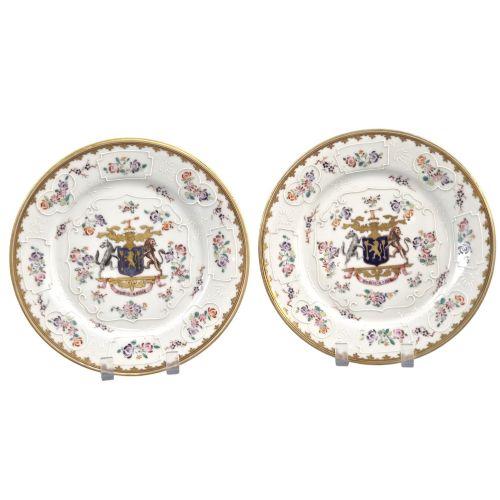
The selections on this page highlight hand-painted botanical studies and armorial motifs. Collectors encounter these objects across various periods including the nineteenth century and the Edwardian era.
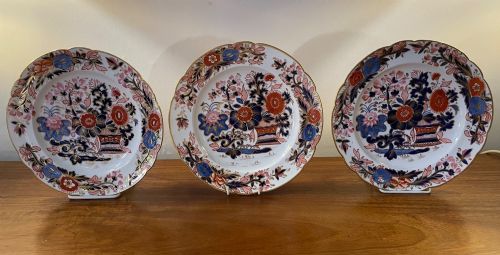
Forms include scalloped edge plates, serving dishes, and dessert service pieces. Origin points span English potteries, French porcelain houses, and Japanese Imari traditions.
Materials and production methods
Makers utilised fine porcelain, bone china, and earthenware as the foundational body for these ceramic works. Artisans applied detailed hand-painting alongside enamel pigments to render botanical subjects and floral arrangements.
Glaze treatments sealed the ceramic surface while gold leaf, gilding, and tooled gilt additions provided rich border highlights. Firing techniques varied across European and Asian workshops to achieve durable yet refined display items.
Listings feature periods spanning from the eighteenth century through to the mid-twentieth century.
Distinctions in quality
The distinction between standard items and superior examples rests upon the precision of the hand-painted artistry. Detailed botanical studies by named artists carry greater visual weight than repetitive factory decoration.
The application of gilding and the crispness of the porcelain paste define the upper tier of production. Pieces featuring intricate armorial crests or specialised floral commissions demonstrate superior workshop execution.
H & R Daniel·Royal Crown Derby·Edmé Samson & Cie·Royal Doulton·Copeland·John Ridgway·Furstenberg·Pucher Deroche·Chantilly·Sevres·Coalport·Royal Worcester·Flight Barr & Barr·Kerr & Binns·Meissen·Minton·New Hall·Rockingham
The Cabinet Plate Floral Display Glossary
- Cabinet plate
- A decorative ceramic dish intended for display on a wall or within a cabinet rather than use at the table.
- Armorial
- A ceramic design incorporating a family crest, coat of arms, or heraldic symbols painted onto the surface.
- Gilding
- The application of gold leaf or gold powder to ceramic borders and motifs for decorative emphasis.
- Bone china
- A type of soft-paste porcelain containing bone ash that yields a bright white and translucent body.
- Imari palette
- A decorative style utilising underglaze blue, iron red, and gold, originating from Japanese export traditions.
Cabinet Plate Floral Display: Frequently Asked Questions
How do I display cabinet plates safely?
Cabinet plates are best mounted using secure wall hangers designed specifically for porcelain without exerting excessive pressure on the rim. Alternatively, sturdy display stands inside a glass-fronted cabinet protect the painted surfaces from dust and accidental knocks.
Avoid placing these delicate ceramics in direct sunlight to preserve the vibrancy of the hand-painted enamels and gilt details over time.
Can I use these plates for dining?
These pieces were created for visual display rather than everyday culinary use. Historic glazes and delicate overglaze enamel work can wear down when exposed to cutlery and frequent washing.
Preserve the integrity of the hand-painted floral motifs by keeping these items strictly as decorative objects within your home.
How do I identify the maker?
Makers are typically identified through factory marks, painted ciphers, or impressed stamps found on the reverse of the ceramic. Researching the specific style of the floral painting and comparing border patterns helps narrow down the origin.
Some pieces include handwritten titles or artist signatures near the foot ring, which provide direct clues to the creator.
What is the difference between porcelain and bone china?
Traditional porcelain relies on a mixture of kaolin and petuntse fired at high temperatures to achieve a dense and vitreous body. Bone china incorporates animal bone ash into the clay mixture, producing a warmer white tone and greater translucency.
Both materials served as excellent canvases for detailed botanical and floral painting across different European and Asian traditions.