


English Rococo Revival China
English rococo revival china brings exuberant scrolls and gilding to tea tables, offering an ornate Victorian aesthetic that collectors treasure.
English Rococo Revival China
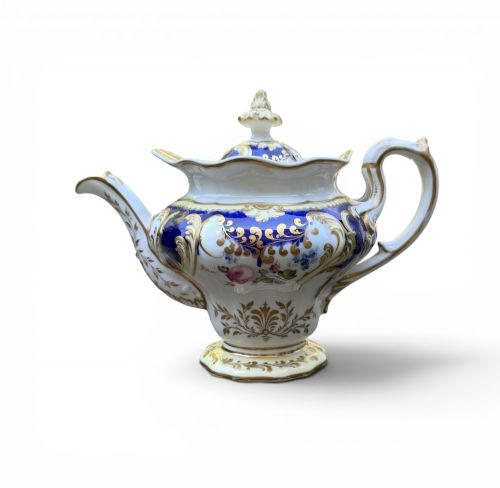
English rococo revival china encompasses decorative plates, teapots, serving dishes, and candlesticks produced primarily across the nineteenth century. These pieces display the characteristic asymmetrical scrolls, shell motifs, and rich gilding associated with the revival of eighteenth-century tastes.
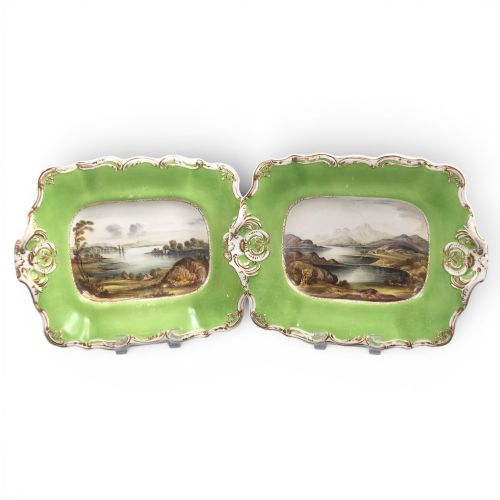
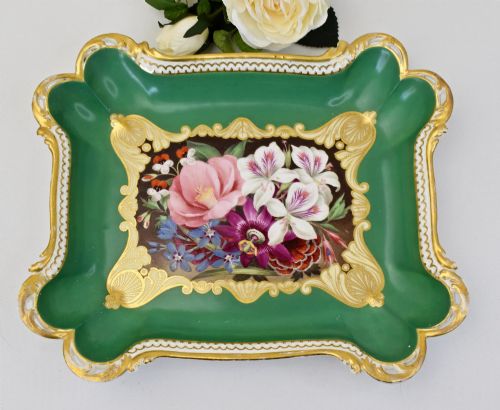
Teapots, ewers, and dessert cream tureens represent the practical forms adapted to this ornate aesthetic, often paired with floral panels and hand-painted views. Candlesticks featuring figural elements such as putti also appear within nineteenth-century production.
Buyers encounter items originating from prominent English factories active during the Georgian and Victorian periods, reflecting shifting manufacturing capabilities up to the early twentieth century.
Methods and materials of manufacture
Potters utilised porcelain, bone china, and glazed porcelain as the primary ceramic bodies for these wares, shaping them into elaborate serving dishes and cabinet plates. The material provides a smooth white surface suited to detailed hand-painted decoration.
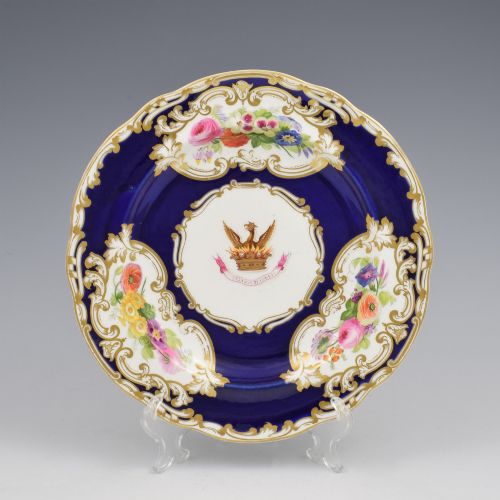
Gilding, gold leaf, and gold gilt are applied extensively across rims, handles, and scrollwork to catch the light and accentuate the moulded contours. Enamel colours are then hand-painted within floral panels and armorial crests before final firing.
Listings feature 19th Century, Georgian, Victorian, 1890, and 1920 periods.
Distinguishing quality in the wares
Quality rests upon the crispness of the porcelain moulding and the precision of the hand-painted details. Superior pieces display finely rendered floral panels and carefully applied gilding that remains sharp across intricate scrollwork.
The reputation of the maker and the complexity of the form distinguish standard utility items from high-status cabinet pieces. Elaborate figural additions like putti and armorial crests demand greater skill from the factory modellers and painters.
Copeland and Garrett·Doe and Rogers·Copeland·Mintons·Royal Worcester·Minton·Rockingham·Coalport
The English Rococo Revival China Glossary
- Bone china
- A type of porcelain incorporating bone ash, providing strength and a bright white body suitable for intricate moulding.
- Gilding
- The application of gold leaf or gold paint to ceramic surfaces, defining the ornate scrolls typical of the revival style.
- Ewer
- A large jug with a wide spout and handled body, often produced as a decorative ornamental piece rather than for daily use.
- Armorial plate
- A ceramic dish painted with a specific family crest or coat of arms, commissioned by notable households.
- Putti
- Depictions of plump, winged infant figures, frequently modeled in porcelain to support candlesticks or adorn decorative tablewares.
English Rococo Revival China: Frequently Asked Questions
How do I date english rococo revival china?
Dating relies on factory marks, pattern numbers, and stylistic shifts recorded across the nineteenth century. Georgian and early Victorian pieces often display hand-written or impressed factory identifiers unique to their decade of production.
Later nineteenth-century items incorporate standardised printed marks that help narrow the manufacturing window. Comparing the complexity of the gilding and paste types further clarifies the chronological placement.
Were these pieces used daily?
Many serving dishes, teapots, and soup dishes served functional roles in wealthy nineteenth-century dining rooms. Their delicate gilding and intricate porcelain handles meant they required careful handling during tea and dessert services.
Other items, such as cabinet plates and ornamental ewers, were intended purely for display in drawing rooms. These decorative pieces experienced less wear, preserving their hand-painted enamel panels over generations.
What distinguishes bone china from porcelain?
Bone china includes bone ash within the ceramic paste, creating a slightly warmer tone and greater durability than standard hard-paste porcelain. This composition allowed nineteenth-century factories to produce thinner, more refined walls for teacups and plates.
Standard porcelain often presents a colder, whiter body capable of withstanding higher kiln temperatures during early manufacturing. Both materials accepted the heavy gilding and enamels characteristic of the revival period equally well.