








Cabinet of Curiosities Taxidermy
Cabinet of curiosities taxidermy brings natural specimens into the interior, offering a glimpse of global exploration through preserved birds and mammals.
Cabinet of Curiosities Taxidermy
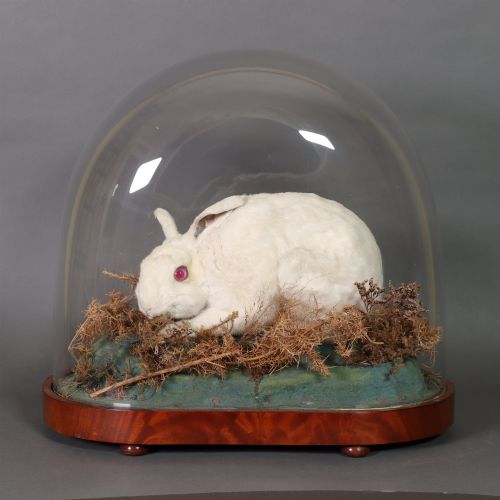
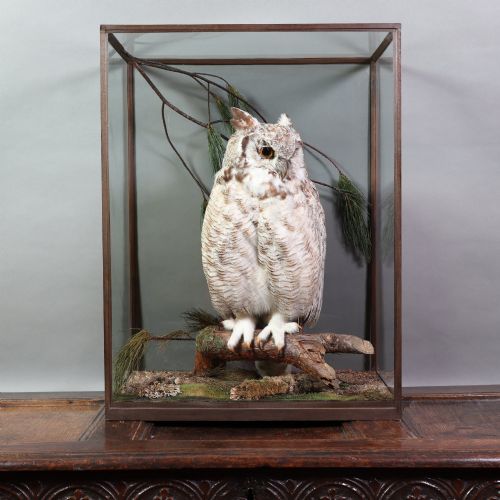
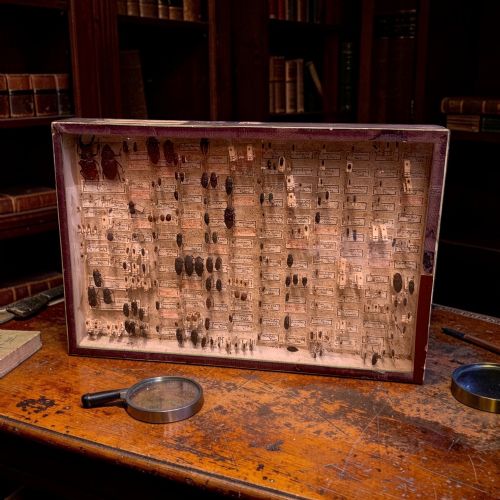
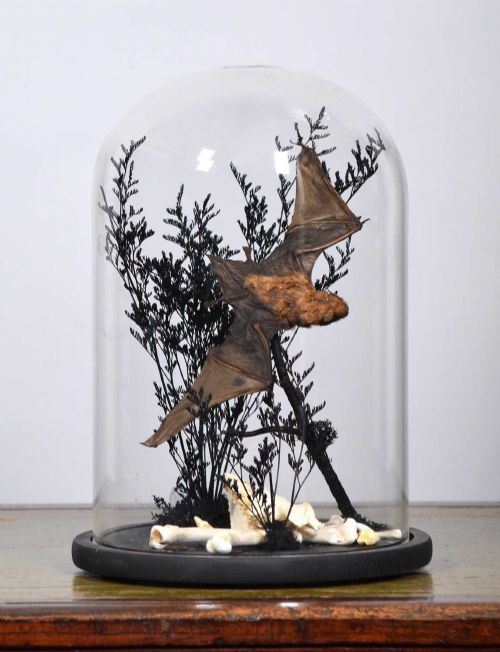
Cabinet of curiosities taxidermy comprises mounted animal specimens and enclosed display cases originating from the late nineteenth and early twentieth centuries. These objects capture the Victorian and Edwardian fascination with natural history, bringing exotic fauna directly into domestic spaces.
The visitor to this page will most likely meet taxidermy displays taking the form of enclosed glass cases housing mixed bird specimens or single mammal mounts. These pieces date from the 1870 period up to 1900, representing British collecting habits of those decades.
How they were made
Taxidermy mounts and display cases rely on a combination of natural specimens, wood, and glass construction. Artisans preserved animal hides, horns, and feathers, arranging them within protective wooden frames fronted by glass panes.
The creation of these pieces required careful taxidermy techniques alongside cabinet making. Specimens from regions such as New Guinea, South America, and Australia were mounted and secured inside bespoke wooden housings designed to protect delicate feathers and hides.
Cabinet of Curiosities Taxidermy Retail Price Guide 2026
Typical asking prices for cabinet of curiosities taxidermy among the pieces listed under this phrase on Sellingantiques today, from the lower quarter to the upper quarter. They describe what is for sale here now, not the wider market.
Listings feature items from the 1870 and 1900 periods, spanning the Victorian and Edwardian styles.
What varies in quality
Quality in these pieces rests on the complexity of the composition and the variety of the specimens included. Multi-specimen cases containing mixed birds from distant origins demonstrate greater ambition than single animal mounts.
The integrity of the wood and glass housing alongside the preservation state of the hide, horn, or feathers determines the standing of each piece. Tighter construction and more varied natural specimens separate the top of the range from simpler examples.
The Cabinet of Curiosities Taxidermy Glossary
- Taxidermy mount
- The preserved and shaped skin of an animal displayed over an artificial form. This technique brought exotic wildlife into Victorian and Edwardian homes.
- Display case
- A protective wooden box fronted with glass designed to house and safeguard delicate natural specimens. These enclosures kept dust away from fragile feathers and hides.
- Victorian period
- The era spanning the reign of Queen Victoria, associated here with elaborate natural history collections dating from 1870. Pieces from this time often feature diverse groupings of global birds.
- Edwardian period
- The stylistic era following the Victorian age, represented here by single mammal mounts dating around 1900. This period continued the appetite for natural curiosities.
Cabinet of Curiosities Taxidermy: Frequently Asked Questions
What is cabinet of curiosities taxidermy?
Cabinet of curiosities taxidermy refers to preserved animal specimens and glass display cases collected during the Victorian and Edwardian eras. These objects reflect nineteenth and early twentieth century interests in natural history.
Items range from single springbok mounts to complex cases containing mixed birds from distant continents. They serve as historical records of past collecting habits.
How old are these pieces?
The pieces listed date from the late nineteenth century to the early twentieth century, specifically around 1870 and 1900. This places them firmly within the Victorian and Edwardian periods.
Such dates indicate the height of domestic natural history collecting. Makers of this time utilised wood, glass, hide, and horn to construct lasting displays.
Where did the specimens originate?
Specimens originate from various global regions including New Guinea, South America, and Australia, alongside domestic or regional mammals. Collectors gathered fauna from across the British Empire and beyond.
This global reach is characteristic of late nineteenth century cabinets of curiosities. Mixed species cases brought together birds from multiple continents into a single wooden enclosure.
How do I live with taxidermy?
Living with taxidermy involves placing glass cases and mounts in stable environments away from direct sunlight and damp conditions. This protects the delicate wood, hide, horn, and feathers from environmental degradation.
These pieces function as focal points in a room, offering a direct connection to historical methods of displaying natural history. Proper placement ensures the materials remain preserved for years to come.