




Cabinet of Curiosities Dome
A cabinet of curiosities dome brings Victorian natural history indoors, protecting delicate taxidermy specimens beneath clear glass.
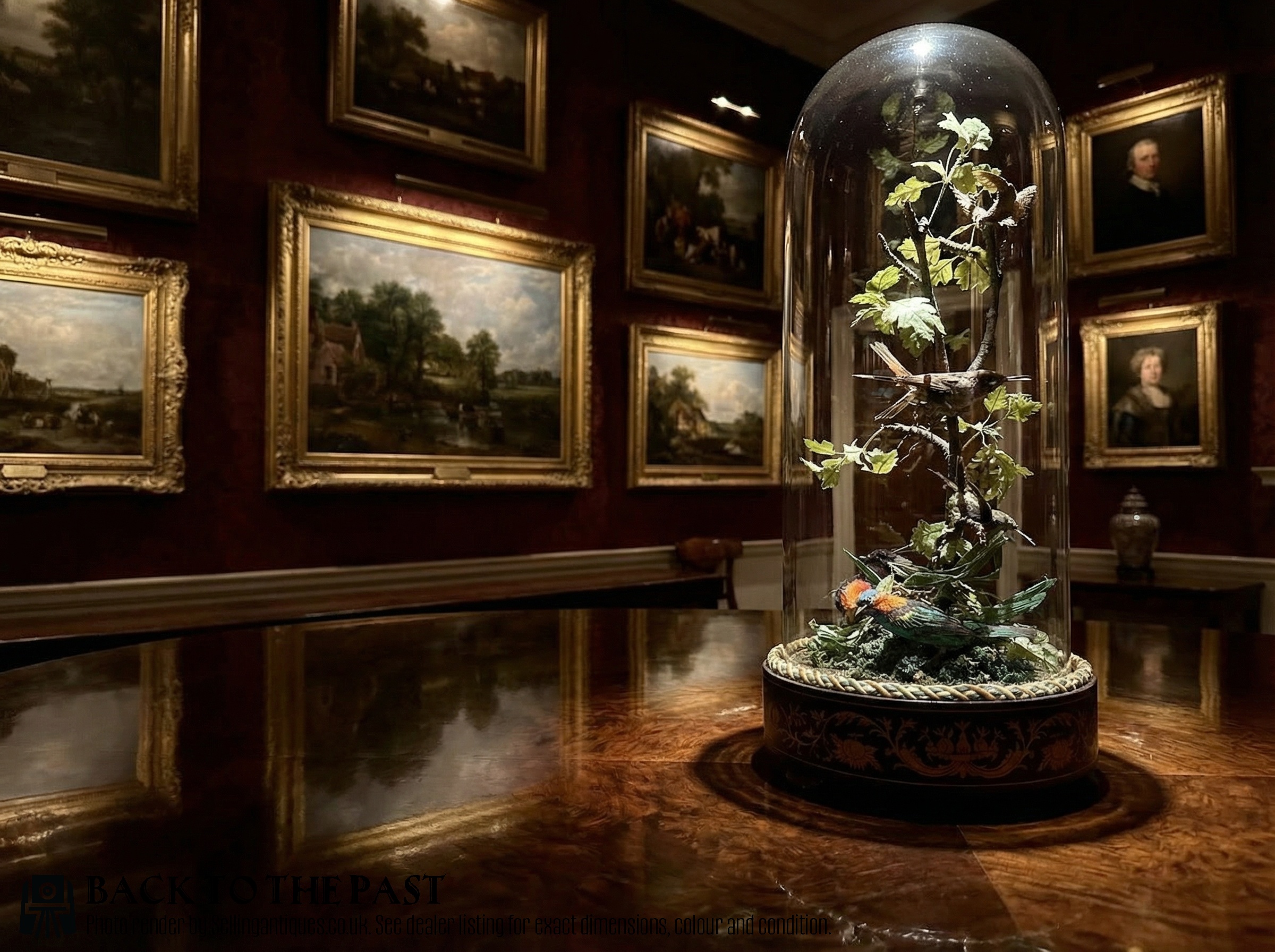
Cabinet of Curiosities Dome
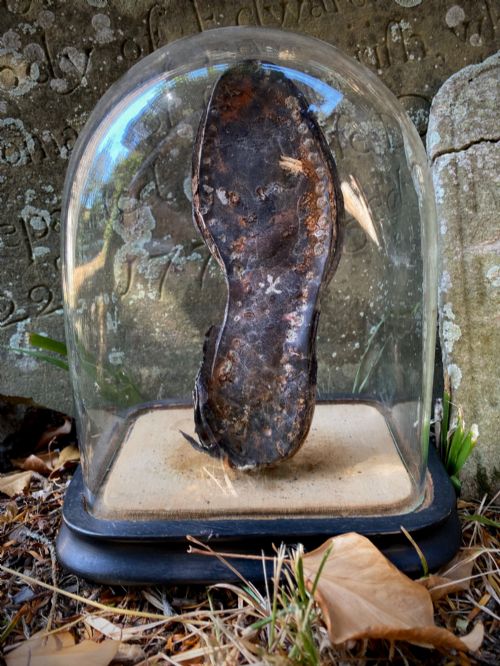
A cabinet of curiosities dome serves to protect and display taxidermy specimens, birds, and osteological items gathered during the nineteenth century. These pieces emerge predominantly from the Victorian period, spanning the years around eighteen seventy to nineteen hundred, reflecting a deep Victorian fascination with natural history.
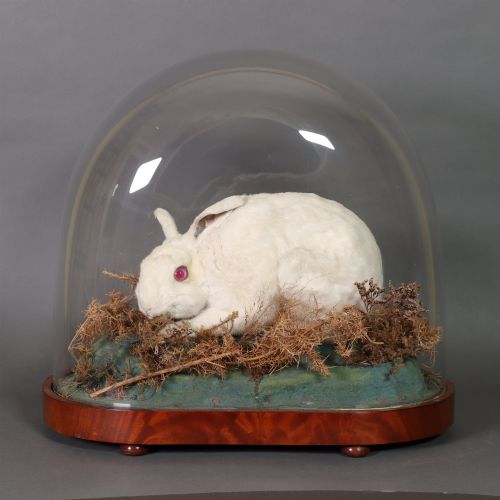
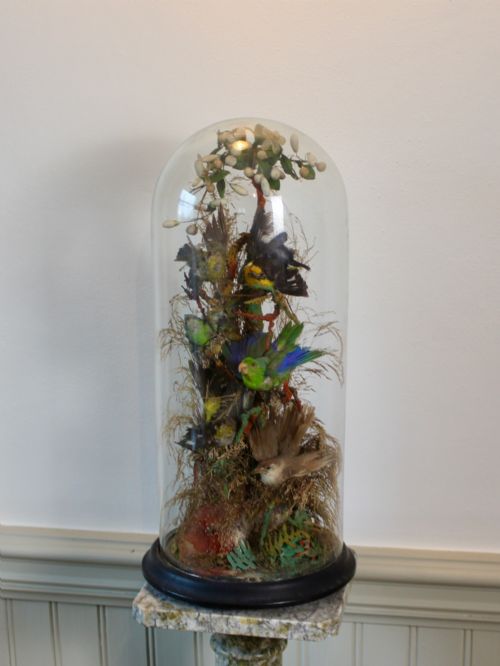
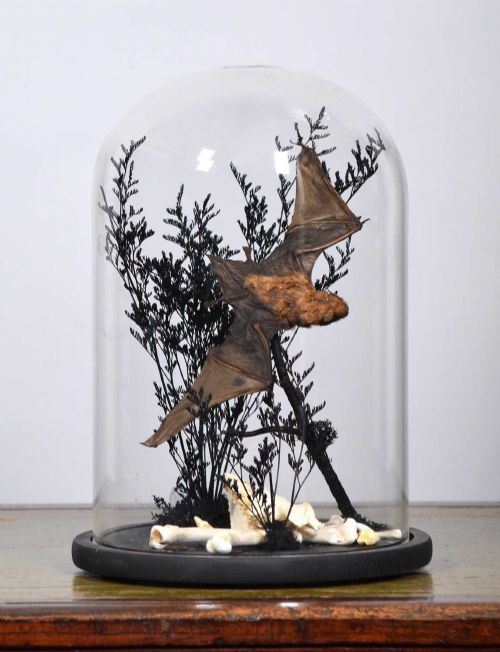
The objects take the form of glass display domes and cloches housing elaborate compositions of birds, bats, rabbits, and animal skulls. Buyers frequently encounter oval, flat-sided, tall, and wide showcases designed specifically for tabletop display.
Originating primarily in England, these specimen showcases house everything from single bats to pairs of snow buntings, birds of paradise, and multi-bird compositions. They function as portable cabinets of curiosity, capturing the era's scientific inquiry and aesthetic display.
Materials and construction
Makers utilised blown and shaped glass to create clear domes that protected fragile contents from dust and atmospheric damage. These glass covers sit atop timber bases, often rendered in ebonised wood to provide a dark, contrasting foundation for the specimens inside.
Interior arrangements incorporate natural and man-made elements including feathers, bone, fabric, velvet, and fur. Taxidermists mounted specimens such as birds and mammals within diorama settings, frequently supported by internal twigwork and foliage.
Cabinet of Curiosities Dome Retail Price Guide 2026
Typical asking prices for cabinet of curiosities dome among the pieces listed under this phrase on Sellingantiques today, from the lower quarter to the upper quarter. They describe what is for sale here now, not the wider market.
The inventory spans the Victorian period, covering dates from eighteen seventy through to nineteen hundred.
Factors determining quality
The distinction between standard specimens and exceptional works often rests on the identity of the taxidermist and the complexity of the interior composition. Pieces produced by notable London practitioners demonstrate superior anatomical preservation and more intricate artistic arrangement of the subjects.
The clarity and proportion of the glass dome itself influence the overall merit of the piece, alongside the quality of the wooden base. Domes with flat sides or unusual proportions, housing scarce subjects like birds of paradise or albino specimens, represent the more ambitious end of the maker's output.
James Gardner·Henry Ward·A Pollard
The Cabinet of Curiosities Dome Glossary
- Dome
- A convex, bell-shaped glass cover designed to protect a decorative or scientific object. It rests upon a fitted base.
- Cloche
- A bell-shaped glass vessel traditionally utilised to cover plants or food, frequently applied to Victorian display glass. The term is often used interchangeably with dome.
- Ebonised wood
- Timber treated with a dark stain or finish to imitate ebony. This material formed a popular choice for Victorian display bases.
- Taxidermy
- The art of preserving, stuffing, and mounting animal skins for permanent display. Practitioners during the nineteenth century arranged these subjects in lifelike poses beneath glass.
- Diorama
- A three-dimensional scene depicting animals in a simulated natural environment. Within these glass enclosures, compositions of birds or mammals recreate woodland or tropical habitats.
Cabinet of Curiosities Dome: Frequently Asked Questions
How do I clean a glass dome?
Lift the glass very carefully from its base using both hands, ensuring you have a secure grip on a stable surface.
Wipe the exterior and interior of the glass with a soft, lint-free cloth and mild glass cleaner, keeping moisture far away from the antique taxidermy within.
Where should I place a dome?
Position your specimen on a sturdy sideboard or table away from high-traffic areas where accidental knocks might occur.
Keep the display out of direct sunlight to prevent the fading of feathers, fur, and delicate fabrics over time.
Are these items waterproof?
The traditional construction relies on timber bases and simple adhesives that seal the glass loosely rather than forming a watertight seal.
Introducing moisture or liquid inside the enclosure will damage the historic taxidermy and cause the wooden components to warp.
How do I date a Victorian dome?
Examine the timber base, the thickness of the glass, and any maker labels affixed to the underside of the woodwork.
Variations in glass blowing techniques and the specific styling of the taxidermy composition help narrow the era of production between eighteen seventy and nineteen hundred.