



C1930 Bedside Cabinets
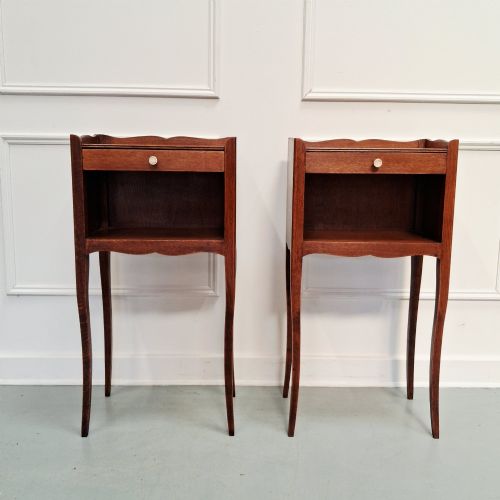
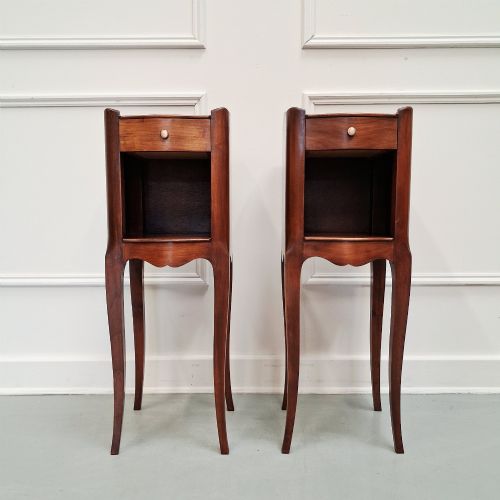
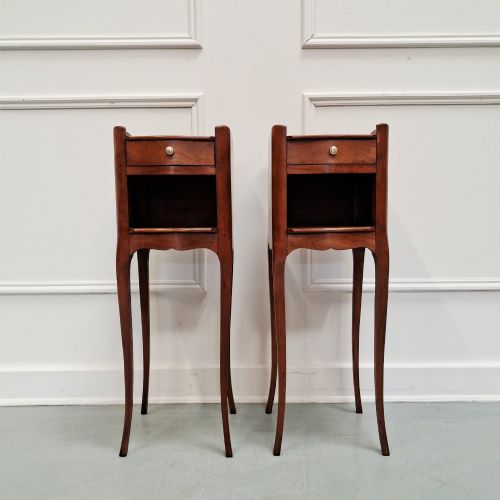
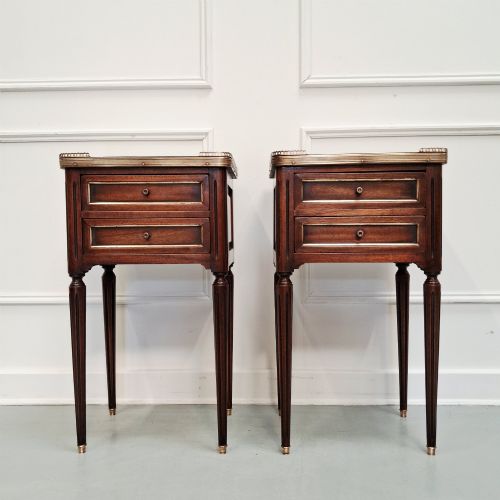
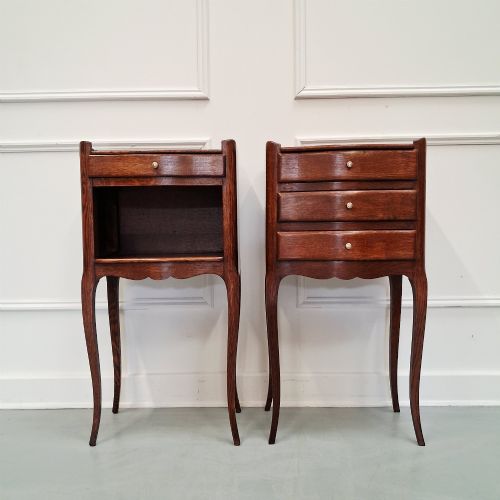
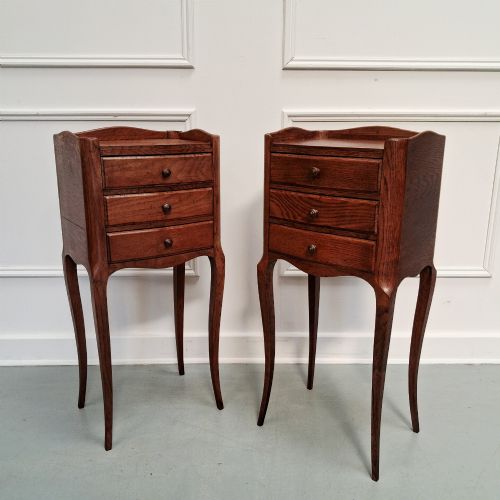
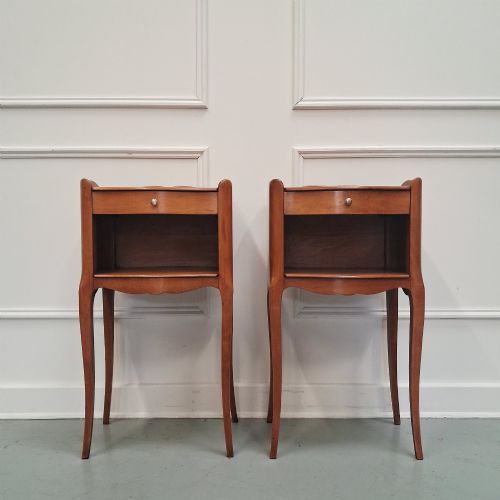
These c1930 bedside cabinets are compact storage pieces originating mostly from France, offering period character and practical bedside surfaces.
C1930 Bedside Cabinets
When you search for c1930 bedside cabinets, you encounter practical storage pieces designed for the bedroom, predominantly originating from France during the 1930 period. These items appear in various forms including bedside tables, bedside cupboards, and occasional tables.
How they were made
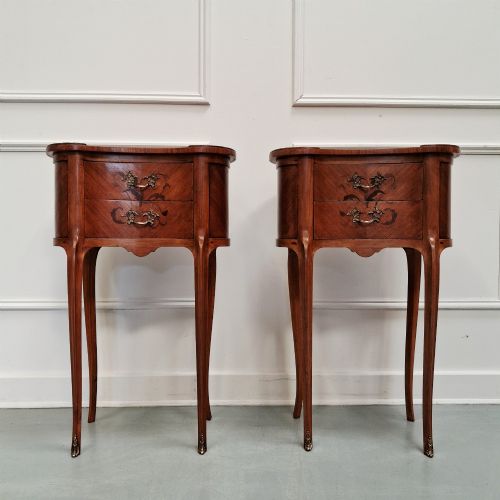
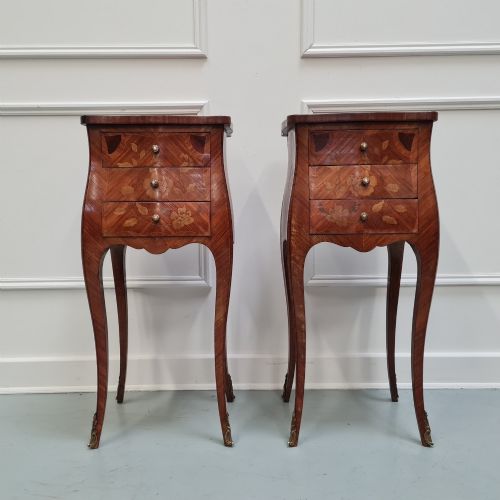
Cabinet makers utilised a rich palette of timbers during this era, constructing pieces from oak, walnut, cherry wood, kingwood, maple, and burr elm. These wooden structures are frequently enhanced with contrasting veneers and detailed inlay work.
Many designs incorporate fitted marble tops for durability and elegance, while metal and brass hardware provide functional handles and decorative accents on doors and drawers.
C1930 Bedside Cabinets Retail Price Guide 2026
Typical asking prices for c1930 bedside cabinets among the pieces listed under this phrase on Sellingantiques today, from the lower quarter to the upper quarter. They describe what is for sale here now, not the wider market.
One exceptional piece eliminates the need for separate furniture altogether by offering a skyscraper maple bed with built-in bedside cabinets.
What varies in quality
The choice of timber and veneer work dictates the distinction between standard production and finer pieces, with select materials like burr elm, kingwood, and figured walnut elevating the visual impact. The complexity of the woodwork, such as serpentine curves and precise inlays, reflects the skill invested by the maker.
Original matching pairs and integrated furniture combinations demonstrate a higher level of design coherence than solitary items. Furthermore, the inclusion of intact, high-grade marble tops and original brass hardware preserves the integrity of the piece.
The C1930 Bedside Cabinets Glossary
- Serpentine
- A curved furniture front characterised by a convex centre flanked by concave sides. This flowing shape requires precise carpentry to execute properly on cabinet doors and tabletops.
- Kingwood
- A dense, heavy exotic timber prized for its rich brown colouring and striking dark figuring. Makers utilised this wood extensively for decorative veneering.
- Art Deco
- A design style dominant in the 1930 period emphasising streamlined geometric forms, modern materials, and symmetrical patterns. It marks a departure from traditional revivalist aesthetics.
- Georgian Revival
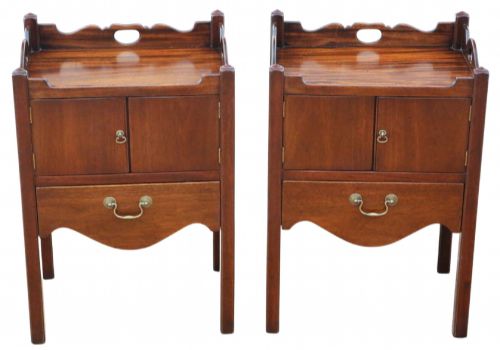
- A style looking back to eighteenth-century British design principles, observed in mahogany cupboard tables from this era. It prioritises classical proportion and formal symmetry.
- Burr Elm
- A highly figured wood grain obtained from tree growths, producing swirling patterns used in decorative cabinet fronts. Each panel displays a completely unique natural design.
C1930 Bedside Cabinets: Frequently Asked Questions
What styles are common in c1930 bedside cabinets?
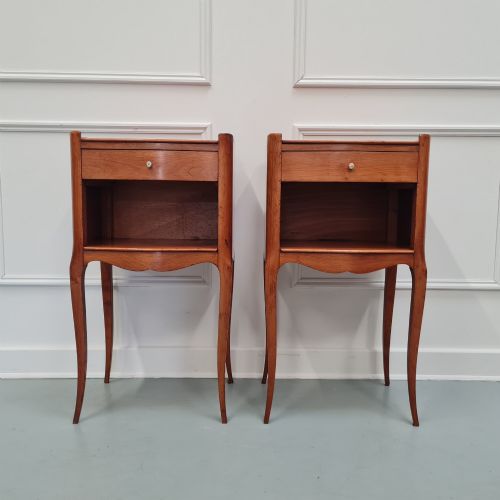
The selection encompasses several distinct design traditions, with French provincial and Art Deco movements representing the primary aesthetic streams. You also find Georgian Revival pieces executed in mahogany.
Regional variations appear frequently, ranging from understated oak tables to highly decorative kingwood and burr elm cabinets featuring inlaid marble surfaces.
How do I care for marble-topped bedside cabinets?
Marble surfaces require gentle cleaning with a soft cloth and neutral soap to protect the stone from acidic liquids and staining. Regular dusting keeps the polished top in good condition.
Avoid placing abrasive items or harsh chemical cleaners directly onto the stone to preserve the original finish.
What woods were used for c1930 bedside cabinets?
Cabinet makers worked with a diverse selection of regional and exotic timbers during this decade. Common hardwoods include oak, cherry, and walnut, alongside decorative choices like kingwood and maple.
Many pieces utilise fine wood veneers laid over sturdier secondary timbers to create patterned surfaces on doors and drawers.