







C1900 Wall Mirror
A c1900 wall mirror brings architectural weight and reflected light to a room, drawing the eye with carved ornamentation and gilded surfaces.
C1900 Wall Mirror
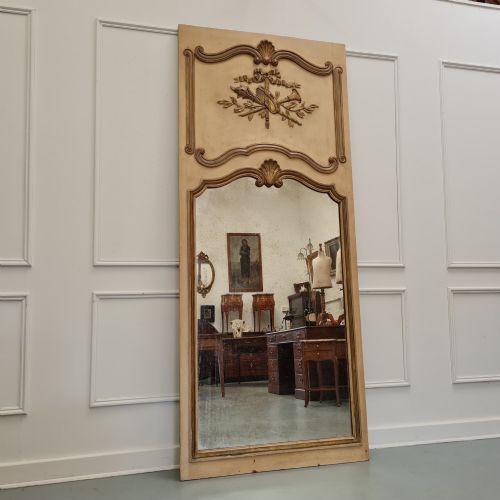
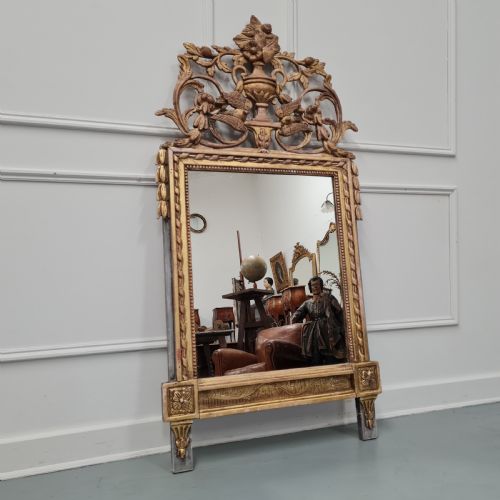
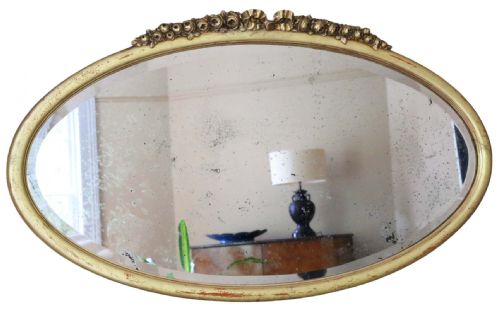
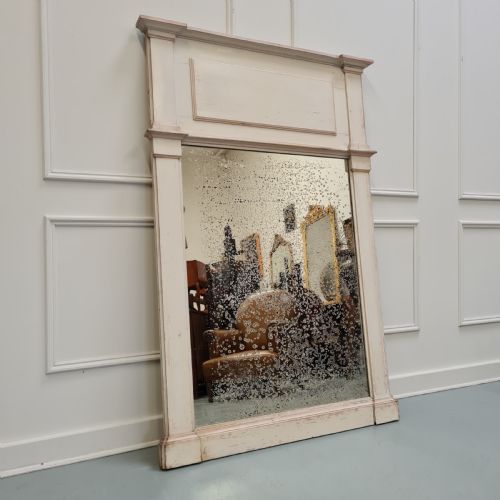
A c1900 wall mirror spans several distinct decorative revivals and domestic forms produced around the turn of the twentieth century. The selection ranges from substantial overmantel mirrors designed to sit above a fireplace to oval, rectangular, and trumeau looking glasses.
The most common examples on this page are large overmantel mirrors featuring ornate gilt decoration, alongside mahogany, walnut, and ebonised frames. Pieces span the Edwardian period into the early twentieth century, incorporating revival styles such as Adam, Louis XVI, and French Rococo.
Buyers also encounter Arts and Crafts copper and brass variants, French marriage mirrors, and carved Florentine frames. These objects served functional dressing and decorative purposes in period interiors, utilising glass, wood, and metal.
How they were made
Makers constructed frames using solid timbers such as mahogany, walnut, oak, and padauk, frequently applying veneer, parquetry inlay, or ebonisation. Giltwood and composition ornaments were modelled and applied to wooden foundations, then finished with gold leaf, paint, or gesso.
Reflecting surfaces rely on traditional mirror glass, sometimes bevelled at the edges to catch and refract light. Metal components in copper, brass, and bronze appear on Arts and Crafts frames and girandoles, fixed securely to the wooden structures.
Some girandoles carry Parisian workshop stamps alongside their issue numbers, proving they illuminated rooms before electric lighting took over.
What varies in quality
Quality rests in the depth and precision of the carved ornament, the crispness of the gesso and giltwood detailing, and the selection of cabinet timbers such as burr walnut or mahogany. Ornate designs with hand-finished decoration sit at the upper end of the scale.
The integrity of the frame construction and the clarity of the original mirror glass distinguish finer pieces from simpler utilitarian items. The harmonious integration of painted trumeau panels or parquetry inlay indicates higher craftsmanship.
E.G Paris
The C1900 Wall Mirror Glossary
- Overmantel mirror
- A large mirror specifically proportioned to hang on the wall directly above a fireplace mantelpiece. These pieces often feature wide wooden or gilt frames designed to anchor the visual weight of a chimney breast.
- Trumeau mirror
- A decorative wall mirror incorporating a painted panel or artwork within the upper section of the frame. Originating in French interior design, these pieces combine reflection with classical decorative painting.
- Gesso
- A plaster-like material applied to wooden frame foundations and carved or moulded into intricate relief ornamentation. It provides a smooth base for subsequent gilding or painting.
- Girandole
- A branched wall sconce holding candles, attached to a mirrored backplate. The reflective glass multiplies the candlelight within the room.
- Parquetry
- Geometric patterns assembled from small pieces of contrasting wood veneer. This technique decorates the wooden borders of finer mirrors.
- Pier glass
- A tall mirror designed to hang on the wall space between two windows. These vertical looking glasses make maximum use of available natural light.
C1900 Wall Mirror: Frequently Asked Questions
Where should a c1900 wall mirror hang?
These mirrors suit placement above a fireplace mantelpiece, where large overmantel versions anchor the room. They also function effectively on hallway or landing walls to bounce light into darker circulation spaces.
Lighter oval or rectangular frames work well above sideboards or dressing tables. Ensure the wall structure can support the substantial weight of timber and glass frames.
How do I identify an Adam revival mirror?
Adam revival frames display neoclassical motifs such as urns, husks, swags, and bellflowers. The ornamentation is typically restrained, symmetrical, and executed in gesso and parcel gilt.
These pieces reflect eighteenth-century neoclassical taste as reinterpreted by late-nineteenth and early-twentieth-century craftsmen.
What is a French marriage mirror?
A French marriage mirror is a decorative looking glass traditionally given as a wedding gift. These pieces often feature symbolic carved motifs relating to union and prosperity.
They frequently incorporate specialised framing techniques and delicate painted or gilded details characteristic of French regional workshops.
How do I care for antique mirror glass?
Clean the glass gently using a soft cloth and mild cleaning solution applied to the cloth rather than sprayed directly onto the mirror. Avoid moisture seeping behind the glass plate into the wooden backing.
Protect the surrounding giltwood or polished timber frame from direct sunlight and excessive humidity to preserve the finish.