


C1750 English Glassware
These c1750 english glassware pieces are Georgian drinking vessels offering tactile history through authentic lead glass forms.
C1750 English Glassware
When you search for c1750 english glassware, you encounter drinking vessels and serving pieces made during the mid-eighteenth century. These items originate from the Georgian era and represent domestic table usage of the period.
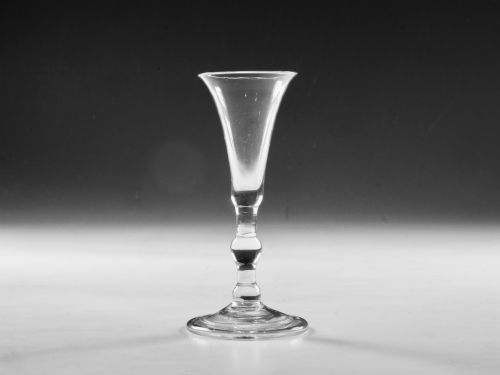
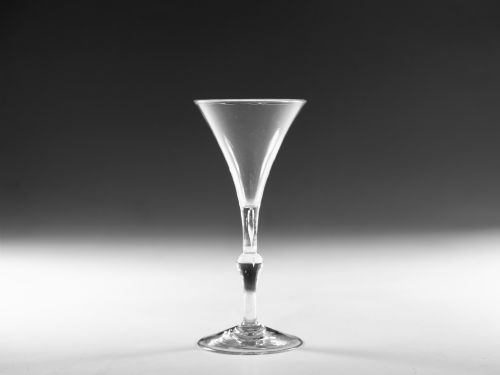
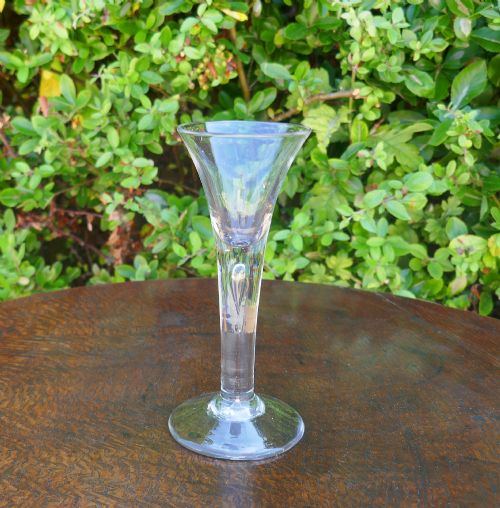
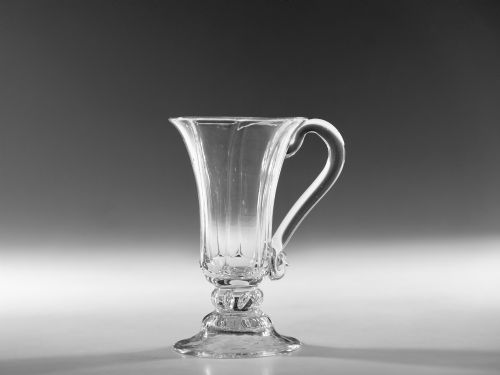
The pieces on this page are predominantly stemware such as wine glasses, goblets, jelly glasses, cordial glasses, and ale glasses. Alongside drinking vessels, shaft and globe decanters appear as serving containers.
You are most likely to meet clear lead glass and flint glass items featuring plain stems, air bubbles, air twists, or mercury twists. These forms embody the domestic drink culture of eighteenth-century England.
How they were made
Makers utilised lead glass, lead crystal, and flint glass to produce these vessels. The introduction of lead oxide created a heavy, clear material that allowed artisans to shape brilliant drinking vessels.
Techniques varied from blowing simple plain stem goblets to manipulating internal structures to form air twists and mercury twists. Artisans also engraved surfaces and incorporated decorative air bubbles into stems.
Listings feature 18th Century and Georgian periods exclusively, utilising clear lead glass, flint glass, and plain stem or twist formations.
What varies in quality
The clarity and weight of the lead glass separate standard examples from superior pieces. Heavier lead crystal and clear lead glass provide a resonant ring and greater brilliance.
The complexity of the stem formation dictates the level of craftsmanship involved. Intricate air twists and mercury twists demand higher skill than straightforward plain stems.
The C1750 English Glassware Glossary
- Lead glass
- Glass containing lead oxide, which increases weight, brilliance, and workability. This material defined eighteenth-century English tablewares.
- Air twist
- A decorative stem formation containing an elongated spiral of tiny air bubbles. Artisans created these by drawing out air trapped within the molten metal.
- Mercury twist
- A stem featuring a bright silvery column resembling mercury, produced by twisting a thread of opaque white enamel or air channels. It is sometimes known as a beaded twist.
- Jelly glass
- A small, thick vessel utilised for serving sweet jellies and soft desserts at Georgian dining tables. These pieces often feature sturdy pedestals.
- Shaft and globe decanter
- A serving bottle characterised by a bulbous lower body and a long, tapering neck. This form held wine and spirits securely on dining tables.
C1750 English Glassware: Frequently Asked Questions
How were air twist stems made?
Artisans trapped air inside the hot metal before drawing and twisting the stem. This imprisoned the air into delicate spiral threads.
Such optical effects required immense skill from the glassblower. The resulting patterns catch the light distinctively.
What is a mercury twist?
A mercury twist is a stem decoration that mimics the appearance of liquid mercury. It consists of twisted air channels or enamel threads within the clear glass.
This technique produced a bright, reflective column inside the stem. It remains a hallmark of mid-eighteenth-century English manufacturing.
How do you use these glasses today?
Many collectors display these vessels in cabinets or on open shelving to appreciate their form and clarity. Some enthusiasts occasionally use robust goblets and wine glasses for special dining occasions.
Careful hand washing is essential for antique lead glass. Sudden temperature changes must be avoided to protect the material.