


Burr Elm Cabinet
Burr elm cabinet examples combine swirling timber figures with practical storage, offering distinct character for traditional and modernist interiors.
Burr Elm Cabinet
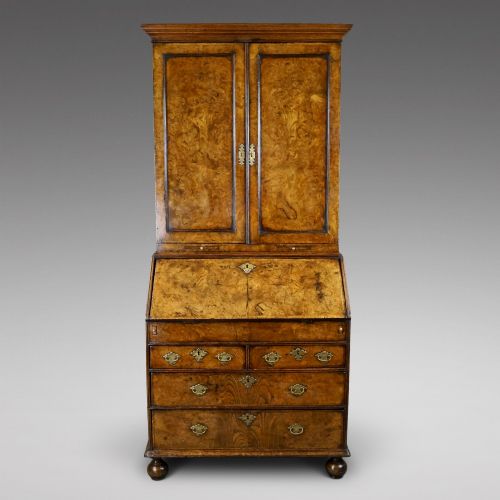
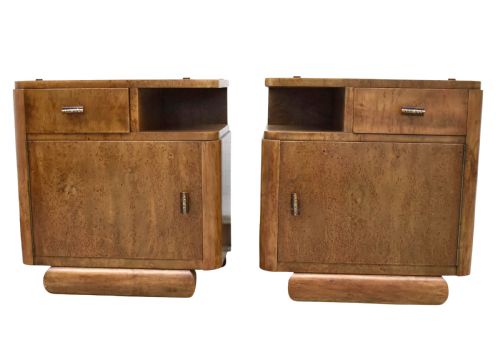
A burr elm cabinet presents a striking furniture form defined by swirling grain patterns found in tree growths. Buyers searching for a burr elm cabinet encounter diverse formats, from compact bedside tables to tall bureau bookcases and commodes.
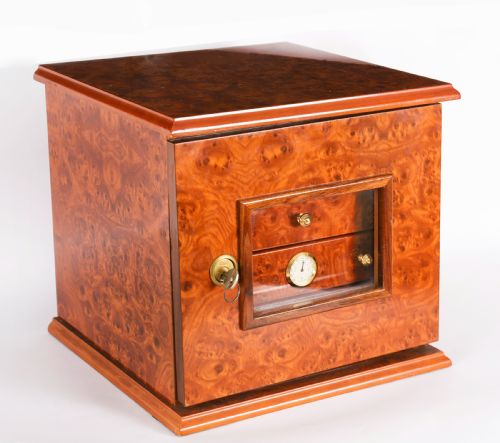
The selection ranges across several centuries and regions, incorporating pieces from 17th-century England, 19th-century France, and 20th-century Art Deco makers. Side cabinets, dressers, and humidors appear frequently alongside specialised writing desks.
English and continental pieces dominate the selection, though examples originating from Korean and Chinese workshops also feature in the archive. These storage pieces adapt readily to modern rooms while retaining distinct period presence.
Materials and construction methods
Cabinet makers utilised burr elm veneers sliced from knotty tree growths, laying them carefully over solid carcases of oak, walnut, or plain elm. This timber requires expert handling due to its irregular grain and tendency to move.
Metal fittings such as brass handles and ormolu mounts punctuate the dark timber surfaces, whilst marble tops appear on select continental commodes and side cabinets. Inlaid details in satinwood or marquetry occasionally enhance the primary wood surface.
A miniature stationery cabinet sits quietly among the full-sized sideboards and dressers.
Quality variations in the range
The visual impact of a piece depends heavily on the density and symmetry of the burr figuring across the facade. Master craftsmen selected the most striking timber swirls for the primary drawer fronts and door panels, creating balanced patterns.
Construction standards are evident in the precision of the joinery, the weight and quality of the brass hardware, and the survival of original marble tops. Pieces retaining crisp carved details or crisp marquetry stand apart from simpler utility items.
The Burr Elm Cabinet Glossary
- Burr elm
- A timber harvested from tree growths containing clustered bud formations, producing intricate, swirling grain patterns. This wood provides a decorative veneer for high-status furniture.
- Commode
- A low decorative storage chest or cabinet fitted with drawers or doors, originating in France. These pieces frequently feature marble tops and gilt mounts.
- Bureau bookcase
- A combination writing desk featuring a sloping fall-front above drawers, surmounted by a glazed or shelved bookcase. This form provides both workspace and display storage.
- Humidor
- A specialised storage box or cabinet designed to maintain humidity for cigars. These lined containers often utilise decorative timbers on the exterior.
- Marquetry
- The art of applying decorative pieces of veneer to a structure to form ornamental designs. Craftsmen combine various woods to create pictorial or geometric patterns.
Burr Elm Cabinet: Frequently Asked Questions
What is burr elm timber?
Burr elm is a highly figured wood obtained from excrescences on elm trees where bud tissue has clustered. The resulting timber displays complex, swirling patterns that catch the light.
Cabinet makers prize this material for decorative veneers on furniture fronts, creating rich visual depth across surfaces.
How do I clean my cabinet?
Dust the polished surfaces regularly with a soft, dry cloth to prevent dirt accumulation. Avoid using chemical sprays or excessive moisture which can damage old timber.
Apply a traditional beeswax polish occasionally to nourish the wood and maintain a gentle sheen.
Where were these cabinets made?
The pieces originate from diverse workshops across England, France, the Netherlands, and Scandinavia. Asian workshops also contributed side cabinets utilising elm timbers.
Regional preferences influenced the forms, leading to marble-topped commodes in France and streamlined designs in Art Deco Europe.
How do I date a cabinet?
Dating relies on examining construction techniques, hardware styles, and overall furniture proportions. Secondary timbers inside drawers often help determine the period.
Stylistic markers such as Art Deco geometric lines or Georgian bracket feet provide clear chronological clues.