



Burgundy Carpet
When you search for a burgundy antique carpet, you enter a world of woven rugs, tribal textiles, and grand country house floor coverings.
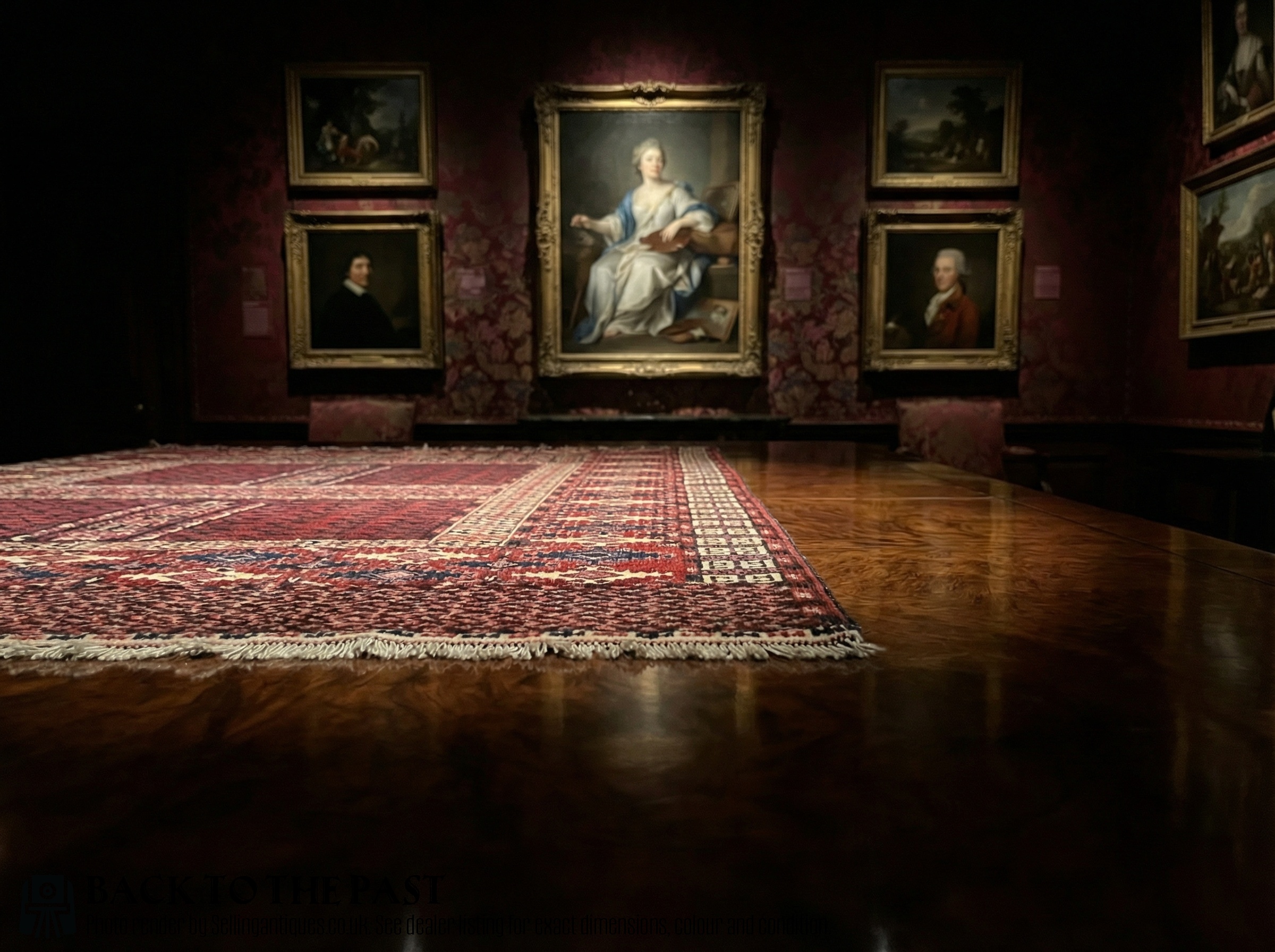
Burgundy Carpet
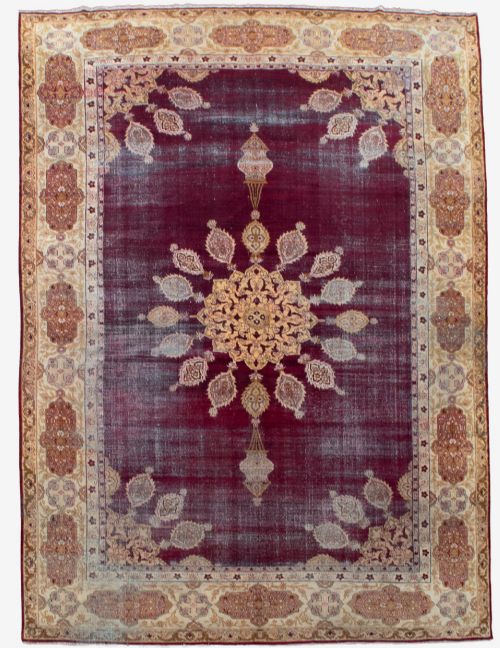
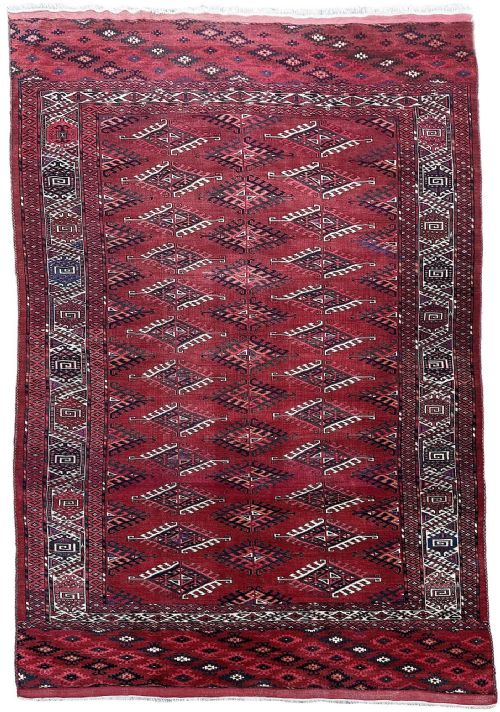
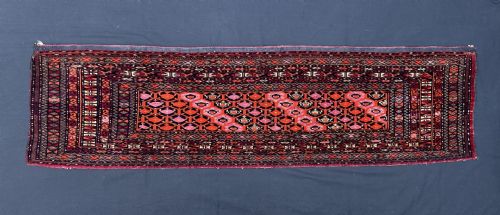
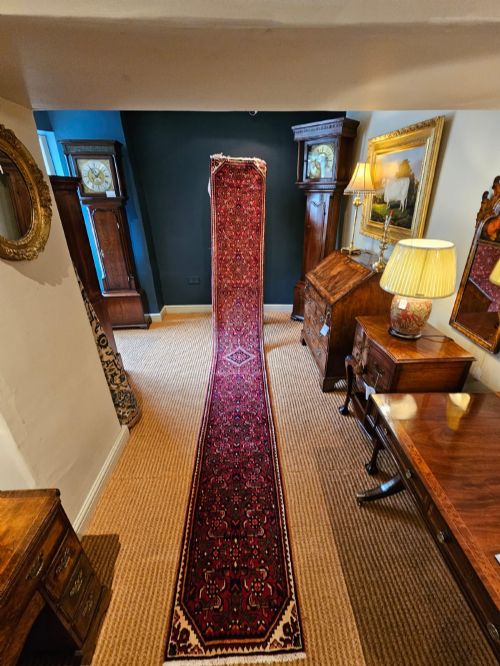
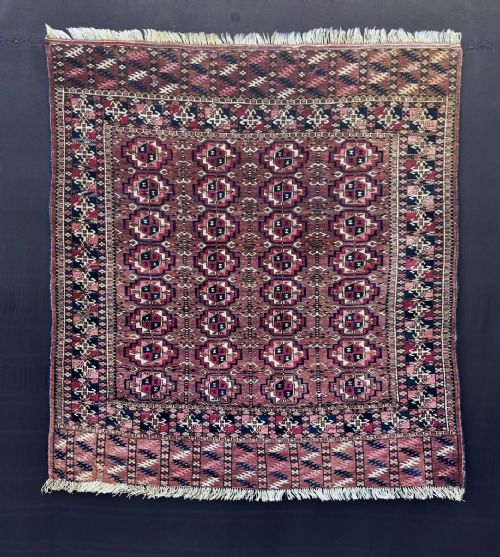
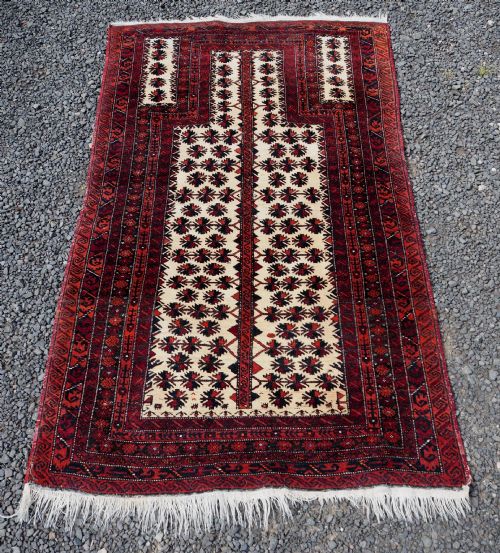
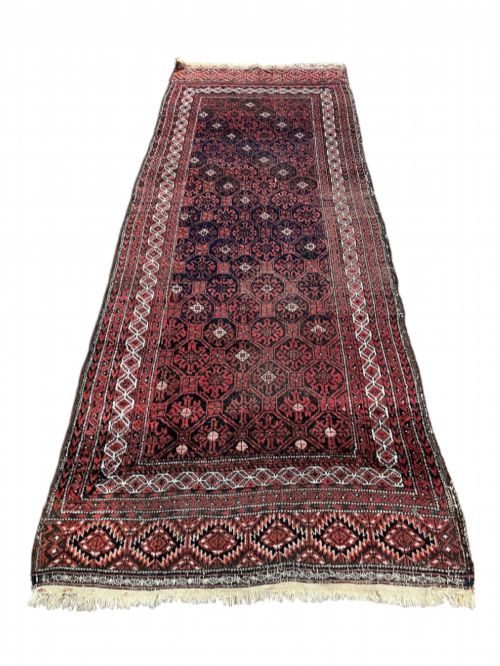
A burgundy antique carpet encompasses a rich variety of hand-knotted and woven textiles originating from nomadic tribes, village workshops, and European houses. These pieces span from the mid-nineteenth century through the early twentieth century, presenting deep red and burgundy tones woven into rugs, runners, and wall hangings. You will frequently encounter tribal formats such as torbas, engsis, and asmalyks alongside larger room-sized formats.
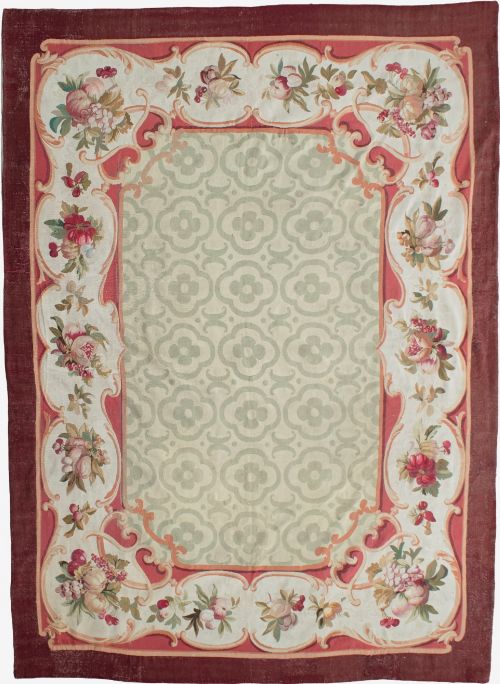
The material foundation of these floor coverings relies heavily on wool, hand-spun wool, and cotton foundations, occasionally accented with silk highlights. Many examples display the distinct tribal traditions of Central Asian weavers, particularly Turkmen tribes like the Tekke, Yomut, and Ersari, alongside Afghan and Persian village pieces. French Rococo designs also appear through European styles like Aubusson carpets, offering diverse regional expressions within the broader red palette.
Distinguishing quality in older textiles
Quality rests significantly on the fineness of the weave and the precision with which tribal guls or classical floral motifs are executed. Tightly packed knots and superior handling of hand-spun wool yield a tactile depth and structural resilience that distinguish finer nomadic weaving from standard production. The complexity of the design, such as multiple salor turreted guls or scarce curled leaf patterns, also elevates a piece.
The integrity of the natural dyes and the preservation of original finishes, including long kilim ends or plain weave backs, influence the standing of an antique textile. Pieces displaying exceptionally soft wool and well-defined tribal geometry maintain greater character and visual impact. Conversely, coarser handling or compromised foundations alter the overall standard of the rug.
Materials span natural dyed wool, cotton foundations, and occasional silk highlights across runners, prayer rugs, and tent trappings.
The Burgundy Carpet Glossary
- Gul
- A primary octagonal medallion motif repeated across Turkmen and Central Asian carpets. These secondary crests often identify specific tribal lineages and weaving groups.
- Torba
- A small tent bag traditionally used for domestic storage within nomadic households. These pieces feature finely knotted faces and frequently survive as independent collector items.
- Soumak
- A flatweave technique utilising wrapping threads over the warp to create a textured, durable surface. This method appears on kilims and specific tribal trappings.
- Engsi
- A specialised tribal rug hung at the entrance flap of a nomadic yurt. They typically feature a quartered design scheme separating the field into distinct panels.
- Asmalyk
- A large pentagonal trapping mounted on camel flanks during traditional wedding processions. These decorative textiles display intricate symbolic geometry and rich red fields.
Burgundy Carpet: Frequently Asked Questions
What is a gul on these carpets?
A gul is a repeated octagonal medallion pattern found across many Central Asian and Turkmen tribal rugs. These motifs serve as clan emblems that distinguish different groups.
Weavers arranged these crests in rows across the field, often pairing them with secondary guls to create balanced geometric compositions.
How were tribal tent bags used?
Torbas and chuvals functioned as practical storage containers inside nomadic tents for clothing, bedding, and household goods. Families wove these items as part of dowries and daily domestic furnishings.
Over time, many of these bag faces became separated from their plain weave backs and survived as decorative wall art.
How do I care for an antique wool rug?
Protect antique wool textiles by placing them in low-traffic areas away from direct, harsh sunlight to preserve the natural dyes. Regular gentle vacuuming without a rotating brush roll helps remove embedded dust.
Professional specialist cleaning is recommended when required to maintain the integrity of the hand-spun wool fibres.
How do I identify different tribal origins?
Tribal attribution relies on examining specific structural markers, including knot density, end finishes, and characteristic border motifs. Different groups like the Tekke, Yomut, and Ersari utilised distinct palettes and gul structures.
Comparing the specific secondary ornaments helps narrow down the probable region and weaving community.