
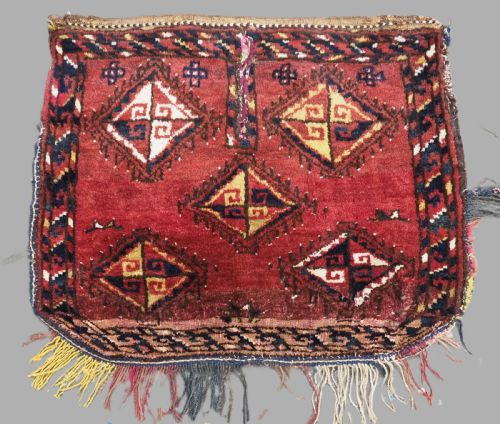
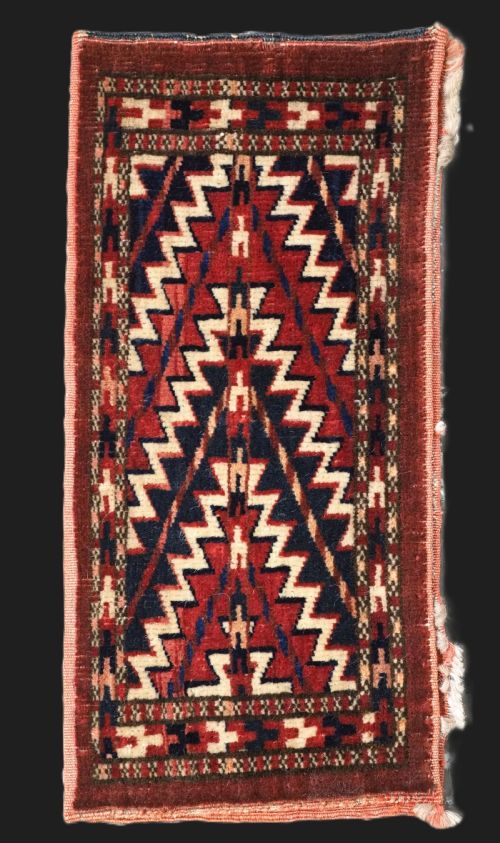


1900s Central Asian Rug
A 1900s central asian rug brings tribal character and rich wool texture into a room, offering authentic nomadic craft from the turn of the twentieth century.
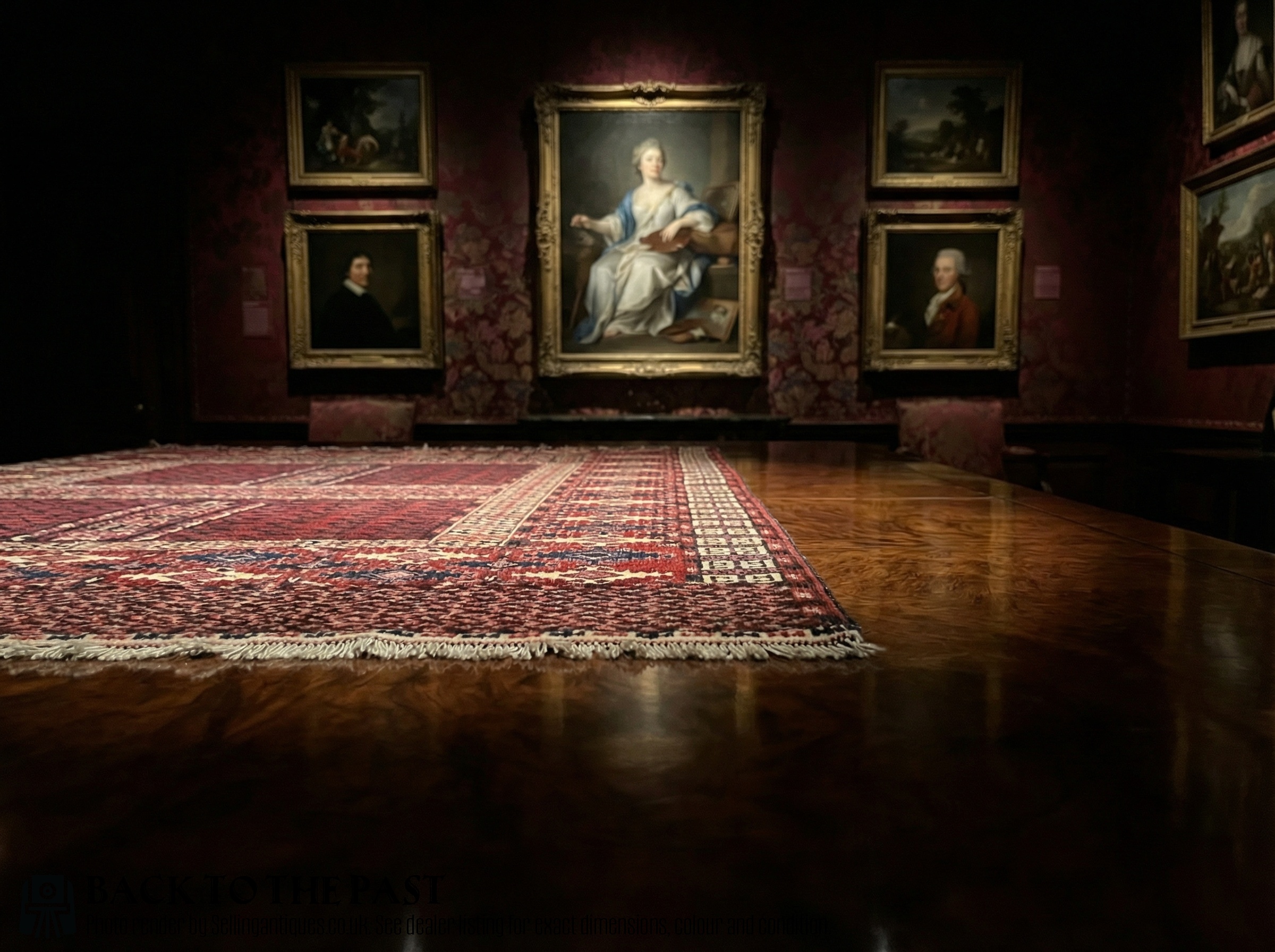
1900s Central Asian Rug
A 1900s central asian rug encompasses tribal textiles, saddlebags, area rugs, and carpets produced around eighteen ninety to nineteen hundred. These pieces represent the nomadic and village traditions of weavers across the region.
Buyers commonly encounter Turkmen and Afghan main carpets alongside smaller format items such as torba faces, chuval faces, and spindle bags. Uzbek suzanis embroidered with silk on cotton grounds also appear in this selection.
Tribal styles dominate the group, including Yomut, Ersari, Tekke, and Kizil Ayak Turkmen designs. These formats range from small tent furnishings to room-sized floor coverings.
How they were made
Weavers utilised wool, cotton, and silk, binding natural dyes to create deep reds and ivory grounds. Surface decoration relies on hand knotting, plain weave backs, and intricate silk embroidery.
Nomadic workshops constructed pile carpets and flatwoven kilims using sturdy warp and weft foundations. Embroidered textiles like suzanis employed fine silk threads stitched onto woven cotton backings.
Several pieces preserve the practical backs of nomadic saddlebags and tent storage faces, designed originally for life on the move.
What varies in quality
Quality depends upon the fineness of the weave and the clarity of tribal design elements such as guls and curled leaf motifs. Tightly constructed structures preserve the integrity of the textile over decades of use.
The vibrancy and depth of the natural dyes significantly influence visual impact. Superior examples maintain rich colour saturation across the wool pile and silk embroidery.
The 1900s Central Asian Rug Glossary
- Gul
- A primary octagonal medallion motif repeated across Turkmen carpets. This design element serves as a tribal emblem for specific groups.
- Torba
- A small wall hanging or storage bag produced by Turkmen weavers. These items often feature detailed face designs like the curled leaf pattern.
- Suzani
- An embroidered textile originating from Uzbekistan. Artisans stitch silk thread onto a cotton ground to form floral and geometric patterns.
- Chuval
- A large tent bag used by nomadic tribes for storage. Examples frequently display multiple guls in structured rows.
- Kilim
- A flatwoven rug produced without a pile. These pieces rely on interlocking weft threads to form sharp geometric patterns.
1900s Central Asian Rug: Frequently Asked Questions
How do I clean an antique rug?
Gentle surface vacuuming without the beater bar removes loose dirt from the wool pile safely. Professional textile cleaning is necessary for deeper maintenance to protect natural dyes.
Avoid soaking embroidered items like suzanis in water. Specialist care preserves the fragile silk threads on cotton grounds.
Where were these textiles made?
Nomadic and village weavers produced these textiles across Central Asia, including regions of Uzbekistan and Afghanistan. Tribes such as the Yomut, Tekke, and Ersari created distinct regional styles.
Production took place within tribal camps and settlements around the turn of the twentieth century. Each group maintained specific geometric vocabularies.
Can I place these on the floor?
Main carpets and area rugs suit floor placement in rooms with moderate foot traffic. Placing a quality underlay beneath the textile prevents slipping and reduces fibre wear.
Smaller formats like saddlebag faces and torbas function better as wall hangings or decorative displays. This protects fragile flatweave backs and delicate embroidery from direct friction.
What materials are used?
Weavers relied primarily on wool for knotted pile carpets and flatwoven kilims. Cotton serves as a foundation material or a ground for silk embroidery.
Natural dyes provide the varied colour palette seen across the pieces. Silk threads supply the lustrous detail found in embroidered suzanis and covers.