


Bureau De Dame Desk
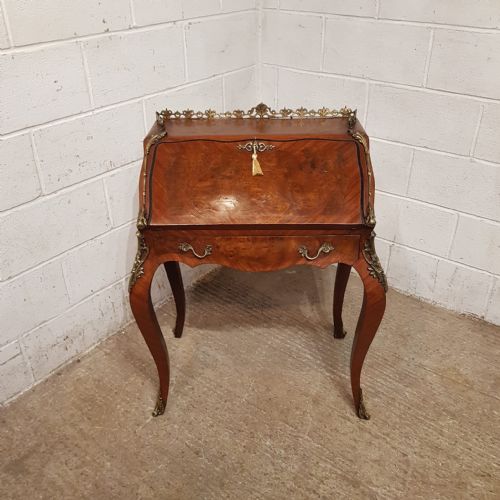
A bureau de dame desk is a compact ladies writing cabinet designed for personal correspondence, combining fine timbers with decorative mounts.
Bureau De Dame Desk
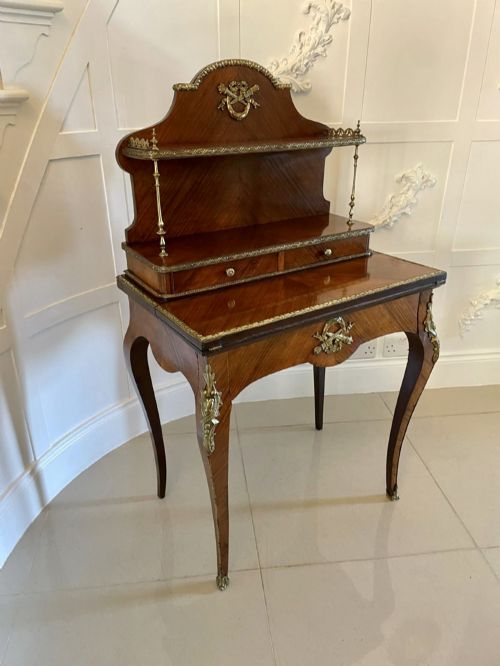
When you search for a bureau de dame desk, you encounter refined writing furniture produced primarily during the nineteenth century and the Victorian period. These diminutive desks frequently display French influences, adopting Louis XV revival or Rococo revival styles alongside classic bureau forms.
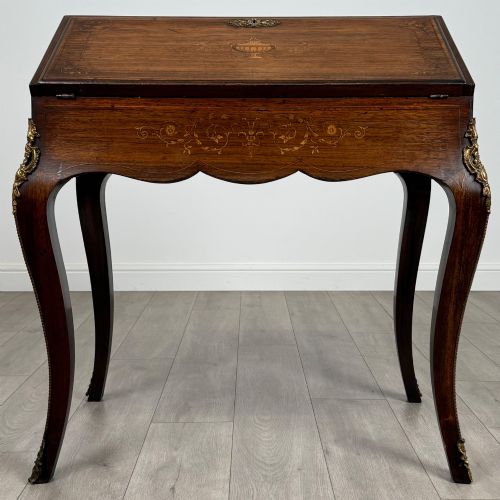
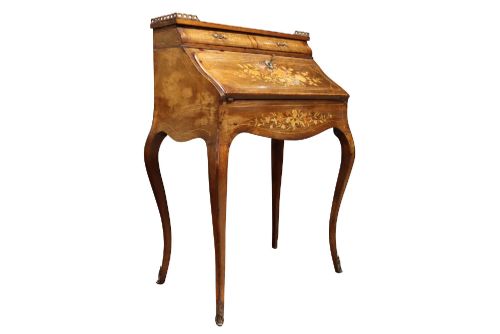
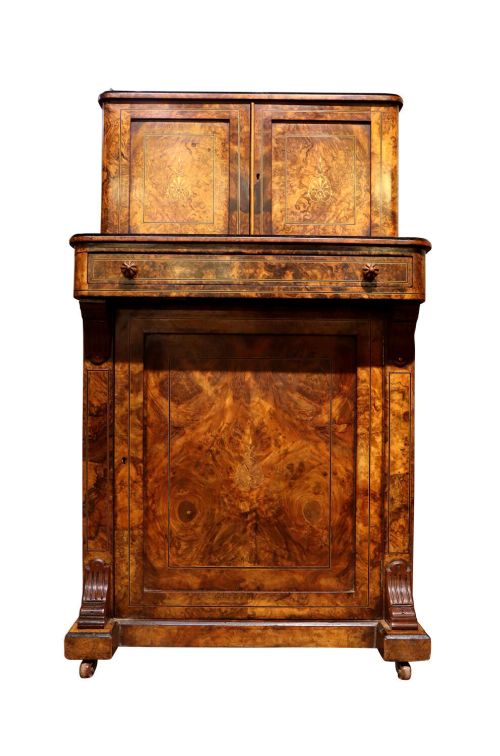
The pieces appearing here are predominantly nineteenth-century examples, often featuring sloping fall fronts that conceal small compartments and drawers. Walnut, rosewood, and kingwood dominate the selection, frequently paired with delicate marquetry inlay.
What varies in quality
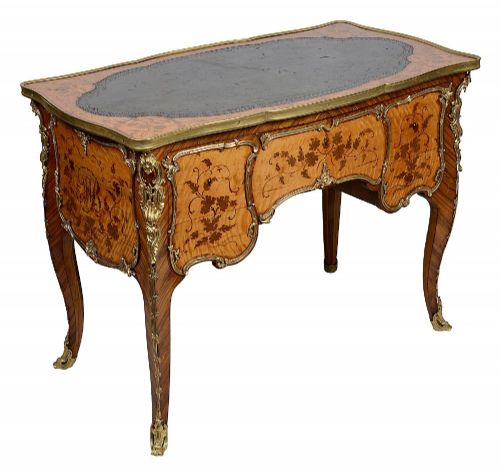
The distinction between standard pieces and exceptional examples rests in the complexity of the marquetry and the crispness of the gilt metal mounts. Finer desks display meticulous hand-chiselled ormolu alongside seamless timber veneers that wrap cleanly around curved profiles.
Structural refinement also separates the grades, visible in the smooth action of the fall front and the precision of internal pigeonholes. Superior specimens often carry workshop attribution, demonstrating a higher tier of cabinetmaking skill.
Several desks manage to pack hidden compartments into frames barely larger than a bedside table.
Paul Sormani·BVRB
The Bureau De Dame Desk Glossary
- Bureau de dame
- A small ladies writing desk, typically featuring a sloping fall front and decorative mounts. These compact writing cabinets became popular across nineteenth-century salons.
- Bonheur du jour
- A light ladies writing desk featuring a small cabinet or set of shelves upon the writing surface. This form emerged during the mid-nineteenth century revival of Louis XV taste.
- Ormolu
- Gilded bronze mounts applied to furniture for decorative effect. Craftsmen chased these metal details by hand to catch the light.
- Marquetry
- The art of applying pieces of veneer to a structure to form decorative patterns. Cabinetmakers utilised various exotic woods to create floral or geometric designs.
- Fall front
- A hinged writing flap that drops down to provide a surface for correspondence. This panel conceals internal compartments when closed.
Bureau De Dame Desk: Frequently Asked Questions
What is a bureau de dame?
A bureau de dame is a small ladies writing desk featuring a sloping fall front that opens to reveal internal compartments. They were designed for private correspondence in nineteenth-century drawing rooms.
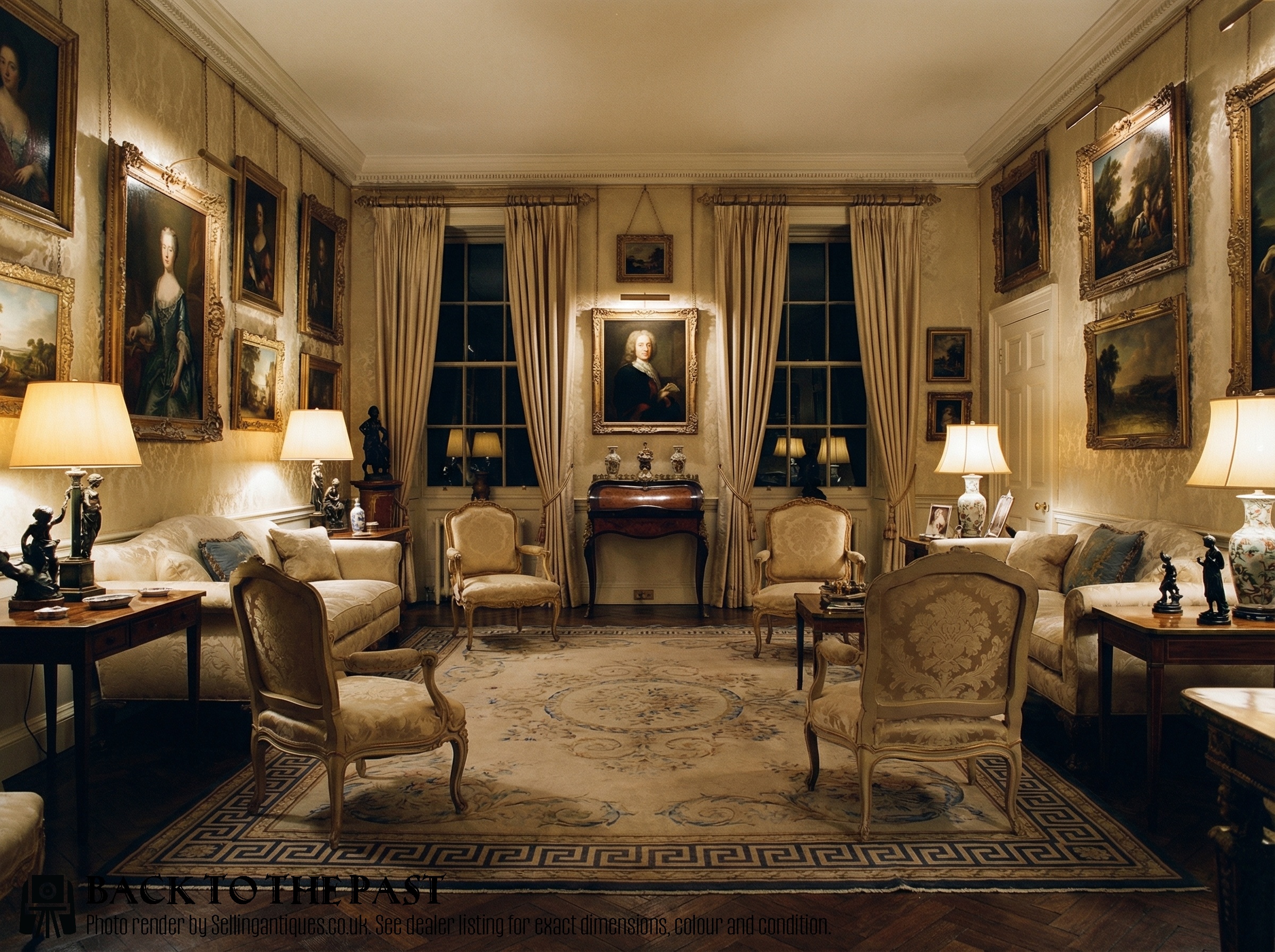
These pieces typically present compact proportions, allowing them to fit into residential spaces where large pedestal desks would overwhelm the room.
How do I date a bureau de dame?
Dating relies on identifying timber choices, decorative motifs, and construction techniques associated with nineteenth-century revival periods. Pieces reflecting Louis XV styles often date from the mid to late nineteenth century.
Ormolu mounts and marquetry patterns also offer clues regarding the exact decade of manufacture, as stylistic preferences shifted from walnut to exotic woods like kingwood and rosewood.
Where were these desks used?
Original owners utilised these desks in private boudoirs, receiving rooms, and intimate sitting spaces for writing letters and managing personal accounts. Their portable nature suited domestic interiors of the Victorian era.
Today, they function effectively as standalone writing surfaces or decorative focal points in modern living spaces.
Are these desks French or English?
The majority of pieces following this design taste originate from France or reflect French revival aesthetics popular during the nineteenth century. Makers frequently drew inspiration from earlier continental cabinetmaking traditions.
English interpretations also appear in the record, adapting the compact writing format with local timber choices and simpler internal layouts.