

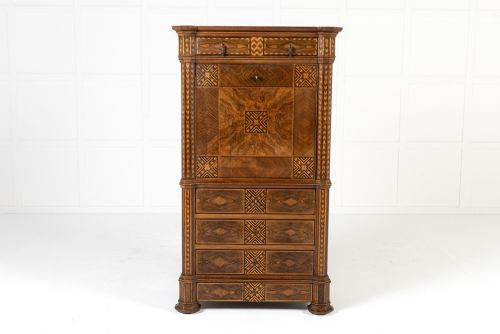
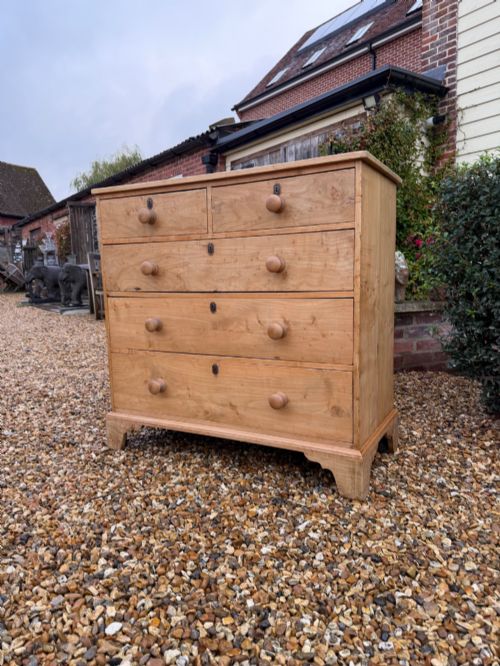
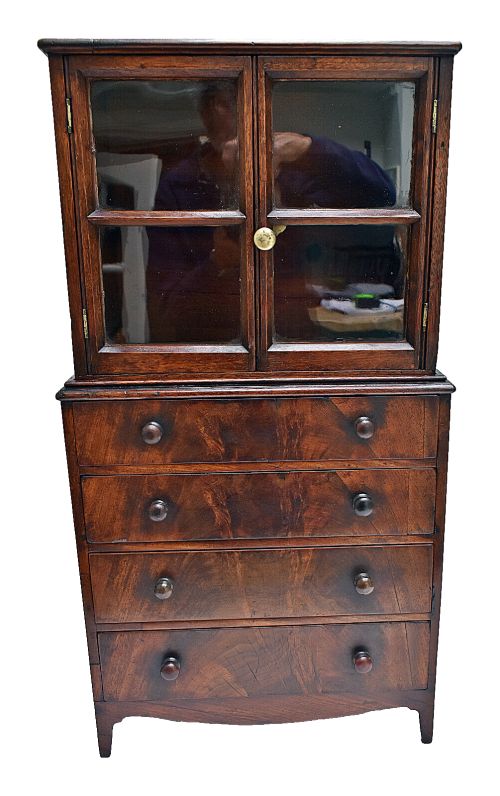
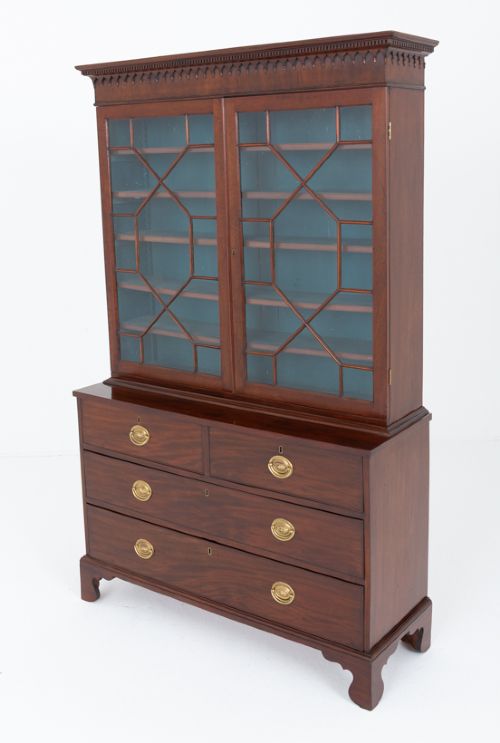
Bureau Cabinet with Drawers
A bureau cabinet with drawers combines a functional writing surface with concealed compartments and storage, offering timeless utility for the home.
Bureau Cabinet with Drawers
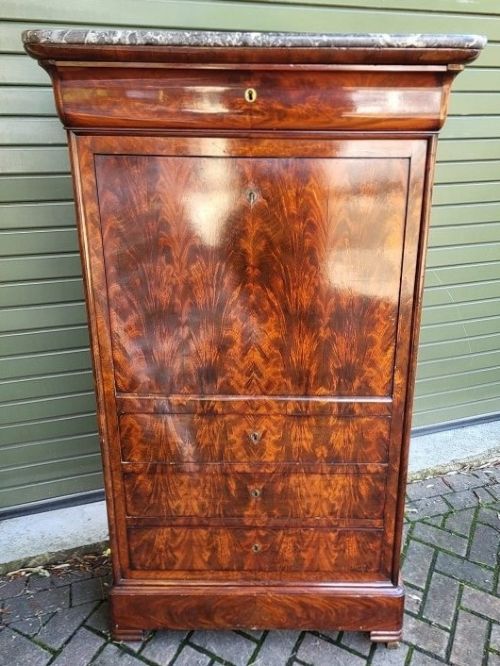
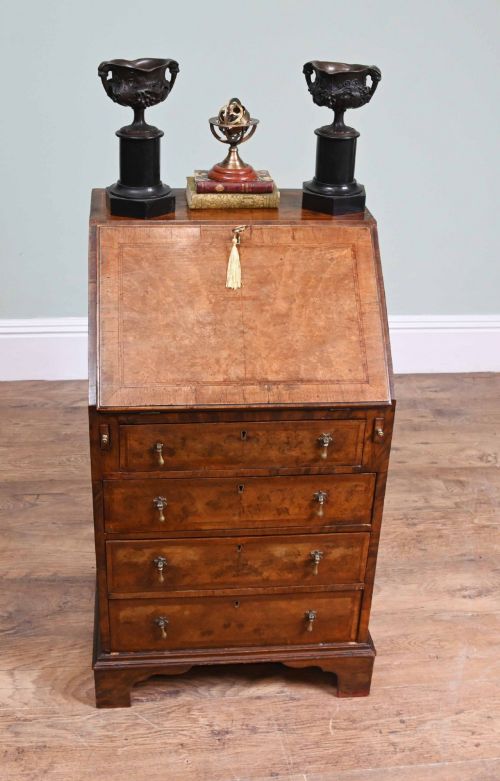
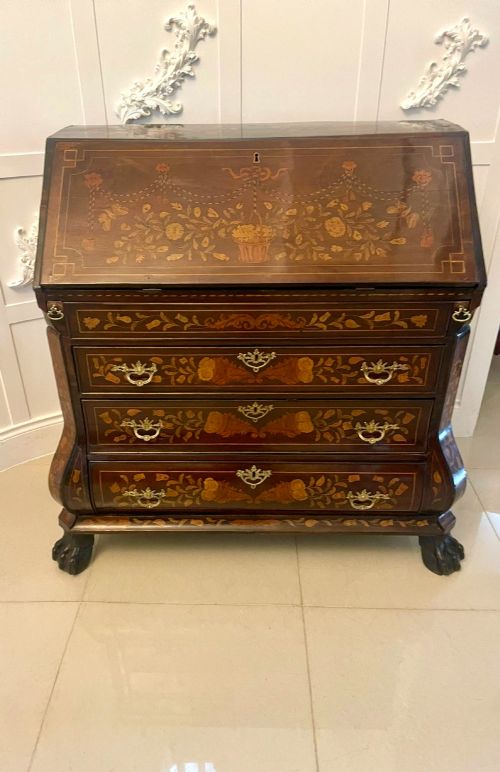
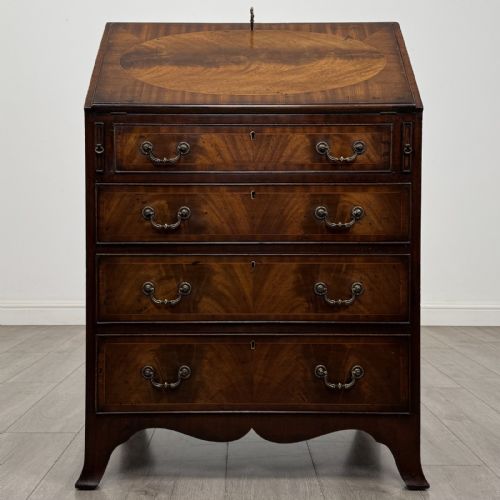
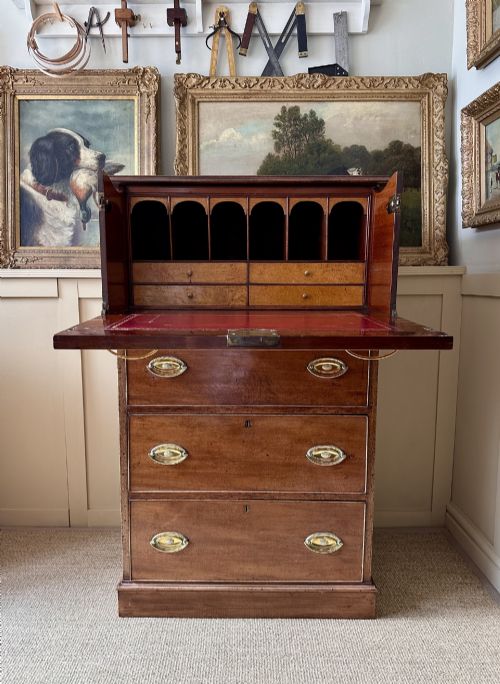
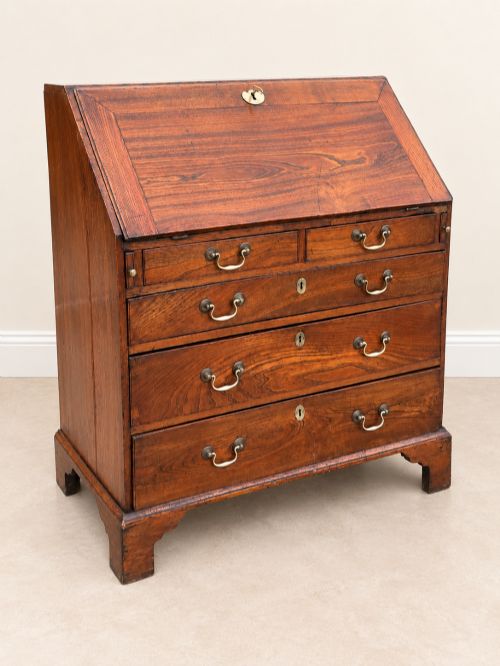
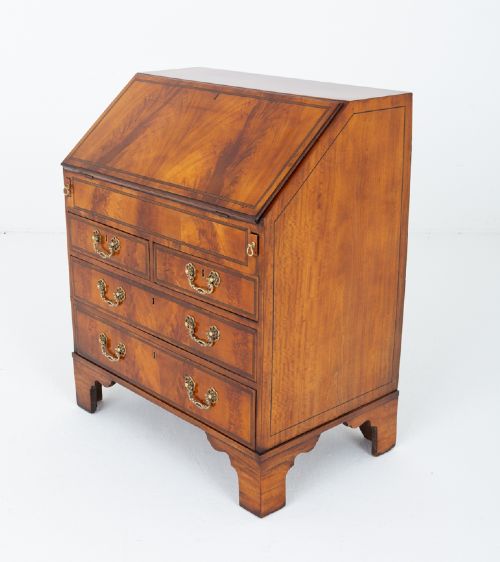
A bureau cabinet with drawers serves as a dual-purpose piece of furniture, combining a sloped fall front or drop-down writing surface with dedicated drawer storage below. These items bridge the gap between a private writing desk and a chest of drawers, often incorporating upper bookcase sections or internal pigeonholes.
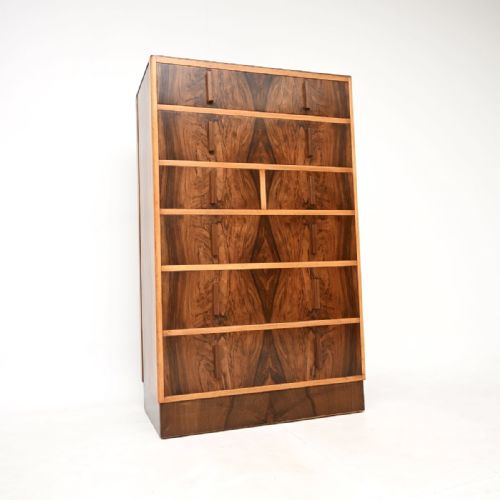
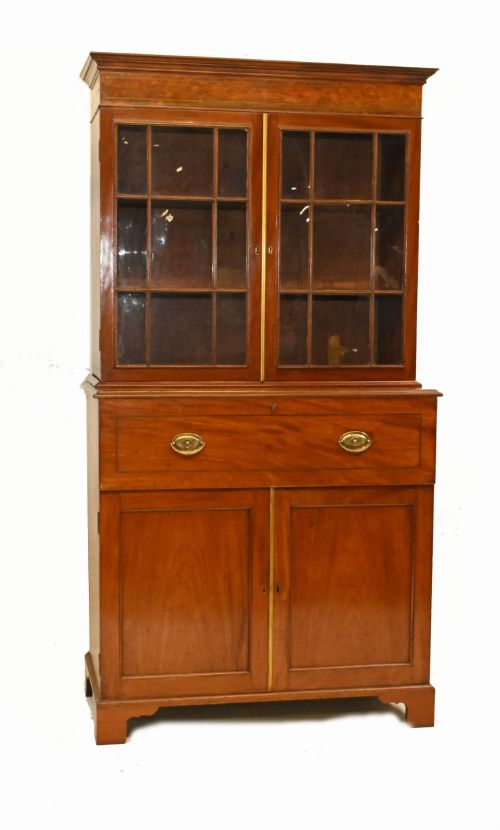
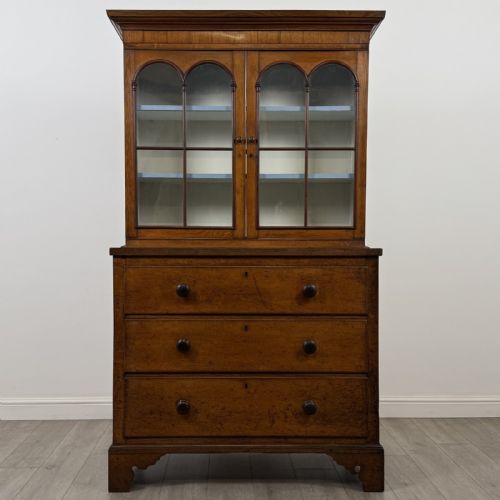
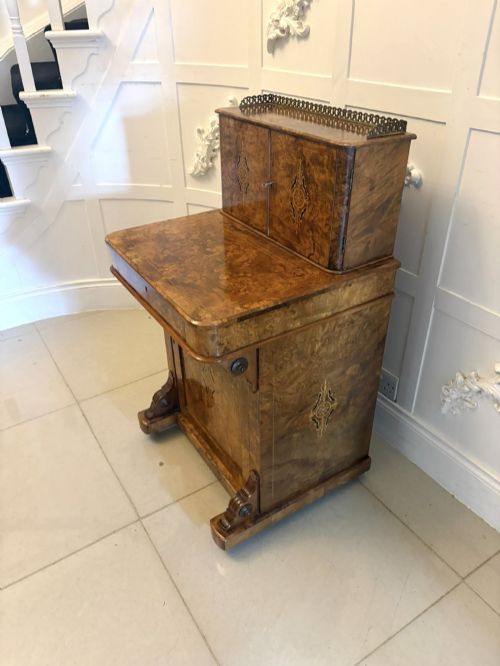
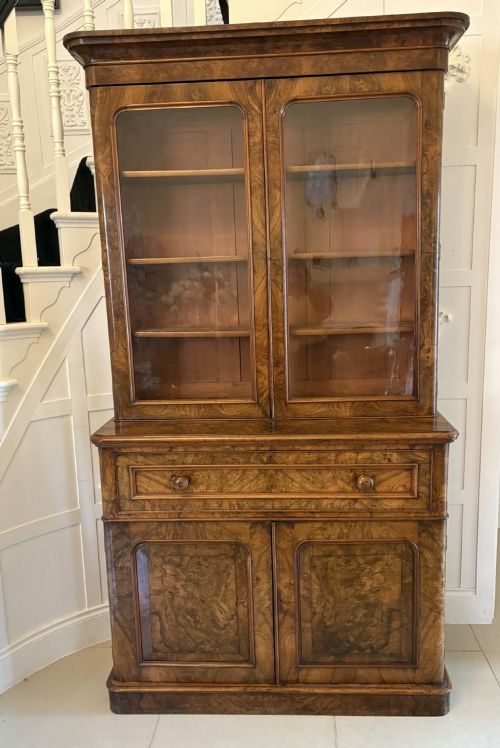
The selections available span multiple centuries, with 18th-century and 19th-century examples forming the core of the collection alongside later Edwardian and 1920s interpretations. Oak, mahogany, and walnut dominate the forms, frequently enriched by satinwood inlay, glass-fronted upper cabinets, and leather writing inserts.
Buyers will encounter various stylistic interpretations ranging from early Queen Anne and Georgian designs to robust Victorian oak pieces and lighter Edwardian burr walnut editions. Each variation reflects the prevailing domestic requirements and decorative tastes of its specific period.
How they were made
Cabinet makers utilised dense domestic and imported timbers such as mahogany, oak, and walnut, frequently selecting figured veneers to create striking visual patterns on fall fronts and drawer faces. Secondary structural elements often relied on sturdy native hardwoods to support the heavy internal compartment assemblies.
Traditional joinery techniques including dovetail joints secure the drawer construction, while brass hardware such as drop handles, escutcheons, and hinges provide functional reinforcement. Glass panels in upper bookcase sections are typically held within individual wooden glazing bars, and specialised writing surfaces incorporate fitted leather or baize inserts.
Bureau Cabinet with Drawers Retail Price Guide 2026
Typical asking prices for bureau cabinet with drawers among the pieces listed under this phrase on Sellingantiques today, from the lower quarter to the upper quarter. They describe what is for sale here now, not the wider market.
Listings feature pieces spanning the 18th century, 19th century, Edwardian era, and the 1920s.
What varies in quality
The standard of timber selection and veneer matching defines the visual hierarchy, with highly figured flame mahogany or burr walnut positioned at the upper end of craftsmanship. Superior examples display seamless grain continuity across moving parts and drawer fronts.
The complexity and execution of internal fittings, such as secret compartments, miniature drawers, and finely turned pigeonholes, distinguish exceptional cabinet work from utilitarian pieces. The precision of dovetailing and the retention of original brass hardware further indicate higher manufacturing pedigree.
Gillows
The Bureau Cabinet with Drawers Glossary
- Fall front
- A hinged writing flap that drops down to form a horizontal desk surface. This panel conceals internal drawers and pigeonholes when closed upright.
- Pigeonhole
- A small, open compartment within a desk interior designed for sorting letters and papers. These compartments are frequently flanked by miniature drawers.
- Escutcheon
- A protective brass plate surrounding a keyhole. It prevents the surrounding wood from wearing down through repeated use.
- Dovetail
- An interlocking joint used in drawer construction. This method provides high tensile strength and durability through closely fitted interlocking wedges.
Bureau Cabinet with Drawers: Frequently Asked Questions
What is a bureau cabinet with drawers?
A bureau cabinet with drawers is a combined writing desk and storage unit featuring a hinged writing flap above multiple exterior drawers.
Many examples also incorporate upper shelving or bookcase sections enclosed by glass doors.
How were these cabinets used historically?
These pieces served as private household workspaces for correspondence, record-keeping, and the storage of important documents.
The enclosed compartments kept personal papers secure while the drop front provided an immediate writing desk.
How do I date an antique bureau?
Dating relies on examining the timber species, construction techniques like hand-cut dovetails, and stylistic markers such as bracket feet or inlaid stringing.
Earlier 18th-century pieces often utilise walnut and oak, while later Georgian and Victorian editions frequently feature rich mahogany.
How do I care for a wooden bureau?
Maintain wooden surfaces by keeping them away from direct sunlight and maintaining stable indoor humidity levels to prevent timber splitting.
Apply high-quality beeswax periodically to nourish the grain and protect the polished finish.