





Brown Wool Rug Runner
A brown wool rug runner introduces rustic warmth and tribal geometry to a hallway, bringing enduring character from nineteenth and early twentieth century weaving traditions.
Brown Wool Rug Runner
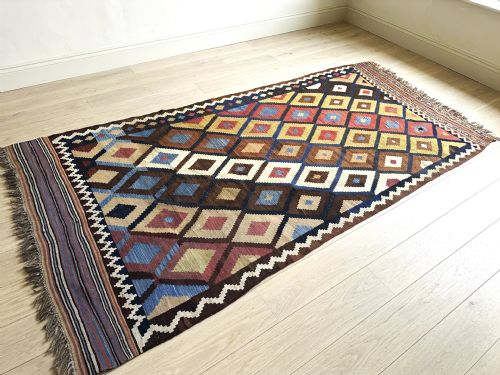
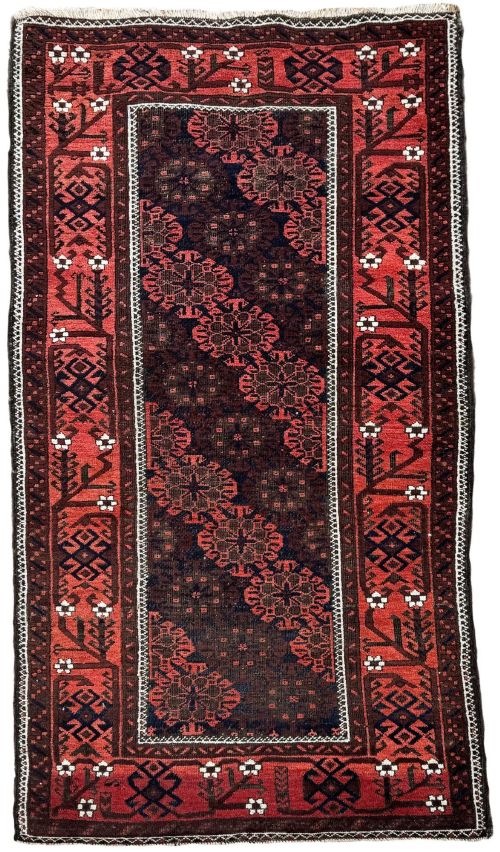
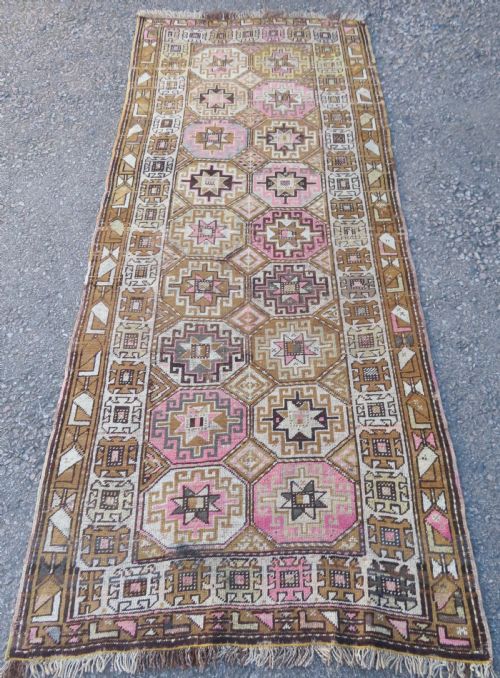
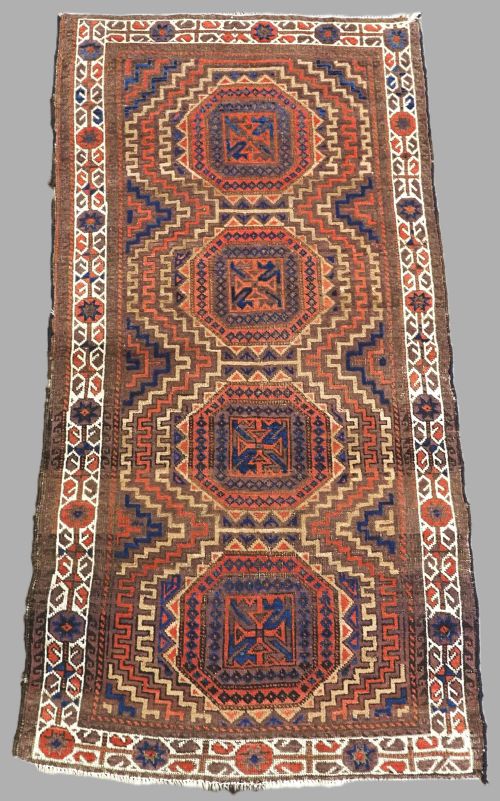
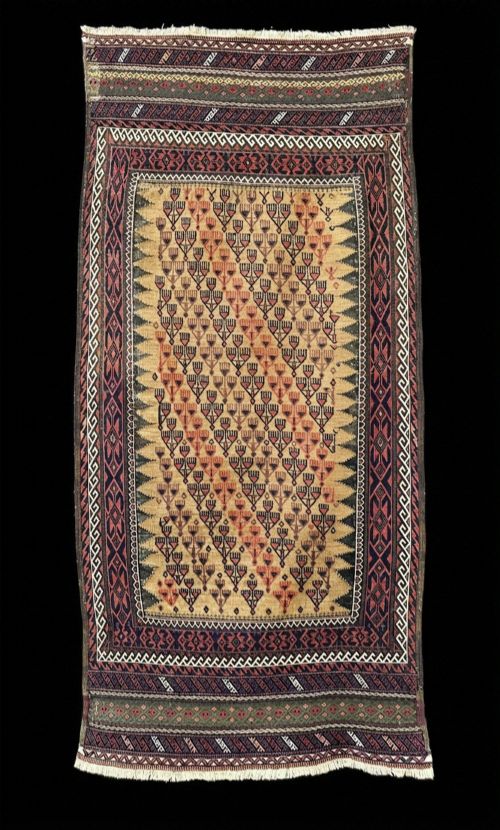
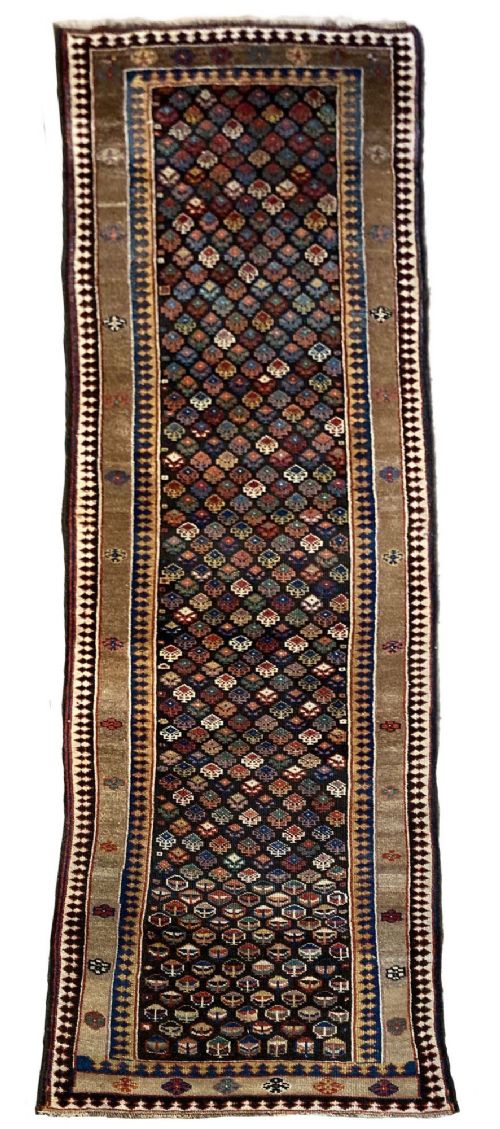
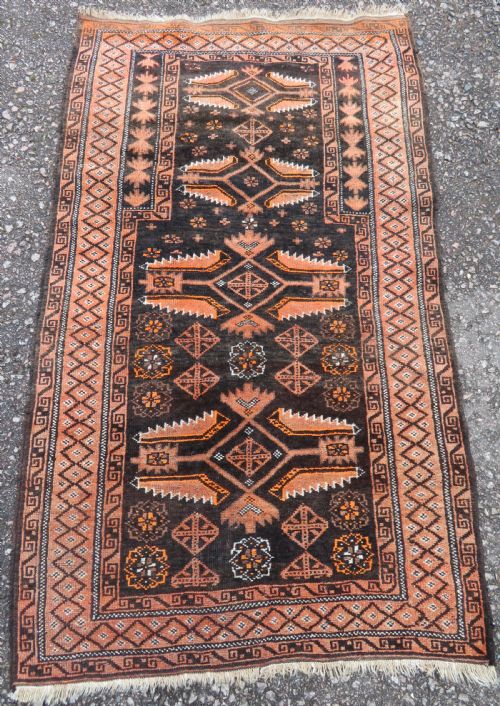
When searching for a brown wool rug runner, buyers encounter genuine tribal and village weaving traditions originating from Persia, Central Asia, and the Caucasus. These narrow formats served functional purposes in nomadic tents and village homes, designed specifically for corridors, bedside placements, and passage areas.
The selections available here span from the late nineteenth century into the early decades of the twentieth century. Examples include Kurdish long rugs, Baluch runner formats, and Afghan tribal weaves created by makers utilising traditional regional motifs such as guls and repeating geometric patterns.
Most pieces display deep earthy palettes dominated by rich browns, deep reds, and dark neutrals derived from natural sources. Buyers find everything from flatwoven kilims and pile runners to mixed-technique tent bands and prayer rugs produced by distinct tribal groups.
How they were made
The makers of these runner rugs relied primarily on hand-spun wool and camel wool, often incorporating structural elements of cotton and goat hair for warp and weft foundations. This reliance on locally sourced animal fibres creates a dense, resilient pile and flexible flatweave structure built to withstand heavy foot traffic.
Colour comes largely from natural dyes applied to un-dyed and dyed yarns, yielding subtle variations in tone that develop a soft patina over time. Individual strips and panels were frequently woven separately on portable looms before being joined together to form longer runners and tent bands.
Brown Wool Rug Runner Retail Price Guide 2026
Typical asking prices for brown wool rug runner among the pieces listed under this phrase on Sellingantiques today, from the lower quarter to the upper quarter. They describe what is for sale here now, not the wider market.
Nomadic weavers occasionally stitched multiple narrow yurt bands together to create fifty-foot lengths of architectural textile magic.
What varies in quality
Quality in these tribal runners rests upon the tightness of the weave, the clarity of the geometric drawing, and the integrity of the structural foundations. Finer knots and tightly packed flatweave bands indicate greater maker skill and a longer commitment to production.
The vibrancy and depth of the natural dyes also set exceptional pieces apart, as skilful dye baths yield rich tonal variations rather than flat, uniform surfaces. Survival of original kilim ends and intact selvedges further distinguishes pieces that retain their complete historical form.
The Brown Wool Rug Runner Glossary
- Gul
- A repeating octagonal or medallion motif commonly found in Turkmen and Central Asian tribal weaving. These designs often identify the specific tribe or clan that produced the textile.
- Kilim
- A flatwoven rug or runner produced without a pile by tightly interweaving warp and weft threads. This technique creates a lightweight, reversible textile with sharp geometric patterns.
- Warp
- The vertical threads stretched tightly on the loom that form the structural foundation of a rug. Weft threads are woven horizontally across these structural cords.
- Weft
- The horizontal threads passed through the warp yarns to hold the pile knots or flatweave design in place. Visible weft bands often characterise Central Asian flatweaves.
- Pushti
- A small mat or rug designed for seating or kneeling rather than floor coverage in large rooms. These compact pieces frequently share the aesthetic of larger tribal runners.
Brown Wool Rug Runner: Frequently Asked Questions
Where do brown wool runners work best?
These narrow tribal formats suit hallways, corridors, and galley kitchens where length matters and natural materials handle daily movement.
Their dark earthy tones and dense wool construction hide dust well while adding grounded texture to timber or stone floors.
How do I care for antique wool runners?
Regular gentle vacuuming without a rotating brush roll keeps grit from settling into the wool pile and wearing down the foundation.
Professional specialist cleaning is recommended for antique textiles to protect natural dyes and fragile flatwoven ends.
What is the difference between a rug and a runner?
Runners are significantly longer than they are wide, specifically proportioned for narrow spaces, corridors, and stairways.
Standard area rugs and pushis tend towards square or broader rectangular dimensions suited for open floor spaces.
How can I tell tribal styles apart?
Tribal attribution relies on specific structural characteristics, edge finishes, and repeat motifs like the guls of Turkmen groups or the boteh patterns of Baluch weavers.
Palettes also offer clues, as nomadic groups utilised local materials and regional plant-based dye recipes.