



Vintage Tribal Hall Runner
A vintage tribal hall runner brings linear pattern and character to a corridor, shaped by regional weaving traditions.
Vintage Tribal Hall Runner
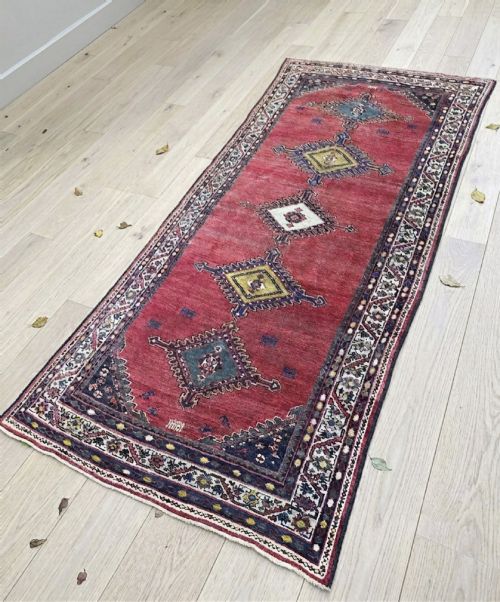
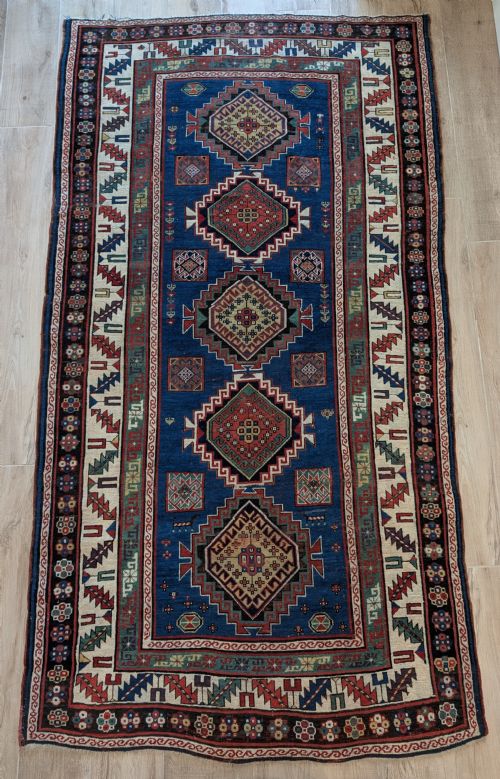
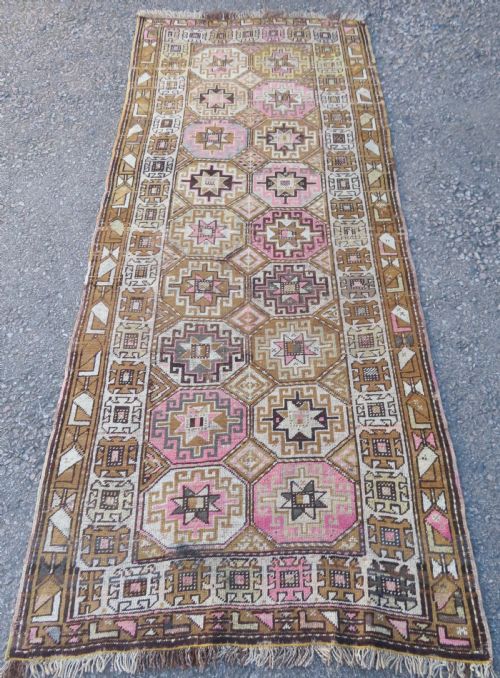
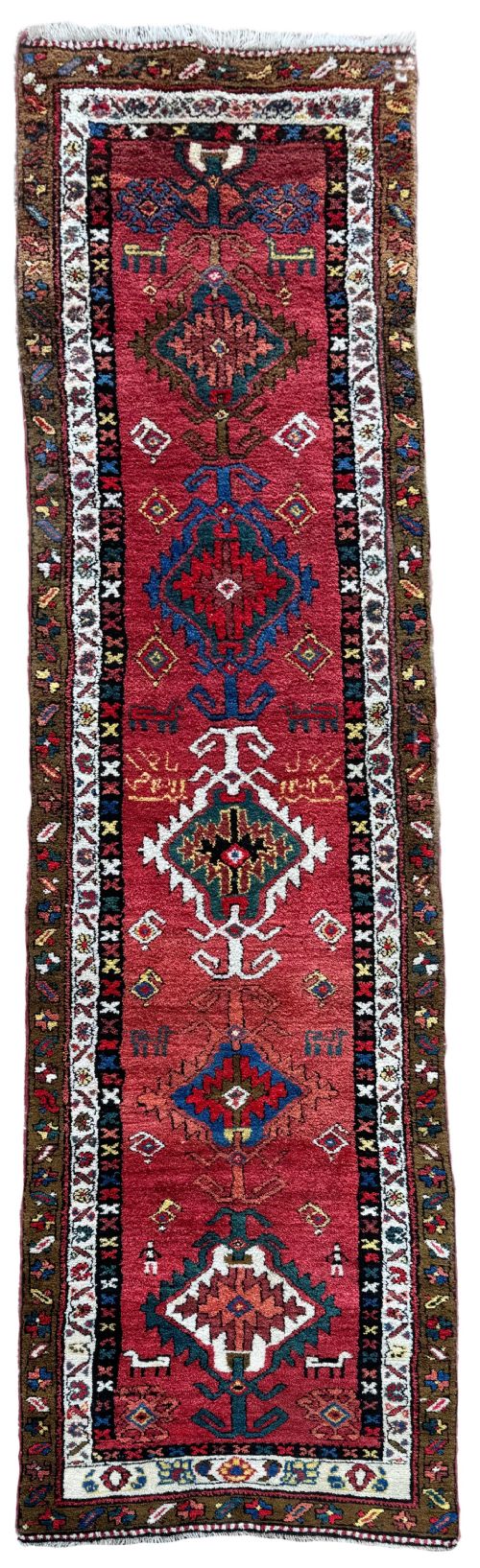
A vintage tribal hall runner is a long, narrow floor covering designed for corridors, landings and narrow spaces. These pieces combine practical proportions with geometric or stylized motifs originating from nomadic and village communities.
The selection here draws primarily from Persian, Kurdish, Caucasian and Anatolian regions. Pieces range from late nineteenth century examples to mid twentieth century formats, spanning styles such as Heriz, Kazak, Kurdish and Hamadan.
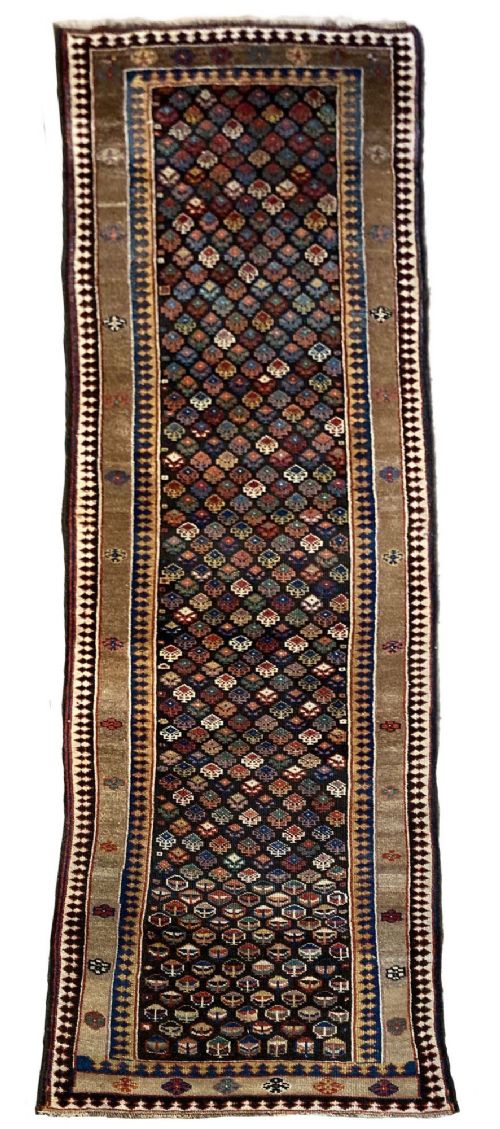
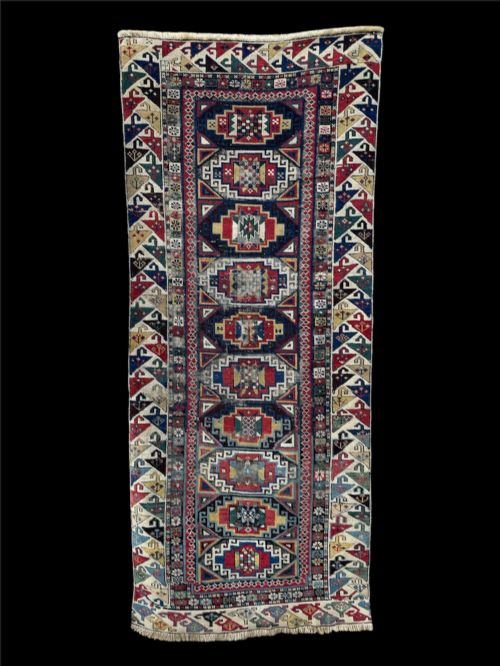
Buyers encounter narrow proportions suited to corridors, often featuring repeated medallions, boteh motifs or geometric fields. Wool forms the primary foundation of these narrow carpets.
Materials and construction
Construction relies primarily on wool spun for both pile and foundation threads, occasionally supported by cotton foundations in specific regional workshops. Hand-knotting techniques secure the pile, creating dense surfaces designed to endure heavy foot traffic in hallways.
Natural and early synthetic dyes impart colour to the wool, yielding deep blues, reds and earthy tones that age with character. The weaver ties individual knots by hand along the warp and weft threads, producing durable textiles built for daily domestic use.
Vintage Tribal Hall Runner Retail Price Guide 2026
Typical asking prices for vintage tribal hall runner among the pieces listed under this phrase on Sellingantiques today, from the lower quarter to the upper quarter. They describe what is for sale here now, not the wider market.
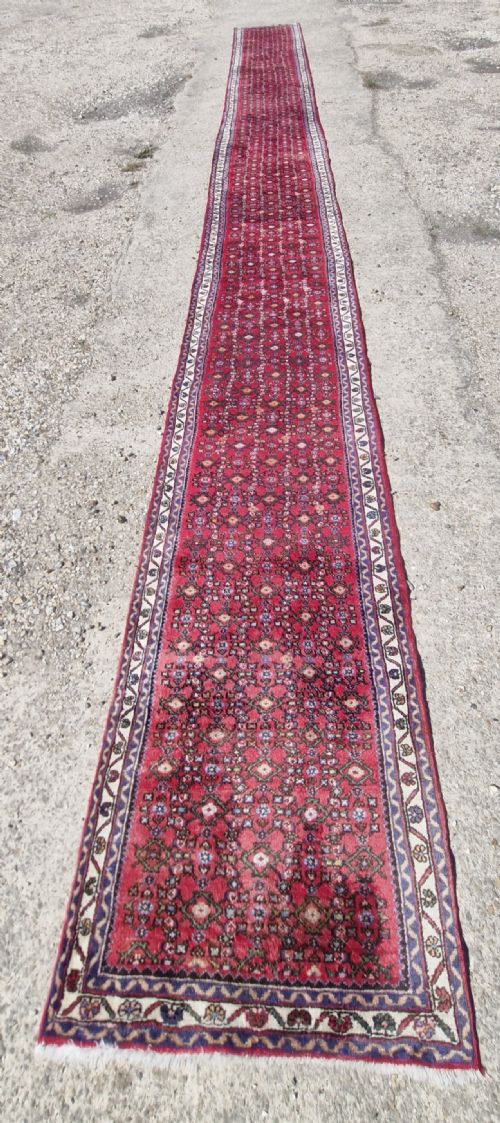
Some narrow runners stretch past twelve metres in length, designed for exceptionally grand corridors.
Assessing quality in runner rugs
Quality rests in the precision of the knotting, the balance of the composition across a narrow format, and the clarity of the regional motifs. Finer knot density allows intricate geometric lines and hooked medallions to remain sharp along the length of the runner.
The integrity of the wool and the depth of the dye work distinguish superior examples. Uniformity in width and straightness along extended lengths indicate skilled craftsmanship during the weaving process.
The Vintage Tribal Hall Runner Glossary
- Runner
- A long, narrow carpet format specifically proportioned for corridors, stairs and hallways.
- Medallion
- A central ornamental motif positioned within the field of the rug, often repeating in sequence along runner formats.
- Warp
- The stationary vertical strings stretched on the loom that carry the tension and form the foundation of the rug.
- Weft
- The horizontal threads passed through the warp threads to bind the knots in place.
- Pile
- The vertical surface of cut or looped wool fibres that forms the usable layer of the textile.
Vintage Tribal Hall Runner: Frequently Asked Questions
How do I choose the right length for my hallway?
Measure the clear floor space of your corridor, leaving an even margin of exposed flooring around the perimeter of the rug.
Account for door clearances at both ends so the runner does not obstruct movement or catch when doors swing open.
Where should I place a narrow tribal runner?
These long formats suit high-traffic thoroughfares such as hallways, entryways, landings and narrow passages between rooms.
Their linear design draws the eye down the corridor while protecting wooden or tiled floors from wear.
How do I care for an old wool runner?
Vacuum the rug regularly on a low suction setting without a rotating brush bar to prevent pulling the wool pile.
Rotate the runner periodically to ensure even wear across the surface from foot traffic and exposure to light.
How do I identify a Kurdish runner?
Kurdish pieces typically feature robust wool, saturated colours, and geometric tribal patterns woven in northwest Persian regions.
They often display distinctive motifs such as repeated boteh patterns or stylized tribal figures woven by village artisans.