





Pink Tribal Rug Runner
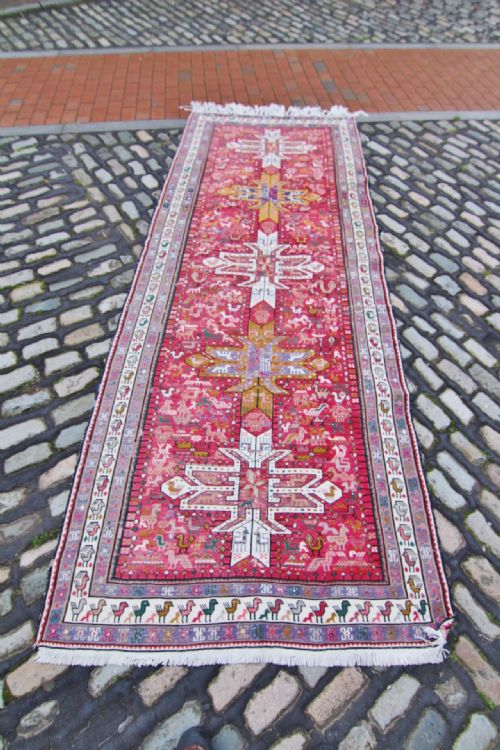
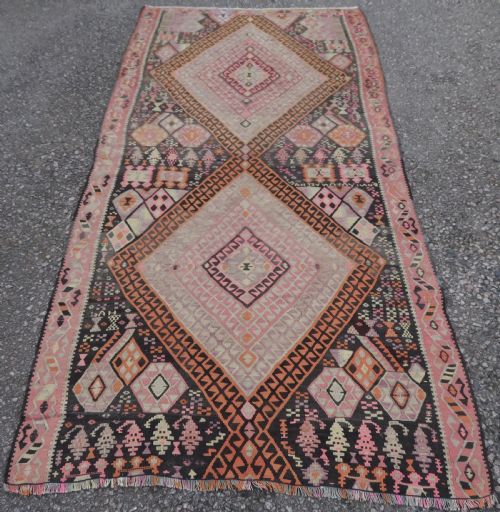
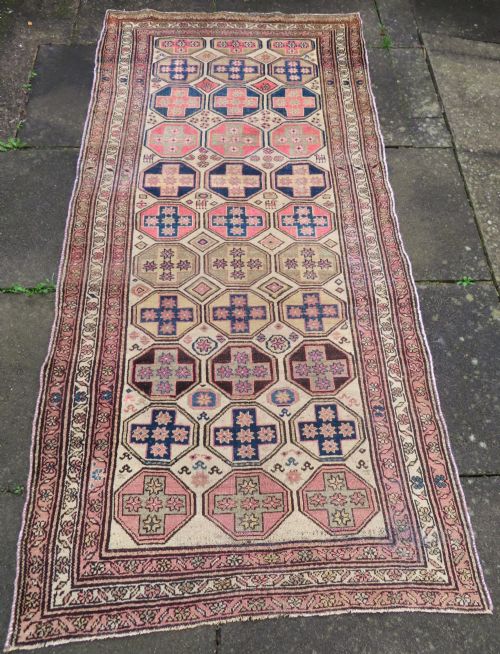
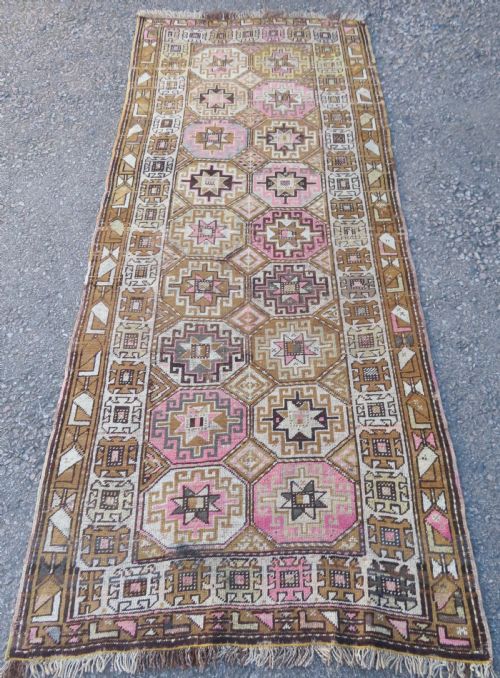
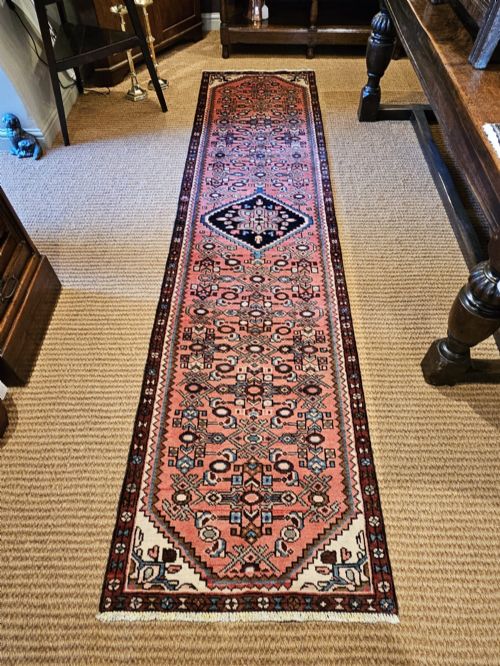
A pink tribal rug runner brings warmth and pattern to a long hallway, combining nomadic motifs with striking colour.
Pink Tribal Rug Runner
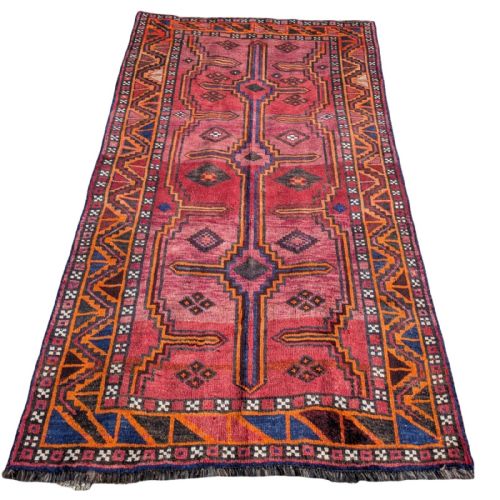
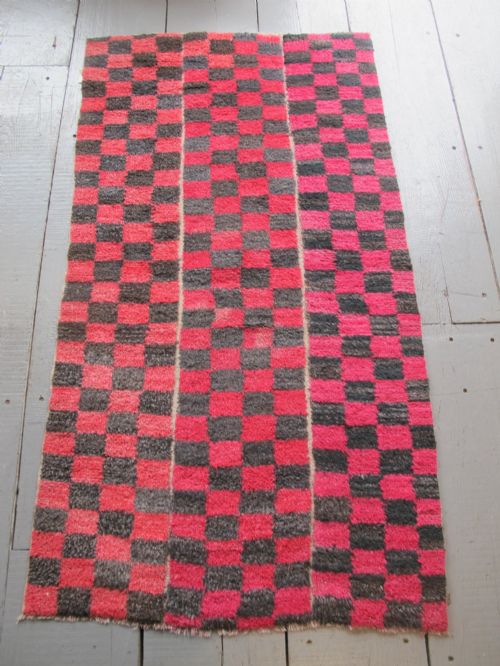
When you search for a pink tribal rug runner, you encounter long, narrow floor coverings created by nomadic and village weavers across various regions. These pieces display distinct folkloric motifs and geometry, shaped by the traditions of makers from Anatolia, Kurdistan, Persia, Tibet, the Caucasus, and Morocco. The forms vary from narrow hallway runners to elongated corridor rugs and long carpets.
On this page, you are most likely to meet pieces originating from the late nineteenth century through to the interwar period of the 1930s. They encompass styles such as Kurdish tribal, Moroccan tribal, Anatolian traditional, and Persian traditional designs. Each textile serves the practical purpose of insulating stone or timber floors while showcasing traditional regional artistry.
How they were made
These textiles rely primarily on natural wool and cotton foundations, with certain examples utilising Tibetan wool for specific regional textures. Weavers hand-wove these pieces using traditional upright or horizontal looms, building the pile or flatweave structure row by row. The process demands considerable patience and precise handling of dyed yarns to execute complex geometric or medallion patterns.
Dyes derived from natural sources give these rugs their characteristic aged pink tones and complementary hues. The combination of hand-spun fibres and durable knotting or flatweaving techniques explains why these historical floor coverings endure across generations of domestic use.
Pink Tribal Rug Runner Retail Price Guide 2026
Typical asking prices for pink tribal rug runner among the pieces listed under this phrase on Sellingantiques today, from the lower quarter to the upper quarter. They describe what is for sale here now, not the wider market.
Meditation rugs from Tibetan folk traditions invited quiet contemplation long before finding a second life in modern hallways.
What varies in quality
The standard of a runner depends heavily on the fineness of the weave and the tightness of the knotting or flatweave structure. Denser construction secures the pile more firmly and allows intricate geometric motifs to remain sharp and legible over decades of foot traffic.
The harmony and saturation of the pink tones also distinguish finer examples from standard output. A balanced palette achieved through skilled dye work elevates the visual impact of the weaving, while precise symmetry in tribal borders reflects the weaver's exceptional skill.
The Pink Tribal Rug Runner Glossary
- Runner
- A long, narrow carpet format specifically designed for hallways, corridors, and staircases. This shape directs movement through a space while displaying continuous borders and central medallions.
- Pile
- The upright yarn loops or cut ends that form the soft surface of a rug. Pile depth affects the tactile feel and the warmth of the textile underfoot.
- Kilim
- A flatwoven textile produced without a raised pile. These pieces rely on interlocking weft threads to create sharp geometric patterns.
- Warp
- The vertical foundation threads stretched lengthwise on a loom before weaving begins. The warp provides the structural backbone of the rug.
- Weft
- The horizontal threads passed back and forth through the warp to bind the design. Weft tension determines the stability of the finished textile.
Pink Tribal Rug Runner: Frequently Asked Questions
Where should I place a runner?
A runner works best in high-traffic transition areas such as long hallways, narrow entryways, and beside beds. Their elongated shape introduces colour and pattern to otherwise overlooked floor spaces without obstructing doors.
Ensure you measure both the length and width of your corridor before selecting a piece. Leaving a small margin of exposed floor around the edges helps frame the rug properly within the room.
How do I clean an old rug?
Gentle surface cleaning and regular light vacuuming without a rotating brush help maintain wool fibres. Professional textile cleaners experienced in historical rugs should handle deeper washes to protect natural dyes.
Avoid soaking the piece or using harsh chemical detergents, as these can destabilise the dyes and weaken the cotton or wool foundation over time.
Are these rugs durable for hallways?
Traditional village and nomadic rugs were built for everyday domestic utility using sturdy wool and cotton materials. Their dense construction handles standard household foot traffic remarkably well when paired with a quality underlay.
Using a breathable rug pad beneath the runner prevents slipping and cushions the weave against hard flooring, extending the working life of the textile.
How do I date a woven runner?
Dating relies on examining material characteristics, dye types, and structural weave styles recorded from periods between the late nineteenth century and the 1930s. Subtle irregularities in wool spinning and regional design motifs often point to specific eras of production.
Comparing the border patterns and structural quirks against documented examples from specific tribal groups helps narrow down the approximate decade of manufacture.