
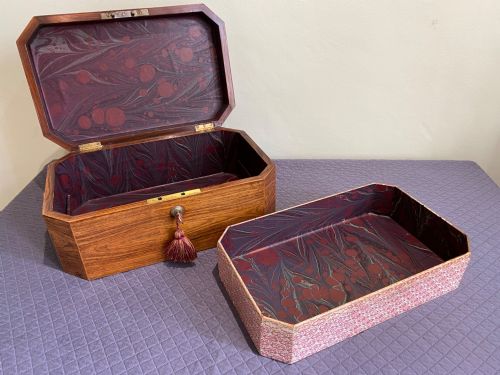

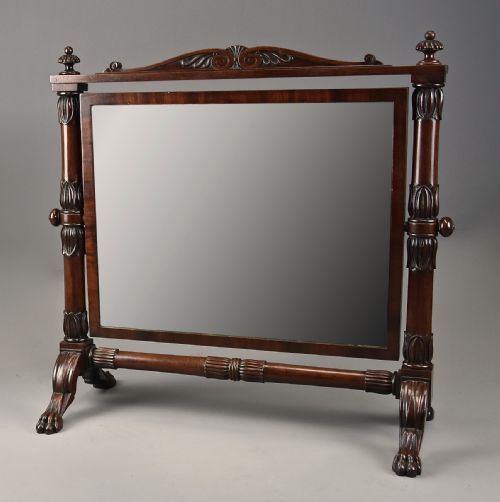
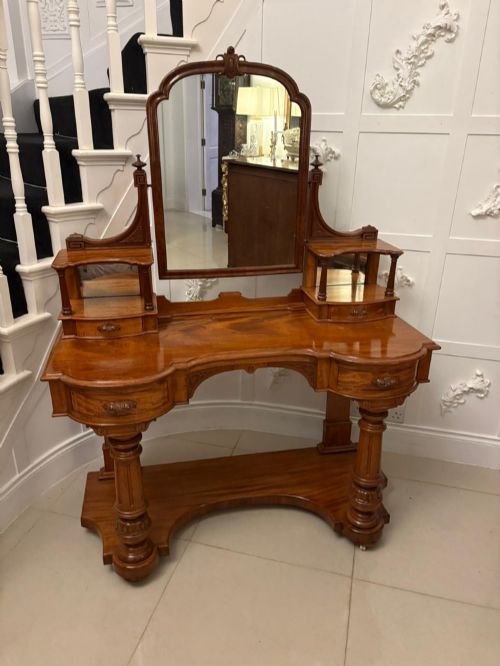
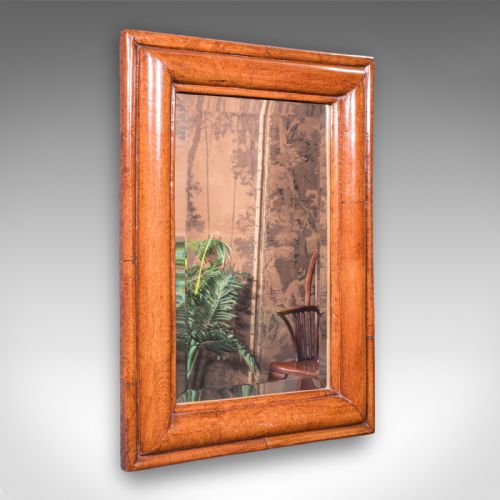
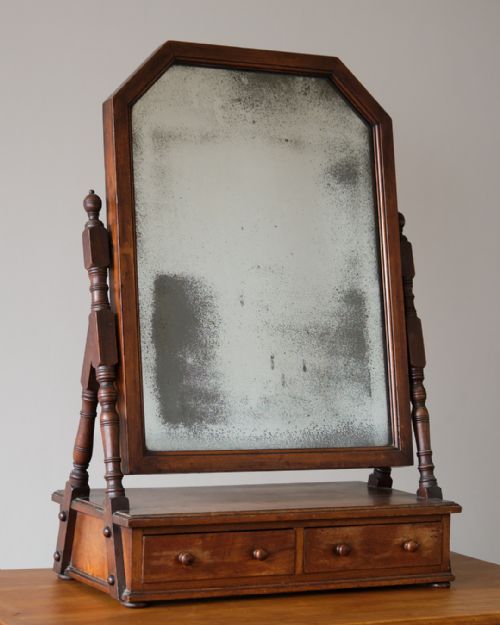
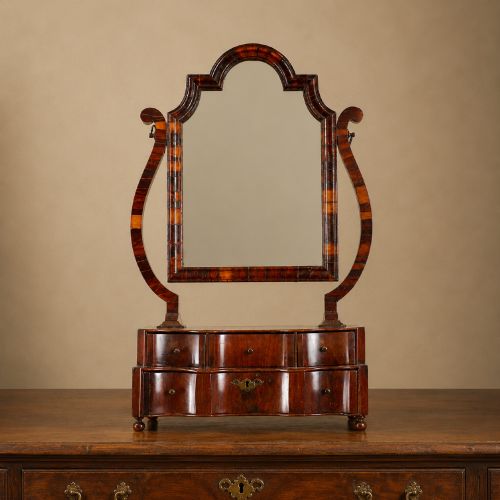

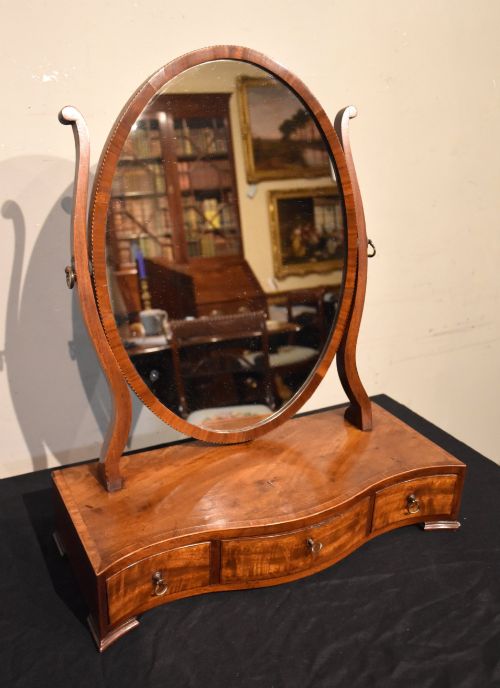
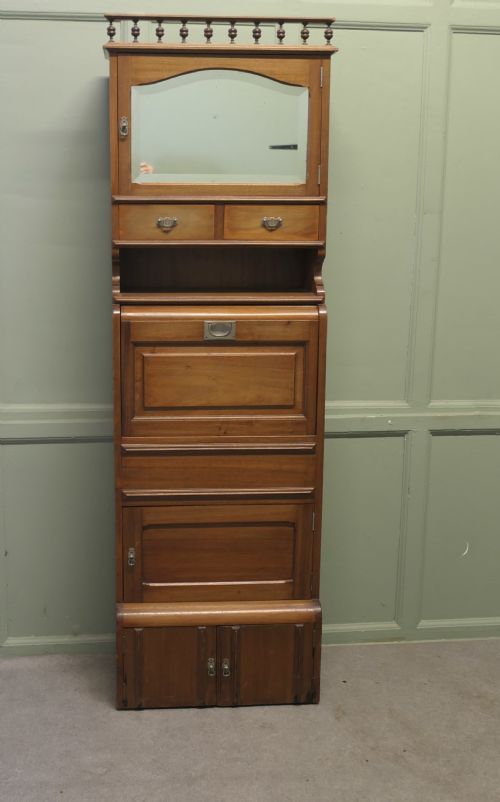
Brown Wooden Vanity
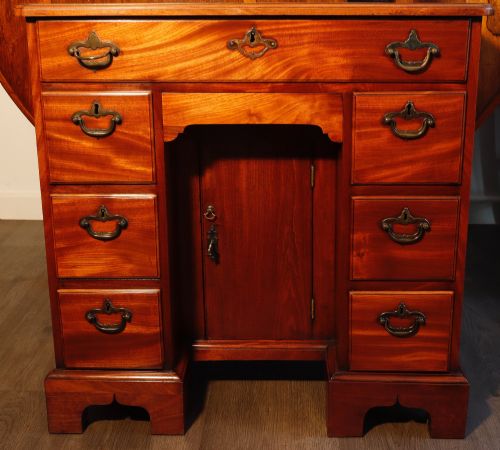
These brown wooden vanity pieces bring enduring mahogany, walnut and oak utility to dressing rooms and chambers.

Brown Wooden Vanity
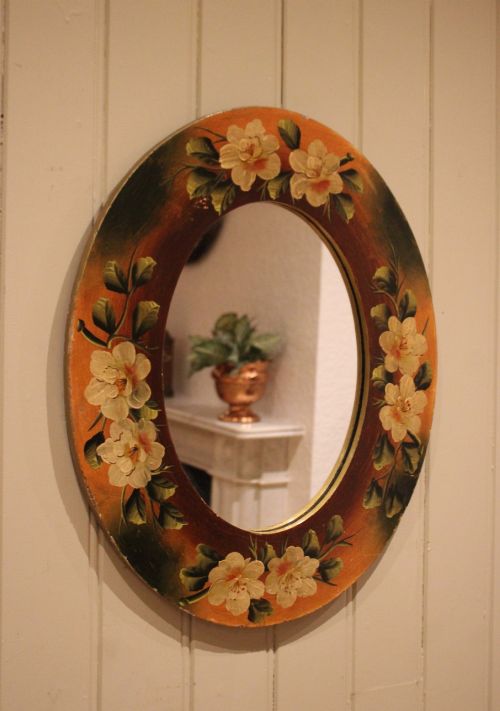
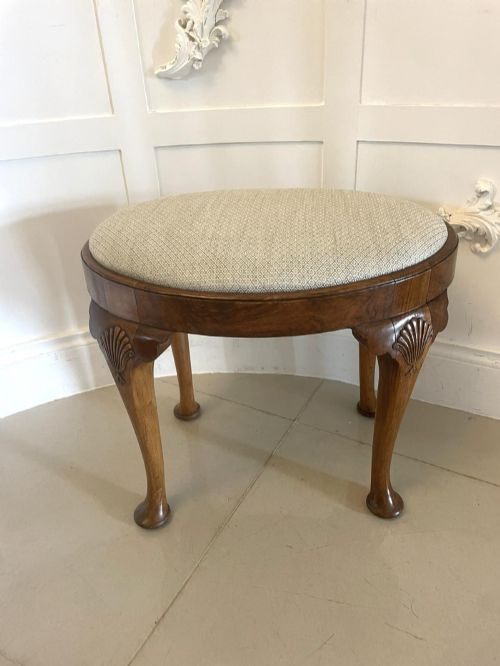
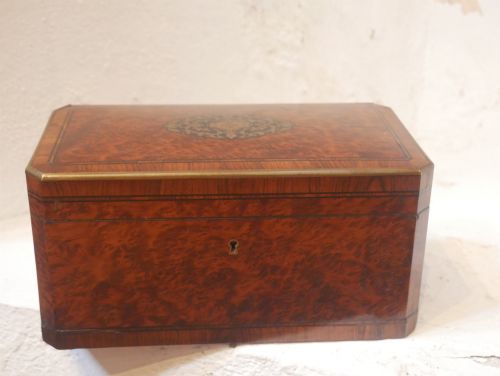
A brown wooden vanity search spans a wide selection of dressing tables, toilet mirrors, washstands, stools and grooming boxes. These furnishings serve domestic preparation and personal grooming spaces across multiple centuries.
The versions most frequently met on this page are mahogany, walnut and oak dressing mirrors, washstands and low stools from the Victorian, Edwardian and Georgian periods. Makers constructed these forms to sit upon tables or stand independently in bedrooms.
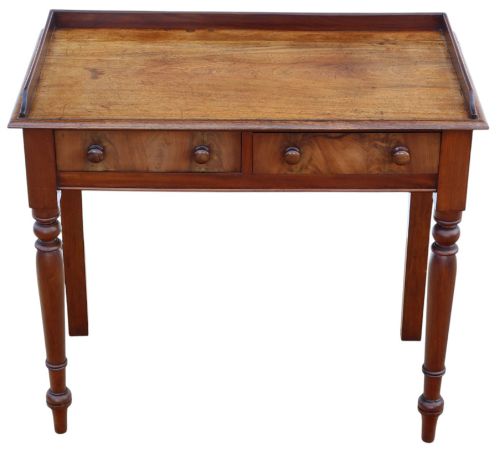
Pieces range from compact table-top toilet mirrors with adjustable glass to larger pedestal writing desks and marble-topped washstands. Each object reflects the changing domestic habits of past centuries regarding personal care and hygiene.
Materials and construction methods
Carpenters relied primarily on solid timbers and veneers of mahogany, walnut and oak, often mounting glass mirrors and brass hardware. Cabinetmakers selected figured woods like burr walnut and Cuban mahogany for visual impact on primary surfaces.
Joinery methods combined traditional frame-and-panel construction with dovetailed drawers and turned supports. Carvers added decorative details such as cabriole legs and moulded frames by hand.
The listings feature mahogany, walnut, burr walnut, oak, and pine across Victorian, Edwardian, and Georgian periods.
Distinctions in quality and execution
The distinction between standard utility items and finer examples rests upon the selection of timber veneers and the crispness of carved details. Superior pieces employ choice burr walnut or Cuban mahogany with precise joinery.
Makers of higher-status furniture integrated thoughtful proportions and high-grade bevelled mirror glass that retained clarity. Secondary woods and structural framing reveal the underlying integrity of the cabinetmaker's workshop.
Tahan Paris·P & MA Nicholson·Heal & Sons
The Brown Wooden Vanity Glossary
- Toilet mirror
- A small adjustable looking glass designed to sit upon a dressing table or chest of drawers. These pieces often incorporate small drawers in the base for trinkets.
- Washstand
- A wooden stand equipped to hold a basin and pitcher for morning ablutions before plumbed bathrooms became common. Many examples feature marble tops to protect the wood from water splashes.
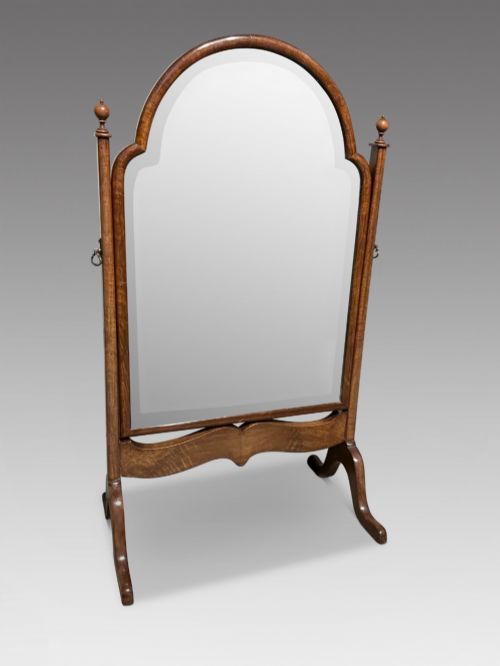
- Cheval glass
- A full-length dressing mirror supported on a freestanding frame with pivoting pins. This allows the user to tilt the glass to various angles.
- Cabriole leg
- A furniture leg that curves outward and then tapers inward, inspired by the shape of an animal's leg. This form appears frequently on stools and dressing tables.
- Veneer
- A thin layer of figured wood applied to a secondary timber base to create a decorative surface. Craftsmen used this technique with walnut and mahogany to display rich grain patterns.
Brown Wooden Vanity: Frequently Asked Questions
How do I date a wooden dressing mirror?
Dating relies on observing construction techniques, timber choices and the style of the mirror frame and supports. Georgian and Victorian examples show distinct joinery methods and turning styles.
Hardware such as brass screws and hinge types also provide clues to the period of manufacture.
Where were washstands used?
Washstands stood in bedrooms or dressing rooms before indoor plumbing placed washing facilities in dedicated bathrooms.
They held basins, ewers and water jugs, with marble tops frequently utilised to resist water damage.
How do I care for antique wood furniture?
Keep wooden furniture away from direct sunlight and sudden temperature changes to prevent the timber and veneers from drying out.
Apply traditional wax polish occasionally and buff with a soft cloth to maintain the finish.